City Guide
Leon
Espagne · Best time to visit: May-Sep.
Day-by-day plan
Choose your pace
Durée du voyage
09:00
Landmark
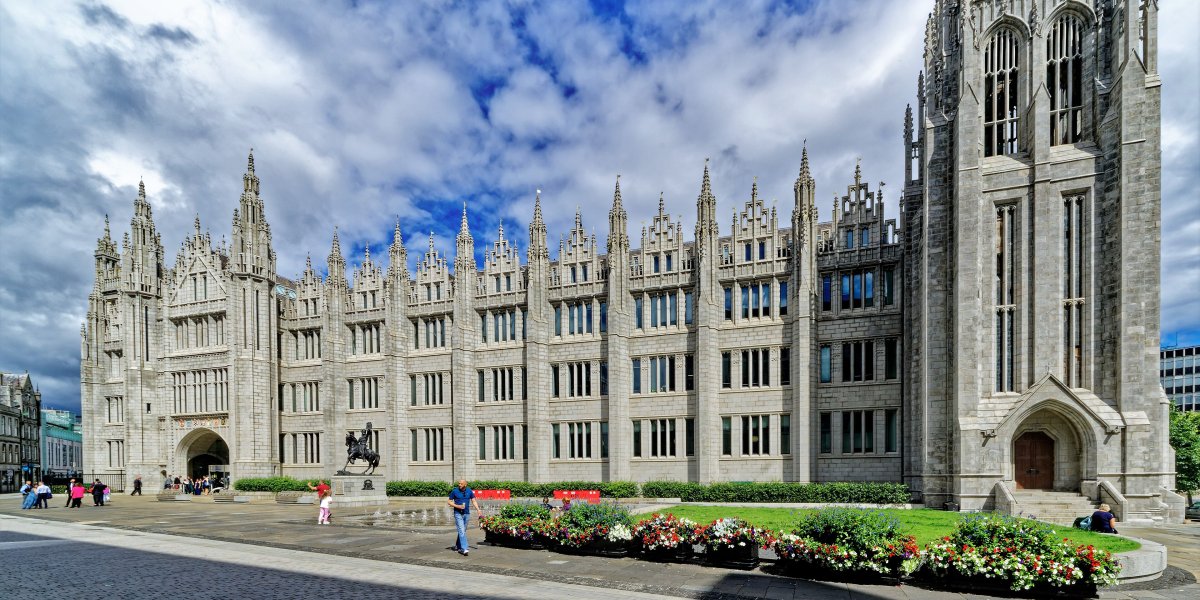
Arrive at Plaza San Marcos from the train station — a 6-minute walk north across Avenida Palencia — and the 100-metre Plateresque facade hits you full-on across the medieval stone bridge over the Río Bernesga. A pilgrim hospital on the Camino, then a Renaissance monastery, today a Parador hotel — the silver-stone carving is a 16th-century tapestry in stone, and the bronze weary pilgrim slumped on the front steps is León's most photographed traveler.
Tip: Cross the Puente de San Marcos to the far riverbank for the wide reflected shot of the entire facade — by 10:30 tour buses dump groups at the front steps and the pilgrim statue is mobbed. Don't pay to enter the in-house Museo de León on a single day; the magic of San Marcos is entirely on the exterior.
Open in Google Maps →10:30
Landmark
Walk south down Calle Ordoño II for 15 minutes — León's grand 19th-century boulevard of Belle Époque banking facades and the locals' morning paseo — until the slate-grey turrets of Gaudí's only northern Spanish building suddenly rise on Plaza San Marcelo. One of just three buildings Gaudí built outside Catalonia, it looks more Bavarian fairy-tale than Catalan modernist, and at its feet a bronze Gaudí sits on a bench sketching the very building he designed.
Tip: Stand on the south side of Plaza San Marcelo and frame the bronze sketching Gaudí in the foreground with the dragon-scale turrets behind — east light rakes the granite until 11:00 and then the facade goes flat. Skip the paid interior tour; the silhouette against the sky is the whole point, and you'll see Gaudí's real masterpieces in Barcelona.
Open in Google Maps →12:00
Religious
Head 4 minutes north up Calle del Cid past sandstone palace facades, with the medieval Roman-era city wall flashing through alley gaps, and the Romanesque pile of San Isidoro materialises in its broad plaza. Standing since 1063, the Royal Pantheon hidden inside is called the Sistine Chapel of Romanesque art — but from the outside, the Puerta del Cordero portal with its sacrificed lamb above the door is medieval storytelling at its most direct. The bronze rooster weathervane on the tower is said to have crowed when León was retaken from the Moors.
Tip: The Puerta del Cordero faces south and is sun-lit until 14:00 — stand back across the plaza for the perfect frontal shot with the rooster weathervane in frame. The two cafés directly on Plaza San Isidoro overcharge tourists by 30% for a caña; if thirsty, walk one block west to Plaza Santo Martino where locals drink.
Open in Google Maps →13:30
Food
Walk 4 minutes south down Calle Cervantes into the midday roar of León — Camarote Madrid is the city's most famous free-tapa stalwart, where every €1.80 caña or glass of Mencía red comes with a generous hot plate unbidden (patatas alioli, morcilla toast, tortilla wedge). Three rounds plus a slate of cecina de León (paper-thin cured beef, €4) and you'll waddle out for under €12. This is lunch the leonés way: standing, fast, loud, and absurdly cheap.
Tip: Order the cecina — León's signature air-cured beef from neighbouring Astorga, and Camarote slices it almost translucent. Arrive at 13:30 sharp; by 14:30 the bar is three-deep and the staff stop chatting. Stand at the bar, never sit at a table — table service costs 20% more and forfeits the free tapa.
Open in Google Maps →16:00
Religious
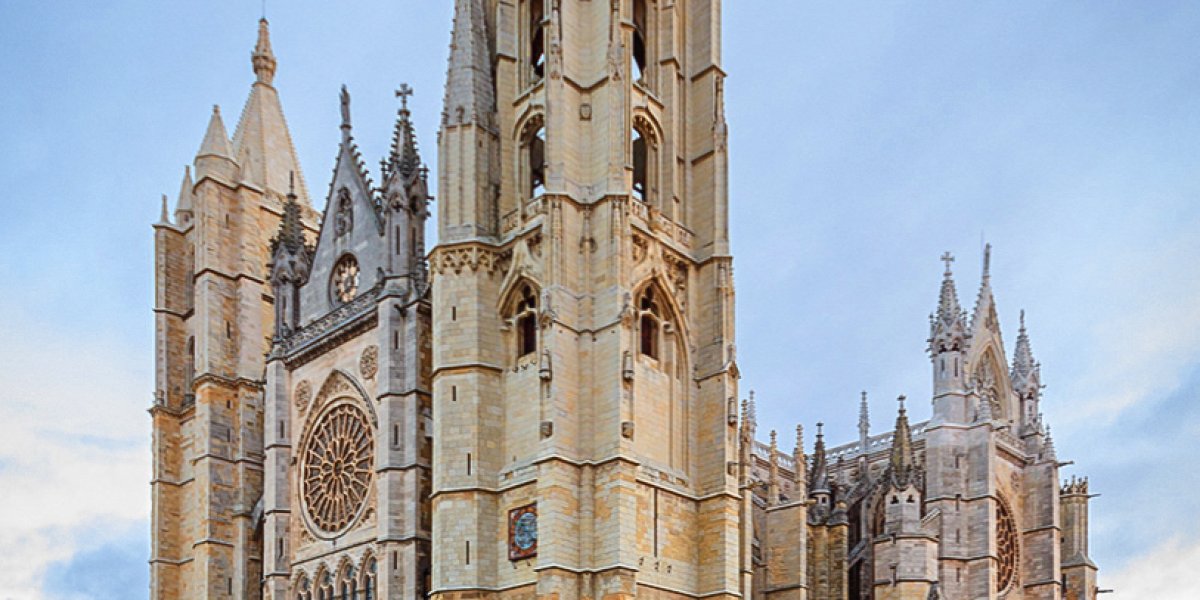
Walk 5 minutes east through Calle Sierra Pambley and emerge onto Plaza de la Regla, where the Pulchra Leonina — 'the Beautiful Lioness' — floats in the afternoon sun like spun sugar. With 1,800 square metres of stained glass it is the most luminous Gothic cathedral on the Iberian peninsula, its walls so thinned by windows that medieval masons reinforced it with a forest of flying buttresses. The west facade catches the lowering sun from 16:30 onwards, and the carved Last Judgment over the Puerta del Juicio comes alive in the raking golden light.
Tip: Walk a full lap of the cathedral — the south side on Calle Ancha is the famous postcard face, but the north side (Plaza Regla Norte) is where the flying buttresses do their structural acrobatics that hold all that glass aloft. The golden-hour frame is from the SE corner of Plaza de la Regla looking NW around 19:00 in summer — stand by the fountain and shoot upward.
Open in Google Maps →20:00
Food
Walk 3 minutes south through Calle Mariano Domínguez Berrueta into Barrio Húmedo — the 'Wet Quarter' where every doorway is a bar and every drink comes with a free tapa. Bodega Regia, set in a 14th-century townhouse on Calle Regidores, is where leoneses bring out-of-town family: stone walls, beamed ceilings, and a menu built on the regional trinity — cecina de León (€16), cocido leonés chickpea-and-meat stew (€22), and wood-oven lechazo asado, milk-fed lamb roasted in clay (€26). Pair it with a Prieto Picudo red from Tierra de León.
Tip: Reserve a day ahead through their website for the 20:00 seating — the 21:30 slot is locals-only and fully booked nightly. Pitfall warning for Barrio Húmedo: skip the bars ringing Plaza San Martín with five-language menus and photo-laminated tapas on the door — those are tourist traps pouring industrial olives with €3 cañas. The genuine free-tapa bars are one block west on Calle Escalerilla and Calle Cervantes, where the tapa is fresh cecina, morcilla, or hot tortilla.
Open in Google Maps →Aller au jour
09:30
Religious
Arrive at Plaza de Regla just as the doors swing open. Spain's most light-soaked Gothic cathedral holds 1,800 square metres of original stained glass, more than any peer except Chartres. The morning sun pours through the south rose window and throws ruby and cobalt across the white limestone like a slow-moving fire. This is the first stop on purpose: every later hour brings tour buses, and the colours fade as the angle climbs.
Tip: Buy the combined Cathedral + Museum + Cloister ticket (€10) — it's the only way onto the upper triforium walkway that puts you eye-to-eye with the south rose window. Sit in the central nave at 10:15: that is exactly when the light lands on the high altar, and the cleaner audio of plainchant Mass starts in the side chapel.
Open in Google Maps →11:30
Religious
Exit the cathedral, walk west along Calle Ancha for six minutes, then cut north at Plaza Santo Martino — the squat Romanesque tower appears between the palms. Inside the museum entrance to the left, the Real Panteon is the Sistine Chapel of Romanesque art: a low vaulted crypt where twenty-four kings of Leon lie under 1186 frescoes whose pigments have never been restored. Photography is forbidden, which is exactly why everyone remembers it.
Tip: Enter through the museum door beside the basilica, not the church itself — the Panteon is reached only from inside the museum. Sit on the wooden bench facing east in the crypt: the central Pantocrator figure on the ceiling was painted to be seen from exactly that spot, and the vault optics only resolve from a seated angle.
Open in Google Maps →13:30
Food
Five minutes south down Calle Cid into Calle Cervantes — the smell of cured pork tells you you've arrived. Stand at the bar like a local: order cecina de Leon (€14, paper-thin smoked beef so silky it dissolves on the tongue) and morcilla de Cervantes on toast (€5, rice-and-onion blood sausage that defines the city). This is the place leoneses come on Saturday and still claim is 'their' bar, even though every food writer in Spain has now found it.
Tip: Skip the seated dining room and wedge in at the bar — that is where the free tapa comes with every drink, and where regulars argue Cultural Leonesa football. Order a copa of Mencia red (€2.50) and tip a coin on the zinc when you leave; the staff will remember you next time.
Open in Google Maps →15:30
Museum
Three minutes east to Plaza San Marcelo — Gaudi's granite turret rears up among the bourgeois mansions like a sleeping beast. Built in 1893 as a textile warehouse with apartments above, it is the architect's only building north of Catalonia. The ground floor still holds the original cast-iron columns that curve up like ribs, and the lower vault keeps Gaudi's wrought-iron dragon-grille that once guarded the merchants' safe.
Tip: Book the 'Casa Botines + Rooftop' combined entry (€10) — the small roof terrace is the only spot in Leon where Gaudi's twisted chimney caps frame the cathedral spires in one shot. Listen to audio chapters 4 and 7: they are unusually honest about Gaudi's frustration with his conservative Leon clients.
Open in Google Maps →17:30
Landmark
Walk five minutes north up Calle Pilotos Regueral to Plaza Puerta Castillo — the round drum towers of Leon's 4th-century wall begin here. Loop counterclockwise past the cathedral's apse, then drop south through the lanes to Plaza Mayor, the perfect porticoed square the locals reclaim every evening at seven for paseo and helado. Time the loop so you reach Plaza Mayor as the sun sinks behind the bell tower — the limestone goes amber, then rose, then violet in under twenty minutes.
Tip: The northern wall stretch behind San Isidoro has the tallest, oldest 'cubos' — photograph from outside the wall on Avenida Ramon y Cajal for the postcard angle. Skip the wall-top walkway near the cathedral on Saturdays: it gets jammed with wedding-party photo queues lining up at the Ayuntamiento.
Open in Google Maps →20:00
Food
Five minutes south through the lanes of Barrio Humedo to Calle Regidores 9-11 — the street door is small, but the dining room below is a 14th-century vaulted cellar lit by candles. The cocido maragato (€28) is the Leon feast: nine meats served first, then chickpeas, then soup — the reverse of every other Spanish cocido, an old shepherd's logic in case the meal got interrupted. The lechazo asado (€24) is the most tender suckling lamb in the city.
Tip: Reserve a 'mesa en la bodega' (cellar table) three days ahead — the upstairs rooms are pleasant but the candlelit vault is the reason to come. PITFALL: ignore every restaurant on Calle Ancha and the south side of Plaza Mayor with photo menus and English-only barkers — those are the tourist traps. The real Leon kitchens (here, Camarote Madrid, La Bicha) all hide on small side streets and have never needed to advertise.
Open in Google Maps →10:00
Landmark
From the old town walk eighteen minutes west on Calle Renueva, then north along the Bernesga river — the colossal Plateresque facade of San Marcos rises like a stone tapestry above the water. Built in the 16th century as headquarters of the Order of Santiago, its 100-metre frontage is carved with scallop shells, saints, and Renaissance medallions: one of Spain's three great Plateresque facades. Half is now a Parador hotel; the other half holds Leon's archaeology museum.
Tip: Museum entry is €1 (the cheapest cultural ticket in Spain) and includes the 11th-century Cristo de Carrizo ivory crucifix — Spain's finest pre-Romanesque carving, alone worth the trip. Cross the plaza to Antonio Frutos's bronze of the weary pilgrim resting on a stone bench and sit beside him for the iconic Leon photo; angle the shot at 10:30 for soft side light on the facade reliefs.
Open in Google Maps →12:00
Museum
From San Marcos head eighteen minutes north along Avenida de los Reyes Leoneses — the river is on your left, modern Leon unspools to your right. MUSAC's 37-panel stained-glass facade by Mansilla+Tunon, inspired by the Cathedral's medieval windows, won the 2007 Mies van der Rohe Prize. At midday the coloured panels glow from inside out, and the galleries beyond are a low-slung labyrinth of skylights showing Leon's most adventurous shows.
Tip: The cafeteria upstairs has the cheapest decent espresso in the museum district (€1.20) and a quiet courtyard terrace few visitors find. If pressed for time prioritise galleries 3 and 4 — those rotate the temporary exhibitions, while the permanent collection in 1 and 2 is often unchanged from previous visits.
Open in Google Maps →14:00
Food
Walk twenty-five minutes back along the Bernesga and up Calle Renueva to Calle Cano Badillo 2 — Leon's oldest tavern, in continuous service since the 15th century. This is where the city keeps its memory: stone walls, oak beams, a coal-fired grill that has not moved in six hundred years. Order the menu del dia (€22): sopa de ajo (garlic soup, the cure for everything) to start, cecina con queso de oveja as the main, leche frita to finish. Locals come on Sundays in three generations.
Tip: Ask for the 'comedor de atras' (back dining room) — the front bar fills with workers and the tile-lined rear rooms are quieter, under the original carved wooden ceiling. Half-bottle of Prieto Picudo rosado (€8) is the unsung regional wine here, more interesting than the better-known Mencia.
Open in Google Maps →16:00
Neighborhood
Five minutes south through Calle Mulhacin — you smell the chestnut leaves before you see the plaza. The most unselfconscious square in Leon: two ancient oak trees, an old stone fountain, uneven cobblestones, no cars, no terrace touts — only a small Romanesque church and a silence you don't expect inside a Spanish provincial capital. Camino pilgrims still pass through. The afternoon sun slants low across the cobbles at 16:30 and turns the whole plaza honey-gold.
Tip: Photograph from the south side facing the bell tower of Santa Maria del Camino — the two oak trees frame the asymmetric church wall, and the off-centre composition is what makes this image work. The cafe on the east side charges €1 extra per drink for the terrace seat; the wooden bench under the oaks is free and the view is identical.
Open in Google Maps →17:30
Landmark
Six minutes north up Calle Mulhacin and Calle Pablo Florez to Calle Ruiz de Salazar — the 16th-century palace by Rodrigo Gil de Hontanon anchors the corner of Plaza San Marcelo. Step inside the courtyard: the grand staircase by Juan del Ribero is one of Spain's most beautiful unknown stairways, and it is free. Then walk south down Calle Ancha — Leon's evening paseo street — past the 19th-century shopfronts, joining the locals who have walked this exact stretch every evening for a century.
Tip: Free courtyard entry is weekdays 09:00-14:00 only; if you arrive Sunday or after hours, the best exterior photo angle is from the corner where Calle del Cid meets Plaza San Marcelo, with Casa Botines just behind you. Walking south down Calle Ancha at 19:00 IS the Leon paseo — slow your pace and join the rhythm, do not stride through it.
Open in Google Maps →20:00
Food
Five minutes west to Plaza Torres de Omana 1 — a small bar opens onto one of Leon's quietest plazas. A modern Leon kitchen in an old house, where the cocina leonesa is updated with a light hand. The huevo a baja temperatura con setas (€16, slow-poached egg over wild mushrooms in jus) and the carrillera de ternera al Prieto Picudo (€22, beef cheek braised in regional wine until it spreads with a spoon) are the dishes worth fighting for. Ten tables; locals book a week out.
Tip: Reserve five to seven days ahead for a table after 21:00 — early dining is for tourists; leoneses arrive at half-past nine. Ask for table 4 by the corner window facing the plaza. PITFALL: do not be tempted by the 'tapa gratis' chain bars on Calle Mariano D. Berrueta — the 'free tapa' there is now a sliver of olive on a chip. The authentic free-tapa-with-drink Barrio Humedo crawl is on Calle Cervantes and Calle Escalerilla only; everywhere else has quietly switched to a paid plate dressed up for the camera.
Open in Google Maps →
Trip builder
Plan this trip around Leon
Turn this guide into a bookable rail itinerary with FlipEarth.
Keep exploring
Related cities
More in the same country
FAQ
Frequently asked questions
How many days do you need in Leon?
Most travelers enjoy Leon in 1 days, with enough time for headline sights and a slower meal or museum stop.
What's the best time to visit Leon?
The easiest season for most travelers is May-Sep, especially if you want good weather and manageable crowds.
What's the daily budget for Leon?
A practical starting point is about €80 per person per day before hotels, then adjust based on museums, dining, and transport.
What are the must-see attractions in Leon?
A good first shortlist for Leon includes Convento de San Marcos, Casa Botines.