City Guide
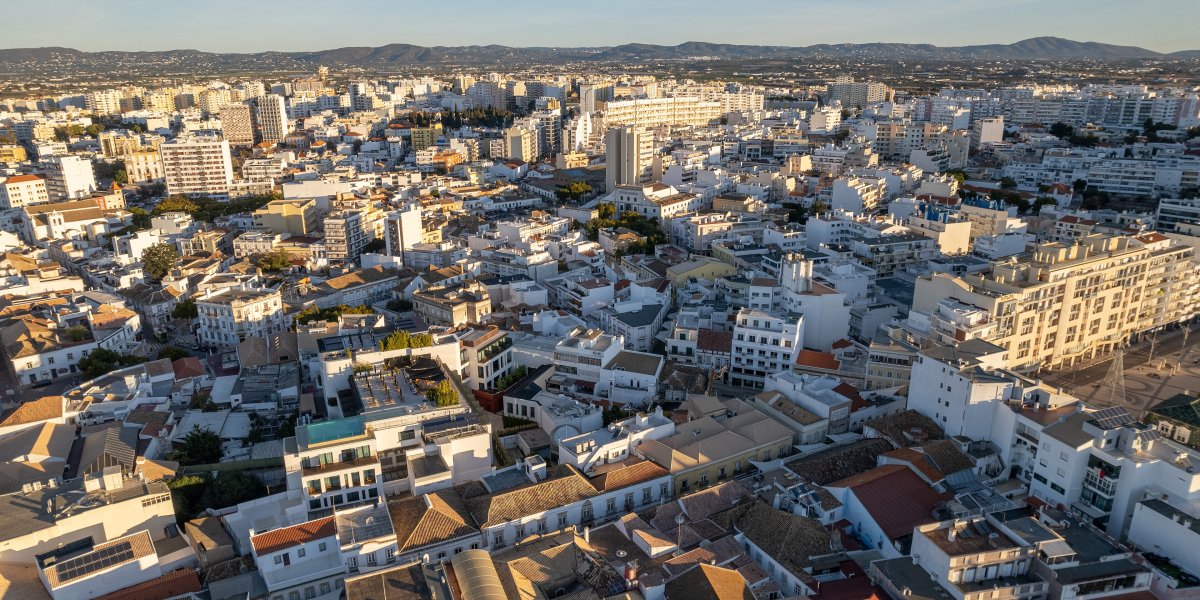
Faro
Portugal · Best time to visit: Apr-Oct.
Day-by-day plan
Choose your pace
Durée du voyage
09:00
Landmark
Start at the foot of the Arco da Vila, Faro's 19th-century neoclassical gateway — look up before you step through, because white storks nest on the bell tower above the arch and at 9 a.m. they're actively feeding, swooping in from the lagoon with fish in their beaks. Pass under the horseshoe-shaped Moorish niche and enter the Cidade Velha: a walled quarter of cobblestone lanes, whitewashed houses with filigree ironwork, and orange trees shading courtyards that have barely changed since the Reconquista. Walk the full circuit along the top of the medieval walls for panoramic views across terracotta rooftops to the shimmering Ria Formosa lagoon — at this hour the light is low and golden, the lanes are deserted, and the only sound is storks clacking their bills overhead.
Tip: Stand just inside the archway and shoot straight up through the horseshoe niche to frame the stork nests against open sky — this is the defining Faro photograph and most visitors walk right past it. Storks are resident year-round but most photogenic March through July when feeding chicks. Skip the souvenir shop immediately inside the gate; everything there costs double what you'll pay on Rua de Santo António later.
Open in Google Maps →10:30
Religious
From the Arco da Vila, follow the narrow Rua do Município past the old bishop's palace — five minutes on worn cobblestones between whitewashed walls — until the lane opens abruptly into the vast, sun-drenched Largo da Sé. The 13th-century Cathedral of Faro anchors the far side, its façade a palimpsest of Gothic arches, Renaissance doorways, and a Baroque bell tower — each century left its mark without erasing the last. At this hour the wide stone plaza is empty and flooded with direct morning light: orange trees, an elegant seminary, and not a tour group in sight. Circle the full exterior to catch the Moorish-influenced azulejo panels on the neighbouring buildings and the contrast between austere Gothic bones and exuberant later ornament.
Tip: The best composition is from the northeast corner of the square, where the cathedral tower, orange trees, and crenelated walls align in one frame. Morning sun illuminates the main façade directly until about 11:00 — after that the tower casts a hard shadow across the plaza, so shoot before you explore. The small door on the south side leads to a rooftop terrace with lagoon views (€3), worth the detour if you have ten minutes to spare.
Open in Google Maps →11:30
Park
Exit the old town through the Arco do Repouso — the quieter eastern gate, where a 13th-century horseshoe arch frames a sudden panorama of marshland — and turn left along the waterfront promenade. This stretch delivers the defining Faro vista: the walled old town rising behind you, and ahead, the vast Ria Formosa lagoon stretching to a chain of barrier islands and the open Atlantic. The midday sun turns the shallow tidal channels a luminous blue-green, and wading birds — flamingos in winter, egrets and terns year-round — pick through the salt marshes just metres from the path. Walk east past traditional fishing boats beached on the mudflats; this is one of Europe's most important wetland habitats, yet you will share the promenade with almost no one.
Tip: The best panoramic shot is from the small dock just east of the Arco do Repouso, where old town walls and the lagoon share the frame. Low tide exposes dramatic sandbar patterns — check the tide table online the night before and time your walk for receding water. If you see a ferry sign for Ilha Deserta, resist the urge — the round trip eats two hours you don't have, and the waterfront view here is equally striking.
Open in Google Maps →12:30
Food
Follow the waterfront west past the marina, then cut through the palm-shaded Jardim Manuel Bivar — a 12-minute walk with the harbour on your left — and turn onto the pedestrian Rua de Santo António. Café Aliança has anchored this street since 1908, one of the oldest cafés in the Algarve, with azulejo-tiled walls and a marble counter where locals eat standing. Order a bifana — the definitive Portuguese fast lunch, a thin pork cutlet seared with garlic and piri-piri on a crusty bread roll (€3.50) — chased with a galão, the tall milky coffee that fuels every Portuguese afternoon (€1.80). Eat at the counter, watch the lunch crowd file in, and you are refuelled in twenty minutes. Budget: €8–12.
Tip: Order the bifana com queijo (with melted cheese, €4.50) if you want extra substance — locals dip the bread in the pan juices pooled on the plate. If the counter is packed, grab a pastel de nata (€1.50) and eat it walking north toward your next stop. Skip the sit-down restaurants on this street with multilingual picture menus — they charge tourist prices for microwaved bacalhau.
Open in Google Maps →14:00
Religious
Walk north on Rua de Santo António and turn right at Largo do Carmo — an 8-minute stroll past local boutiques and pastry shops. The twin-towered Baroque façade of the Igreja do Carmo is the finest in the Algarve: creamy gold limestone, ornate pilasters, and a sweeping double staircase that photographs beautifully against afternoon blue sky. But the reason people come is behind the church — the Capela dos Ossos, a small chapel whose walls and ceiling are lined with the skulls and bones of over 1,200 Carmelite monks, arranged in geometric patterns that turn mortality into architecture. In the cool shade of the rear courtyard, with afternoon light filtering through a single window onto rows of silent faces, it hits differently than any other sight in southern Portugal.
Tip: Photograph the Baroque façade from the far side of Largo do Carmo — afternoon sun hits it directly and the double staircase creates strong diagonal lines. Inside the bone chapel, the best detail shot is the wall section near the entrance where a complete skeleton stands upright among rows of tibias. The chapel is tiny; you will see everything in ten minutes. Do not buy 'traditional' cork souvenirs from the vendors in Largo do Carmo — the identical items cost half at the shops on Rua de Santo António you just walked past.
Open in Google Maps →19:00
Food
From Largo do Carmo, walk one block south on Rua Francisco Barreto — three minutes past local shops and produce vendors that confirm you have left the tourist zone entirely. Adega Nova is the kind of tile-walled Algarvian tavern that has not changed its menu or its generous portions in decades, and that is exactly the point. Order the cataplana de amêijoas — clams steamed in a sealed copper pot with chouriço, tomato, and white wine, meant to be shared (€18 for two) — and the sardinhas assadas, fat charcoal-grilled sardines served with boiled potatoes and a drizzle of olive oil (€12). A jug of house vinho tinto from the Algarve completes the picture. Budget: €22–30 per person.
Tip: Arrive right at 19:00 — locals eat later, so you will get a table immediately. Order the cataplana first since it takes 20 minutes to prepare; eat the sardines while you wait. The house wine is perfectly drinkable and a fraction of the bottle list price. Avoid the seafood restaurants clustered around the marina — most charge triple for frozen imported fish dressed up as 'catch of the day,' while the fish here was swimming in the Ria Formosa this morning.
Open in Google Maps →Aller au jour
09:00
Religious
Enter the old town through the 19th-century Arco da Vila — look up as you pass beneath the arch for the white storks nesting on its crown, a colony that has returned every spring for decades. The cobblestoned lanes of the Cidade Velha are nearly empty at this hour; follow them uphill to Largo da Sé, where the 13th-century cathedral commands the highest point of the walled quarter. Inside, climb the narrow bell tower for a breathtaking 360-degree panorama: terracotta rooftops, the silver expanse of the Ria Formosa lagoon, and the Atlantic shimmering beyond the barrier islands. The morning sun pours in from the east, lighting the gilded Baroque chapel and the medieval cloisters below.
Tip: Climb the bell tower before 10:30 — after that, tour groups clog the spiral staircase and you lose the solitude. The best photo angle is from the tower's south-facing window, where the lagoon and rooftop mosaic align perfectly. Budget 20 minutes for the cloisters on the way down; the Romanesque arches frame a quiet orange-tree garden almost no visitor photographs.
Open in Google Maps →10:45
Museum
Walk across Largo da Sé — the museum is two minutes south of the cathedral's main door, housed inside the 16th-century Convent of Nossa Senhora da Assunção. The Renaissance cloister alone is worth the visit: a double arcade wrapped around a courtyard of orange trees and silence. Inside, an unexpectedly rich collection spans two millennia — a magnificent 3rd-century Roman mosaic of Neptune, delicate Islamic oil lamps, and Baroque religious painting. Most visitors skip this museum entirely, which means you will study the mosaic floor in near-solitude.
Tip: The Renaissance cloister catches the finest natural light around 11:00, when the sun drops directly into the arcade — this is the most photogenic courtyard in Faro and almost nobody photographs it. The Neptune mosaic on the ground floor is the star exhibit; look for the tiny fish details in the border panels that even the museum labels do not mention.
Open in Google Maps →12:30
Food
Exit the old town through the Arco do Repouso — the quieter eastern gate — and walk three minutes north along Rua Francisco Barreto. Adega Nova is a tiled, no-nonsense tasca where fishermen and office workers share elbow-tight tables at lunchtime. The cataplana de marisco (copper-dome seafood stew for two, ~€22) defines Algarve cooking: clams, prawns, and chouriço steamed together until the lid lifts in a fragrant cloud. Solo diners should order the sardinhas assadas com pimentos (grilled sardines with roasted peppers, ~€9). Arrive right at 12:30; by 13:00 every seat is taken.
Tip: Ask for the cataplana de amêijoas (pure clam version) instead of the mixed seafood — locals consider it the more authentic, intensely briny choice. Pair it with a jug of house white from the Algarve hills (€4). Budget €12-18 per person.
Open in Google Maps →14:30
Religious
Walk north from the restaurant along Rua de Santo António for eight minutes — the tree-lined Largo do Carmo opens before you with the twin gilt-edged towers of Igreja do Carmo rising above the square. The Baroque church interior is lavish, but the real draw is behind it: a small courtyard door leads to the Capela dos Ossos, a narrow chamber whose walls and ceiling are assembled entirely from the skulls and femurs of over 1,200 Carmelite monks. It is cool, silent, and genuinely unsettling — an 18th-century meditation on mortality, inscribed above the entrance: 'Stop here and consider that you will reach this state too.'
Tip: Photograph the bone chapel from the doorway threshold — the perspective draws the eye down the narrow chamber and captures the full macabre impact. Inside, the light is dim; use your phone's night mode rather than flash, which washes out the bone texture completely. Spend ten minutes inside the main church afterward — the gilded altarpieces are among the finest Baroque work in the Algarve.
Open in Google Maps →16:00
Neighborhood
From the church, walk south down Rua de Santo António — Faro's main pedestrian artery, paved in swirling calçada portuguesa limestone and lined with pastel-tiled buildings, local boutiques, and old-school cafés with ceiling fans and espresso machines older than you are. This is the city's living room: students, grandmothers, and shopkeepers sharing the same narrow cobblestones. Pick up a pastéis de amêndoa (almond tart, ~€1.50) at any padaria — the Algarve's answer to Lisbon's pastéis de nata, with a crumbly marzipan sweetness unique to the south. Let the street carry you toward the harbor as the late-afternoon light turns the tiles gold.
Tip: Duck into the side streets east of the main drag — Rua do Prior and Rua Conselheiro Bívar have far better-preserved azulejo façades and zero foot traffic. The hand-painted tiles on the corner of Rua do Prior are among the finest in the city. Skip the souvenir shops on Rua de Santo António itself; the ceramics are mass-produced imports from northern Portugal.
Open in Google Maps →19:30
Food
Walk back through the Arco da Vila into the Cidade Velha — Faz Gostos is tucked inside the old walls on Rua do Castelo, a four-minute stroll from the arch. The stone-walled dining room feels like a private supper in a medieval house, candlelit and unhurried. The polvo à lagareiro (roasted octopus with crushed potatoes and garlic oil, ~€19) is flawless, and the xerém de conquilhas (creamy Algarvian cornmeal with baby clams, ~€14) is a regional dish you will not find outside the Algarve. Ask for a glass of Vida Nova white — a crisp local DOC wine that pairs beautifully with the seafood.
Tip: Reserve by phone the morning of your visit — Faz Gostos seats only about 30 and fills completely by 20:00 in summer. Budget €25-35 per person with wine. Avoid the terrace restaurants lining the Jardim Manuel Bívar waterfront below — they charge resort-level prices for mediocre food, banking entirely on the view rather than the kitchen.
Open in Google Maps →09:00
Shopping
Start the morning at the covered market hall on Largo Dr. Francisco Sá Carneiro, a seven-minute walk east from the Jardim Manuel Bívar along the waterfront promenade. The ground floor is a sensory theater: glistening sea bream on crushed ice, purple octopus tentacles coiled in trays, razor clams fanned out like ivory combs. Upstairs, local vendors sell dried figs, carob syrup, jars of Algarve wildflower honey, and bags of flor de sal hand-harvested from the Ria Formosa salt pans. Grab a bica (espresso) at the market café and let the morning commerce unfold around you.
Tip: Saturday mornings are the liveliest, with local farmers selling directly from crates. Buy a bag of flor de sal (€3-4) — hand-harvested from the lagoon's salt flats, it is the Algarve's finest edible souvenir and packs flat in your luggage. The fish vendors on the ground floor are most active before 10:00; after that, the best catches are gone.
Open in Google Maps →10:30
Park
From the market, walk five minutes west along the waterfront to the Portas do Mar ferry terminal. Board the Ilha Deserta ferry for a 35-minute crossing that threads through the shallow channels of the Ria Formosa — keep your eyes on the water for pink flamingos wading in the salt marshes and oystercatchers picking through the mudflats. The island itself is a long, wild ribbon of white sand and low dunes — the southernmost point of mainland Portugal, completely uninhabited except for one restaurant. Walk east along the waterline for ten minutes and you will have a pristine Atlantic beach entirely to yourself.
Tip: Buy ferry tickets at the Portas do Mar kiosk 15 minutes before departure — boats fill quickly on sunny mornings. Summer departures typically begin around 10:00. Bring water and sunscreen; there is no shade on the beach beyond the restaurant terrace. The western end of the island has calmer, warmer water for swimming.
Open in Google Maps →13:00
Food
Walk back along the beach toward the island's only structure — a low wooden building with a sun-bleached deck overlooking the dunes and the open Atlantic. Estaminé is one of the most memorable lunch spots in southern Portugal: shoes optional, sand between your toes, and fish so fresh it was swimming hours ago. The arroz de lingueirão (razor clam rice, ~€18) is extraordinary — briny, smoky, and impossible to find this pure anywhere on the mainland. The grilled fish of the day (~€14) is whatever the boats brought that morning. Order a cold Sagres and let the afternoon slow to a stop.
Tip: Estaminé does not take reservations — arrive by 12:45 to claim a deck table. Budget €18-28 per person. After lunch, confirm the return ferry schedule with the staff (departures every 60-90 minutes; last boat typically around 17:00-18:00 in summer). If you are dining as a pair, the cataplana for two (~€28) is outstanding.
Open in Google Maps →15:30
Park
The return ferry drops you at the Portas do Mar terminal. Walk two minutes west to the Jardim Manuel Bívar — Faro's most graceful garden square, framed by pastel neoclassical buildings and opening directly onto the marina's forest of white masts and the shimmering lagoon beyond. White storks nest on the rooftops above, gliding in and out with a wingspan that feels prehistoric. Take a terrace seat at one of the cafés on the square's south side, order a galão (Portuguese latte), and watch the golden afternoon light soften across the water while the storks perform their landing rituals overhead.
Tip: The best angle for photographing the storks is from the southeast corner of the garden, catching them against the sky with the old town walls and the Arco da Vila behind. The birds are most active in late afternoon, returning to their rooftop nests with fish from the lagoon. Skip the tourist train that circles the marina — it covers nothing you cannot walk in fifteen pleasant minutes.
Open in Google Maps →17:30
Landmark
Walk north from the garden through the Baixa and up the gentle slope along Rua de Santo António do Alto — fifteen minutes of quiet residential streets, laundry lines overhead, cats dozing on warm steps. The tiny whitewashed chapel at the hilltop is modest, but the open terrace beside it delivers the finest panorama in Faro: the entire walled old town spread below, the Ria Formosa's mosaic of islands and channels stretching to the horizon, and on clear evenings, the faint silhouette of the barrier islands against the Atlantic. This is the farewell view that explains why Faro exists — a city perched between lagoon and ocean, tilted south into endless light.
Tip: Time your arrival for 30-40 minutes before sunset — the light turns the old town's terracotta rooftops into copper and the lagoon into molten silver. The terrace faces south-southwest, capturing the full sunset arc from spring through autumn. Bring water for the uphill walk; there are no cafés at the top.
Open in Google Maps →19:30
Food
Walk back downhill through the quiet residential lanes to the center of town — ten minutes of gentle descent brings you to this intimate restaurant near the heart of the Baixa. Tertúlia Algarvia is the kind of place locals mention in a whisper: a small, warmly lit dining room devoted to reviving traditional Algarve recipes that tourist menus forgot long ago. The cataplana de grão com polvo (chickpea and octopus cataplana, ~€18) is earthy and deeply satisfying, a fisherman's comfort dish. The figos recheados (figs stuffed with almonds and wrapped in bacon, ~€8) make a perfect starter. Pair everything with a bottle of Algarve tinto from the Tavira hills.
Tip: Budget €20-30 per person with wine. Walk-ins are usually fine on weeknights, but call ahead on Fridays and Saturdays. For the trip home, a metered taxi from central Faro to the airport costs only €10-12 and takes fifteen minutes — ignore the unofficial drivers lingering near the marina who will quote you double without blinking.
Open in Google Maps →
Trip builder
Plan this trip around Faro
Turn this guide into a bookable rail itinerary with FlipEarth.
Keep exploring
Related cities
More in the same country
FAQ
Frequently asked questions
How many days do you need in Faro?
Most travelers enjoy Faro in 1 days, with enough time for headline sights and a slower meal or museum stop.
What's the best time to visit Faro?
The easiest season for most travelers is Apr-Oct, especially if you want good weather and manageable crowds.
What's the daily budget for Faro?
A practical starting point is about €55 per person per day before hotels, then adjust based on museums, dining, and transport.
What are the must-see attractions in Faro?
A good first shortlist for Faro includes Arco da Vila & Cidade Velha.