City Guide
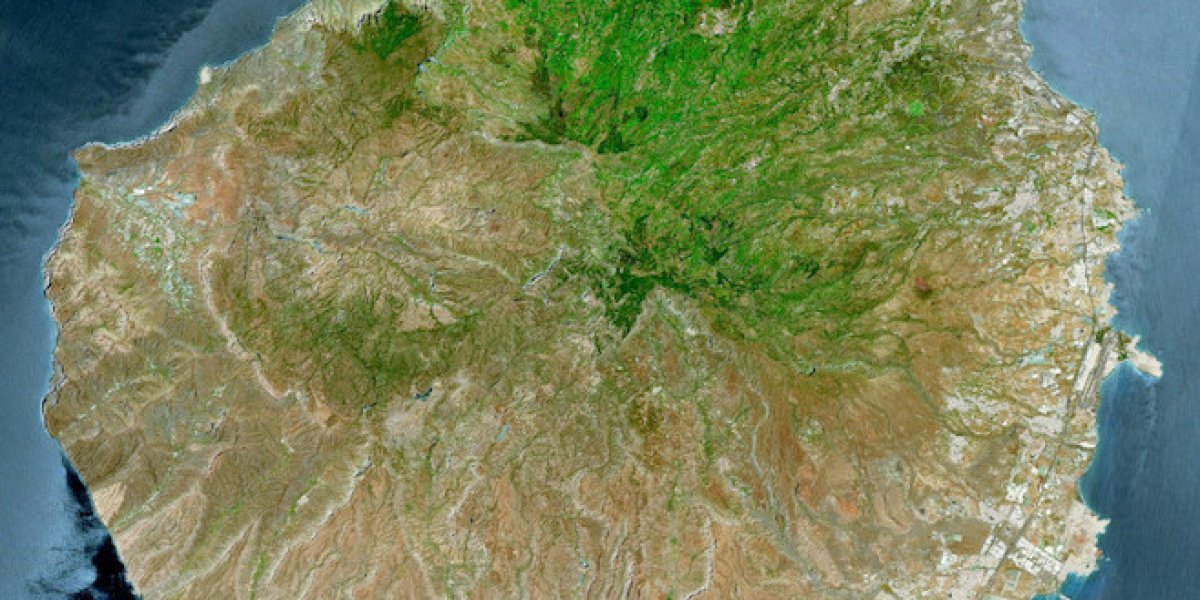
Gran Canaria
España · Best time to visit: All year.
Day-by-day plan
Choose your pace
Duración del viaje
09:00
Landmark
Start in the cobblestone heart of Vegueta — the UNESCO-protected old quarter where the Spanish conquest of the Canaries began in 1478. The 500-year-old cathedral rises above a plaza guarded by eight bronze dogs, the islands' namesake (Canariae = 'island of dogs'). At 9am the cobblestones are still cool, the cruise crowds haven't walked up from the port yet, and the eastern morning light hits the cathedral's grey volcanic-stone facade dead-on for the cleanest photo of the day.
Tip: Frame the plaza from the cathedral steps with the bronze dogs in the foreground — arrive before 9:30 or a tour group will be sitting on every dog. Skip the cathedral interior today; the facade against the sky, and the rust-red colonial townhouses lining the plaza, are the real moment.
Open in Google Maps →10:30
Neighborhood
Walk 100 metres south along Calle Colón — the street narrows and the carved wooden balconies lean over you — and within a minute you're at Casa de Colón, the 15th-century governor's residence where Columbus is said to have stopped on his way to the New World. Slip through the open archway into the inner courtyard (free, no ticket needed for the patio): wooden balconies, banana plants, a stone fountain. Then disappear into the lattice of streets behind — Calle de los Balcones, Plaza del Pilar Nuevo, Calle Mendizábal. Six square blocks of 16th-century Spanish colonial architecture, the prettiest in the archipelago.
Tip: The wooden-balcony stretch on Calle de los Balcones is the postcard shot — frame it from the corner of Plaza del Pilar Nuevo looking south, with the cathedral spire poking up behind. For a local mid-morning ritual, duck into La Champiñoneria on Calle Mendizábal: €2 stuffed mushroom and €2 Canarian vermouth, standing at the bar, in and out in 10 minutes.
Open in Google Maps →12:30
Food
Leave Vegueta heading north up Calle Triana — the city's pedestrian shopping spine — and after a 25-minute walk past the Pérez Galdós house-museum and the modernist San Telmo bandstand, the iron-and-glass market hall appears at the port. Built by the Eiffel studio in 1891, today it's an iron cathedral of food, three aisles of 20 standing tapas counters where Las Palmas does its lunch hour. Hit La Champi for garlic-grilled mushrooms (€4), Encarnita for a plate of Iberian ham (€12), Allende for tuna tartare with smoked Canarian salt (€9). A glass of Listán Blanco runs €3.
Tip: Stand at the bar at every counter — sitting at a table doubles your wait and doubles your bill. Arrive by 12:30 sharp; between 13:30 and 15:00 every stall is three-deep with port and bank workers. Skip the seafood paellas displayed at the front-door stalls — that's frozen, reheated, and aimed at tourists from the cruise terminal.
Open in Google Maps →14:30
Landmark
Cross Avenida Marítima from the market — 5 minutes east — and the squat 16th-century basalt fortress appears against a wall of container ships. This is where Las Palmas held off the English corsair Francis Drake in 1595. Walk the seaward perimeter and climb the outdoor ramparts (free, exterior only), looking across to the third-busiest port in Spain, where the Atlantic crossings began. From the castle cut 10 minutes south-west into Parque Santa Catalina, the city's big shaded plaza of century-old Indian laurels where dockworkers, retirees and domino players all coexist — the real Las Palmas, not the tourist one.
Tip: The castle's outdoor north stone staircase climbs to a free upper terrace with the cleanest shot of the container giants gliding past — skip the museum entrance on the south side. In Parque Santa Catalina the laurel canopy runs 5°C cooler than the surrounding streets; claim a wooden bench under the central trees for a 15-minute siesta before the long beach walk.
Open in Google Maps →17:00
Park
Walk 10 minutes west from Parque Santa Catalina down Calle Sagasta and the city opens onto Playa de Las Canteras — three uninterrupted kilometres of golden sand, shielded from the open Atlantic by La Barra, a natural volcanic reef that breaks the swell a hundred metres offshore and turns the inner beach into a calm lagoon. Begin at the La Puntilla end and walk the full paseo south-west, ocean on your right the entire way. Time it so you reach the Auditorio Alfredo Kraus — Oscar Tusquets's modernist concert hall jutting into the surf like a ship's prow — exactly at sunset: around 18:30 in winter, 20:30 in summer.
Tip: Walk the paved paseo, not the sand — quicker, and the iron lampposts light up at dusk for the long-exposure shot. The single best sunset frame is from the south ramp of the Auditorio: building's prow in the foreground, sun dropping into the Atlantic behind. Use the surf school changing rooms at Peña la Vieja for a quick rinse — €1, half the price of the beach showers further south.
Open in Google Maps →20:00
Food
Walk off the end of the paseo and onto the breakwater — La Marinera sits 80 metres beyond the Auditorio, the last building before the open Atlantic. Family-run since 1965, this is where Las Palmas comes for grilled local fish: cherne (white grouper, €22) and vieja (the green Canarian parrot fish that is the island's signature catch, €19) arrive whole, charcoal-grilled, with a side of papas arrugadas — salt-crust wrinkled potatoes — and two pots of mojo, red garlic-paprika and green coriander. Pair with a bottle of Bermejo Listán Blanco from neighbouring Lanzarote (€18). Waves break against the glass on three sides; in winter the spray hits the windows.
Tip: Reserve online 24 hours ahead and write a note asking explicitly for a window table on the north side — that's the wall the waves break against; without the note you'll be sat inland with no view. Order the vieja, not the cherne — vieja is the local fish you cannot eat anywhere outside the Canaries. PITFALL WARNING: do not eat anywhere else on this strip — every restaurant on the Las Canteras paseo between Peña la Vieja and the Auditorio with a multilingual photo menu is a tourist trap (frozen fish, microwaved €40 'paellas', tap-water 'sangria'); La Marinera is the only authentic kitchen on this end of the beach. For dessert, walk 200 m back along the paseo to Heladería Peña la Vieja and order a scoop of plátano-gofio — gofio is the toasted indigenous Canarian grain, and they're the only ice-cream maker still using it.
Open in Google Maps →Saltar al día
10:00
Religious
Begin in Plaza de Santa Ana at the heart of UNESCO-protected Vegueta, where eight bronze dogs guard the cathedral's leafy square — the symbol of the islands, since Canarias took its name from them. Five centuries of construction layered Gothic vaults onto a Neoclassical front, and a discreet side elevator lifts you to the bell tower for the city's only panorama that stitches tile rooftops, volcanic mountains and the blue Atlantic into a single frame.
Tip: Buy the tower-only ticket (€1.50) at the side door on Calle Espíritu Santo, not the main entrance — you skip the museum queue and reach the bells in three minutes. Go right at 10:00 opening, while the sun is still east of the cathedral and lights the Vegueta rooftops gold.
Open in Google Maps →11:15
Museum
Exit the cathedral's north side and walk 90 seconds along Calle Colón — you arrive at the carved coral facade where Columbus actually lodged in 1492, waiting for his rudder to be repaired before sailing west into the unknown. Inside, two flower-filled patios anchor rooms tracing the Canaries' role as the last European port before the New World, including a full-scale section of the Niña's hold that smells faintly of tar and ship's biscuit.
Tip: The pre-Hispanic Canarian artefacts in Room 4 are the museum's overlooked gem — most visitors fly past them to find Columbus. Sundays are free but pack in cruise crowds; on weekdays, Wednesday morning is the quietest hour.
Open in Google Maps →13:00
Food
Three minutes west on Calle Mendizábal, just behind the cathedral, the green-tiled facade of El Herreño marks the canteen islanders use for the real Canarian classics. Order papas arrugadas con mojo verde (€5) and ropa vieja de cabra (€12) — wrinkled salt-crusted potatoes with cilantro-garlic sauce, and slow-braised goat stew that a family from El Hierro has been cooking here since 1981.
Tip: Arrive by 13:00 sharp — by 13:30 the office crowd from the courts next door fills every table and the wait stretches past 40 minutes. Skip the paella (a tourist dish that doesn't belong on this menu) and ask for the queso asado con miel de palma as a starter.
Open in Google Maps →14:45
Neighborhood
Cross the small bridge over the Guiniguada ravine and the city changes century: Triana is the 19th-century merchant quarter where indianos returned rich from Cuba and built sherbet-colored modernist facades along a pedestrian spine. Watch for the wooden balconies of Casa Quintana on Plaza Cairasco, the cast-iron Gabinete Literario palace, and the birthplace of Benito Pérez Galdós — Spain's second-most-translated writer after Cervantes — hidden three streets east.
Tip: Step inside the Gabinete Literario (free, the doorman waves you through if you ask politely in Spanish) — the gilded ballroom on the first floor is the most beautiful interior in the city and almost nobody knows it exists. Ignore the chain stores; the true finds are the family-run hat shops and the 1920s pharmacy Farmacia Acosta at number 88.
Open in Google Maps →17:00
Park
Catch the orange Guagua Línea 1 bus from Plaza Hurtado de Mendoza for a six-minute ride to Parque Santa Catalina (€1.40), then walk one block west onto the promenade where three kilometers of golden sand bend in a perfect crescent. A natural volcanic reef called La Barra runs offshore — it shatters Atlantic swells and turns the bay into the only urban beach in Europe with a built-in coral garden, walkable at low tide.
Tip: Walk to the southern Confital end (15 minutes past Auditorio Alfredo Kraus) — the rock pools there hold parrotfish at low tide and the cliffs glow tangerine when the sun drops behind La Isleta. Check tide tables in the morning: you want low tide between 17:00 and 19:00, or the reef stays submerged and the magic is lost.
Open in Google Maps →20:00
Food
Stroll ten minutes north along the promenade past surfers rinsing boards under streetlights — La Marinera sits on the rocky tip of La Puntilla, glassed in on three sides so every table watches the Atlantic break against the windows. The kitchen has been run by the same Galician family for forty years; order pulpo a la gallega (€19) and vieja sancochada (€22), a local parrotfish poached and served with mojo, papas and gofio escaldado — the dish that tastes most like Gran Canaria.
Tip: Reserve the day before for a window seat — without it you sit in the back room and lose the whole point. Pitfall to avoid: the paella photos posted at the busier promenade restaurants south of here are frozen-rice tourist menus; the real seafood town on this island uses fish names you don't recognize (vieja, sama, cherne) and never advertises with a picture.
Open in Google Maps →08:30
Park
Begin at the Mirador de las Dunas at the north edge of Playa del Inglés — a wooden viewing deck that opens above 400 hectares of sand drifting in slow ridges toward the lighthouse. Step off the boardwalk and the resort city disappears in two minutes; the early sand is cool, the shadows are long, and you can walk south for an hour seeing only camel tracks and the occasional hoopoe before the first sun-loungers appear.
Tip: Enter before 09:30 — after that the sand bakes to 50°C and the dune ridges flatten in the overhead light, losing all the photographic relief. Aim toward the radio mast on the southern horizon to keep a southwest bearing; the dunes are a protected reserve, so stick to the wind-flattened sand corridors and stay off the high crests where vegetation is recovering.
Open in Google Maps →11:30
Landmark
Cross the last dune ridge and the 1890 lighthouse appears head-on, 60 meters of butter-yellow brick anchoring the southern tip of the island like an exclamation mark on the desert. Behind it lies the Charca — a brackish lagoon fringed by tamarisks where migrating ospreys, spoonbills and the occasional flamingo stop on their way between Europe and Africa, all framed against the dunes you just crossed.
Tip: Walk the wooden boardwalk on the lagoon's north shore for the cleanest reflection shot of the lighthouse mirrored in still water — the south side reeks of algae at low tide. Bring binoculars if you have them; the rarities (Allen's gallinule, glossy ibis) stay on the far bank where a phone zoom can't reach.
Open in Google Maps →13:00
Food
Five minutes west along the Meloneras boardwalk, past the fountain in front of the Lopesan Villa del Conde, Las Rías has been serving Galician seafood to a faithful Canarian clientele for two decades. Order pulpo a la gallega (€22) — Atlantic octopus boiled in copper pots and dressed only with rock salt, olive oil and smoked paprika — and the arroz caldoso de bogavante (€32 for two), a soupy lobster rice that arrives bubbling at the table.
Tip: Ask for a table on the outer terrace facing the boardwalk — the indoor dining room is fluorescent-lit and kills the mood. Percebes (gooseneck barnacles) are flown in from Galicia on Thursdays; if you see them on the daily-special blackboard, that's the day to order them.
Open in Google Maps →15:30
Shopping
From the restaurant the boardwalk runs west along a manicured edge of black volcanic rock pools, lined with the architecture-as-spectacle hotels of Meloneras — the colonnaded Costa Meloneras and the Roman-amphitheater-styled Villa del Conde. The Boulevard El Faro mall at the western end is open-air and bougainvillea-draped, useful less for shopping than for the contrast between its Italian-marble plazas and the wild Atlantic crashing against the rocks ten meters away.
Tip: Skip the brand stores (same prices as anywhere) and walk down to the rock pools below the boardwalk at low tide — sea slugs, hermit crabs and small wrasse get trapped in the volcanic basins. The Aloe Plus shop on the second floor sells the only locally distilled aloe vera on the island that isn't tourist-grade — check that the label reads 'Lanzaroleo' or 'Aloe Plus Canarias S.A.'
Open in Google Maps →17:30
Park
Walk back east along the beach below the lighthouse — bare feet in damp sand, the dunes rising on your left, the Atlantic on your right. Pick a spot near the lifeguard tower where the dunes meet the sea: the sun drops behind the western cliffs of La Aldea and the last light turns the dune crests pink before fading to lavender, a 25-minute show no photo ever quite captures.
Tip: Check the sunset time the morning of your visit (16:45 in December, 21:00 in June) and arrive 30 minutes early to claim the high sand bench in front of the dunes — the lower beach loses the light first. The naturist section starts 300 m east of the lighthouse; if that's not your scene, stay on the boardwalk side of the lifeguard tower.
Open in Google Maps →20:00
Food
Five minutes back to the Meloneras boardwalk: Ovo sits on the upper deck of the Lopesan Costa Meloneras, its open kitchen turned toward the sea so you watch the chefs work as the lighthouse beam begins its sweep across the bay. The kitchen does modern Canarian — order atún rojo a la brasa (€28), a thick cut of Almadraba red tuna seared rare over volcanic coals, and queso asado con miel de palma (€9), aged La Palma goat cheese flamed at the table with smoky palm honey from La Gomera.
Tip: Reserve the terrace specifically — the indoor tables sit behind a glass wall and you lose the breeze and the lighthouse view. Pitfall to avoid: the restaurants along Avenida de Tirajana and the Yumbo Centrum food courts in Playa del Inglés push €15 'tourist menus' of frozen calamari and microwaved paella — locals eat in Meloneras or San Fernando, never on the Playa del Inglés strip.
Open in Google Maps →Saltar al día
09:00
Landmark
Begin at the northern dune entrance behind Riu Palace, where the wooden boardwalk dissolves into rolling sand within fifty meters. Come now because the early sun rakes across the ridges at a low angle, carving the deep shadow lines that disappear by noon — the dunes look ordinary under flat midday light. Walk south toward the lagoon for about forty minutes, slip off your shoes once the sand stops feeling cold underfoot.
Tip: Skip the camel rides at the south entrance — they shuffle in a tight caged loop, overpriced, and locals find the whole operation embarrassing. The real moment is barefoot on the third ridge from the north entrance, where the lighthouse frames against pure sand with no buildings in view.
Open in Google Maps →11:30
Landmark
Continue south through the dunes until the 1890 lighthouse rises 55 meters above the Charca lagoon — the dune walk delivers you straight to its base, no shuttle needed. This is the geographic southern tip of Gran Canaria, the closest point to Africa, and the rusted ironwork at its foot is part of the original Atlantic shipping warning system. Late morning is when the lagoon birds — herons, egrets, and the new resident flamingos — gather in the shallows for the second feed of the day.
Tip: The boardwalk on the lagoon's western side hides a wooden bird hide behind the reeds — most tourists walk past it. From there at this hour you'll see flamingos plus an unobstructed lighthouse shot with dunes as backdrop.
Open in Google Maps →13:00
Food
Five minutes from the lighthouse along the Meloneras seafront paseo — turn inland at the third palm cluster. This is where Canarian fishing families have eaten for forty years; the dining room faces the open kitchen, not the sea, because the food is the point. Order the pescado a la sal (whole sea bream baked in a salt crust, €24) and a side of papas arrugadas con mojo (wrinkled salt-baked potatoes with red and green pepper sauces, €6) — request the mojo verde made with cilantro, not parsley, and they bring it from the back kitchen.
Tip: Reserve for 13:00 sharp the day before — by 13:30 the cruise-ship coaches from Puerto Rico arrive and the kitchen rushes the fish. Ask for table 7 or 8 by the small interior window, the quietest corner of the room.
Open in Google Maps →15:30
Neighborhood
Walk west along the seafront paseo from Las Rías — the boardwalk hugs lava-black cliffs above the surf for forty minutes before opening onto the long crescent of Playa del Inglés. This is the deliberately light afternoon stretch of the day: the four o'clock Atlantic light here is the same gold that drew German painters to the south in the 1960s. Stop wherever you like for a coffee — Templo Bar at the boardwalk's halfway point still pulls a proper barraquito (layered Canarian coffee with condensed milk and rum, €4).
Tip: Two photo spots locals keep quiet: the lava arch at the Meloneras end (shoot from the lower path, never the upper) and the wooden viewing deck about 800 m east of the lighthouse, where you can frame surfers against the dune backdrop. Avoid the souvenir kiosks along this stretch — same trinkets, triple the Las Palmas price.
Open in Google Maps →19:30
Food
Walk back east along the boardwalk to the Boulevard El Faro complex — the restaurant sits on the rooftop of the eastern wing, ten minutes from where you finished the stroll. Come now because sunset over the lighthouse from this terrace is one of the few moments on the island where the geography clicks: ocean to the south, dunes to the east, lighthouse beam beginning its rotation at exactly 19:45. Order the cordero canario a la miel de palma (Canarian lamb with palm honey, €28) and the queso asado con mojo rojo (grilled goat cheese with red mojo, €11) — both are recipes the chef brought down from his family's farm in Tejeda.
Tip: Reserve a west-facing terrace table at least three days ahead — without it you're seated behind the windbreak with no view. WARNING for Meloneras: the timeshare touts between the boulevard and your hotel push 'free champagne tastings' and 'free safari vouchers' — every one is a two-hour high-pressure timeshare pitch. Don't engage, don't take their leaflets, walk straight past.
Open in Google Maps →09:00
Landmark
Drive up from the coast to the La Goleta parking area — about ninety minutes from the south through pine forest that climbs from sea level to 1700 meters. Come now because the trail's final 600 meters face east, and by 11:00 the basalt monolith glows with reflected light against the deep blue altitude sky — by afternoon the trade-wind 'mar de nubes' (sea of clouds) often swallows the summit completely. The walk is roughly 3 km round trip on a rocky path, modest 200 m climb, ending at the base of the 80-meter Guanche-sacred monolith.
Tip: Start from the La Goleta car park on the southern side, not the El Cabuco trailhead that many GPS apps default to — La Goleta is twenty minutes shorter and the rock formation called El Fraile (the Friar) only reveals its profile from this approach. Bring 1.5 liters of water per person; there is no fountain on the trail.
Open in Google Maps →12:00
Landmark
Descend the trail and drive eight kilometers north to Cruz de Tejeda — fifteen minutes through volcanic switchbacks lined with Canary pines. This is the geographic center of the island, the rim of an ancient caldera 20 km wide, the place Unamuno called 'una tempestad petrificada' — a tempest petrified. Midday is the only hour when the sun sits directly behind you facing south, lighting Roque Nublo where you just stood, Roque Bentayga to the west, and on clear days Mount Teide rising 100 km away on Tenerife.
Tip: Cross the road from the parador to the small dirt path behind the stone cross — sixty meters in there is an unmarked granite slab locals call 'la mesa,' a perfect picnic spot with a 270-degree view that no one is sitting on. At the parador's artisan market the goat-milk cheese with palm honey (€8) is the genuine local thing to buy.
Open in Google Maps →13:30
Food
Five-minute drive down into Tejeda village, then 200 meters on foot along the main street lined with almond trees that bloom white in February. This is where shepherds and almond farmers have eaten for generations; you can see the wood-fired oven from the entrance. Order the conejo en salmorejo (rabbit in Canarian salmorejo — a different beast from the Andalusian dish, slow-braised with paprika, garlic, and white wine, €18) and the potaje de berros (watercress stew with corn, beans, and toasted gofio, €9), the most ancient cooked dish on the island.
Tip: Skip the bigger Hotel Fonda de la Tea across the street — same village, weaker kitchen, slow service for daytrippers. At Texeda ask for the table by the rear window facing the cliff and finish with the bizcocho de almendra (almond and lemon cake, €5) made from the local harvest you'll see drying on rooftops as you drove in.
Open in Google Maps →16:00
Neighborhood
Walk three minutes from the restaurant to the village square, then down the side lane past the parish church. The Centre of Medicinal Plants is a small museum in a 19th-century stone house and the only place to learn how Guanche herbalists treated everything from fevers to volcanic burns; the volunteer botanists are happy to translate. Spend the last half-hour on the cliffside path behind the church — afternoon light turns the volcanic rock copper, and eagle owls roost in the cliff hollows if you look up.
Tip: The lookout behind the cemetery (signed Mirador Degollada Becerra, 800 m up the road) is technically a fifteen-minute drive but worth detouring — it's the only spot where you can frame Roque Bentayga and Roque Nublo together in a single shot.
Open in Google Maps →19:30
Food
Drive 35 minutes south-east toward San Bartolomé de Tirajana — the road descends through the Caldera de Tirajana, one of the largest erosion craters in the world, with the restaurant perched on its lip. Dinner here lands exactly with sunset over the caldera's western wall, lit copper-pink for forty minutes; May through September the terrace stays warm enough to eat outside. Order the cordero asado a la miel (oven-roasted lamb with palm honey, €26) and the cabra al vino tinto (goat in red wine, €22) — both come from the hotel's own small farm 400 m down the slope.
Tip: Reserve a terrace table on the western side; the indoor dining room is comfortable but loses the sunset entirely. WARNING for the mountain drive back to the coast: the GC-60 has unmarked goat crossings after dark — drive 10 km/h slower than the posted limit, and ignore navigation apps that suggest 'shortcuts' on unpaved tracks. Stay on GC-60 → GC-65 → GC-1, no exceptions.
Open in Google Maps →09:30
Museum
Begin in the heart of Vegueta on Plaza del Pilar Nuevo — the museum entrance is the wooden door framed by stone lions, the same house Columbus visited in 1492 when his Santa María needed rudder repairs before crossing the Atlantic. Arrive at opening because the first hour is the only window you'll have the upstairs maritime gallery to yourself, including the full-scale recreation of the Niña's lower deck. The three patios — Renaissance, Plateresque, and Canarian — each tell a different chapter of how this island became Europe's launchpad to America.
Tip: Skip the audio guide and walk straight to Room 7 on the second floor — the navigation charts there include Juan de la Cosa's 1500 map, the earliest surviving document showing American coastlines. The patio café is locals-only and serves a proper café con leche for €1.80 — same coffee, half the price of the tourist cafés on the next square.
Open in Google Maps →11:45
Religious
Walk one minute across Plaza de Santa Ana — the eight bronze dogs in the square explain why these islands are called Canarias (from canis, Latin for dog, not from the bird). The cathedral took 500 years to finish, which is why the interior is Gothic and the facade neoclassical; pay €1.50 for the south tower, accessed by a small elevator on the right side. Midday is when noon light cuts straight through the rose window onto the high altar, and the tower view at this hour gives you Las Palmas, Las Canteras beach, the port, and the Telde mountains in one sweep.
Tip: The elevator door is unmarked and easy to miss — it's the wooden door labeled 'Acceso Torre' next to the cathedral gift shop, not the cathedral's main entrance. The cathedral itself is free; only the tower and the diocesan museum charge.
Open in Google Maps →13:00
Food
Three minutes on foot from the cathedral — exit Plaza de Santa Ana east, turn left on Calle Doctor Chil. This small dining room on a quiet Vegueta side street is where Las Palmas families come for Sunday lunch; the wooden ceiling is original to the 1840s house. Order the ropa vieja canaria (slow-braised beef with chickpeas and Canarian seven-spice, €14) and papas arrugadas with both mojos (€5) — then ask for a half-portion of queso de flor de Guía (a sheep cheese curdled with thistle flower, €9), made in a village 25 km west and almost never served outside the island.
Tip: Reserve the day before for 13:00 — they squeeze in only fourteen covers and the window table goes first. Order one ropa vieja and one sama roquero (Canarian fish, €18) and split — the kitchen plates it as two starters and two halved mains so you taste both.
Open in Google Maps →15:30
Park
Take a taxi or guagua 17 north from Vegueta, twelve minutes to La Puntilla — you'll be dropped at the quiet end of the beach. This three-kilometer crescent is the only city beach in Europe protected by a natural reef (La Barra), which is why the water stays flat and warm even when the open Atlantic crashes on the other side. Walk the wooden paseo from north to south; locals call this stretch their living room, and the afternoon light on the volcanic-sand crescent is exactly what drew the Spanish writer Pérez Galdós here a century ago. Leave the last thirty minutes unstructured — swim, sit at the surf school steps near Peña la Vieja, or watch the parrotfish in the tide pools.
Tip: The reef (La Barra) is exposed at low tide — check the lifeguard tower near Hotel Cristina, and if it's a 'marea baja viva' you can walk 200 m out across the lagoon among octopus and sea urchins. Avoid the central segment around kilometer 2 where touts push 'free hair braiding' that turns into a €30 charge.
Open in Google Maps →19:30
Food
Walk fifteen minutes north along the paseo to La Puntilla — the restaurant sits on its own concrete jetty extending into the surf, the only building between the boardwalk and the open Atlantic. Sunset hits this exact spot face-on at 19:45 from May to September — the terrace's front row is reservation-mandatory, and the menu is whatever fishermen brought in at 16:00 that same afternoon. Order the caldereta de pescado y mariscos (Canarian fish-and-shellfish stew, €28 for two) and the vieja a la espalda (parrotfish split and grilled, market price, usually €22) — drink the white Listán Blanco from Bandama, the only volcanic-soil white on the wine list.
Tip: Reserve a 'terraza vista mar' table at least four days ahead — the interior dining room is glassed off and the surf sound disappears. WARNING for Las Canteras after dark: Calle Sagasta one block inland is a cluster of multilingual-menu restaurants with sidewalk touts — straight-up tourist traps charging €18 for paella that costs €9 a block away. La Marinera is the only ocean-side option worth its premium.
Open in Google Maps →
Trip builder
Plan this trip around Gran Canaria
Turn this guide into a bookable rail itinerary with FlipEarth.
Keep exploring
Related cities
More in the same country
FAQ
Frequently asked questions
How many days do you need in Gran Canaria?
Most travelers enjoy Gran Canaria in 1 days, with enough time for headline sights and a slower meal or museum stop.
What's the best time to visit Gran Canaria?
The easiest season for most travelers is All year, especially if you want good weather and manageable crowds.
What's the daily budget for Gran Canaria?
A practical starting point is about €120 per person per day before hotels, then adjust based on museums, dining, and transport.
What are the must-see attractions in Gran Canaria?
A good first shortlist for Gran Canaria includes Plaza de Santa Ana & Catedral de Santa Ana (Exterior), Castillo de la Luz & Parque Santa Catalina.