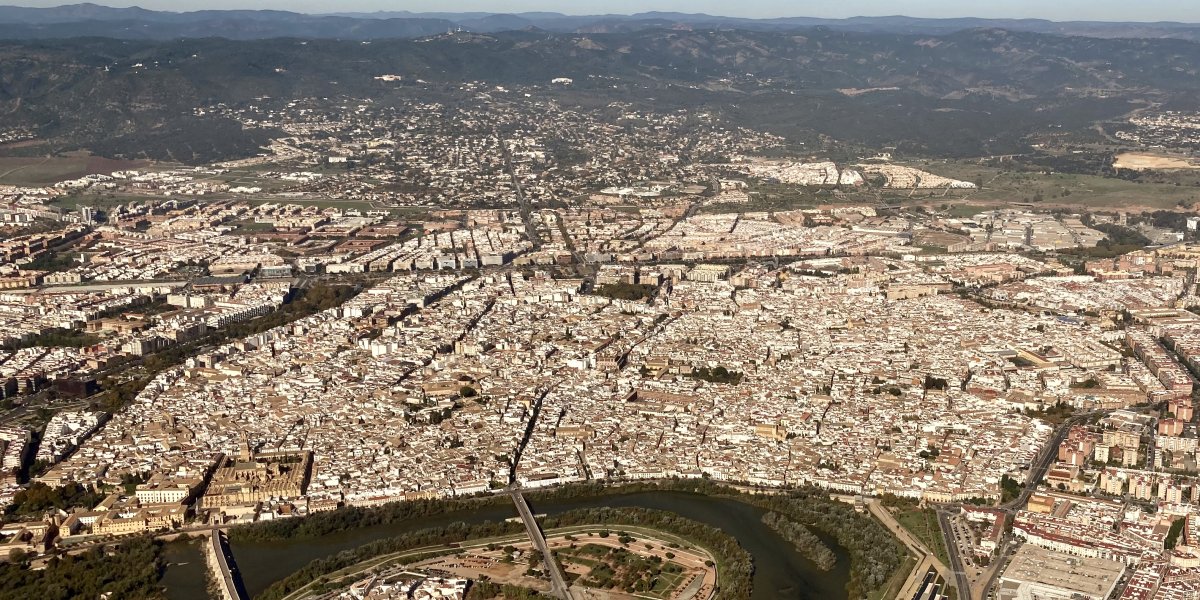
City Guide
Cordoba
España · Best time to visit: Mar-May, Sep-Nov.
Day-by-day plan
Choose your pace
Duración del viaje
08:30
Landmark
Begin at the south bank of the Guadalquivir where the sixteen-arch Roman Bridge stretches 250 meters toward the Mezquita — in the low morning sun the honey-colored stone glows and the cathedral bell tower casts a perfect reflection on the still water. Pause at the midpoint for the definitive Cordoba photograph: the Mezquita silhouette framed by the river with the Sierra Morena foothills rising behind.
Tip: Face north at the bridge's midpoint between 08:30–09:00 — the sun is directly behind you, lighting the Mezquita facade without glare. Skip the Calahorra Tower at the south end; the modest exhibits inside aren't worth your limited time.
Open in Google Maps →10:00
Religious
Walk north off the bridge and through the Puerta del Puente — the Mezquita's south wall is directly ahead, a 2-minute stroll. Arriving at the 10:00 opening means you'll have the forest of 856 red-and-white double arches nearly to yourself for the first spellbinding fifteen minutes before tour groups flood in. Work your way to the Renaissance cathedral erupting impossibly from the center, then decompress in the Patio de los Naranjos among the orange trees.
Tip: Buy tickets online the night before to skip the ticket window. Enter via the Puerta de las Palmas and turn left immediately — the western aisles are emptiest early. The most photogenic corner is the mihrab in the far southeast, where Byzantine gold mosaics catch the morning light filtering through the eastern lattice.
Open in Google Maps →12:00
Food
Exit the Patio de los Naranjos through the north gate and turn right on Calle Magistral González Francés — Bar Santos is 30 seconds away. This standing-room counter has served one thing supremely well since 1960: a thick wedge of golden tortilla de patatas stuffed into a crusty roll (montadito de tortilla, €3.50), best washed down with a cold Cruzcampo (€2). Eat elbow-to-elbow with local tradesmen on their break and you'll understand why half of Cordoba swears this is the city's best tortilla.
Tip: Stand at the bar counter, not the terrace — it's faster, cheaper, and more fun. Point at the tortilla under the glass dome and you'll be eating in 90 seconds. Budget €6–10 per person.
Open in Google Maps →13:00
Neighborhood
Walk 100 meters north from Bar Santos and duck into Calleja de las Flores, a lane barely three meters wide that dead-ends at a balcony framing the Mezquita bell tower behind cascading geraniums — Cordoba's most photographed view. Then weave westward through the whitewashed labyrinth of the Judería, where every turn reveals a flower-draped courtyard or a silent plaza with a single trickling fountain, passing the facade of the medieval Synagogue on Calle Judíos — one of only three surviving in all of Spain.
Tip: Visit Calleja de las Flores right after lunch when tour groups disperse — between 13:00 and 14:00 you can get a clean shot without twenty selfie sticks in frame. Walk to the very end of the dead-end lane for the bell tower composition that made this street famous.
Open in Google Maps →14:30
Landmark
Continue southwest through the Jewish Quarter's narrowing lanes — a 5-minute walk past jasmine-scented doorways brings you to the Alcázar's entrance on Campo Santo de los Mártires. Head straight for the gardens: terraced reflecting pools lined with clipped hedges, rows of cypress and bitter-orange trees, and long water channels that mirror the fortress towers in the afternoon light. Climb the western rampart for a panoramic view stretching from the garden geometry to the Guadalquivir below.
Tip: Climb the western tower's rampart first while legs are fresh — it gives the best overhead angle of the garden symmetry. Afternoons after 14:00 are notably quieter than mornings. The Alcázar is closed on Mondays.
Open in Google Maps →19:30
Food
Walk north from the Alcázar along the river for two blocks, then cut inland through quiet residential streets where neighbors chat on doorsteps in the evening cool — a 12-minute stroll to Calle Tundidores. Taberna Salinas has poured wine in a former salt warehouse since 1879, and the vine-covered interior patio is where Cordobeses come to eat properly. Order the salmorejo cordobés (€5) — thicker and silkier than any gazpacho, crowned with jamón shavings and hard-boiled egg — then the berenjenas con miel, crispy fried aubergine drizzled with dark honey (€7).
Tip: Arrive at 19:30 sharp — Salinas fills completely by 20:15 and does not take reservations for the patio. Sit in the interior courtyard, not the front bar. Budget €18–28 with wine. Avoid the restaurants ringing the Mezquita plaza: they charge double for half the quality, and tourist-kitchen salmorejo is never the real thing.
Open in Google Maps →Saltar al día
10:00
Religious
Step through the Puerta de las Palmas into a dimly lit forest of 856 columns connected by red-and-white double arches — a building that has held prayers for two faiths across twelve centuries. Walk to the mihrab in the far southeast corner first, where Byzantine gold mosaics glow in near-darkness, then circle back to the Renaissance cathedral erupting from the mosque's heart. This is the single most extraordinary interior in Spain, and it deserves your unhurried attention.
Tip: Arrive at 10:00 sharp when the ticket office opens — by 11:00 the first tour buses unload and the reverent silence vanishes. Head straight to the mihrab before doubling back; you'll have it nearly to yourself for the first 20 minutes.
Open in Google Maps →12:15
Neighborhood
Exit the Mezquita through the Patio de los Naranjos and turn left into a labyrinth of whitewashed alleys barely wide enough for two — a 3-minute walk into what was once medieval Europe's most important Jewish community. Duck into the Synagogue on Calle Judíos, one of only three surviving medieval synagogues in all of Spain, its walls laced with Mudéjar stucco and fading Hebrew inscriptions. Finish at the Calleja de las Flores, a dead-end alley that frames the Mezquita's bell tower behind a cascade of flower pots — the most photographed corner in Córdoba.
Tip: The Synagogue is tiny — spend 10 minutes admiring the women's gallery and the intricate stucco inscriptions above. The Calleja de las Flores photographs best before 13:00 when direct sunlight drops into the narrow alley, illuminating the flowers against the bell tower backdrop.
Open in Google Maps →13:15
Food
Walk one minute south on Calle Tomás Conde to this small Sephardic restaurant tucked into the heart of the Judería, where you eat in a tiled courtyard that feels like someone's private home. Order the salmorejo cordobés (€4.50) — Córdoba's thicker, creamier answer to gazpacho, topped with jamón and hard-boiled egg — followed by berenjenas con miel de caña (fried eggplant drizzled with cane honey, €8). Budget €14–20 per person; no reservation needed at 13:15, but the courtyard tables fill by 14:00.
Tip: Ask for the salmorejo even if it's not on the daily menu — they always have it. Pair it with a cold Montilla-Moriles fino; this is sherry's lesser-known cousin and Córdoba's own wine, and you won't find it this fresh outside Andalucía.
Open in Google Maps →14:30
Landmark
Walk south from the Judería along Calle Averroes — 5 minutes downhill past whitewashed walls — to the fortress where Ferdinand and Isabella plotted the final chapter of the Reconquista and first met Columbus. The interior is modest, but climb the Torre de los Leones for a rooftop panorama of the Mezquita's skyline and the river valley below. Then descend into the terraced gardens: rows of clipped hedges, long reflecting pools, and fountains stretching toward the Guadalquivir — at this hour the afternoon sun sets the water ablaze.
Tip: The gardens are the real attraction — budget at least 45 minutes for them. Closed on Mondays. If visiting in summer, the lower garden paths are shaded by orange trees and noticeably cooler than the upper terrace.
Open in Google Maps →16:15
Landmark
Exit the Alcázar gardens from the south gate and turn left along the riverbank — a 5-minute stroll past the old watermill ruins brings you to the Puente Romano, spanning the Guadalquivir since the 1st century BC. Walk the full 250 meters to the Calahorra Tower at the far end, then turn back: the view of the Mezquita rising above the medieval city wall, framed by the bridge's sixteen arches and bathed in late-afternoon gold, is the defining image of Córdoba.
Tip: The best photograph is from the south bank, 20 meters past the Calahorra Tower, shooting north with the full bridge and Mezquita in frame. Skip the Calahorra Tower museum inside — it's dated and not worth the entry fee. The bridge itself is the experience.
Open in Google Maps →19:30
Food
Walk back across the bridge and north through the old town along Calle Lineros — a 12-minute uphill stroll through quiet residential streets lined with iron-grilled windows. Bodegas Campos has been Córdoba's most storied restaurant since 1908, its rooms lined with oak barrels signed by visiting kings and poets. Order the rabo de toro (oxtail braised until it collapses off the bone, €19) and the flamenquín cordobés (pork loin rolled around jamón and fried golden, €14). Budget €30–42 per person with wine.
Tip: Reserve a table in the central courtyard under the glass roof — the most atmospheric dining spot in Córdoba. Avoid the tapas bars lining Calle del Cardenal Herrero right beside the Mezquita; they charge triple for tourist-grade food and are the city's most reliable disappointment.
Open in Google Maps →10:00
Landmark
Begin Day 2 in the northeast old town at Plaza Don Gome, where twelve private courtyards hide behind a single aristocratic facade. Each patio has a different soul — from the intimate Patio de los Gatos draped in jasmine to the grand Patio de Recepción with its Roman columns and trickling fountain. Walk them in sequence; the progression from intimate to monumental is deliberate, and the final courtyard will make you understand why Córdoba is called the city of patios.
Tip: Buy the 'patios only' ticket (€5) unless you love period furniture — the courtyards are the entire reason to come. Arrive right at 10:00 opening; by 11:30 guided tour groups clog the smaller patios. Closed Mondays.
Open in Google Maps →11:45
Neighborhood
Walk south from Viana through the winding streets of the San Agustín quarter — 10 minutes past crumbling ochre facades and corner shrines — until the alley opens into a vast rectangular plaza ringed by three-storey arcaded buildings. The Plaza de la Corredera is Córdoba's only Castilian-style plaza mayor, once used as a bullring, marketplace, and execution ground. On weekends a flea market fills the cobblestones; on any morning the arcade terraces buzz with locals over café con leche.
Tip: Skip the terrace restaurants inside the square — tourist-priced and forgettable. The real finds are on the side streets off the northeast corner, where locals actually eat. Peek into the Mercado de la Corredera at the south end for local cheese and charcutería if you want picnic supplies.
Open in Google Maps →13:00
Food
Step off the Corredera's northeast corner and walk one minute to this cavernous local taberna on Calle San Francisco — the silversmiths' guild has eaten here since the 19th century, and the vibe hasn't changed. The bar is piled with tapas; order the tortilla de patatas (thick, barely set in the center, €4) and the croquetas de jamón caseras (six for €6, shatteringly crisp outside, molten inside). Budget €12–18 per person — point at whatever looks good behind the glass.
Tip: Sit at the bar counter, not the dining room — service is faster, portions more generous, and you can watch each tapa being plated. Order a caña (small draft beer) to match the pace of the locals around you.
Open in Google Maps →14:15
Religious
Walk northwest from the Corredera through the quiet backstreets of the San Miguel neighborhood — an 8-minute stroll past geranium-draped balconies and shuttered windows — until you reach the hushed Plaza de Capuchinos. In the center stands a crucified Christ surrounded by eight wrought-iron lanterns against the stark white wall of a Capuchin convent. The square is almost always empty, almost always silent — the most unexpectedly moving corner in a city full of showpieces.
Tip: The stark white walls, iron lanterns, and slanted afternoon light create one of Córdoba's most powerful photographs. Sit on the stone bench and let the silence settle — this is the antidote to the morning's busier sights and the reason locals say you haven't truly seen Córdoba until you've stood here alone.
Open in Google Maps →15:15
Landmark
Walk south from Capuchinos for 5 minutes along Calle Conde de Torres Cabrera until eleven reconstructed marble columns from a 1st-century temple rise between apartment blocks — a startling reminder that Córdoba was once Colonia Patricia, capital of Roman Baetica. Continue one block south to Plaza de las Tendillas, the beating heart of modern Córdoba, where the clock tower chimes each hour with guitar music instead of bells. Order a tinto de verano at a terrace table and let the city's unhurried rhythms wash over you.
Tip: The Roman Temple columns are most dramatic when illuminated at night, but seeing them in daylight — flanked by laundry lines and parked scooters — has an honest charm the postcard version lacks. At Tendillas, listen for the guitar chime on the hour; most visitors walk through without ever noticing it.
Open in Google Maps →19:30
Food
Walk east from Tendillas along Calle Claudio Marcelo and turn right onto Calle Tundidores — a 5-minute downhill stroll past old merchant houses. Taberna Salinas has poured Montilla-Moriles wine under grapevine-strung ceilings since 1879, its walls papered with yellowed bullfighting posters and faded photographs. Order the mazamorra (a cold almond-and-garlic soup that predates gazpacho, €7) and alcachofas a la montillana (artichokes braised in Montilla wine, €12). Budget €25–35 per person for a farewell dinner worthy of the trip.
Tip: The courtyard tables fill by 21:00 on weekends — arriving at 19:30 guarantees the best seat. Avoid the restaurants lining Calle de la Feria just north of here; they target tour groups with overpriced menus and aggressive touts. Your last Córdoba meal should be here, in a room that hasn't changed in over a century.
Open in Google Maps →
Trip builder
Plan this trip around Cordoba
Turn this guide into a bookable rail itinerary with FlipEarth.
Keep exploring
Related cities
More in the same country
FAQ
Frequently asked questions
How many days do you need in Cordoba?
Most travelers enjoy Cordoba in 1 days, with enough time for headline sights and a slower meal or museum stop.
What's the best time to visit Cordoba?
The easiest season for most travelers is Mar-May, Sep-Nov, especially if you want good weather and manageable crowds.
What's the daily budget for Cordoba?
A practical starting point is about €65 per person per day before hotels, then adjust based on museums, dining, and transport.
What are the must-see attractions in Cordoba?
A good first shortlist for Cordoba includes Roman Bridge, Alcazar de los Reyes Cristianos.