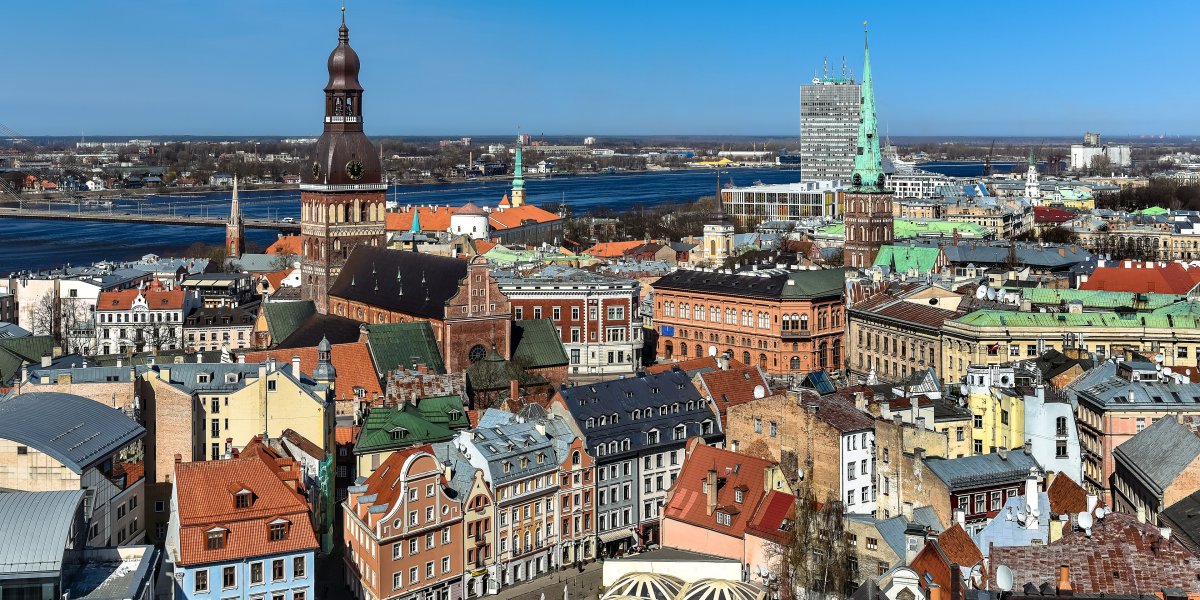
City Guide
Riga
Lettonie · Best time to visit: May-Sep.
Day-by-day plan
Choose your pace
Durée du voyage
09:00
Neighborhood
Alberta iela is the beating heart of the densest Art Nouveau quarter in Europe — over 800 buildings in the style fan out around this one block, but Alberta is the peak. Walk it slowly from south to north: every façade is a stone opera, and Mikhail Eisenstein's buildings at numbers 2, 2a, 4, 6, and 13 are the movement at full volume — sphinxes, screaming masks, peacocks, and hollow-eyed women staring down five stories up. At 9:00 the morning sun hits the eastern façades at exactly the angle that carves every ornament into relief; by 10:30 the first tour buses arrive and the street is unshootable.
Tip: For Eisenstein's masterpiece at Alberta iela 13, shoot from the corner of Strēlnieku iela — you'll fit the whole façade in one frame and avoid the parked cars lining the street. Don't try to step back into traffic in the middle of the block like everyone else does; the sidewalk opposite is just deep enough if you crouch slightly.
Open in Google Maps →11:00
Landmark
Leave Alberta iela south through leafy Vērmanes Park, pass the Freedom Monument (Latvia's national shrine — the three stars represent the country's three historic regions), enter Old Town through the 17th-century wooden Swedish Gate, and stop at the Three Brothers on Mazā Pils iela — the oldest surviving stone houses in Riga, three joined façades from the 15th, 17th, and 18th centuries wedged shoulder to shoulder like a family portrait — before continuing south through cobbled Dome Square to Town Hall Square, about a 25-minute walk with stops. The House of the Blackheads anchors the square: a 14th-century guild house for unmarried German merchants, demolished by the Soviets in 1948 and rebuilt stone by stone in 1999 from original drawings. Its stepped red-brick gable, dripping with gilded statues of Neptune, Mercury, and St. Maurice, is the most photographed façade in Latvia.
Tip: For the postcard shot, stand with your back to Riflemen Square (Latviešu strēlnieku laukums) — you'll catch the whole gabled façade against clear sky, with the dark granite Soviet-era Riflemen statue safely out of frame behind you. The hand-carved saints on the main portal are the originals recovered from storage; zoom in on them rather than buying the painted reproductions in the souvenir shops across the square.
Open in Google Maps →12:30
Food
Walk three minutes north from Town Hall Square along Kungu iela to Kaļķu iela 7 — you can't miss the red sign. Pelmeņi XL is a Soviet-holdover cafeteria serving boiled and fried Latvian dumplings by weight: grab a plate, scoop what you want from the steam trays, pay at the scales, sit at a communal wooden table with office workers and tram drivers on their lunch break. Order 300g of the meat-and-mushroom pelmeņi (€4), a bowl of cold beet soup (aukstā zupa, €3), and a glass of rye kvass (€2) — the most Riga you can eat for under ten euros.
Tip: Arrive before 12:45 — after 13:00 the queue snakes out the door and moves slowly because every plate is weighed individually. Grab a ladleful of sour cream (krējums) from the self-serve fridge and a spoon of the chili-garlic oil from the condiment counter; both are free and transform the dumplings from filling to memorable.
Open in Google Maps →13:30
Religious
Walk three minutes east from Pelmeņi XL through Skārņu iela — the narrow medieval lane dog-legs and suddenly the 123-meter Gothic spire looms overhead. St. Peter's has been Riga's skyline for 800 years; its copper-clad spire has crashed and been rebuilt three times (once by lightning in 1721, once by Soviet artillery in 1941), and each date is cut into a small plaque at the base. At 13:30 the afternoon sun backlights the spire from the south and turns the copper rooster weathervane at the top into a glowing silhouette.
Tip: Circle around to the back of the church on Skārņu iela to find the Bremen Town Musicians — a small bronze statue of the donkey, dog, cat, and rooster gifted to Riga by its German sister city Bremen. Rub the donkey's nose (it's polished smooth) for a wish; locals swear by it and tourists walk past without seeing it.
Open in Google Maps →14:45
Shopping
Walk seven minutes south from St. Peter's down Vecpilsētas iela, cross the tram tracks at 13.Janvāra iela, and five converted Zeppelin hangars rise before you — steel-ribbed cathedrals built in 1924 from salvaged WWI German airship frames, now the largest open-air market in the Baltics. Each hangar is its own world: meat, dairy, fish, produce, bread. Walk them in that order and eat as you go — smoked sprats on rye (€2), rupjmaize dark bread with linden honey (€1.50), a bacon pirags (€1), and cottage cheese with dill (€2) — you'll piece together the best meal of the day from counters run by the grandmothers whose grandparents stocked these same stalls.
Tip: The outdoor stalls on the market's east edge sell wild forest berries by the kilo from July to September — a kilo of wild blueberries is €5, a fraction of Western European prices, and no supermarket berry will ever taste the same again. Inside the fish hangar, look for vacuum-sealed tins labeled 'Rīgas kūpinātās šprotes' (Riga smoked sprats in oil) — they go through airport customs with no issue and are the easiest authentic Latvian souvenir.
Open in Google Maps →18:00
Food
Walk five minutes northwest from the Central Market through the narrow lanes of southern Old Town — Audēju iela, then left on Peldu iela, and the entrance is a heavy wooden door at street level that opens onto a deep vaulted stone cellar at number 19. Folkklubs Ala is the Latvian underground in both senses: a medieval beer cellar with 25 taps of Latvian craft beer, live folk music every night, and heavy Baltic comfort food served on wooden boards. Order the grey peas with bacon (pelēkie zirņi ar speķi, €8) — the national dish, salty and smoky — and the slow-roasted pork knuckle (cūkas stilbs, €14) that falls off the bone with horseradish and black-bread sauerkraut.
Tip: Book a table online for 19:00 at least a day ahead and ask for a seat in the main vault near the small stage — the folk band (typically kokle zither and accordion) starts at 20:00 and takes requests. Tourist trap warning for the whole area: never eat on Kaļķu iela, Šķūņu iela, or directly on Town Hall Square — those menus in five languages with pictures of every dish mean microwaved pelmeņi at triple price; any restaurant worth your money is at least one street off the main tourist spine, which is exactly why this cellar is hidden on a side lane.
Open in Google Maps →Aller au jour
09:00
Landmark
Begin at Town Hall Square as the morning sun lifts over the red brick of this flamboyant Dutch-Renaissance guildhall, rebuilt stone-for-stone after WWII. Step inside to see the restored silver collection and the portraits of Swedish kings in the Celebration Hall. At this hour the square is empty except for sparrows and the Roland statue — the light hits the façade perfectly from the southeast.
Tip: Buy the combined ticket with St. Peter's Church at the counter (saves ~20%). Shoot the façade from the Roland statue corner before 09:30 — after that, every tour group in Riga stands exactly there.
Open in Google Maps →10:45
Religious
Walk east one block along Kaļķu iela — 4 minutes — and the 123-metre spire rises ahead. Enter the Gothic nave, then take the elevator (not the stairs — this tower was rebuilt in the 1970s) to the upper viewing gallery at 72 m. You get the single best overview of the Old Town: red tile roofs packed like puzzle pieces, the Daugava River curling to the left, and the Art Nouveau district to the north where you're headed tomorrow.
Tip: Do the tower BEFORE lunch — by 13:00 the elevator queue stretches thirty minutes. Walk the gallery clockwise starting on the south side so the sun stays behind you for every photo.
Open in Google Maps →12:30
Food
Duck downhill on Peldu iela for 3 minutes to a brick cellar doorway with no sign — you'll hear folk fiddle before you see it. This is where Rigans eat when they want their own food: grey peas with bacon (pelēkie zirņi, €7.50) and pork rib with sauerkraut (€11) washed down with Valmiermuiža unfiltered beer (€4.50). The vaulted rooms stretch further back than seems possible.
Tip: Arrive at 12:15 to grab a table in the back vault — the front rooms turn rowdy by 13:00. Skip the menu's 'tourist platter' and order the grey peas à la carte; it's the only Latvian dish outsiders rarely try and the one locals eat every week.
Open in Google Maps →14:30
Landmark
Walk 8 minutes north through the cobbled lanes of Mazā Pils iela — you'll pass the Swedish Gate and the last surviving stretch of the 13th-century city wall on the way. The three houses at numbers 17, 19 and 21 are the oldest stone dwellings in Latvia (the white one dates to around 1490). The stepped Dutch gable of the middle one is pure Hanseatic storybook.
Tip: Step into the courtyard of the middle brother (free Museum of Architecture) — from there you see the back kitchens and original beams most people miss. Best photograph from the opposite pavement at a slight diagonal, never head-on.
Open in Google Maps →16:00
Religious
Walk 3 minutes south along Mazā Pils iela into the wide expanse of Dome Square. The cathedral's 13th-century brick hulk anchors the square; inside, the late-afternoon sun filters through the stained glass onto the 6,768-pipe organ — one of the largest mechanical organs in Europe. Time your visit for the 17:00 short organ recital (Tue, Wed, Fri, Sat) — 20 minutes of Bach inside walls eight centuries old.
Tip: Sit in the left-hand pews roughly halfway down the nave — the organ acoustics focus there. The cathedral is closed to tourists during Sunday morning services until 12:00.
Open in Google Maps →19:00
Food
Retrace 6 minutes south-east to the quiet square behind St. Peter's — in summer the terrace under the lime trees looks straight at the spire you climbed this morning. The kitchen is modern Latvian with serious bones: smoked pike-perch with dill sauce (€19), slow-cooked lamb with juniper (€26), and a beet tartare (€12) that everyone hesitates over and then orders twice.
Tip: Reserve a terrace table 24 hours ahead by email — walk-ins get the interior. Avoid the tourist-trap restaurants on Rātslaukums and Līvu laukums: identical menus in four languages, €8 beers, and any place with a host outside waving a laminated menu is one to walk past.
Open in Google Maps →09:00
Shopping
Five huge Zeppelin hangars, brought overland from the German airship base at Vaiņode in 1930 and re-erected as a market hall — it's a UNESCO-listed piece of industrial poetry. Go at opening: the fish pavilion is still slick with ice, the dairy ladies are stacking 40 kinds of cottage cheese, and the rye-bread hangar smells like a bakery cathedral. Buy a wedge of Latvian smoked cheese, a loaf of saldskābmaize, and a jar of sea-buckthorn jam (€3) to take home.
Tip: Enter via the vegetable hangar on the north side, not the main Nēģu iela entrance — you bypass the pickpocket funnel and arrive first at the smoked-fish counters. Ask for 'siļķe ar biezpienu' (herring with cottage cheese, €2.50) at the stall by the back wall of the fish hangar.
Open in Google Maps →11:00
Museum
Walk 25 minutes north through Bastejkalns Park — you'll pass the Freedom Monument and the canal swans — up Elizabetes iela into the Art Nouveau quarter. This apartment at Alberta iela 12 was the home of architect Konstantīns Pēkšēns; it has been restored exactly as it looked in 1903, down to the green tiled stove, the silver tea service, and the spiral staircase painted with peacocks. It's the only place in the city you actually walk inside an Art Nouveau interior.
Tip: Climb the spiral staircase SLOWLY from the bottom — each turn reveals a new painted panel, and the top light well is the most photographed ceiling in Riga. Arrive by 11:00 sharp; after 12:30 cruise-ship groups fill the narrow corridors and photography becomes impossible.
Open in Google Maps →13:00
Food
Walk 8 minutes east along Strēlnieku and Skolas — a single block of 1904 façades dripping with stone caryatids and lion heads. The café sits in the courtyard of a faded mansion, half-bohemian, half-grandmother's-garden, where Riga's art students and journalists actually eat. Get the kotletes (pork patties with dill potatoes, €9), the beet-and-goat-cheese salad (€8.50), and a glass of homemade kvass (€3).
Tip: Order at the counter inside, then take the tray to the garden — table service is slower than glacial. The daily-special blackboard (written in Latvian only) is always €2-3 cheaper and better than the printed menu.
Open in Google Maps →14:30
Neighborhood
Double back west 6 minutes to the top of Alberta iela and walk the full length slowly. Six of these buildings are by Mikhail Eisenstein (father of the filmmaker Sergei), and together they form the most intense concentration of Art Nouveau on one street anywhere in Europe. Afternoon light at this hour hits numbers 2a, 4 and 13 full-on — the screaming stone masks on number 10b look alive only between 15:00 and 16:00 when the shadows deepen.
Tip: Stand in the middle of the street at Alberta iela 2a and look UP — 90% of visitors photograph at eye level and miss the entire top third of every façade, which is where all the drama is. Then cross one block south to Elizabetes iela 10b for the single most photographed building in the country.
Open in Google Maps →16:30
Museum
Walk 10 minutes south through the Esplanade Park to the grand Baroque-revival palace at the corner. The building itself — sweeping marble staircase, glass-domed skylight — is worth the entrance alone. Inside, head straight to the third floor for Jānis Rozentāls and Vilhelms Purvītis: pine forests, winter rivers, and peasant weddings that let you understand what Latvians mean when they say 'our landscape.' Skip the ground-floor contemporary wing unless you have extra time.
Tip: The rooftop terrace (free with ticket, open until 19:00 in summer) gives a panorama over the Art Nouveau rooftops you just walked. Take the lift up, not the stairs — most visitors never find it.
Open in Google Maps →19:00
Food
Walk 8 minutes north-east along Tērbatas iela to the farm-to-table dining room that Riga's food writers quietly agree is the best in the Art Nouveau quarter. Everything comes from named Latvian farms: grilled zander from the Gauja (€22), slow-braised venison with lingonberry (€28), and a hot smoked salmon starter (€13) that arrives still smoking under a glass cloche. The wine list leans heavily on Baltic craft cider and Latvian-made birch sap cocktails.
Tip: Reserve online — the six window tables book out three days ahead on weekends. Beware: taxis hailed on the street around Alberta iela routinely 'lose' the meter and charge €15 for a €4 ride — use Bolt (the Latvian app) for everything, never flag a cab, and never, ever take one from the rank outside the Hotel Latvija.
Open in Google Maps →
Trip builder
Plan this trip around Riga
Turn this guide into a bookable rail itinerary with FlipEarth.
Keep exploring
Related cities
More in the same country
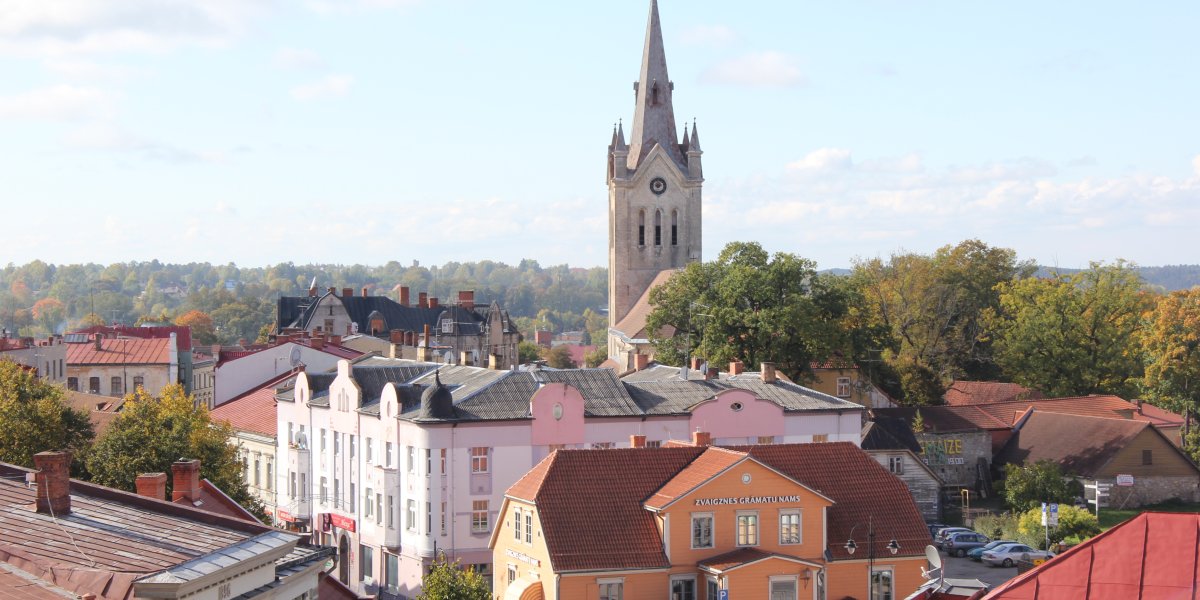
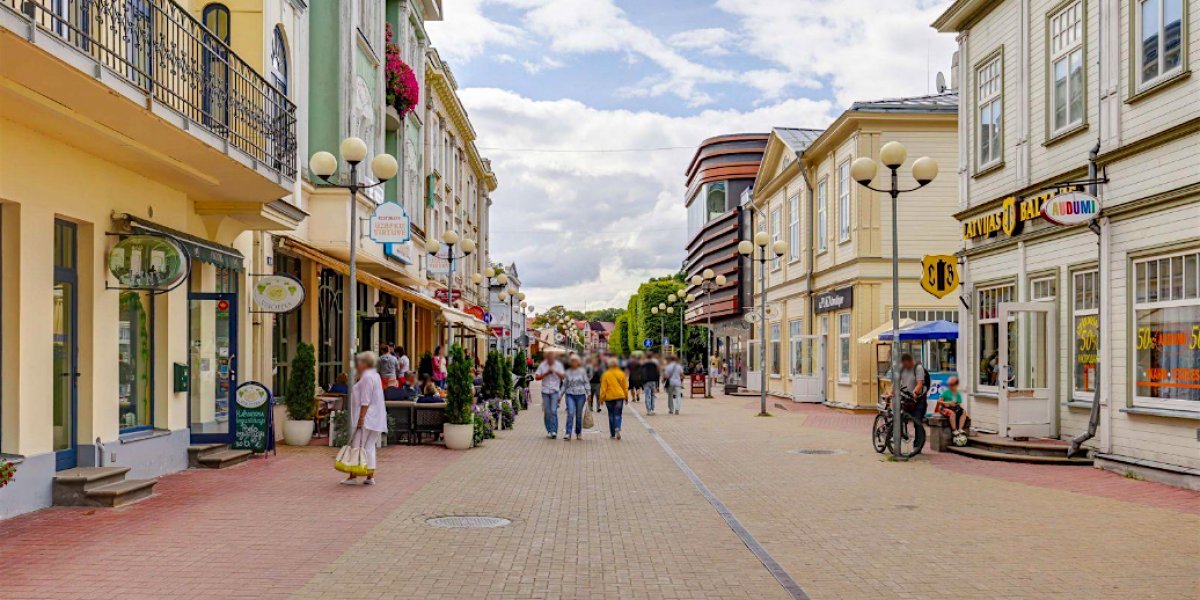
FAQ
Frequently asked questions
How many days do you need in Riga?
Most travelers enjoy Riga in 1 days, with enough time for headline sights and a slower meal or museum stop.
What's the best time to visit Riga?
The easiest season for most travelers is May-Sep, especially if you want good weather and manageable crowds.
What's the daily budget for Riga?
A practical starting point is about €70 per person per day before hotels, then adjust based on museums, dining, and transport.
What are the must-see attractions in Riga?
A good first shortlist for Riga includes House of the Blackheads.