City Guide
Prague
Czech Republic · Best time to visit: Apr-Jun, Sep-Oct.
Day-by-day plan
Choose your pace
Durée du voyage
09:00
Landmark
Begin at the heart of Prague where the Gothic twin spires of the Church of Our Lady before Týn rise like dark flames above pastel Baroque façades — this is the single most recognizable image of the city. Catch the Astronomical Clock's hourly apostle procession right at 09:00, then circle the square past the Jan Hus Memorial while it is still calm and unhurried. Morning light from the east illuminates the clock tower's golden details and the Týn Church's blackened spires, and at this hour you will have clear sightlines before tour bus crowds flood in after 10.
Tip: Stand at the southeast corner of the square facing northwest to frame both Týn Church spires and the Astronomical Clock tower in one shot — this is the definitive Prague photo. Skip the clock tower climb; the queue exceeds 45 minutes by 10 AM and the Strahov panorama later today is incomparably better.
Open in Google Maps →10:45
Landmark
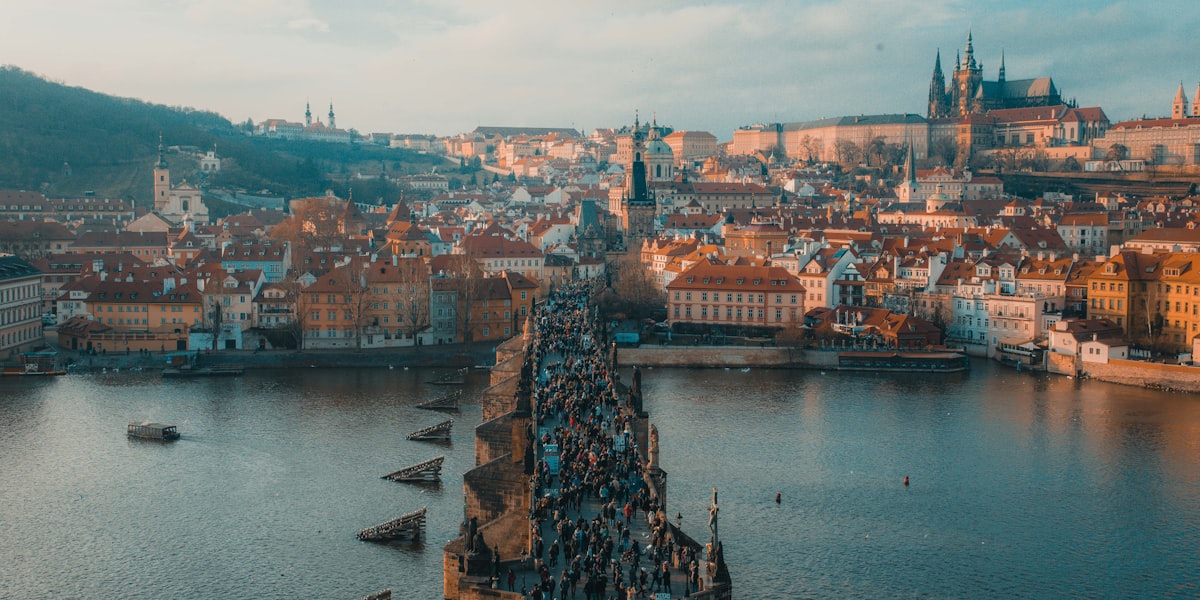
Walk southwest from the square through Karlova — a narrow medieval lane curving between Baroque buildings — for 8 minutes until the Old Town Bridge Tower appears ahead. Cross the 650-year-old bridge on foot, flanked by 30 saint statues with Prague Castle growing larger with every step; touch the bronze plaque beneath the St. John of Nepomuk statue (fifth from the left on the south side, polished gold by a million hands) — legend says it guarantees your return to Prague. Mid-morning sun is behind you as you walk west, lighting up the castle ahead for flawless photos with no glare.
Tip: Three-quarters across the bridge, turn around for the best shot: the Old Town Bridge Tower framing the skyline behind you with soft backlight. By noon this bridge is shoulder-to-shoulder; at 10:45 you still have breathing room between the portrait painters and jazz musicians.
Open in Google Maps →12:00
Food
Step off the bridge into Malá Strana and turn right onto Míšeňská — a quiet lane where laundry still hangs from upper windows — just 3 minutes to this beloved Czech pub. Order the svíčková na smetaně (beef sirloin in cream sauce with bread dumplings, 205 CZK / ~€8) and a half-litre of unpasteurized tank Pilsner Urquell pumped from copper vats in the basement (59 CZK / ~€2.40) — this is the freshest Pilsner in Prague and the difference from a bottle is night and day.
Tip: Arrive right at noon to beat the 12:30 local office crowd. No reservation needed for lunch — grab a seat in the back room for faster service. Budget 280–380 CZK (€11–15) per person. The fried cheese is tempting but takes longer; the svíčková arrives in minutes and you need that energy for the castle climb ahead.
Open in Google Maps →13:00
Landmark
From the restaurant, walk 2 minutes south to Malostranské náměstí, then turn right up Nerudova Street — a steep cobblestone climb past centuries-old house signs (the Three Fiddles at No. 12, the Two Suns at No. 47 where writer Jan Neruda lived) that is the most photogenic street in Prague. The 15-minute ascent earns you the dramatic reveal: St. Vitus Cathedral emerging impossibly tall through the Third Courtyard archway, a moment that genuinely stops people mid-stride. Circle the cathedral exterior to see the 14th-century Golden Gate mosaic on the south side, then walk the ramparts for red-rooftop views over Malá Strana.
Tip: Enter through the main western Hradčany gate, not the Old Castle Steps — fewer crowds and it gives you the cathedral reveal through the courtyard. The castle grounds and all exteriors are completely free; do not buy an interior ticket on a power walk. Early afternoon sun lights the western façade and warms the courtyard stone to honey gold.
Open in Google Maps →15:00
Religious
Exit the castle through the western gate and walk straight along Pohořelec — a wide, quiet square that feels like a different city from the tourist crush below — then 5 minutes to the monastery terrace. The viewpoint behind Strahov offers arguably the single greatest panorama in Prague: every bridge, every spire, the entire Old Town skyline laid out in cinematic widescreen while mid-afternoon light turns the Vltava into a ribbon of amber. This is where Prague photographers come for portfolio shots, and where you will understand why they call it the City of a Hundred Spires.
Tip: Walk past the monastery's main entrance to the terrace at the very back facing east — most visitors stop at the front courtyard and miss the panorama entirely. Use the low stone wall as a leading line with the city behind for a cinematic composition. The Strahov Monastic Brewery next door pours superb unfiltered amber lager (89 CZK / ~€3.60) — reward yourself, but save your appetite for dinner.
Open in Google Maps →19:00
Food
Walk downhill from Strahov through the orchards of Petřín Park — a gentle 20-minute descent through cherry trees and winding garden paths — emerging onto Újezd at the foot of Malá Strana, then 5 minutes east along Nebovidská to this candlelit cellar. Tucked into a 17th-century vaulted basement, The Blue Duckling is Prague's definitive duck restaurant: order the signature roasted duck leg with Bohemian bread dumplings, braised red cabbage, and silky pan jus (495 CZK / ~€20) paired with a glass of Moravian Grüner Veltliner (135 CZK / ~€5.40).
Tip: Reserve at least one day ahead — only 30 seats across two underground rooms and it fills nightly. Request the lower cellar for the most atmospheric experience. Budget 700–950 CZK (€28–38) per person. One final warning for the day: avoid the restaurants lining Karlova street and the Old Town Square perimeter — they charge triple for tourist-grade food with laminated photo menus. If anyone on a bridge or square hands you a flyer for a dinner cruise or free pub crawl, keep walking.
Open in Google Maps →Aller au jour
09:00
Landmark
Most hotels in Prague 1 are within a 10-minute walk of Old Town Square — head to the tower entrance on the left side of the Town Hall's ground floor. The medieval Astronomical Clock performs its apostle procession at the top of each hour, but the real prize is the tower itself: take the elevator to the viewing gallery for a 360-degree panorama of terracotta rooftops, Gothic spires, and the twin black-gold towers of Týn Church piercing the sky. At 9 AM you share the platform with a handful of early risers; by 11 it is standing room only and the magic is replaced by elbows.
Tip: Skip the hourly clock show at street level — the apostle figures are tiny and the crowd crushes you against the barriers. Instead, watch it from the tower gallery above, where you look down at the mechanism with nobody blocking your view. The tower opens at 9:00 Tuesday through Sunday, but 11:00 on Mondays — if your Day 1 is a Monday, swap activities 1 and 2.
Open in Google Maps →10:30
Museum
Exit the tower and walk north along Pařížská — Prague's most elegant boulevard, flanked by Art Nouveau facades and ironwork balconies — for 5 minutes until you reach the Jewish Museum complex. The Old Jewish Cemetery is unlike anything you have seen: 12,000 tombstones heaving out of the earth at impossible angles, layered 12 bodies deep across six centuries because the community was never permitted to expand the grounds. Pair it with the Spanish Synagogue, whose Moorish-Revival interior of gold arabesques and geometric mosaics is the most beautiful room in Prague. Buy the combined Route 1 ticket at the Pinkas Synagogue entrance.
Tip: Enter through the Pinkas Synagogue on U Staré školy street — most tourists queue at the Information Centre on Maiselova, but this quieter entrance puts you on a route that ends at the Spanish Synagogue, the emotional climax. The entire complex is closed every Saturday and on Jewish holidays. Allow the cemetery to slow you down — rushing through it misses the point entirely.
Open in Google Maps →12:00
Food
Exit the Spanish Synagogue, turn right on Široká, then left onto Dlouhá — a 3-minute walk past colorful Renaissance house signs. The Pilsner Urquell here arrives in tanks direct from the brewery, not kegs — this is the freshest draft in Prague. Order the svíčková na smetaně (beef sirloin in cream sauce with bread dumplings, 195 CZK/€8), the Czech national dish done properly, alongside a half-liter of tank Pilsner (59 CZK/€2.50). This is where Prague office workers eat lunch — the menu is only in Czech, which tells you everything.
Tip: Arrive right at noon — by 12:20 every table is taken and the wait hits 20 minutes. Sit in the back room: it is quieter, the servers are faster, and the barrel-vaulted ceiling photographs beautifully. No reservations needed for lunch, but do not attempt a walk-in after 12:30 on weekdays.
Open in Google Maps →13:30
Museum
Walk south from Dlouhá through Old Town Square — pause to look up at the Týn Church's spires framed against the sky — and continue along the narrow Karlova street for 8 minutes until you reach the Klementinum entrance on Křižovnické náměstí. This former Jesuit college hides Prague's most photographed interior: the Baroque Library Hall, a gilded tunnel of frescoed ceilings, leather-bound volumes, and antique globes that glows in early-afternoon light pouring through its tall windows. The 50-minute guided tour also climbs the Astronomical Tower for a rooftop panorama with Charles Bridge filling the foreground.
Tip: Tours run every 30 minutes but are capped at 20 people — tickets are sold at the door only, no online booking. The 13:30 slot is the sweet spot: morning tour groups have moved on and the light in the library hall is at its warmest. Photography is allowed without flash; a phone in portrait mode captures the depth of the hall better than a wide-angle lens.
Open in Google Maps →15:00
Landmark
Exit the Klementinum onto Křižovnické náměstí — the Charles Bridge Old Town tower stands directly ahead, a 1-minute walk. Cross slowly: the bridge is not a transit route but an open-air gallery of 30 Baroque statues against the backdrop of Prague Castle rising above the Vltava. In mid-afternoon the sun is behind you as you face west, lighting up the Castle and Malá Strana in warm gold. Touch the bronze relief on the statue of St. John of Nepomuk — the spot is worn mirror-bright by a century of hands — and legend says you will return to Prague.
Tip: Walk on the left (south) side of the bridge heading west — this side catches the sun and perfectly frames the Castle with the Lesser Town Bridge Tower. The right side is backlit and clogged with caricature artists. Stop at the 8th statue group (the crucifix with gold Hebrew lettering) for the single best photo angle of the Castle above the bridge. Cross to the Malá Strana side for the reverse panorama of Old Town's spires, then stroll back at your own pace.
Open in Google Maps →19:00
Food
From the Old Town bridge tower, walk south along the river embankment for 2 minutes, then turn left into the cobblestone lanes — Liliová street appears in 3 minutes, delivering you to the quiet Betlémské náměstí. V Zátiší has been a Prague dining institution for over 30 years, bridging Czech tradition with modern technique. Order the roasted duck leg with braised red cabbage and potato-bread dumplings (445 CZK/€18) or the beef tartare prepared tableside (395 CZK/€16). Ask for a glass of Moravian Pálava — the aromatic white grape unique to Czechia — from 145 CZK/€6.
Tip: Reserve 2-3 days ahead for a window table overlooking the square. Request the main dining room on the right — not the sushi section on the left. End with a Becherovka digestif, the herbal liqueur from Karlovy Vary, €3 a glass. One warning for this area: the restaurants lining Karlova street between here and Charles Bridge are tourist traps — identical menus, triple the price, and trdelník chimney-cake shops on every corner hawking a 'traditional Czech pastry' that no Czech person has ever eaten.
Open in Google Maps →09:00
Landmark
Take Tram 22 from Národní třída to the Pražský hrad stop — 5 stops, 8 minutes — which delivers you to the top of the castle hill and saves a steep 15-minute climb. Enter through the main gate on Hradčanské náměstí, past the ceremonial guards. Arrive at opening: the first hour inside St. Vitus Cathedral is transformative. Morning light pours through the Alfons Mucha stained-glass window — third chapel on the left nave — casting jewel-toned patterns across the stone floor that vanish by midday. Buy the Circuit B ticket (250 CZK/€10), covering the Cathedral, Old Royal Palace, St. George's Basilica, and Golden Lane.
Tip: Enter St. Vitus through the main west door and turn left immediately — most visitors walk straight down the nave and miss the Mucha window entirely. The light strikes it directly between 9:00 and 10:30; after 11:00 the cathedral floods with tour groups and the atmosphere dissolves. Your Circuit B ticket is valid all day, so save Golden Lane for after the main buildings.
Open in Google Maps →11:00
Landmark
Exit St. Vitus Cathedral from the east end, pass the Romanesque facade of St. George's Basilica on your right, and follow signs downhill for 2 minutes — Golden Lane is tucked against the castle's northern rampart. A row of tiny candy-colored houses built into the fortress wall, originally home to castle guards and later to goldsmiths who gave the lane its name. Franz Kafka rented No. 22 during the winter of 1916 and wrote here by candlelight — the house is now a small bookshop selling his works in every language. Upstairs, a hidden corridor displays medieval armor, crossbows, and recreated alchemist workshops.
Tip: Golden Lane is included in your Circuit B ticket. The lane is free and open before 9:00 and after 17:00, but all house interiors are closed at those hours — the 11:00 visit gives full access with thinner crowds than the 9 AM wave. Photograph the row from the far east end looking back: the compressed perspective of colored facades is the defining shot.
Open in Google Maps →12:00
Food
From Golden Lane, descend the Old Castle Steps — a steep cobblestone stairway flanked by ivy-covered walls and gas lanterns — which drops you into Malá Strana in 8 minutes. At the bottom turn left toward the river; Cihelna is the red-brick building right on the waterfront beneath Charles Bridge. This converted warehouse sits on the Vltava with an unobstructed view of the bridge arches and Old Town skyline. Order the warm Prague ham on a wooden board with horseradish cream and pickles (245 CZK/€10) followed by the Czech beef burger with Olomouc cheese (345 CZK/€14). Claim a terrace table — swans drift past the bridge pilings just meters away.
Tip: Ask for the lower riverside terrace, not the upper level — same menu, vastly better view. If it is full, inside tables by the floor-to-ceiling windows have an identical sightline. Skip the pasta and international dishes; this kitchen shines with Czech-rooted plates. No reservation needed before 12:30, but after 13:00 on weekends the wait reaches 30 minutes.
Open in Google Maps →13:30
Landmark
Exit Cihelna and walk south along the river through Na Kampě — a serene cobblestone square shaded by ancient plane trees — for 4 minutes. Cut through Kampa Park, passing David Černý's giant bronze baby sculptures crawling across the grass, then cross the small footbridge to Velkopřevorské náměstí. The Lennon Wall faces you: what began as Cold War protest graffiti — Beatles lyrics and anti-regime slogans — has become Prague's most colorful ever-changing mural, repainted and layered by visitors daily. The wall faces east, so early afternoon gives even, shadow-free light for photos. Loop back through the park along the Čertovka canal, where medieval waterwheels still turn beneath weeping willows.
Tip: Bring a marker or buy one from the vendors for 20 CZK — adding your own line is part of the ritual. The richest photo is from the far-right corner where decades of paint layers create an almost geological texture. After the wall, walk to the south tip of Kampa Park for the shot most visitors miss: the old mill wheel framed by willows with Charles Bridge arching behind it — one of Prague's most beautiful hidden compositions.
Open in Google Maps →15:00
Park
From Kampa walk west along Říční toward Újezd street — 6 minutes — where the Petřín funicular station sits at the base of the hill. The funicular climbs through orchards that bloom white in April and glow amber in October; your regular transit ticket is valid. At the summit, the 63-meter Petřín Lookout Tower — a miniature Eiffel Tower built for the 1891 Jubilee Exhibition — delivers the single best panorama in Prague: the entire city spread below from the Castle to the Žižkov TV Tower, the Vltava curving through the center like a silver ribbon. Climb the 299 steps — there is no elevator — and on a clear day the Bohemian hills line the horizon.
Tip: The tower faces southeast, so the city is front-lit all afternoon — arrive by 15:00 for the clearest, warmest light before it starts to haze. If visiting in April or May, detour 3 minutes north to the Petřín rose garden with more than 12,000 bushes and a hidden terrace overlooking the city. Skip the mirror maze beside the tower — a 5-minute novelty behind a 20-minute queue, designed for children.
Open in Google Maps →19:00
Food
Take the funicular back down to Újezd and turn right — a 2-minute walk south along Vítězná street brings you to Café Savoy's grand Neo-Renaissance facade on the left. Under a soaring ceiling painstakingly restored to its 1893 splendor, this is Malá Strana's finest traditional kitchen. Order the roasted duck with braised red cabbage and potato-bread dumplings (425 CZK/€17) or the wiener schnitzel pounded thin with warm potato salad (395 CZK/€16). Finish with the homemade medovník — layers of honey sponge and cream that will be the taste you remember Prague by (165 CZK/€7). Moravian wines by the glass from 95 CZK/€4.
Tip: Reserve for 19:00 — by 19:30 the dining room fills completely and walk-ins wait 30-40 minutes. Request a table directly under the main dome to appreciate the restored ceiling. This is your farewell meal: close it with a Becherovka on the rocks. Departure warning: if you need a quick bite before your train tomorrow, avoid the restaurants on Mostecká street between Charles Bridge and Malostranské náměstí — they are tourist traps with identical menus at double the local price. Instead, grab a párek v rohlíku from any corner potraviny for 30 CZK.
Open in Google Maps →Aller au jour
09:00
Landmark
Arrive at the northwest corner of the square before 9:00 — from this angle you see the twin Gothic spires of the Church of Our Lady before Týn framing the pastel facades, with almost nobody in your shot. At the top of the hour, the Astronomical Clock's twelve apostles begin their procession; stand close to the clock face rather than backing into the crowd for a clear upward view. After the show, cross to the Jan Hus Memorial at the square's center and look back — the full panorama of medieval and baroque townhouses is the single most photogenic frame in Prague.
Tip: Skip the Astronomical Clock Tower climb — the queue averages 40 minutes and the view is inferior to the Clementinum tower you will visit this afternoon. Instead, explore Týnská ulička, the hidden alley behind Týn Church where you can photograph the spires from below with zero tourists.
Open in Google Maps →10:45
Religious
Walk north from Old Town Square along Pařížská street — Prague's most elegant boulevard lined with luxury boutiques, a jarring contrast to where you are heading. In five minutes you reach the entrance to the Jewish Museum. Start at Pinkas Synagogue, where the walls are inscribed with 77,297 names of Czech Holocaust victims — the silence here is unlike anything else in Prague. Then step into the Old Jewish Cemetery next door, where 12,000 tombstones are layered twelve-deep over six centuries because the community was never allowed to expand its burial ground.
Tip: Buy tickets online at jewishmuseum.cz to skip the ticket queue entirely. The combined ticket covers all Jewish Quarter sites, but focus on Pinkas Synagogue and the Cemetery only — they are the most impactful. Visiting all six sites will exhaust you and dilute the emotional weight. Note: closed on Saturdays and Jewish holidays.
Open in Google Maps →12:30
Food
Exit the Jewish Quarter east along Dlouhá street — a seven-minute walk past independent galleries and coffee shops. Lokál is where Prague office workers come for lunch, and it shows: long communal wooden tables, tank-fresh unpasteurized Pilsner Urquell delivered daily from the brewery, and Czech comfort food done without shortcuts. Order the svíčková na smetaně — marinated beef sirloin in cream sauce with bread dumplings (210 CZK/€8.50). This is the Czech national dish and Lokál does the best version in the Old Town. Pair it with a half-liter of tank Pilsner (55 CZK/€2.20) and you will understand why Czechs say beer is cheaper than water.
Tip: Arrive by 12:15 or expect a 15-minute wait — no reservations for lunch. Sit in the main hall rather than the back room for the full atmosphere. If svíčková is sold out, the beef tartare hand-chopped tableside (195 CZK) is the backup order every local would make.
Open in Google Maps →14:00
Landmark
Walk south from Lokál through the winding Karlova street toward the river — eight minutes through what feels like a medieval corridor. The Clementinum is Prague's hidden masterpiece: a former Jesuit college housing the Baroque Library Hall, a jaw-dropping room of gilded ceiling frescoes, leather-bound tomes, and terrestrial globes that feels lifted from a Wes Anderson film. The guided tour takes you up the Astronomical Tower, where the afternoon light illuminates a rooftop panorama of red roofs, church domes, and the Castle on the far hill — the single best elevated view in Prague.
Tip: Tours depart every 30 minutes with a 20-person limit — buy a timed ticket at the entrance as soon as you arrive, then explore the courtyard while you wait. Photography is allowed in the tower but not in the library hall. After the tour, walk five minutes west to the Vltava embankment for a 30-minute free stroll along the river — the late-afternoon light on the water is the best preview of tomorrow's Charles Bridge crossing.
Open in Google Maps →19:00
Food
From the river embankment, walk northeast along Na Poříčí — fifteen minutes through the quiet edge of the Old Town. Café Imperial is worth the walk for the room alone: floor-to-ceiling Art Deco ceramic mosaics from 1914, painstakingly restored to their original glory. This is not a tourist café — it is a proper dinner restaurant where Prague's creative class comes for modern Czech cooking. Start with the beef tartare prepared tableside (290 CZK/€12), then the roasted duck leg with braised red cabbage and potato dumplings (380 CZK/€15). The portions are generous; skip a starter if you had a full Czech lunch.
Tip: Reserve a table by the window for the best light on the ceramic walls — book via their website at least a day ahead. Avoid the restaurants immediately surrounding Old Town Square, especially those with picture menus and hawkers outside — they charge triple for half the quality. Café Imperial is ten minutes away and a different universe.
Open in Google Maps →08:30
Landmark
Start at the Old Town Bridge Tower on the east bank — at 8:30, the bridge holds maybe a dozen early risers instead of the midday wall of tourists. Walk slowly. The morning sun is behind you, lighting up Prague Castle and St. Nicholas Church on the far hill like a stage set. Stop at the statue of St. John of Nepomuk — eighth on the right, the one with the shiny bronze plaque that legend says grants a wish. The worn brass proves every visitor complies. At the bridge's midpoint, look down at the Vltava: on clear mornings, the river reflects the castle and the bridge towers in a perfect mirror.
Tip: By 10:00 the bridge becomes a slow-moving human conveyor belt — 8:30 is non-negotiable. Walk the full length without headphones; the buskers who play at dawn are the real musicians, not the midday tourist acts. At the Malá Strana end, take the stairs down to Kampa Island for one backward glance at the bridge with the Old Town towers behind it — this is the photo you will frame.
Open in Google Maps →09:30
Landmark
From the west end of Charles Bridge, climb the Old Castle Steps — a steep five-minute ascent through a vine-covered stone stairway that feels like entering a different century. The castle complex opens at 9:00; by 9:30 the first bus groups have not yet arrived. Buy Circuit B: enter St. Vitus Cathedral first and walk straight to the north aisle for the Mucha stained-glass window, where morning light turns the Art Nouveau panels into a kaleidoscope. Cross to the Old Royal Palace to stand in the Vladislav Hall, the largest secular Gothic room in medieval Europe. End at Golden Lane, a row of tiny candy-colored houses built into the castle wall where Franz Kafka once wrote at number 22.
Tip: Buy Circuit B tickets online at hrad.cz — the on-site queue wastes 20-30 minutes. Enter St. Vitus through the main west entrance and head for the Mucha window before the space fills. Golden Lane gets crowded after 11:00 — visit it last on Circuit B around 11:30, when the first wave has already moved on. The castle grounds are free; you only need a ticket for the interiors.
Open in Google Maps →12:30
Food
Walk downhill from the castle through Nerudova street — a fifteen-minute descent past baroque house signs (look for the Three Violins at no. 12 and the Golden Horseshoe at no. 34). At the bottom, turn left past the Church of Our Lady Victorious and continue south to Vítězná street. Café Savoy hides behind an unassuming facade, but inside is a soaring Neo-Renaissance painted ceiling from 1893 and one of the best bakeries in Prague. Order the Savoy eggs Benedict with locally smoked Prague ham (265 CZK/€11) or the croque-monsieur with béchamel and Gruyère (230 CZK/€9.50). Their pastry case is extraordinary — the medovník honey cake (130 CZK/€5.30) is a must.
Tip: Window tables fill by noon on weekends — aim for a weekday or arrive right at 12:30 when the first lunch seating turns over. Their in-house bakery counter sells takeaway pastries for the afternoon. Skip the coffee and order the hot chocolate instead — it is made from real Czech chocolate and is unreasonably good.
Open in Google Maps →14:00
Park
Walk north from Café Savoy along Újezd and through the quiet residential streets of Malá Strana — ten minutes at a gentle pace. The Wallenstein Garden is a hidden baroque jewel that most visitors walk right past. Free-roaming peacocks strut across the manicured lawns beneath a monumental loggia decorated with bronze sculptures by Adriaen de Vries — the originals were looted by the Swedes in 1648; these copies preserve the drama. The sala terrena, a triple-arched grotto wall dripping with artificial stalactites, is one of the strangest and most photogenic walls in Prague. In the afternoon, the garden is bathed in soft westward light perfect for photography.
Tip: The garden is open April through October only, closing at 18:00 (17:00 in shoulder months). Enter from the Letenská street entrance — it is quieter than the Senate side. After the garden, walk south to Kampa Island and the Lennon Wall for your 30-minute free stroll — the wall is kitschy but the island's view of the Charles Bridge watermill wheels at golden hour is genuinely beautiful.
Open in Google Maps →19:00
Food
Walk south from Kampa Island through the narrow lanes of lower Malá Strana — seven minutes to Nebovidská street. The Blue Duckling is exactly the kind of restaurant you cannot find without knowing it exists: a candlelit cellar in a 15th-century building with just twelve tables, serving traditional Bohemian game and poultry. The roasted duck with elderberry sauce and potato pancakes (420 CZK/€17) is the signature — crispy skin, meltingly tender meat, and a sauce that tastes like the Czech countryside. For something bolder, try the wild boar with rosehip sauce and bread dumplings (450 CZK/€18). Order a Pálava from the Moravian wine list — the aromatic Czech grape you cannot get anywhere else in the world.
Tip: Reserve at least two days ahead — there are only twelve tables and the restaurant does not appear on most tourist radars, but locals and embassy staff keep it full. Ask for the vaulted cellar room rather than the ground floor. Avoid the restaurants on Mostecká street, the road leading directly from Charles Bridge — they survive on bridge foot traffic and serve reheated tourist menus at twice the price.
Open in Google Maps →09:00
Landmark
Take the metro (red line C) two stops to Vyšehrad station and follow the signs through the Tábor Gate into the fortress walls. At 9:00, you will have this ancient clifftop stronghold almost to yourself. Start at the southern ramparts for a sweeping panorama of the Vltava bending through Prague — on a clear morning you can see all the way to Prague Castle on the far hill. Walk to the Vyšehrad Cemetery, where Antonín Dvořák and Bedřich Smetana rest among ornate Art Nouveau tombs — this is the Czech Père Lachaise with a fraction of the visitors. End at the Romanesque Rotunda of St. Martin, the oldest standing building in Prague, over 900 years old and small enough to miss if you are not looking.
Tip: The fortress grounds are free; the small fee covers the casemates (underground tunnels) which house original baroque statues rescued from Charles Bridge — worth entering. The Basilica of St. Peter and St. Paul has a stunning Art Nouveau interior that most visitors skip because the exterior looks unremarkable — step inside.
Open in Google Maps →11:00
Neighborhood
Exit Vyšehrad through the north gate and descend to the Vltava riverbank — a five-minute walk brings you to Náplavka, Prague's beloved riverside promenade where locals jog, read, and drink coffee on the stone embankment. Walk north along the water for twenty minutes, passing moored boat-bars and old lock mechanisms, until you reach the Dancing House — Fred Astaire and Ginger Rogers frozen in glass and concrete, designed by Frank Gehry and Vlado Milunić. The building is best photographed from across the street at Jiráskovo náměstí, where you can capture the full undulating silhouette against the river behind it.
Tip: If visiting on a Saturday, the Náplavka Farmers' Market runs from 8:00 to 14:00 along the embankment — it is the best market in Prague for local cheeses, smoked meats, and trdelník done properly. The ice-cream-stuffed chimney cakes sold near Old Town Square are a modern tourist invention, not Czech at all. On weekdays, grab a coffee from one of the moored café boats instead.
Open in Google Maps →12:30
Food
Walk east from the Dancing House along Resslova, then north on Vodičkova — twelve minutes into the heart of New Town. Kantýna is a butcher shop and restaurant in one: a long glass counter displays cuts of dry-aged Czech beef, and you point at what you want. It is the opposite of fussy — communal tables, paper menus, and some of the best meat in Prague. Order the hand-chopped beef tartare served with toast and condiments (220 CZK/€9) as a starter, then the 200g flank steak with chimichurri and roasted vegetables (320 CZK/€13). The lunch crowd is entirely local — office workers from the nearby ministries who know better than to eat near Wenceslas Square.
Tip: No reservations — arrive by 12:15 for a table, or 12:45 when the first wave clears. The daily soup (polévka dne, 65 CZK) changes every day and is always excellent — add it. They also sell take-home cuts and charcuterie if you want to bring a taste of Prague back with you.
Open in Google Maps →14:00
Landmark
Walk north from Kantýna through Wenceslas Square — not merely the neon-signed tourist corridor it first appears, but the site where Czechoslovakia declared independence in 1918 and where hundreds of thousands gathered during the Velvet Revolution in 1989. At the square's top, continue northeast five minutes to Náměstí Republiky. The Municipal House is Prague's Art Nouveau crown jewel. Take the guided interior tour to see Alfons Mucha's Mayor's Hall — every surface painted in his iconic flowing style, with allegories of Czech virtues covering the ceiling and walls. This is Mucha at his most ambitious, and you are standing inside his masterpiece.
Tip: Guided tours in English run roughly every 30 minutes — check the schedule at the ground-floor desk when you arrive. The Kavárna Obecní Dům café on the ground floor has a gorgeous interior but charges tourist prices for mediocre coffee — admire the room and move on. Use the 30 minutes after the tour for a final stroll through the Powder Tower gate and back to Wenceslas Square.
Open in Google Maps →19:00
Food
Walk east from Municipal House through Florenc into Karlín — fifteen minutes through Prague's most quietly transformed neighborhood, once a flood-damaged industrial zone, now the city's best dining district. Eska occupies a converted factory and runs on one philosophy: fermentation. Their sourdough bread, baked in-house and served with cultured butter, is the best bread you will eat in the Czech Republic. Order the fermented beet tartare (180 CZK/€7.30) to start, then the slow-roasted pork shoulder with pickled vegetables and Eska bread (340 CZK/€14). The room is industrial-chic — concrete, wood, open kitchen — and the crowd is young Prague professionals celebrating the fact that Czech cuisine has evolved far beyond dumplings and beer.
Tip: Reserve online at eska.ambi.cz, especially for Friday and Saturday evenings. Ask for a seat near the open kitchen to watch the bakers work the wood-fired oven. A final warning for your trip: if anyone on the street offers a 'special rate' currency exchange, walk away — the legal exchange offices near Wenceslas Square are already competitive, and street hustlers use rigged calculators or swap your euros for worthless old currencies.
Open in Google Maps →Aller au jour
09:00
Landmark
Begin your first Prague morning on the Vltava's most storied crossing. Walk from the Old Town Bridge Tower westward — Prague Castle looms ahead, thirty Baroque saints line the balustrade, and if you arrive at nine the morning light illuminates the Castle facades while the bridge is still blessedly uncrowded. Pause at the statue of St. John of Nepomuk and touch the bronze relief plaque — every Prague local has done this for three hundred years.
Tip: By 10:30 the bridge fills with tour groups and portrait artists — 09:00 is non-negotiable. Stand on the third arch from the Old Town side for the best symmetrical shot of the Castle framed by the bridge's full length. The bridge runs roughly east-west, so morning sun behind you lights the Castle perfectly.
Open in Google Maps →10:15
Landmark
Walk back across Charles Bridge and continue straight along Karlova — a narrow medieval lane that twists for 10 minutes into the heart of the Old Town. The Astronomical Clock performs every hour on the hour; time your arrival for the 11:00 show. Climb the Old Town Hall Tower for a 360-degree panorama of terracotta rooftops and Gothic spires — the twin black steeples of the Church of Our Lady before Týn are best photographed from the northwest corner of the square where they frame the sky perfectly.
Tip: Skip the noon clock show when the square is shoulder-to-shoulder — the 11:00 performance is identical with half the crowd. Buy your tower ticket online to bypass the ground-floor queue. The tower elevator exists but the staircase spiral is part of the experience.
Open in Google Maps →12:00
Food
Walk 7 minutes northeast from Old Town Square along Dlouhá street, one of Prague's liveliest dining strips lined with independent bars and bakeries. This is where Prague office workers come for their daily lunch — the tank Pilsner Urquell here is unpasteurized and pumped fresh each morning, arguably the best pour in the city. Order the svíčková na smetaně (beef sirloin in cream sauce with bread dumplings, 215 CZK / €9) or the řízek (crispy pork schnitzel, 195 CZK / €8). Budget €8–12 per person with beer.
Tip: Arrive at noon sharp — by 12:30 every table is taken by locals on lunch break. Sit downstairs in the vaulted brick cellar for the best atmosphere. Do not eat at any restaurant on Old Town Square itself; prices are triple for half the quality, and several have been caught adding phantom items to tourist bills.
Open in Google Maps →13:30
Museum
Walk 3 minutes west from Lokál into Josefov, Prague's historic Jewish Quarter. The combined ticket covers six sites, but the Old Jewish Cemetery and the Old-New Synagogue are the two that will stay with you — twelve layers of graves stacked over centuries because the community had nowhere else to bury their dead, and Europe's oldest active synagogue, in continuous use since 1270. Let the audio guide narrate the stones; they tell stories no plaque can capture.
Tip: The combined ticket including the Old-New Synagogue (500 CZK) is the only one worth buying. Start at the Maisel Synagogue for historical context, then walk to the Pinkas Synagogue and the Old Jewish Cemetery — visit in this order so the cemetery is the emotional climax. The museum is closed on Saturdays and Jewish holidays; plan accordingly.
Open in Google Maps →19:00
Food
A 3-minute walk from the Jewish Quarter, tucked on quiet U Milosrdných street. Field turns Bohemian farm ingredients into modern art on a plate — chef Radek Kašpárek built this menu around foraging and Czech producers long before farm-to-table was fashionable. The tasting menu (1,490 CZK / €60) is the way to experience it, but à la carte standouts include the duck with fermented plum (420 CZK / €17) and the signature sourdough bread with whipped lard and pickles to start. Budget €40–60 per person with wine.
Tip: Reserve at least 3 days ahead — this is one of Prague's Michelin-recognized restaurants and weekend tables vanish fast. Ask for the courtyard table in warm months. Pair with a Czech natural wine from the Moravia section of the list; the sommelier knows every small producer personally.
Open in Google Maps →09:00
Landmark
Take tram 22 from Národní divadlo up the hill to the Pražský hrad stop — a scenic 15-minute ride through Malá Strana that saves your legs for the castle itself. Enter through the Second Courtyard where the queue is shorter, and walk directly into St. Vitus Cathedral as the morning sun pours through the Mucha stained-glass window on the north aisle. Continue to the Old Royal Palace and its cavernous Vladislav Hall, then end at Golden Lane — a row of tiny candy-colored houses built into the castle wall where Kafka once wrote at No. 22.
Tip: Buy the Circuit B ticket online (250 CZK) — it covers St. Vitus Cathedral, the Old Royal Palace, Golden Lane, and St. George's Basilica, which is everything worth seeing. The Mucha window in St. Vitus is on the left (north) side of the nave; most visitors walk right past it chasing the main altar. It is best illuminated between 09:00 and 10:30 when the morning sun is low.
Open in Google Maps →12:30
Food
Exit through the Castle's eastern gate and descend the Old Castle Steps — a winding stone stairway behind the fortification wall with views over the red-tiled rooftops of Malá Strana below. It is a 10-minute walk down to Lázeňská street, where this beloved café-bistro hides behind a small wooden sign. The chalkboard menu changes daily; their open-face sandwiches (chlebíčky, 85 CZK / €3.50 each) and thick lentil soup (110 CZK / €4.50) are lunch staples for the Malá Strana neighborhood. Budget €8–12.
Tip: Seating is limited to about eight tables inside and a few more in the courtyard — arrive before 12:45 or expect a short wait. The homemade cakes in the glass case are dangerously good; the carrot cake is the one to order. Cash and card both accepted.
Open in Google Maps →14:00
Religious
Turn right out of the café and walk 5 minutes north along Lázeňská to Malostranské náměstí — the green copper dome of St. Nicholas guides you like a compass. Step inside and look up: the ceiling fresco by Johann Lukas Kracker is one of the largest in Europe, and the Baroque interior is so overwhelmingly ornate that your eyes will not know where to settle first. This is not the modest St. Nicholas in Old Town Square — this is the masterpiece, the finest Baroque church in Central Europe.
Tip: Pay the extra 100 CZK to climb the bell tower — the view straight down into the nave from above is extraordinary, and the panorama of Malá Strana rooftops from the gallery rivals the Castle itself. In summer, evening organ concerts are held here (tickets at the door, around 400 CZK) — the acoustics under that dome are breathtaking.
Open in Google Maps →15:30
Landmark
From the church, walk south down Karmelitská street to Újezd — 8 minutes — where the Petřín funicular departs (a regular transit ticket is valid). The two-minute ride climbs through a canopy of chestnut trees to the hilltop park. The lookout tower is a miniature Eiffel Tower built for Prague's 1891 Jubilee Exhibition — climb its 299 steps for the highest panorama in the city. On a clear afternoon, the view stretches 150 kilometers to the Krkonoše mountains, and the entire Prague basin unfolds beneath you.
Tip: There is a lift if 299 steps sound daunting. Visit the adjacent Mirror Maze (Bludiště, 75 CZK) for five minutes of genuine laughter — it is gloriously retro. After the tower, wander downhill through the orchards on the southern slope; in late April the cherry and apple blossoms turn the hillside pink and the locals come here for picnics.
Open in Google Maps →19:00
Food
Take the funicular back down to Újezd and walk north through Malá Strana's quieting streets — detour through Velkopřevorské náměstí for a photo of the John Lennon Wall, then follow the narrow Čertovka canal past a wooden waterwheel — 15 minutes to Cihelná street. This riverside restaurant sits in a converted brickworks directly beneath Charles Bridge. Request a terrace table: the bridge glows gold after dark, and swans cruise the river at arm's reach. The beef tartare prepared tableside (295 CZK / €12) is legendary; the duck confit with red cabbage (385 CZK / €15) is the main to order. Budget €25–35.
Tip: Reserve a riverside terrace table by name when booking — the interior tables have no view and feel like a different restaurant entirely. Avoid the trdelník chimney cake stands clustered near Charles Bridge; they are marketed as 'traditional Czech pastry' but were invented for tourists around 2010 and no Czech person eats them.
Open in Google Maps →09:00
Landmark
Take metro line C to Vyšehrad station, exit toward the Congress Centre, and walk 5 minutes to the Tábor Gate — the fortress walls rise ahead and the crowds vanish behind you. This hilltop citadel is Prague's original stronghold, older than the famous castle across the river, and almost no one visits before noon. Walk the ramparts for sweeping Vltava views, visit the Vyšehrad Cemetery where Dvořák, Smetana, and Mucha rest among Art Nouveau tombstones, and step inside the neo-Gothic Church of Saints Peter and Paul with its stunning painted interior.
Tip: The casemates underground tour (90 CZK) includes the original Baroque statues from Charles Bridge — the ones on the bridge today are copies, and these originals are hauntingly beautiful up close. The best river photograph is from the western rampart, looking north with the Vyšehrad railway bridge in the foreground and Prague Castle faintly visible on the horizon.
Open in Google Maps →12:00
Food
Exit Vyšehrad through the Leopold Gate and follow the Vltava riverbank north along Rašínovo nábřeží — a beautiful 25-minute riverside walk. You will pass the Dancing House at the halfway point; pause for the obligatory photo of Gehry's tipsy glass-and-concrete towers leaning into each other. Continue north to Národní třída and climb the stairs to this first-floor café that has served Prague's intellectuals since 1902 — Einstein played billiards here, Kafka argued with friends at these marble tables. Order the svíčková (195 CZK / €8) or the roast duck leg with dumplings (225 CZK / €9). Budget €10–15.
Tip: Ask for a window table overlooking Národní třída — the people-watching is superb. The billiard room in the back still operates; a game costs 90 CZK per hour and the tables are excellent. Národní třída is also where the Velvet Revolution began on November 17, 1989 — a small memorial with bronze hands marks the spot at No. 16.
Open in Google Maps →14:00
Museum
Walk 12 minutes east from Café Louvre through Jungmannovo náměstí and up the full length of Wenceslas Square — Prague's grand boulevard that witnessed both the Nazi occupation and the Velvet Revolution. The neo-Renaissance National Museum presides over the top of the square like a secular cathedral. Reopened after a meticulous decade-long renovation, the building itself is the exhibition: the grand staircase, the domed Pantheon hall lined with busts of Czech luminaries, and the mineral collection glittering under restored chandeliers.
Tip: The combined ticket (250 CZK) covers both the historical building and the new building connected by an underground tunnel. Do not miss the Pantheon hall on the first floor — it is the most photogenic room in Prague outside of a church. Photography is permitted everywhere except temporary exhibitions.
Open in Google Maps →17:00
Landmark
Walk 15 minutes north down Wenceslas Square and through Na Příkopě — Prague's most elegant commercial promenade, following the line of the old city moat — to Náměstí Republiky. The Municipal House is the crown jewel of Czech Art Nouveau: every surface was decorated by the finest artists of 1912, including Alphonse Mucha, who painted the Mayor's Hall ceiling. Take the guided tour to access rooms normally closed to the public, including Mucha's salon with its allegories of Czech virtues and the Smetana Concert Hall with its painted cupola.
Tip: The guided tour (290 CZK, 45 minutes) is the only way to see the Mucha-decorated rooms — the ground-floor café is beautiful but represents a fraction of the building's artistry. Tours run on the hour; the 17:00 slot usually has availability even without prebooking.
Open in Google Maps →19:00
Food
Walk 2 minutes around the corner to Na Poříčí street. The ceramic-tiled interior of Café Imperial is itself a work of art — floor-to-ceiling Art Deco tile mosaics from 1914 that survived both world wars intact. This is not a museum café; it is a full restaurant where Prague's well-dressed locals come for serious Czech-European cooking. The beef cheeks braised in dark Czech beer (345 CZK / €14) melt apart on the fork; the roasted bone marrow with sourdough toast (195 CZK / €8) is the perfect opener. Budget €25–35.
Tip: Reserve for 19:00 and ask for a table near the back wall where the original ceramic mosaic is best preserved and photographed. Avoid any restaurant directly on Wenceslas Square — they charge Western European prices for reheated food, and several have been caught running receipt scams where phantom items appear on tourist bills.
Open in Google Maps →09:30
Religious
Take metro line A to Jiřího z Poděbrad — you exit directly onto a leafy square where Vinohrady locals walk their dogs and grandmothers read on benches under chestnut trees. The church facing you is unlike anything else in Prague: designed by Slovenian architect Jože Plečnik in 1932, it resembles an ancient Egyptian temple more than a Catholic church. The transparent clock tower, the raw brick facade, and the austere interior with its massive suspended crucifix are a masterclass in modernist sacred architecture that most tourists never discover.
Tip: The church is open to visitors outside of Mass times — check the posted schedule on the door. Stand directly beneath the clock tower inside and look up through the translucent glass face; the effect is extraordinary. On Saturday mornings (8:00–14:00) a farmers' market fills the square with Moravian wine, local honey, and smoked meats — this is the real thing, not a tourist version.
Open in Google Maps →11:00
Park
Walk 8 minutes northwest from the square along Polská street, past Art Nouveau apartment facades with carved stone balconies and ornamental ironwork — this is the Vinohrady that Praguers are proudest of. Riegrovy Sady is the neighborhood's hilltop park, and its western terrace delivers the single best panorama of Prague Castle framed against the full city skyline. The popular beer garden in the park's center serves Pilsner Urquell at 55 CZK (€2.20) — claim a bench, order a half-liter, and watch Prague go about its unhurried morning.
Tip: The Castle panorama viewpoint is at the park's southwest corner — follow the gravel path past the beer garden and look for the gap in the trees. In the morning the Castle is front-lit by eastern sun, making this the best time and angle for the shot. The beer garden opens at 11:00 and is cash-only.
Open in Google Maps →12:30
Food
Walk 8 minutes south from the park through quiet Vinohrady side streets — Nitranská, with its independent bookshops and corner pubs, is the street that makes visitors consider relocating to Prague. Kofein is the neighborhood's living room: a bright corner café-bistro where freelancers hunch over laptops and young parents park strollers by the door. The daily lunch special (polední menu, 150–180 CZK / €6–7) changes each day and always includes a soup and main; the eggs Benedict with hollandaise (195 CZK / €8) is the permanent crowd-pleaser. Budget €8–12.
Tip: Ask for the polední menu — it is not always printed on the English menu but it is the best value in the neighborhood, a full soup-plus-main for under €7. The flat white here rivals any specialty coffee shop in the city and costs half the price of anything near Old Town Square.
Open in Google Maps →14:30
Park
Walk 15 minutes south through residential Vinohrady — you will pass the ornate Vinohrady Theatre on Náměstí Míru, a miniature Parisian opera house — into Prague's most beautiful hidden park. Known locally as Grébovka, this 19th-century English garden tumbles down a hillside with a working vineyard, a Renaissance-style grotto with an artificial waterfall, and a wooden pavilion overlooking terraced lawns. In late afternoon, the low sun filters through centuries-old linden trees and the park feels like a secret only Vinohrady residents know.
Tip: Enter from the Havlíčkova street gate at the hilltop for the best first impression — the entire park and its vineyard terraces unfold below you. The vineyard produces a small batch of Grébovka wine each autumn; if the wine pavilion is open (seasonal, usually May–September), a glass of the house rosé costs 70 CZK. Bring a book and linger — there is no reason to rush your last Prague afternoon.
Open in Google Maps →19:00
Food
Walk 10 minutes north through Vinohrady's evening-lit streets to Mánesova, where Aromi has been the neighborhood's most coveted dinner table for over a decade. Run with the precision of a Milan kitchen but the warmth of a Prague neighborhood institution, the regulars know the waiters by name. The handmade pappardelle with wild boar ragù (320 CZK / €13) is the signature dish; the burrata with slow-roasted peppers (245 CZK / €10) is the way to begin. The all-Italian wine list is one of the deepest in Prague. Budget €30–40.
Tip: Reserve at least 2 days ahead and request an indoor table — the sidewalk terrace faces a busy street and the noise competes with conversation. This is your farewell dinner: order the tiramisu (135 CZK) and a glass of something red from Piedmont, and raise it to four days in the most underpriced capital in Europe.
Open in Google Maps →Aller au jour
09:00
Landmark
Begin at the northwest corner of Old Town Square — at 9:00 the low sun rakes across the pastel facades and catches the twin Gothic spires of the Church of Our Lady before Týn, turning them incandescent against the morning sky. Pay the 250 CZK to climb the Old Town Hall Tower: at this hour the stairwell is empty and the 360-degree rooftop panorama — red roofs rippling toward the river, the Castle floating on the far hill — is the single most powerful first impression Prague can give you. Back at ground level, watch the Astronomical Clock strike the hour from directly below; it has been performing its mechanical procession of the twelve apostles since 1410, and while the show itself is modest, knowing you are watching a six-century-old machine still keeping time is quietly moving.
Tip: Enter the tower at exactly 09:00 opening — by 09:20 the first tour groups arrive and the narrow stairway becomes a bottleneck. Stand on the south side of the tower platform for the best composition of Týn Church centered between the rooftops. After descending, duck into Týnská ulička, the hidden alley behind Týn Church, for a ground-level photo of the spires with zero tourists in the frame.
Open in Google Maps →10:45
Religious
Walk north from Old Town Square along Pařížská street — Prague's most elegant boulevard, five minutes of luxury storefronts that form a jarring overture to what comes next. Enter Josefov, Prague's Jewish Quarter, and start at the Pinkas Synagogue, where the interior walls are inscribed with 77,297 names of Czech and Moravian Jews murdered in the Holocaust — each name painted by hand, each one a person. Upstairs, the children's drawings from the Terezín concentration camp are impossible to forget. Step through the side door into the Old Jewish Cemetery, where 12,000 tombstones stand layered twelve-deep over six centuries because the community was never permitted to expand its burial ground — headstones lean against each other like pages in a book that was closed too soon.
Tip: Buy the combined ticket online at jewishmuseum.cz (350 CZK/€14) to skip the entrance queue entirely — it covers all sites except the Old-New Synagogue (separate 200 CZK ticket, worth it only if you have deep interest in medieval architecture). Start at Pinkas Synagogue before 11:00; by midday the cemetery path is shoulder-to-shoulder and the emotional weight of the place is diluted by crowd noise. Closed on Saturdays and Jewish holidays.
Open in Google Maps →13:00
Food
Exit the Jewish Quarter east along Dlouhá street — a seven-minute walk past independent galleries and specialty coffee shops into Prague's most reliably good lunch corridor. Lokál is where Prague office workers come at noon, and it shows: long communal wooden tables, a daily-delivered tank of unpasteurized Pilsner Urquell piped fresh from the brewery, and Czech comfort food executed with zero shortcuts. Order the svíčková na smetaně — marinated beef sirloin in a velvety cream sauce with bread dumplings and a dollop of cranberry jam (225 CZK/€9). Pair it with a half-liter of the tank Pilsner (59 CZK/€2.40), silky smooth and completely different from any bottled version you have tasted — this is the beer that makes Czechs proud.
Tip: Arrive by 12:45 or expect a 15-minute wait — no reservations for lunch. Sit in the main hall for atmosphere. If svíčková is sold out, order the beef tartare hand-chopped tableside (195 CZK/€8) — you mix the raw egg and seasonings yourself and spread it on garlic-fried toast, a Czech pub ritual that visitors rarely try but locals consider essential. Budget 300-400 CZK/€12-16 per person with beer.
Open in Google Maps →14:30
Landmark
Walk south from Lokál through winding Karlova street — eight minutes through what feels like a medieval corridor, past the revolving Franz Kafka head sculpture at the Dušní street junction (pause for a photo of this surreal David Černý kinetic sculpture). The Clementinum is Prague's hidden masterpiece: a former Jesuit college containing the Baroque Library Hall, a jaw-dropping room of gilded ceiling frescoes, leather-bound volumes, and terrestrial globes that looks like something from a Borges story. The guided tour continues up the Astronomical Tower, where the afternoon light illuminates a rooftop panorama of red roofs and church domes — at this elevation, you are eye-level with the Charles Bridge statues and the Castle across the river.
Tip: Tours depart every 30 minutes with a 20-person cap — buy a timed ticket at the entrance as soon as you arrive, then explore the courtyard while you wait. The afternoon slots are less crowded than morning ones. Photography is prohibited in the library hall but freely allowed in the tower — that is where you get the money shot of Charles Bridge with Prague Castle behind it.
Open in Google Maps →19:00
Food
Head south through the Old Town lanes, crossing the tram tracks on Národní třída — a ten-minute walk to Na Perštýně street, where a heavy wooden door opens into Prague's oldest beer hall, brewing continuously since 1466. The vaulted stone cellar feels like a medieval feast hall that never stopped serving. Their house-brewed X-Beer 33, at 12.6% ABV, is the strongest beer in the Czech Republic — dark, malty, and deceptively smooth. Order the roasted duck leg with braised red cabbage and bread dumplings (295 CZK/€12) — this is old-Bohemia cooking, the kind of dish that sustained Prague through centuries of empire and revolution.
Tip: Sit in the cellar (sklep), not the ground-floor restaurant — same menu, but the vaulted stone room is where the history lives. Nurse the X-Beer 33; one glass is a full experience, and at 12.6% it will remind you if you rush. Budget 400-500 CZK/€16-20 per person. Tourist trap warning: never eat at any restaurant directly on Old Town Square — they charge 500+ CZK for dishes that cost 200 CZK two streets away, with dramatically worse quality and waiters who pad bills with items you did not order.
Open in Google Maps →08:15
Landmark
Start at the Old Town Bridge Tower on the east bank at 08:15, before the bridge transforms from a meditative stone causeway into a slow-moving human conveyor belt. At this hour, the morning sun is behind you, lighting Prague Castle and the green dome of St. Nicholas Church on the far hill like a Renaissance stage set. Walk slowly. Stop at the statue of St. John of Nepomuk — the eighth on the right, with the burnished bronze plaque that legend says grants wishes if you touch it — the smooth worn surface proves every visitor complies. At the bridge's midpoint, look down: on still mornings, the Vltava reflects the castle and bridge towers in a perfect mirror image that vanishes the moment a swan breaks the surface.
Tip: By 10:00 the bridge is gridlocked — 08:15 is non-negotiable. The buskers who play at dawn are the real musicians, not the midday tourist acts. At the Malá Strana end, descend the stairs to Kampa Island briefly for one backward glance at the bridge with the Old Town towers behind it — this is the photograph you will frame.
Open in Google Maps →09:15
Landmark
From the west end of Charles Bridge, climb the Staré Zámecké Schody (Old Castle Steps) — a steep, vine-covered stone stairway that most tourists never discover because they take the tram to the top. The ten-minute ascent rewards you with views that widen at each landing, and deposits you at the castle's east gate while the tour-bus crowds queue at the main west entrance. The castle complex is the largest ancient castle in the world. Enter St. Vitus Cathedral first — walk directly to the north aisle for Alphonse Mucha's stained-glass window, where the morning light ignites the Art Nouveau panels into a kaleidoscope of Slavic mythology. Cross to the Old Royal Palace to stand in Vladislav Hall, the largest secular Gothic space in medieval Europe, once used for indoor jousting. End at Golden Lane, a row of tiny candy-colored houses built into the castle wall, where Franz Kafka wrote at number 22 and an armory of medieval weapons fills the attic above.
Tip: Buy Circuit B tickets online at hrad.cz (250 CZK/€10) — the on-site queue wastes 20-30 minutes. With five days in Prague, give the castle a full three hours rather than rushing. Enter St. Vitus immediately at opening and stand at the Mucha window before the space fills; Golden Lane is best visited last around 11:30 when the first wave has already moved through. The castle grounds and gardens are free — you only pay for interiors.
Open in Google Maps →12:30
Food
Descend from the castle through Nerudova street — a steep, cobblestoned lane lined with Baroque house signs (look for the Two Suns at no. 47, where the writer Jan Neruda lived, and the Three Violins at no. 12). At the bottom, turn left on Tržiště street. Baráčnická Rychta is a 17th-century Czech inn hidden behind a heavy wooden gate that tourists walk past without a second glance — but behind it lies a vaulted dining room, a summer courtyard garden, and some of the most honest Czech cooking in Malá Strana. Order the vepřo-knedlo-zelo — roast pork, bread dumplings, and sauerkraut (235 CZK/€9.50) — the Czech national trio done with the kind of care that only a kitchen cooking for regulars can sustain. The house-draft Kozel is an underrated Czech lager that pairs perfectly.
Tip: Request the garden courtyard if the weather allows — you will eat beneath chestnut trees with a view of the Petřín hillside, completely invisible from the street. No reservations needed for lunch, but arrive by 12:30 before the local embassy workers fill the tables. Budget 280-380 CZK/€11-15 per person.
Open in Google Maps →14:00
Neighborhood
Walk east from Baráčnická Rychta down to the river — eight minutes through the quiet, residential heart of Malá Strana, past crumbling garden walls and embassy facades with barely a tourist in sight. Cross the small wooden footbridge onto Kampa Island, a green sliver in the Vltava that feels like a village park dropped into the middle of a capital city. Follow the Čertovka (Devil's Channel) along the island's west edge — Prague's miniature Venice, complete with a centuries-old watermill wheel still turning. The Lennon Wall on Velkopřevorské náměstí nearby has been a canvas for peace messages and free expression since the 1980s, when Prague's youth used it to defy the communist regime. Don't miss David Černý's giant bronze crawling babies ascending the Kampa Museum tower — surreal, disturbing, and utterly unforgettable.
Tip: The Lennon Wall is busiest between 11:00 and 15:00 — at 14:30, the selfie crowd thins and you can photograph the most artistic right-hand sections in peace. For the best photograph of the watermill wheel, stand on the Na Kampě bridge looking south down the channel. Kampa Park at the island's southern tip has benches facing the river — a perfect place to sit and let the morning's castle climb settle in your legs.
Open in Google Maps →19:00
Food
Walk back up toward the castle district via Vlašská street — a gentler, quieter ascent than Nerudova, passing Baroque palaces and tucked-away embassy gardens. The fifteen-minute uphill walk through upper Malá Strana at golden hour, with warm light spilling between the rooftops, is worth every step. Terasa U Zlaté Studně sits on a rooftop terrace just below Prague Castle with a panoramic sunset view over the Malá Strana rooftops, the Vltava's silver thread, and the entire Old Town skyline. This is not merely dinner — it is the postcard image of Prague, served with wine. The duck breast with cherry reduction and celeriac purée (690 CZK/€28) is exceptional, and the Czech cheese plate with Moravian honey (380 CZK/€15) is a love letter to Bohemian dairy farming.
Tip: This is your one reservation-worthy splurge — book 3-5 days ahead via their website and specifically request an outdoor terrace table. Arrive at 19:00 in summer to catch the last golden light; in spring and autumn, 18:30 works better. Three-course dinner budget: 1,200-1,500 CZK/€48-60. Tourist trap warning: the streets below the castle are full of trdelník (chimney cake) vendors marketing it as 'traditional Czech' — it is actually Hungarian-Slovak and no Praguer has ever called it their own. For genuine Czech pastry, look for koláče (fruit-filled rounds) at any neighborhood pekárna.
Open in Google Maps →09:00
Landmark
Take the red metro line C two stops to Vyšehrad station and follow the tree-lined path through the Tábor Gate into the fortress walls — a five-minute walk into a completely different Prague. At 09:00, this ancient clifftop stronghold — older than Prague Castle, wilder, greener, and almost entirely devoid of tour groups — is yours alone. Start at the southern ramparts for a sweeping panorama of the Vltava bending through the city; on a clear morning, you can trace the river all the way to the Castle on the distant hill. The Vyšehrad Cemetery is the Czech Père Lachaise: Dvořák, Smetana, Mucha, and Čapek rest among ornate Art Nouveau tombs beneath whispering linden trees. End at the underground casemates, where original Baroque statues rescued from Charles Bridge stand in dramatic tunnel light — haunting stone faces preserved in the dark for centuries.
Tip: The fortress grounds are free; the small fee (90 CZK/€4) covers the casemates tour, which runs every 30 minutes — the 09:30 slot is nearly empty. Walk the full ramparts loop for the best panorama; the south-facing wall gives you a wide Vltava bend view that no one photographs because no one comes here. The Basilica of St. Peter and St. Paul has a stunning Art Nouveau interior that visitors skip because the exterior looks unremarkable — step inside.
Open in Google Maps →11:30
Religious
Exit Vyšehrad through the northern Brick Gate and cross through the Nusle valley into Vinohrady — a twenty-minute walk through real Prague residential streets that no tourist ever sees, or take tram 7 three stops to Náměstí Jiřího z Poděbrad. The church standing on this square looks like nothing else in Prague or anywhere else: built in 1932 by Slovenian architect Josip Plečnik, it resembles an ancient Egyptian temple crossed with a medieval fortress, topped by a massive tower with a transparent glass clock face that glows at night. Inside, the stripped-back nave of raw brick and concrete is a complete departure from Prague's Baroque excess — austere, modern, and deeply powerful. Praguers consider it one of the city's greatest buildings; guidebooks barely mention it.
Tip: The Jiřího z Poděbrad farmers' market runs on this square every Wednesday and Saturday from 08:00 to 14:00 — it is the best food market in Prague, with fresh trdlo (the real kind, not the tourist ice-cream version), Moravian wine, local honey, and klobásy (grilled sausages, 80 CZK/€3). If your visit falls on a market day, arrive early and graze before the church visit.
Open in Google Maps →12:30
Food
From the church, walk three minutes south on Korunní street — the gastropub is on the right side, marked by a modest brass sign that could easily belong to a law office. This is a Vinohrady institution where young Praguers come for Czech food done with more care than a pub but less pretension than a restaurant. Order the tatarák — beef tartare that arrives raw with a quail egg, a rack of spices, minced onion, and a basket of garlic-fried bread. You mix it yourself at the table, calibrating the mustard, Worcestershire, and chili to your taste, then spread it thick on the crispy toast. This is not just a dish — it is a Czech pub ritual, and doing it with your own hands in a neighborhood pub is one of those you-can-only-do-this-here moments.
Tip: The tatarák (219 CZK/€9) is the must-order — do not hesitate because the idea of mixing raw beef yourself feels unfamiliar. Every Czech knows exactly how they like their tartare, and now you will too. Pair it with a half-liter of Staropramen tankové pivo (55 CZK/€2.20), poured fresh from the tank. Budget 250-350 CZK/€10-14 per person.
Open in Google Maps →14:00
Park
Continue south on Korunní, then turn left onto Slovenská — an eight-minute walk through quiet, leafy streets lined with Art Nouveau apartment buildings that explain why Vinohrady (the name literally means 'vineyards') is Prague's most desirable residential neighborhood. Enter the park from the north gate and you will understand immediately why locals guard this place. Havlíčkovy Sady — known to everyone as Grébovka — is Prague's most beautiful hidden park: a working vineyard climbs the southern slope, and at the top, a Renaissance grotto encrusted with artificial stalactites opens onto a terrace with a surprise panoramic view of the city. There is a café pavilion for afternoon wine. This is where Praguers come on weekend afternoons to read, picnic, and do absolutely nothing — and there is no higher compliment a city park can receive.
Tip: Enter from the north (Slovenská street entrance) and walk uphill through the vineyard rows toward the grotto at the top — this route gives you the full reveal. In September and October, the vineyard is harvested and you can sometimes buy wine made from these very grapes at the pavilion café. The park is spectacular in autumn color. Bring a book; the afternoon here is meant to be slow.
Open in Google Maps →19:00
Food
Walk north from Grébovka through Vinohrady residential streets to Škroupovo náměstí — twelve minutes into the borderland where Vinohrady meets Žižkov, Prague's most bohemian quarter. U Sadu is a sprawling, two-floor Czech beer hall packed with young Praguers who treat it as their living room: wooden tables, tank-fresh beer, and proper pub cooking served without ceremony. Order the smažený sýr — a golden-fried block of Edam with tartar sauce and fries (169 CZK/€7) — the Czech comfort food you did not know you needed. It sounds simple; it is devastating. Follow it with the pork schnitzel with potato salad (219 CZK/€9) if you are still hungry. This is how real Prague evenings begin.
Tip: No reservations — arrive by 18:30 to grab a table before the after-work crowd claims them all. The pub is loud and atmospheric; this is not a quiet dinner, it is a participation in local life. Budget 250-350 CZK/€10-14 per person. Tourist trap warning: some Vinohrady restaurants near Náměstí Míru display menus in English first and Czech second, with photos of food — this is the universal sign of a tourist restaurant. If the menu has pictures, walk away and follow the Czechs.
Open in Google Maps →09:30
Religious
Take the 08:15 direct train from Praha hlavní nádraží to Kutná Hora hlavní nádraží (109 CZK/€4.50 each way, roughly one hour through the Bohemian countryside of rolling green fields and village church spires). From the station, walk ten minutes north through the quiet suburb of Sedlec, following small brown signs to Kostnice. The Sedlec Ossuary is a small Gothic chapel decorated with the bones of approximately 40,000 people — a chandelier containing every bone in the human body, garlands of skulls draped like holiday bunting, a coat of arms assembled from femurs and vertebrae. It should be macabre; instead it is mesmerizing and oddly beautiful, a meditation on mortality crafted by a 19th-century woodcarver who was given the bones of plague victims and Hussite War dead and made something no one had seen before or since.
Tip: Arrive as close to the 09:00 opening as your train allows — by 10:30 the tour buses from Prague disgorge and the tiny chapel becomes claustrophobic. Stand in the center directly beneath the bone chandelier and look up — this is the image you came for. Combined ticket with the Sedlec Cathedral next door costs 225 CZK/€9 and saves money. Photography is allowed.
Open in Google Maps →10:45
Religious
Exit the Ossuary, cross the road — the cathedral is 200 meters to the right, its pale facade visible immediately. Most visitors skip this for the Bone Church; their loss is your gain. This Gothic cathedral was literally bisected by the Hussites in the 15th century, then rebuilt by the genius architect Jan Blažej Santini-Aichel in a singular Baroque Gothic style that exists nowhere else in European architecture. The interior is luminous — pale stone, soaring geometric ribbed vaults, and a quality of light that makes you feel as if you are standing inside a pearl. Where Prague's churches overwhelm with ornament, this one overwhelms with space and silence.
Tip: Look up at the ceiling vault the moment you enter — Santini's geometric ribbing is the masterpiece, a fusion of Gothic structure and Baroque drama that architects travel from around the world to study. The church is rarely crowded; take your time. If you bought the combined ticket at the Ossuary, entry here is already included.
Open in Google Maps →12:00
Food
From Sedlec, take the local shuttle train one stop to Kutná Hora město station (five minutes, free with your train ticket) or walk twenty-five minutes through the old silver-mining town — a route that passes residential streets frozen in a timelessness Prague lost decades ago. Dačický sits in a Renaissance house on the town square, named after Mikuláš Dačický z Heslova, a 16th-century local writer famous for his love of wine and spectacular debts. They brew their own lager on-site (Dačický 12°, 45 CZK/€1.80) and cook the kind of Czech food that reminds you why this cuisine survived a thousand years of empires. The pork knee — koleno — arrives on a wooden board with mustard, horseradish, and pickled vegetables (245 CZK/€10), big enough for two to share.
Tip: Ask for the garden courtyard if the weather is kind. The svíčková here is made from the family recipe and rivals any version in Prague. Budget 250-350 CZK/€10-14 per person. If sharing the koleno, order a bowl of kulajda (creamy dill soup with poached egg, 85 CZK) as a starter — it is Bohemia's most underappreciated soup.
Open in Google Maps →13:30
Religious
Walk south from the square through the medieval center to Barborská street — a ten-minute stroll along a stunning arcaded terrace path above the Vrchlice valley, lined with Baroque statues modeled after Charles Bridge. You will see the cathedral's three tent-like spires rising ahead like a crown. St. Barbara's is one of the most extraordinary Gothic churches in Central Europe, built not by kings or bishops but by the silver miners who made Kutná Hora one of the wealthiest cities in medieval Bohemia. The interior ceiling is a forest of floral-ribbed vaults unlike anything in Prague, and the side chapels contain original 15th-century frescoes showing medieval miners at work — pick-axes, ladders, candlelit tunnels — a subject unique in all of European religious art. This is a UNESCO World Heritage Site with a fraction of Prague's crowds.
Tip: The terrace walk from town to the cathedral is one of the finest photo walks in the Czech Republic — shoot toward the cathedral in the afternoon when the west-facing facade catches the light. Inside, walk to the east end for the miners' frescoes. After the cathedral, retrace the terrace walk and head to Kutná Hora město station for the return train — trains run every one to two hours, so check the schedule in advance. The 16:00-16:30 departure gets you back to Prague by 17:30 with energy left for dinner.
Open in Google Maps →19:30
Food
Arriving back at Praha hlavní nádraží, walk east through Florenc into Karlín — fifteen minutes through Prague's most quietly transformed neighborhood, once devastated by the 2002 flood and now the city's best dining district. Eska occupies a converted factory and runs on one philosophy: fermentation. Their sourdough bread, baked in-house and served with cultured butter, is the best bread you will eat in the Czech Republic — they sell loaves to go if you fall in love. Start with the fermented beet tartare (180 CZK/€7.30), then the slow-roasted pork shoulder with pickled vegetables and Eska bread (340 CZK/€14). The room is industrial-chic and the crowd is young Prague professionals who know that Czech cuisine has evolved far beyond dumplings — though the dumplings here are also extraordinary.
Tip: Reserve online at eska.ambi.cz — the restaurant fills completely on evenings and weekends. Ask for a seat near the open kitchen to watch the bakers work the wood-fired oven. Budget 500-700 CZK/€20-28 per person. Tourist trap warning: the currency exchange booths inside the main train station and along the route to Karlín offer terrible rates — use your bank card for contactless payment everywhere (accepted universally in Prague) or withdraw CZK from an ATM branded with a real bank name, never from a standalone 'Euronet' or 'Travelex' machine.
Open in Google Maps →09:00
Park
Cross Čechův most from the Old Town — a ten-minute walk north across the river — then climb the stone staircase on the left bank up to the Letná plateau. At the top, the city opens beneath you in a way no other vantage point in Prague can match: five bridges arching across the Vltava simultaneously, the Old Town's skyline of domes and spires backlit by the morning sun, and the Castle rising on the far hill. The giant metronome ticking on the terrace stands where a colossal Stalin statue once towered over the city — it was the largest Stalin monument in the world until the Czechs blew it up in 1962. The metronome, installed after the Velvet Revolution, counts time forward now. Beneath the trees stretches one of Prague's best beer gardens, already open in the morning for coffee.
Tip: Stand at the metronome terrace at 09:00 — the east-facing morning sun illuminates the Old Town bridges and spires in warm golden light, and you will share the view with joggers and dog-walkers, not tourists. This is the panorama that Praguers consider the definitive view of their city. In summer, the beer garden beneath the chestnut trees opens early — a Czech lager at 10:00 on your last full morning is not irresponsible, it is cultural immersion.
Open in Google Maps →11:00
Landmark
Walk south from Letná back across the river and through the Old Town to Náměstí Republiky — twenty minutes at a gentle pace, re-crossing the streets you walked on Day 1 with the different eyes of someone who now knows the city. The Municipal House is Prague's Art Nouveau crown jewel, built in 1912 on the site of the medieval Royal Court. Take the guided interior tour to see Alfons Mucha's Mayor's Hall — every surface painted in his iconic flowing style, with allegories of Czech virtues covering the ceiling and walls in gold, azure, and ivory. This is Mucha at his most ambitious, not a gallery piece but an entire room you can stand inside — the Sistine Chapel of Art Nouveau. Smetana Hall, where the Prague Spring music festival opens each May, is a gilded concert hall that makes you want to hear an orchestra immediately.
Tip: Guided tours in English run roughly every 30 minutes — check the schedule at the ground-floor desk when you arrive and buy your ticket for the next available slot. The Kavárna Obecní Dům café on the ground floor has a gorgeous ceramic interior but charges tourist prices for mediocre coffee — admire the room, photograph the ceiling, and walk out. The real coffee is waiting at your lunch stop, ten minutes away.
Open in Google Maps →12:30
Food
Walk south from Municipal House through Wenceslas Square — not merely a tourist boulevard but the site where Czechoslovakia declared independence in 1918 and where hundreds of thousands gathered during the Velvet Revolution in 1989. At the square's far end, continue southwest five minutes to Národní třída. Café Louvre sits on the first floor of a grand building, unchanged in spirit since 1902, when Albert Einstein played billiards in the back room and Franz Kafka argued with friends at the window tables. The high ceilings, Art Deco tile floors, and unhurried waiters make this the kind of European grand café that used to exist everywhere and now exists almost nowhere. Order the svíčková (275 CZK/€11) for a farewell-lunch comparison with Day 1, or the Wiener schnitzel with potato salad (310 CZK/€12.50) — both are done with quiet, old-school precision.
Tip: Request a window table overlooking Národní třída — the light and the view of trams passing below make the meal. The billiard room in the back still has tables you can play on — Einstein did. Budget 300-400 CZK/€12-16 per person. After lunch, the walk to your next stop takes you north through Dlouhá street — Prague's best corridor for independent boutiques if you need last-minute gifts.
Open in Google Maps →14:30
Entertainment
Walk north from Café Louvre through the Old Town to Dlouhá street — twelve minutes through streets you now know well enough to navigate without a map. The Prague Beer Museum is not a museum in any traditional sense — it is a self-pour craft beer temple with over thirty taps of Czech microbrews, from Moravian wheat ales to Bohemian dark lagers, each dispensed by a digital card system that lets you pour your own tasters in any quantity. This is the hands-on Prague experience that goes beyond sightseeing: you will discover the difference between a Bohemian and Moravian lager, learn why Czech hops are coveted by brewers worldwide, and taste styles that never leave this country. By your fifth taster, you will understand why Czechs drink more beer per capita than any nation on earth.
Tip: Load your tasting card with 300 CZK/€12 — this gets you roughly eight to ten tasters depending on pour size. The staff are knowledgeable and will guide you through the tap list if asked; start with the lighter pilsners and work toward the dark specials. The 14:30-16:00 window is the quiet hours — by evening, bachelor parties colonize the long tables and the atmosphere shifts entirely. This is the tasting, not the party.
Open in Google Maps →19:00
Food
Walk south from Dlouhá through the Old Town and past Wenceslas Square to Politických vězňů street — fifteen minutes through the New Town as the evening light warms the grand facades of Prague's banking district. Kantýna is a butcher shop and restaurant in one: a long glass counter displays cuts of dry-aged Czech beef, and you point at what you want cooked. It is the opposite of fussy — communal tables, paper menus, a kitchen that smells like a campfire. The hand-chopped beef tartare (220 CZK/€9) is your farewell starter, a final Czech ritual performed tableside. Then the 200g flank steak with chimichurri and roasted vegetables (320 CZK/€13) — proof that Czech beef, raised on Bohemian pastures, deserves far more international respect than it gets.
Tip: No reservations — arrive by 18:45 or wait for a table. The daily soup (polévka dne, 65 CZK) changes every day and is always excellent — add it. They sell vacuum-packed charcuterie and dry-aged cuts to take home if you want edible souvenirs. Budget 350-500 CZK/€14-20 per person. Tourist trap warning: if anyone on the street or in the metro offers a 'special rate' currency exchange, walk away — legal exchange offices near Wenceslas Square are competitive, and street hustlers use rigged calculators or swap your euros for worthless old currencies. Use contactless card payment everywhere in Prague; it works at every restaurant, museum, and even beer gardens.
Open in Google Maps →
Trip builder
Plan this trip around Prague
Turn this guide into a bookable rail itinerary with FlipEarth.
Keep exploring
Related cities
Nearby cities
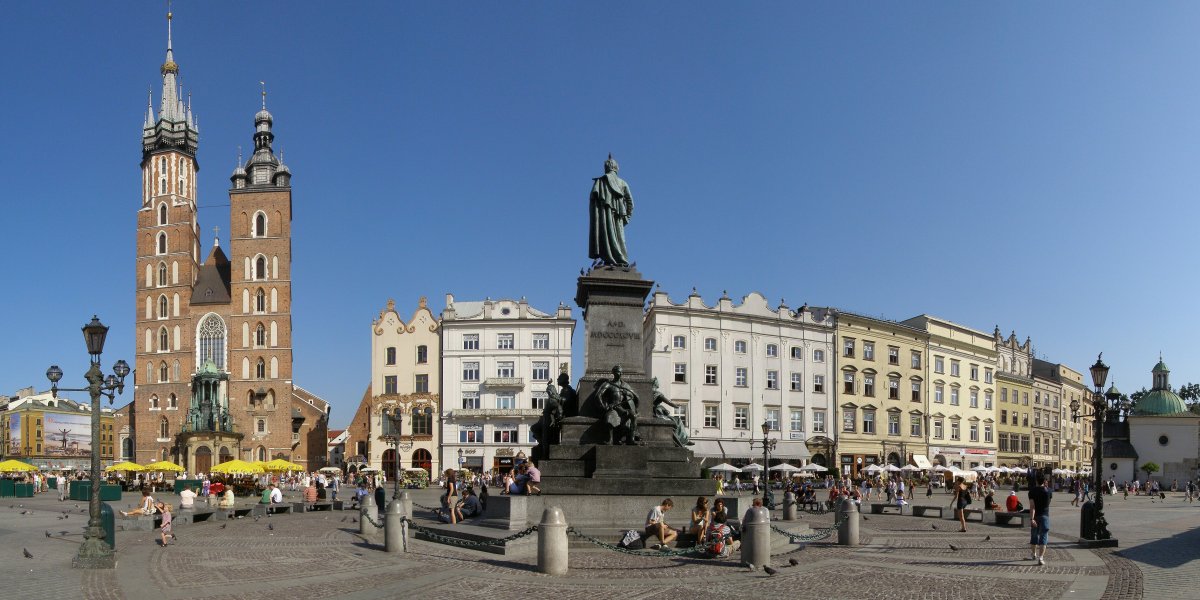
More in the same country
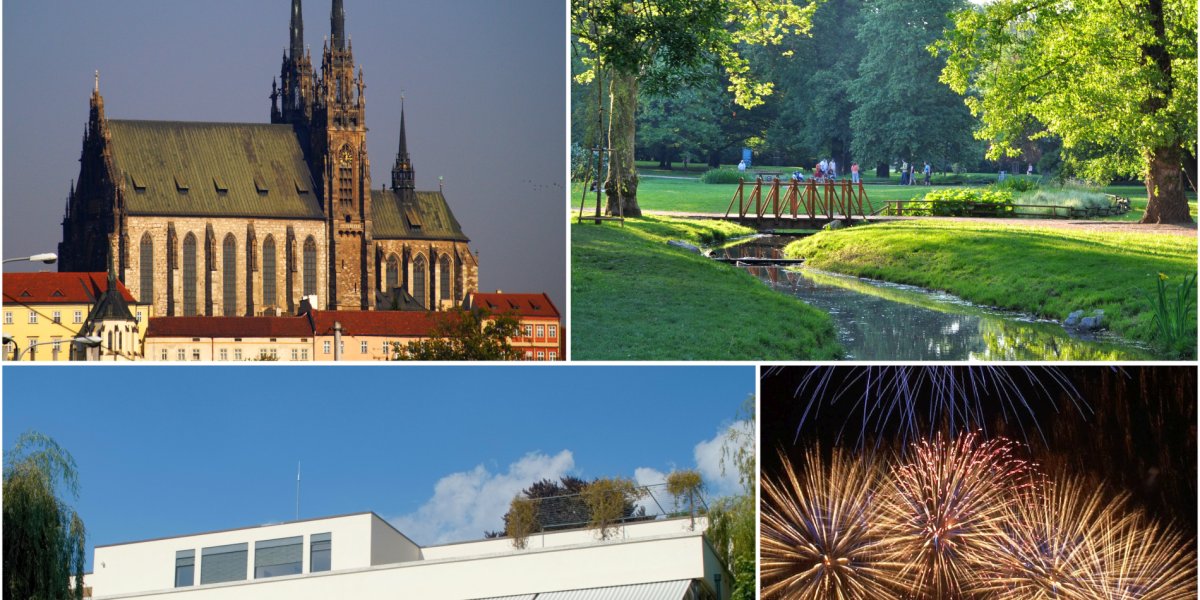
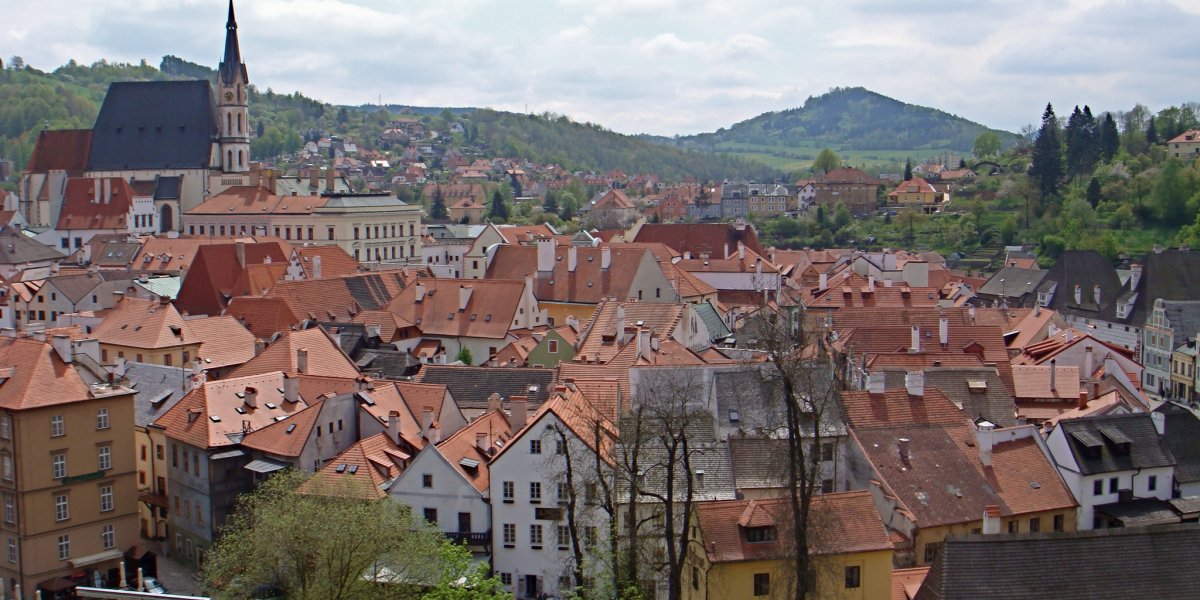
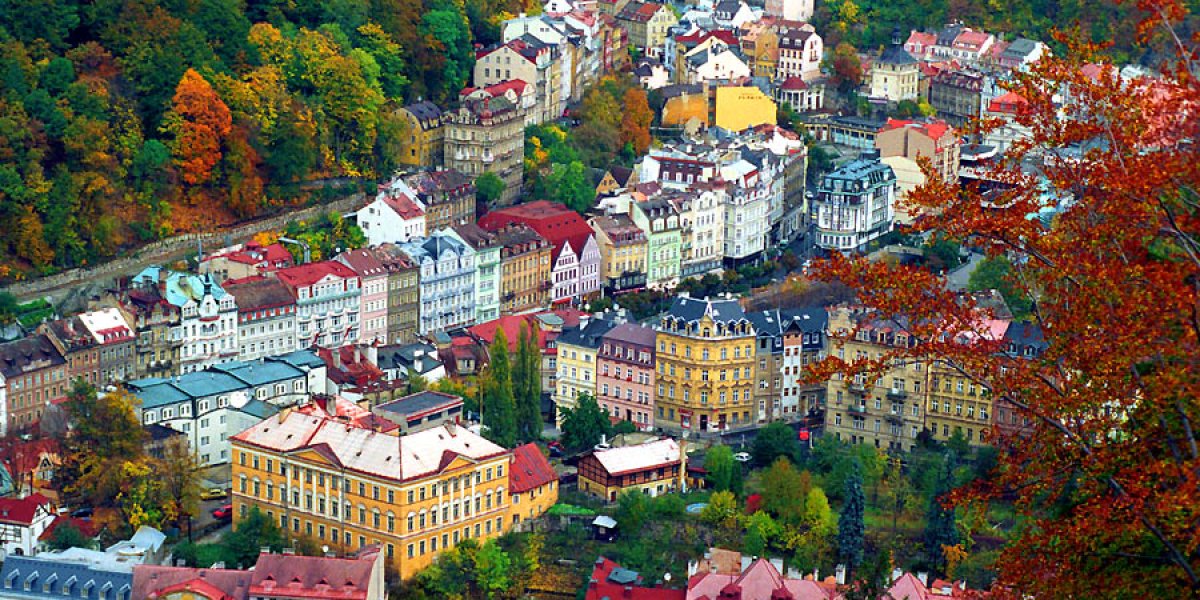
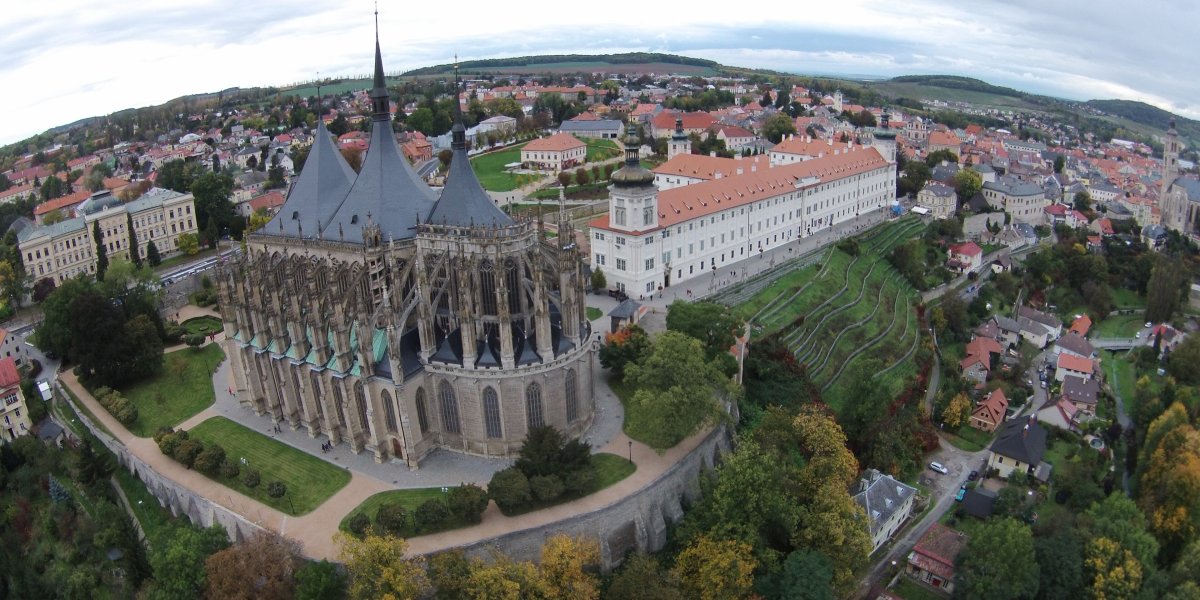
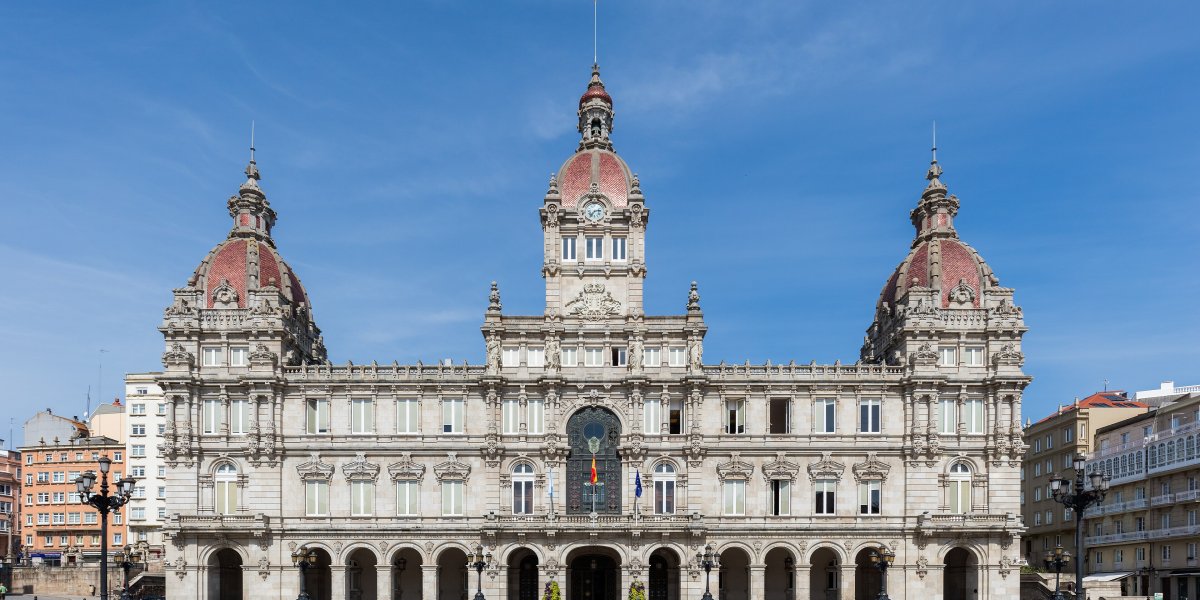
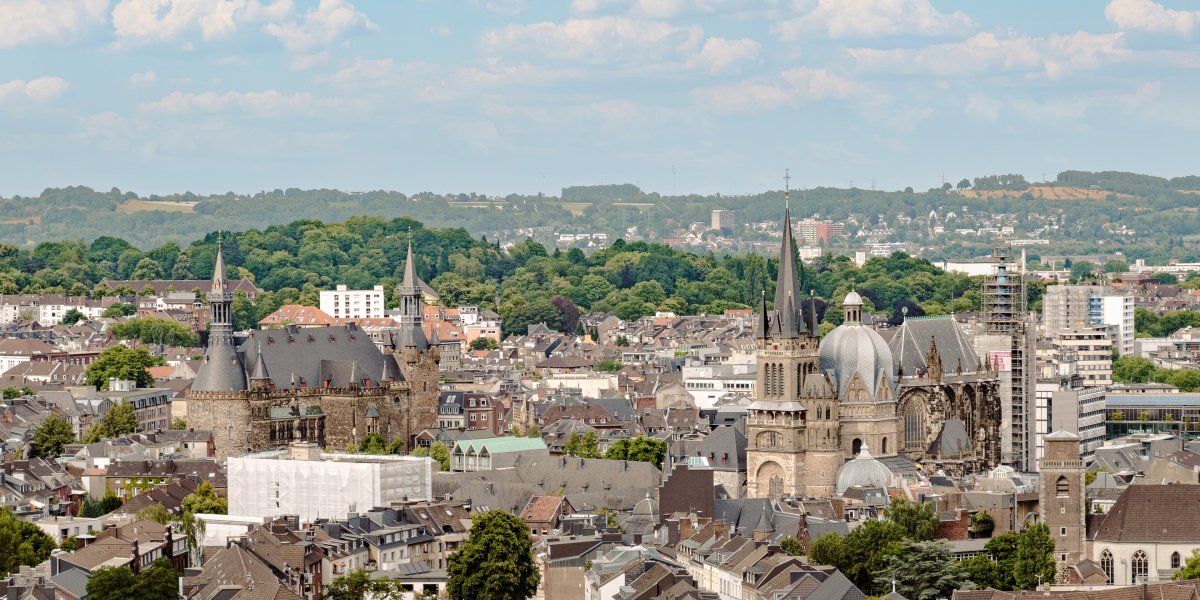
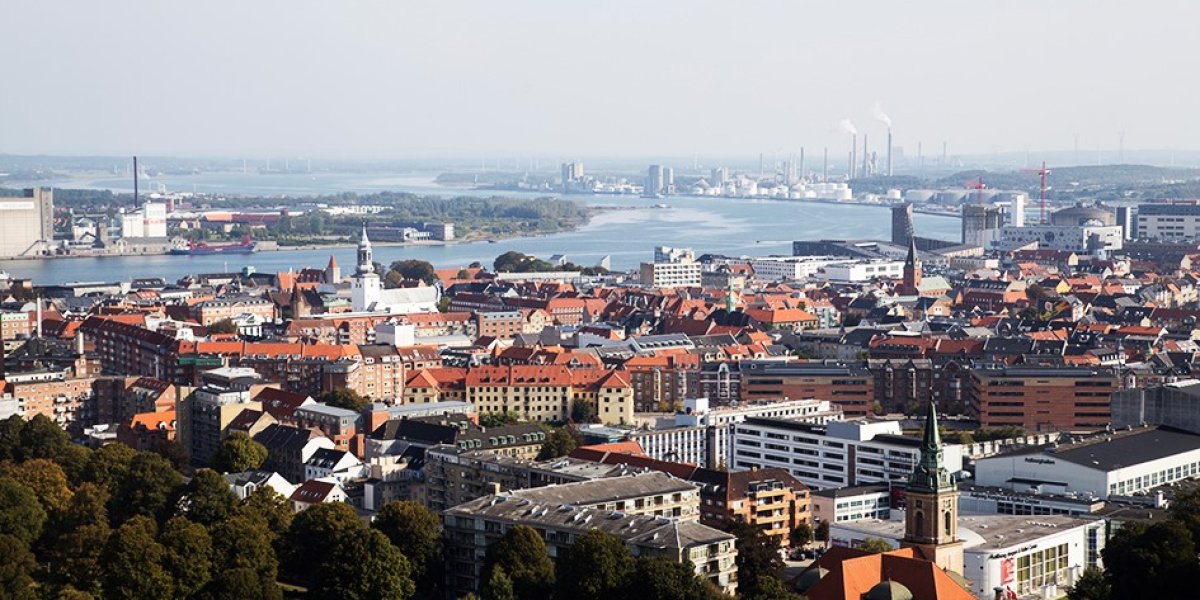
FAQ
Frequently asked questions
How many days do you need in Prague?
Most travelers enjoy Prague in 2 days, with enough time for headline sights and a slower meal or museum stop.
What's the best time to visit Prague?
The easiest season for most travelers is Apr-Jun, Sep-Oct, especially if you want good weather and manageable crowds.
What's the daily budget for Prague?
A practical starting point is about €80 per person per day before hotels, then adjust based on museums, dining, and transport.
What are the must-see attractions in Prague?
A good first shortlist for Prague includes Old Town Hall Astronomical Clock Tower, Charles Bridge.