City Guide
Oulu
Finlande · Best time to visit: Jun-Aug.
Day-by-day plan
Choose your pace
Durée du voyage
09:00
Religious
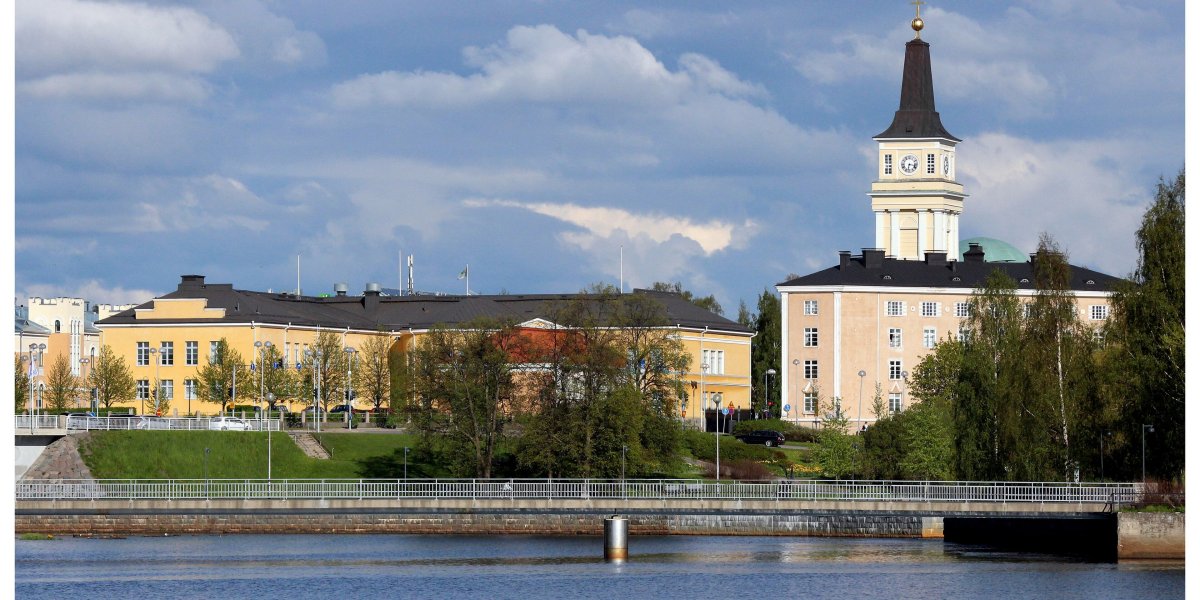
Start at Kirkkokatu in the heart of the old quarter — the cathedral's white neoclassical façade catches the low northern light most cleanly between 9 and 10 a.m., before any cruise-ship groups arrive from the harbor. Rebuilt in 1832 after the great fire destroyed wooden Oulu, it sits in a quiet park of birches that already turn gold by late August. Walk a full lap of the building and through the small Franzénin puisto beside it — the morning silence here is the only true 'old Oulu' moment you'll get all day.
Tip: Shoot the cathedral from the southeast corner with the sun behind you — the spire catches a clean sky and the white façade glows without harsh shadows. Skip going inside; the interior was 1980s-renovated and is far less photogenic than the exterior.
Open in Google Maps →10:00
Landmark
Walk west on Kirkkokatu for 4 minutes, downhill toward the water — you'll spot the Toripolliisi statue before anything else. This bronze policeman in his oversized cap has been Oulu's unofficial mascot since 1987, modeled on a real downtown beat cop. Around him sprawls the Kauppatori: red wooden stalls selling reindeer jerky, cloudberries (in season) and lättykakku pancakes, the Theatre by the Water glinting across the strait, and the brick salt warehouses (now restaurants) all in one sweep — the postcard shot of Oulu, and it photographs best in the slanted late-morning light from the east.
Tip: Touch the policeman's nose for luck — locals do it and the nose is buffed bright gold from a million hands. For the wide-angle frame, stand at the harbor end of the square looking east: statue, market stalls, theatre and warehouses all line up in one shot.
Open in Google Maps →12:00
Food
Step from the square straight into the Kauppahalli (Market Hall) next door — the red-brick 1901 building with the green spire, 60 seconds on foot. Café Bisketti has been the counter at the back since the 1960s and serves the two things Oulu locals will argue over: lihapiirakka (deep-fried meat pie, €6) topped to order, and rievä (a flat barley bread folded around smoked reindeer or salmon, €8). Eat at the wooden communal table by the window where market vendors take their break — this is a working lunch room, not a tourist stop.
Tip: Order the lihapiirakka 'kaikilla' — with everything: mustard, ketchup, pickle and onion. Skip the salmon-soup boats moored outside on the pier; they charge €15 for tin-grade quality. The real Oulu food is inside this hall.
Open in Google Maps →13:00
Neighborhood
Cross the small footbridge southwest from the market — Pikisaari is the wooden-house island that escaped the 1822 fire, the only piece of pre-19th-century Oulu still standing. Walk the gravel lanes between ochre and red cabins (now art studios, a glassblower, a silversmith, a boatbuilder); the air smells of pine tar from the shipyard at the south shore where dry-docked wooden schooners sit on blocks. Loop the whole island clockwise in about an hour — early-afternoon light filters through the birches at exactly the angle these façades were built for.
Tip: The boatbuilder's shed at the south shore is the photo: pine-tar smell, wooden schooner on blocks, the strait behind. Do not push open workshop doors without knocking — these are real working studios, not shops, and walking in unannounced will get you a frown.
Open in Google Maps →14:30
Park
From Pikisaari head north on the Hietasaarentie footpath through the peninsula — about 50 minutes of pine woods, summer-cottage clusters and the small Vauhtipuisto amusement field before the trees suddenly open onto Nallikari's white quartz sand. This is the northernmost true sandy beach in Europe, facing the open Bothnian Bay; in July the water is shockingly warm for the latitude (around 20°C) and locals swim past 10 p.m. while the sun is still up. Walk the full kilometer of beach out to the lighthouse pier at the southwestern tip — the late-afternoon light here is what every photo of 'Nordic summer' is trying to be.
Tip: In June-July the sun barely sets (around 23:00) so even 17:00-18:00 already glows gold — that is your window for the lighthouse-pier shot. Skip swimming in June: the water is still under 15°C and the cold shock is the real deal; July is the only honest swim month.
Open in Google Maps →19:30
Food
Walk back south on the same Hietasaari path — at golden hour the forest looks unrecognizable, red pine trunks glowing low, about 50 minutes back to Pikisaari. Sokeri-Jussin Kievari occupies a butter-yellow 18th-century wooden trading house on the island's east shore: low beamed ceilings, sheepskin chairs, a fireplace lit even in summer when the evening cools. Order the sautéed reindeer with lingonberry and mashed potatoes (€26) — the most honest version in Oulu — and finish with leipäjuusto (bread cheese) warmed with cloudberry jam (€10), which is northern Finland in a single spoonful.
Tip: Reserve at least a day ahead in June-August — the wooden dining room only seats around 40 and the strait-side window tables are the whole point. Pitfall warning: avoid the late-night bars along Rotuaari (the central pedestrian street) — they overcharge tourists in summer and weekend fights are common after midnight; if you want a nightcap, the candle-lit terrace at Sokeri-Jussin itself stays open till 22:00 and is the real Finnish summer-night atmosphere.
Open in Google Maps →Aller au jour
09:00
Religious
Start at the green-domed cathedral the moment the doors open — the Neoclassical interior holds Finland's oldest surviving portrait, the 1611 painting of Johannes Messenius, hung behind the pulpit. Morning sun streams through the eastern windows and lights the white nave, while local commuters slip in for a quiet moment before work. Linger ten minutes in the side chapel for the silence — it is the only time of day Oulu feels truly still.
Tip: Enter through the main south doors on Kirkkokatu — the side entrance stays locked until 11:00. The 1611 Messenius portrait sits in the small chapel on the left; ask the warden to point it out, as it is not labeled.
Open in Google Maps →10:30
Landmark
Walk three minutes south down Kirkkokatu and the cobbled square opens onto the harbor — fishing boats unload the morning's whitefish on your left as you arrive. The chubby bronze policeman Toripolliisi stands by the red tar warehouses, modeled on an actual Oulu beat cop sculptor Kaarlo Mikkonen knew. Stop at the smoked-fish stalls for a paper cone of grilled muikku (a few euros, eaten with your fingers).
Tip: The Toripolliisi photo with no tourists is at 10:30 sharp — by 11:15 every cruise group descends. Stand on the harbor side and shoot back toward the red warehouses so the boats fill the frame.
Open in Google Maps →12:30
Food
Step into the 1901 brick market hall right beside Toripolliisi — the same building locals have shopped at for four generations. Order the salmon soup (lohikeitto, €13) and a slab of kalakukko, the Finnish rye-crust fish pie (€8 a slice), from the counter at the back and sit at the wooden communal tables along the window. The whitefish and dill are landed that morning from the bay you are looking at.
Tip: Skip the touristy first stall on the right — walk to the far back counter and order the lohikeitto with a side of rye bread. They serve only until 14:00; arrive by 12:30 to grab a window seat overlooking the harbor.
Open in Google Maps →14:00
Neighborhood
Cross the small green Pikisaari bridge ten minutes west of the market — you will pass the Plaatta tarboat replica and a row of fishermen's huts on the way. This is the oldest residential pocket of Oulu, ochre and burgundy wooden cottages from the 1730s that survived every fire that levelled the rest of the city. Wander into the open craft workshops along Pikisaarentie — the silversmith and the glassblower work with their doors open and welcome you to watch.
Tip: Climb the small hill behind the wooden Kievari restaurant for a postcard view of the cottages against the river — locals call this corner Pikisaaren puisto and almost no visitor finds it. Most workshops are closed on Mondays.
Open in Google Maps →16:00
Park
Twenty-minute walk north along the riverbank — you will pass under the railway bridge with its mural of urban art and emerge into a chain of wooded islets linked by tiny wooden footbridges. This is Finland's oldest public park (1885), with rapids running on both sides and a small botanical glasshouse on the far island. Afternoon is the moment — the late sun catches the silver birches and the rapids glow gold against the cooling air.
Tip: The Tropical House glasshouse is free and almost empty after 16:00. Walk to the far north tip of the largest islet for the rapids viewpoint — there is a single wooden bench there that catches the 17:00 sun perfectly.
Open in Google Maps →19:00
Food
Five-minute walk through Ainola to a wooden 1894 villa at the edge of the park — it once housed the park ranger and is now the most loved fine-bistro in Oulu. Order the slow-braised reindeer (poronkäristys, €28) with lingonberry and mashed potato, and the warm cloudberry tart (€12) for dessert. The summer terrace under the birches is the seat to ask for.
Tip: Reserve at least 48 hours ahead via their website — locals book the terrace as soon as the snow melts. Skip the standard wine list and ask for a glass of Finnish craft cider. Pitfall: the cluster of generic Italian tourist restaurants on Rotuaari pedestrian street push €25 pizzas of frozen dough — if a restaurant has laminated photos of food taped to the door, walk past.
Open in Google Maps →10:00
Museum
Begin at the converted brick power plant on the river's north bank — the chimney is the tallest structure in Oulu, so ride the lift to the top first for a 360° sweep of the bay before any haze rises. Finland's first science centre (opened 1988) is hands-on across five floors; the human-body floor and the wave-tank experiment hold even adults for the full visit. Two hours is enough if you go straight to the chimney, then the body floor, then catch the 11:00 planetarium show.
Tip: Buy the combined Tietomaa + Art Museum ticket at the front desk for €24 (saves €7). The chimney lift queue is empty before 10:30; afterwards school groups arrive and the wait stretches to 20 minutes.
Open in Google Maps →12:00
Museum
Walk thirty seconds — the art museum is the adjoining red-brick wing of the same 19th-century leather factory. The permanent collection holds Vilho Lampi's haunting 1930s portraits of northern Finnish faces, and the temporary exhibits typically feature one major Nordic contemporary name. The building itself rewards the visit — original brick walls, exposed rafters, the smell of an old industrial space the curators chose not to scrub away.
Tip: Pick up the free English audio guide at the desk — it points out three Lampi paintings most visitors walk past. Closed Mondays; last admission 17:00.
Open in Google Maps →13:30
Food
Walk fifteen minutes south along Isokatu — you will recross the cathedral square from its quieter side. Pannu is the standby for proper home-style Finnish food, with a daily lunch buffet that local office workers swear by. Try the reindeer meatballs (poronlihapullat, €18) or the daily fish plate (€16); the bread basket of rye and Karelian pies is included.
Tip: The lunch buffet runs only 11:00–14:00 at a fixed €14 — eat as much as you like. Take the back room for the quietest table; the front bar fills with regulars right at 13:00.
Open in Google Maps →15:00
Neighborhood
Cross the long wooden Mustasalmi footbridge — fifteen minutes due west through a peaceful birch forest, the Bothnian Bay opening on both sides. Hietasaari is where wealthy Oulu families built summer villas a century ago, and thirty of the timber houses survive along Hietasaarentie, painted yellow, red, white. The lane is car-quiet and lined with rowanberry trees — the locals' favorite Sunday cycle.
Tip: Take Hietasaarentie, not the main road — the wooden villas line only this back lane. Stop at the small public jetty halfway along to dip your feet in the bay; the water is bath-warm in July.
Open in Google Maps →16:30
Park
Ten-minute walk continues north along the same lane — pine and sand replace birch, and the path opens onto a half-kilometre crescent of pale Baltic sand. Nallikari is the most northerly proper sand beach in continental Europe; the water is shallow for a hundred meters and warm by mid-July. Walk to the very north tip past the windsurfing club for the view back across the bay toward the Tietomaa chimney you climbed this morning.
Tip: Rent a beach chair from the kiosk (€5 for 2 hours) — there is no shade except the dunes. The public sauna at Eden Spa admits non-guests 16:00–18:00 for €18 if you want a proper Finnish steam-and-dip finish.
Open in Google Maps →19:30
Food
Take the 5 bus back to Kirkkokatu (10 min) or walk back through Mannerheiminpuisto in 35 minutes — the evening sun stays high till 22:30 in summer, so the walk is the more memorable choice. Hella sits in an 1880s timber merchant's house on a quiet courtyard; its four-course tasting menu (€58) is the most ambitious cooking in Oulu — wild duck from Hailuoto, Bothnian whitefish, sea buckthorn from the islets. The wine pairing is a serious northern Nordic list.
Tip: Reserve a week ahead for Friday and Saturday — only 28 seats and the locals know it. Pitfall: the chain restaurants on Rotuaari pedestrian street and around Stockmann push 'Lappish set menus' at €40 with frozen reindeer and microwave service. If the menu is in five languages and the host stands outside waving a flyer, keep walking.
Open in Google Maps →
Trip builder
Plan this trip around Oulu
Turn this guide into a bookable rail itinerary with FlipEarth.
Keep exploring
Related cities
More in the same country

FAQ
Frequently asked questions
How many days do you need in Oulu?
Most travelers enjoy Oulu in 1 days, with enough time for headline sights and a slower meal or museum stop.
What's the best time to visit Oulu?
The easiest season for most travelers is Jun-Aug, especially if you want good weather and manageable crowds.
What's the daily budget for Oulu?
A practical starting point is about €100 per person per day before hotels, then adjust based on museums, dining, and transport.
What are the must-see attractions in Oulu?
A good first shortlist for Oulu includes Kauppatori (Market Square) & Toripolliisi.