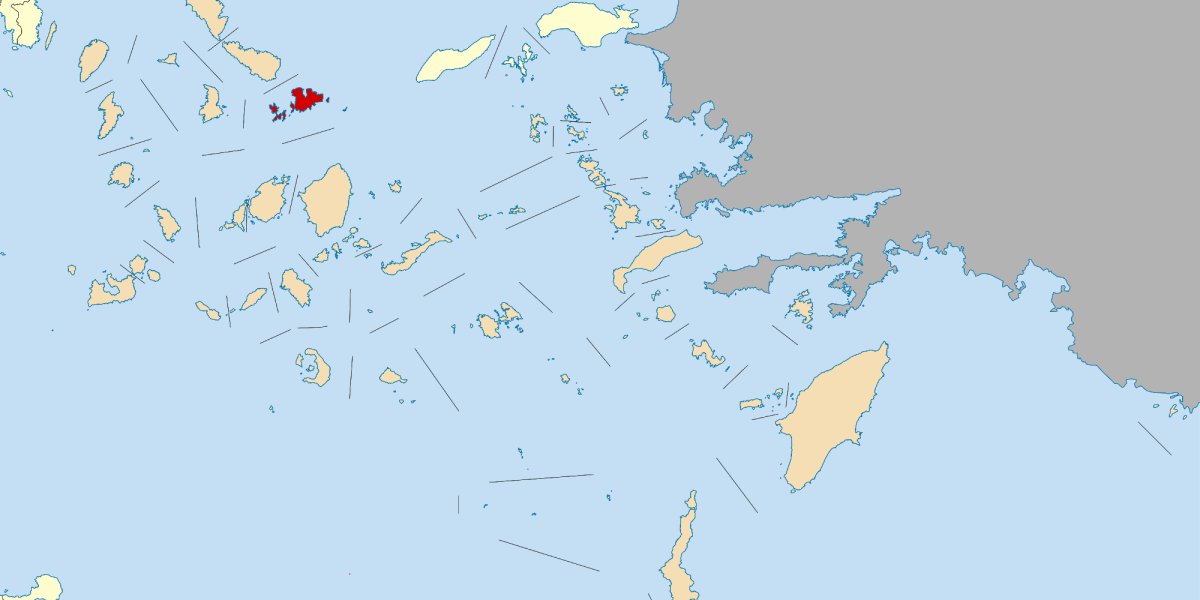
City Guide
Mykonos
Grèce · Best time to visit: May-Oct.
Day-by-day plan
Choose your pace
Durée du voyage
09:00
Neighborhood
Step off the harbor promenade and plunge south into the whitewashed maze — within thirty seconds the sea vanishes, the lanes narrow to shoulder-width, and you are inside the most photogenic labyrinth in the Cyclades. At nine the town is still waking up: cats draped over doorsteps, a shutter rolling up on a bakery, bougainvillea blazing electric pink against blinding white walls. The low morning sun rakes sideways through the alleys, carving geometric shadows that disappear by noon. Wander without a map — every turning reveals a blue door, a hidden chapel, or a jasmine-scented courtyard you will never find again.
Tip: The labyrinth was deliberately designed to confuse raiding pirates — do not fight it. Put your phone map away and embrace being lost; every lane circles back to the harbor or a church within five minutes. The narrowest alleys between Enoplon Dynameon and Kalogera streets have the most dramatic shadow play before 10:00.
Open in Google Maps →10:30
Religious
Navigate northwest through the Kastro quarter toward the sound of waves — the lanes open suddenly and there it stands, white against the sea. Five chapels built across four centuries have fused into a single asymmetric form that looks more like a wind-sculpted snow drift than a building. The mid-morning sun from the east lights the main facade evenly without casting the harsh shadows that flatten it at noon, giving you the optimal window for the photograph that defines this island. The interior is rarely open, but the exterior is the masterpiece.
Tip: Do not photograph it dead-on from the front path — walk 20 meters to the left along the low sea wall and shoot from slightly below. This lower angle captures the chapel's impossible curves against blue sky and turquoise water in one frame, the composition that made Paraportiani the most photographed church in Greece.
Open in Google Maps →11:30
Landmark
Walk south along the waterfront from Paraportiani for two minutes — the stone path narrows between the sea wall and a row of 18th-century merchants' houses whose painted wooden balconies hang directly over the waves. This is Little Venice, the second most iconic image of Mykonos after the windmills. The Aegean crashes against the stone foundations below while you stand close enough to taste the salt spray. Before noon the cafés lining the waterfront are still half-empty and the light is soft on the ochre and blue facades — by 14:00 every seat will be taken and selfie sticks will block the view.
Tip: The classic postcard shot of Little Venice — the full row of colorful houses with waves crashing below — is taken from the rocks at the northern end of the row, near the Paraportiani side. For the wider composition showing the windmills behind the houses, walk to the elevated path on the south side near the Scarpa bar terrace.
Open in Google Maps →12:30
Food
Duck back into the lanes from Little Venice and walk two minutes east — follow the scent of wood smoke and baking dough into a stone-vaulted room that has been firing the same oven since the 1500s, making this one of the oldest continuously operating bakeries in Greece. The interior stays cool even in August. Order the spanakopita — hand-rolled filo layered with spinach and salty feta, still warm from the oven (€4.50) — and a tiropita, the flaky cheese pie that is the definition of Greek fast food done right (€4). Grab a fresh-squeezed orange juice (€4) and eat on the stone bench outside. This is not a sit-down lunch — refuel and keep moving.
Tip: Arrive before 13:00 — the spinach pies sell out daily by early afternoon. The bakery is easy to walk past; look for the low stone doorway with a faded wooden sign on the lane between Matoyianni and the Kastro quarter. Skip the sweet pastries and save room for dinner tonight.
Open in Google Maps →17:30
Landmark
From anywhere in the southern lanes of Chora, walk toward the waterfront and turn south — the row of white cylindrical windmills appears on the low ridge above the harbor, unmistakable against the sky. You have arrived at the single most iconic image of Mykonos. These 16th-century grain mills once powered the island's economy; today they stand as pure sculptural form against the Aegean. You are here at golden hour for a reason: the late afternoon sun has swung west, backlighting the windmills and setting the sea ablaze behind them. The light on the whitewashed stone turns from white to warm honey to amber as the hour passes.
Tip: Walk past the main cluster to the southernmost windmill and face north — this gives you the full row of windmills with Little Venice visible behind them and the setting sun painting everything gold. Stay until at least 18:30 when the sky turns pink. The flat rocks below the windmills on the sea side are the least crowded perch for the sunset — most tourists cluster on the path above.
Open in Google Maps →19:00
Food
Walk seven minutes north from the windmills through the southern lanes of the labyrinth, emerging near the Old Port where Niko's has occupied the same harborside corner since the 1960s. Tables spill onto the narrow lane under a canopy of grapevines and fill fast after sunset. Start with the grilled octopus — charred over coals until the tentacles curl and crisp, finished with olive oil and lemon (€19) — then the lamb chops, thick-cut and pink inside, seasoned with nothing but salt, oregano, and smoke from the grill (€22). A glass of Assyrtiko, the bone-dry white wine born in the Cycladic volcanic soil, is the only pairing you need (€8). Budget €40-50 per person.
Tip: Ask your hotel to reserve a table for 19:00, or walk in at 18:45 to claim one before the post-sunset flood. The whole grilled fish is excellent but priced by weight — confirm the cost before ordering. Avoid the row of restaurants on the harbor's tourist-facing strip west of Manto Mavrogenous Square — they charge Mykonos prices for reheated frozen moussaka and survive on foot traffic, not flavor.
Open in Google Maps →Aller au jour
09:00
Religious
From the old port, follow the waterfront path west past whitewashed Kastro houses — a 5-minute walk brings you to five chapels fused into one sculptural mass unlike anything else in Greece. Morning sun strikes the east-facing curves at a low angle, carving the deep shadows that make this the most photographed church in the Cyclades.
Tip: Arrive before 09:30 — by 10:00 cruise-ship groups block every angle. Shoot from the lower path where all five layers stack into one frame; the elevated walkway above gives a flattened, less dramatic perspective.
Open in Google Maps →10:00
Neighborhood
Exit Paraportiani and turn left along the narrow seaside path — in 3 minutes you reach the painted wooden balconies of Little Venice, where 18th-century captains' houses hang directly over crashing waves. Walk the full waterfront ledge at this hour while it's still quiet; by 11:00 every café seat is claimed and the narrow path becomes a shoulder-to-shoulder bottleneck.
Tip: Skip the waterfront cafés here — €8 for a mediocre freddo espresso with a view you can enjoy for free standing two meters away. The best photo angle is from the rocks at the south end looking back at the full row of houses with sea spray in the foreground.
Open in Google Maps →11:15
Landmark
Continue south along the waterfront from Little Venice — the path climbs gently for 5 minutes until the row of 16th-century grain windmills appears on the ridge above the harbor. Walk behind the windmills to a platform most visitors never find — it gives an unobstructed panorama of Little Venice, Delos island on the horizon, and the entire crescent of the harbor below.
Tip: Morning light hits the windmill sails from the side, creating the contrast against blue sea that defines every Mykonos postcard. By afternoon the light flattens and the shots lose all depth — this is the hour to be here.
Open in Google Maps →12:15
Food
Walk back into the heart of Chora via Enoplon Dynameon street — 6 minutes through the lanes brings you to this no-frills taverna that has fed locals since 1976. This is the Mykonos lunch the island's own residents eat: generous portions of home-style Greek food from a handwritten specials board that changes daily.
Tip: Order the moussaka (€12) or gemista — stuffed tomatoes and peppers (€10). Arrive by 12:15 to grab an outdoor table; no reservations taken, and by 13:00 there's a queue down the alley. Budget €15–20 per person.
Open in Google Maps →14:00
Neighborhood
Step outside and turn right — Matoyianni, Chora's main pedestrian artery of boutiques and galleries, begins one block east. Follow it end to end, then lose yourself in the perpendicular alleys where bougainvillea spills over whitewashed walls and hidden chapels appear around every corner — this labyrinth was deliberately designed to confuse invading pirates, and it still works beautifully on tourists.
Tip: The iconic bougainvillea-and-whitewash shots are in the small alleys branching off Matoyianni, not on the street itself. Duck into any lane heading toward the water for postcard passages with zero crowds.
Open in Google Maps →19:30
Food
Tucked in a side lane 2 minutes off Matoyianni, this candlelit courtyard restaurant serves creative Greek dishes that locals actually return to — a rare thing on an island where most kitchens coast on tourist traffic. The walled garden feels like a secret dinner party hidden inside the labyrinth.
Tip: Reserve a day ahead — tables fill by 20:00 in season. The slow-cooked lamb shank (€22) falls off the bone and the grilled octopus with fava (€18) is the best on the island. Budget €30–40 per person. Avoid the cluster of restaurants near the taxi square behind the port — overpriced tourist menus and reheated moussaka.
Open in Google Maps →09:00
Landmark
Head to the old port excursion pier — boats to Delos depart at 09:00 and the 30-minute crossing drops you on the island where Apollo was born, now one of the most important open-air archaeological sites in the Mediterranean. Follow the Sacred Way past the Agora to the iconic Terrace of the Lions, then climb to the ancient theatre for a view that sweeps across the entire sanctuary and the ring of Cycladic islands.
Tip: Book the first 09:00 boat to beat the heat — there is zero shade on Delos. Bring 1.5L of water, sunscreen, and a hat; the single on-site kiosk charges triple. Cost breakdown: ~€22 round-trip boat + ~€12 site admission. Delos is closed every Monday — plan accordingly.
Open in Google Maps →11:30
Museum
From the Theatre Quarter, follow the signed path north past the Sacred Lake — the museum sits 5 minutes away on a low ridge. Inside are the original Archaic-era marble lions from the famous Terrace — far more expressive than the weathered replicas outside — alongside exquisite floor mosaics, painted pottery, and marble sculptures that bring the silent ruins to vivid life.
Tip: The original lion sculptures on the ground floor still show mane and muscle details invisible on the outdoor copies — don't rush past them. The air-conditioned hall is also the only respite from the sun on the entire island; linger here before catching the return boat.
Open in Google Maps →13:30
Food
Back on Mykonos, walk up from the pier into the backstreets behind the port — 4 minutes brings you to this shoebox-sized kitchen with six tables and a grandmother's touch. The menu is whatever was cooked this morning: rustic one-pot dishes, hand-rolled pastitsio, and Mykonian keftedes that taste like a home kitchen, not a restaurant.
Tip: Order the keftedes — Mykonian meatballs seasoned with cumin and mint (€10) — and the pastitsio (€11). Only six tables, so walk straight here from the pier; cash strongly preferred. Budget €15–20 per person.
Open in Google Maps →15:30
Landmark
Walk south through the quiet upper lanes of Chora — a 10-minute gentle climb past shuttered doorways and dozing cats brings you to a lone windmill on the hilltop above town. This is the panoramic viewpoint most visitors never find: 360 degrees of terracotta rooftops, the harbor below, and Delos floating on the horizon — the island you stood on just hours ago.
Tip: Late afternoon light turns Chora's rooftops golden from this vantage — one of the best photography moments on the island. The windmill occasionally houses a small exhibition on Mykonos' milling heritage; peek inside if the door is open.
Open in Google Maps →16:30
Entertainment
Descend the hill's southern slope toward the coast — an 8-minute path drops you onto a sheltered crescent of sand barely 800 meters from the center of Chora. Unlike the famous party beaches on the south coast, Megali Ammos is where locals swim after work — no thumping bass, no €20 sunbed fees, just transparent water and the quiet sound of waves on sand.
Tip: The left side of the beach (facing the water) gets natural cliff shade in late afternoon — claim a spot there and you won't need an umbrella. Bring your own towel; there are no rental loungers.
Open in Google Maps →19:30
Food
Walk back uphill through Chora's western lanes to the old port — 12 minutes along the shore path brings you to a no-nonsense fish taverna where the daily catch sits on ice at the entrance. This is how Mykonos ate before the beach clubs arrived: choose your fish, they grill it whole over coals, and you eat it facing the harbor as the last light fades over the Aegean.
Tip: Point at the whole fish on ice and ask the price per kilo before ordering — 'market price' on menus can mean €60–80 for a large specimen. The grilled prawns (€22) and catch-of-the-day grilled whole (€15–20 per portion) are excellent. Budget €35–50 per person. Avoid the lane behind the port with aggressive touts calling you in — those places turn tables fast with frozen seafood.
Open in Google Maps →
Trip builder
Plan this trip around Mykonos
Turn this guide into a bookable rail itinerary with FlipEarth.
Keep exploring
Related cities
More in the same country
FAQ
Frequently asked questions
How many days do you need in Mykonos?
Most travelers enjoy Mykonos in 1 days, with enough time for headline sights and a slower meal or museum stop.
What's the best time to visit Mykonos?
The easiest season for most travelers is May-Oct, especially if you want good weather and manageable crowds.
What's the daily budget for Mykonos?
A practical starting point is about €85 per person per day before hotels, then adjust based on museums, dining, and transport.
What are the must-see attractions in Mykonos?
A good first shortlist for Mykonos includes Little Venice, Windmills of Kato Mili.