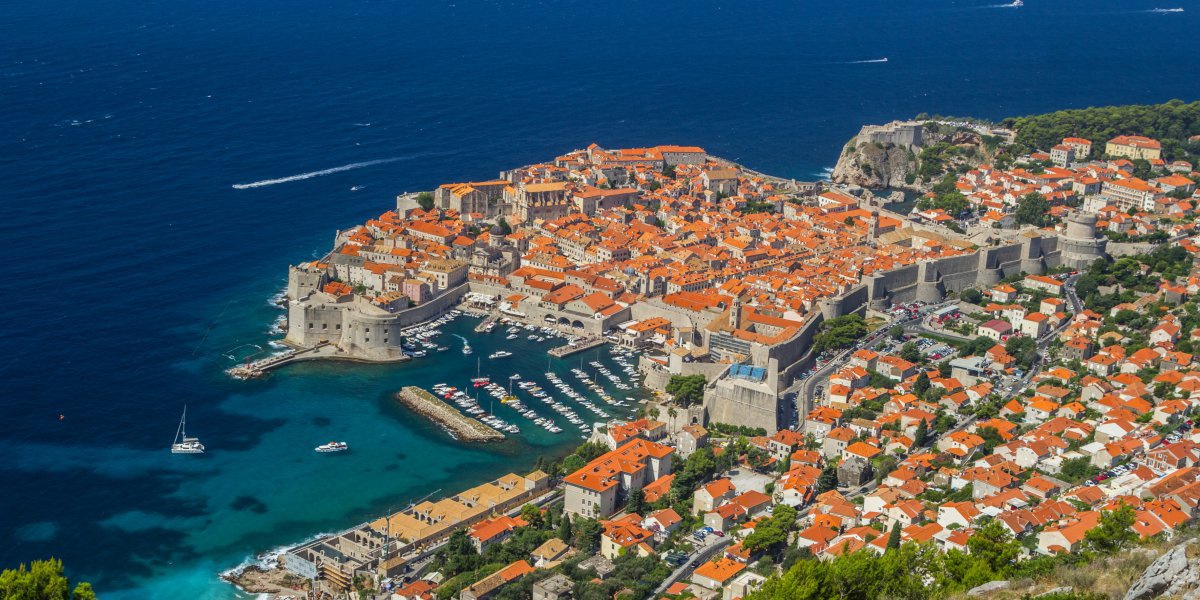
City Guide
Dubrovnik
Croatie · Best time to visit: May-Oct.
Day-by-day plan
Choose your pace
Durée du voyage
08:00
Landmark
Enter through the Pile Gate ticket office the moment it opens at 08:00 — you will have the northern ramparts nearly to yourself for the first thirty minutes. Walk counter-clockwise: the morning sun sits behind you as you face the terracotta rooftops and the open Adriatic, giving you the cleanest, most saturated photos of the day. The full 1,940-metre circuit takes about ninety minutes at a photo-friendly pace, with Minčeta Tower at the northwest corner offering the single highest panorama in all of Croatia.
Tip: The stretch above the Old Port has zero shade and bakes after 10:00 — starting at 08:00 means you finish the circuit before the heat peaks and the first cruise-ship wave floods in around 10:30. There are two small drink kiosks on the walls but they charge double; bring your own water bottle.
Open in Google Maps →10:15
Landmark
Exit the walls back at Pile Gate, walk through the outer gate and turn left along the coastal path — Fort Lovrijenac rises on the cliff directly ahead, a 5-minute walk. This detached fortress perched 37 metres above the sea served as Dubrovnik's key western defense for centuries, and more recently starred as the Red Keep in Game of Thrones. Entry is included in your City Walls ticket. Climb to the open-air upper terrace for a completely different angle on the Old Town — from here the walls you just walked appear as a continuous ribbon of stone hugging the coast, with Lokrum Island floating behind.
Tip: The fortress has roughly 100 steep steps — pace yourself after the walls circuit. The best photo is from the upper terrace looking east toward the Old Town with a wide-angle lens to capture the full sweep of the walls. The small gift shop inside is overpriced; everything in it can be found cheaper on Stradun.
Open in Google Maps →11:30
Neighborhood
Walk back through Pile Gate — the polished limestone boulevard of Stradun opens directly before you, 300 metres of the most beautiful main street in the Mediterranean. Start at the Large Onofrio's Fountain and stroll east past the Franciscan Monastery's ornate portal and the Sponza Palace's Gothic-Renaissance arches. At the far end, Luža Square opens up with Orlando's Column, the Bell Tower, and the Church of St. Blaise — this is where Dubrovnik poses for its postcard. The stone underfoot has been polished by six centuries of footsteps and glows almost white in the late-morning light.
Tip: Stand at the Pile Gate end of Stradun and shoot straight down the street toward the Bell Tower — this is the classic Dubrovnik perspective shot, best before noon when the sun is high enough to illuminate the full length without harsh side shadows. The narrow alleys branching left and right hide the real character of the city; peek into at least two or three as you walk.
Open in Google Maps →12:15
Food
From Luža Square, duck into narrow Boškovićeva street — Barba is 30 seconds down on your left, unmistakable from the queue of locals. This tiny counter-service joint serves some of the best seafood bites in the Old Town. Order the octopus burger (€8) or the shrimp tempura wrap (€7) — both are made to order and gone in five glorious minutes. Grab a cold Ožujsko beer (€3) and eat standing in the alley like everyone else. Budget €10–15 per person.
Tip: The queue moves fast — 10 minutes max even when it looks intimidating. Arrive by 12:15 to beat the post-walls lunch rush that builds from 12:45. Skip the calamari (decent but unremarkable) and go straight for the octopus burger — it is the reason this place has a cult following.
Open in Google Maps →13:15
Landmark
Continue east through the narrow streets past the Cathedral — the Old Port opens through a stone archway at the base of the city walls, a 3-minute walk from Barba. This intimate harbor tucked inside the eastern walls has wooden boats bobbing against a backdrop of fortified cliffs and the green silhouette of Lokrum Island. Walk along the harbor wall to the far end for the best angle — St. John's Fortress and the city walls frame the scene perfectly. This is where Dubrovnik feels most like a living Mediterranean town rather than a film set.
Tip: Sit on the stone benches at the eastern breakwater for the best photo of the harbor with St. John's Fortress behind. If you are tempted by the boat-tour touts selling trips to Lokrum Island, skip it today — the round trip eats 2–3 hours you do not have. For a quick dip, the rocky ledge on the south side of the port is where locals jump in.
Open in Google Maps →19:00
Food
Return to the Old Port as the evening light turns the fortress walls amber — Lokanda Peskarija's terrace is right on the water, marked by its blue-checked tablecloths. This no-pretense seafood tavern has held the best terrace on the harbor for decades and remains where Dubrovnik locals bring visiting friends. Start with the black cuttlefish-ink risotto (€14) to share, then order the grilled catch of the day (€16–20, priced by weight) served whole with blitva — Swiss chard mashed with potatoes, Dalmatia's most honest side dish. A glass of local Pošip white wine rounds it off. Budget €25–35 per person.
Tip: Arrive at 18:45 to claim a waterfront table before the dinner rush — by 19:30 every seat is taken and the wait stretches past 40 minutes. Do not accept the table inside; the entire point is eating with the harbor in front of you. Avoid the restaurants on Prijeko street one block north of Stradun — they employ aggressive touts, charge double, and serve frozen fish disguised as fresh. Lokanda Peskarija has no touts because it has never needed them.
Open in Google Maps →Aller au jour
08:00
Landmark
From the Pile Gate bus stop, cross the stone drawbridge and pass through the outer gate — the ticket office is immediately on your left before you reach the Onofrio Fountain. Enter the walls right at the 8 AM opening to walk the full 1.9 km circuit in near-solitude; by 10 AM, cruise ship passengers flood the ramparts and movement slows to a crawl. The western stretch delivers a heart-stopping drop into turquoise coves, while the eastern return passes directly above a sea of terracotta rooftops with Lokrum Island floating on the horizon. This is the single most unforgettable thing you will do in Dubrovnik.
Tip: Start counterclockwise (turn left after climbing the first stairs) — you hit Minčeta Tower and the best panoramic views before crowds arrive from the opposite direction. The western wall section between Bokar and Minčeta at 8:15 AM gives you the iconic terracotta-and-sea shot with no one in frame. Bring water; there's one overpriced kiosk halfway around with zero shade. Keep your ticket — it includes Fort Lovrijenac entry later today.
Open in Google Maps →10:30
Religious
Exit the walls at Pile Gate and walk 20 meters ahead along Stradun — the monastery's ornate Pietà portal is immediately on your left, easily missed in the flow of foot traffic. Step through the narrow doorway into one of the most serene Romanesque-Gothic cloisters in the Mediterranean: double columns with uniquely carved capitals surround a garden of orange trees and lavender that muffles the noise of Stradun completely. Inside, the Old Pharmacy has operated continuously since 1317, making it one of the oldest in Europe, with original ceramic apothecary jars and handwritten prescription ledgers still on display.
Tip: The cloister is most photogenic between 10:30 and 11:00 when morning light floods through the arches at a low angle, casting sharp column shadows across the stone floor — stand in the northeast corner for the best composition. Skip the gift shop's 'ancient recipe' rose creams at €15; they're tourist-priced repackaged products. The real treasure is the 15th-century painted crucifix above the pharmacy entrance that most visitors walk directly beneath without looking up.
Open in Google Maps →12:00
Food
Exit the monastery, walk 50 meters down the polished limestone of Stradun, and turn right onto Antuninska — the tiny counter with a green awning is halfway up the lane on your left. This standing-room joint is where Old Town workers grab lunch — no tablecloths, no menus in five languages, just the best sandwiches in Dubrovnik. The warm octopus salad pressed into fresh bread with olive oil and capers is extraordinary, and the whole transaction takes five minutes.
Tip: Arrive at noon sharp before the lunch rush hits at 12:30. Order the hobotnica (octopus) sandwich at €7–8 — it's prepared fresh each morning and runs out by early afternoon. The anchovy-and-caper sandwich is the local sleeper pick that tourists rarely order. Stand at the counter like the regulars do and you'll be served faster. Budget €8–12 per person with a drink.
Open in Google Maps →13:30
Museum
Walk back to Stradun and continue east along its full 300-meter length — the Palace appears straight ahead where the street opens into the elegant Pred Dvorom square, its Gothic-Renaissance façade framed perfectly by the narrowing perspective. This was the seat of the Dubrovnik Republic, where the elected Rector was literally locked inside for his one-month term to prevent corruption — he could not leave, and his family could not visit. The atrium with its harmonious arcades now hosts summer concerts, and the museum upstairs holds Dubrovnik's collection of Old Master paintings, period furniture, and the original iron keys to the city gates.
Tip: The atrium is the most photogenic interior in Dubrovnik — stand at the back wall facing the grand staircase for a perfectly symmetrical shot. Upstairs, the first-floor balcony room has a framed view down Pred Dvorom square that most visitors walk right past. The combined museum ticket also covers the Maritime Museum in Fort St. John if you have extra time on another visit.
Open in Google Maps →15:30
Landmark
Walk back west along Stradun, exit through Pile Gate, and follow the stone path curving left along the coastal rocks — the fortress looms on its sea cliff five minutes ahead, 37 meters above the crashing waves. Known as Dubrovnik's Gibraltar, this freestanding stronghold was built with a single purpose: to ensure no foreign power could ever position cannons overlooking the city. The interior courtyard served as the Red Keep in Game of Thrones, and standing on the top terrace with the full sweep of the Old Town walls curving across the water is one of those views that permanently rearranges your sense of scale.
Tip: Entry is included with your City Walls ticket from this morning — keep it in your pocket. The top platform is where Cersei's scenes were filmed; the best photo angle is from the left corner facing east with the walls as your backdrop. Afternoon light between 15:30 and 16:30 warms the limestone to gold. The steep climb is 131 steps but only takes 5 minutes — pause at the halfway landing for the dramatic first reveal of the walls across the inlet.
Open in Google Maps →19:00
Food
Walk back through Pile Gate, along Stradun, and turn right onto Široka ulica — Proto is 30 meters in, behind a stone archway that hides a quiet terrace above the street. Operating since 1886, this is Dubrovnik's most respected fish restaurant: not the flashiest, not the most expensive, but the one where local families celebrate anniversaries and business deals close over grilled brancin. The first-floor terrace overlooks the evening promenade on Stradun, and the kitchen treats Dalmatian seafood with the simplicity it deserves.
Tip: Reserve a terrace table by emailing at least one day ahead — walk-ins wait 30–45 minutes in season. Order the crni rižot (black cuttlefish ink risotto, €18) as a starter to share — it's the signature dish and worth every cent. The grilled catch of the day (€25–30) served with blitva (Swiss chard and potatoes mashed with garlic and olive oil) is the definitive Dubrovnik dinner. Budget €40–50 per person with a glass of local Plavac Mali. Avoid the tourist restaurants lining Stradun itself — they charge double for frozen fish and microwave risotto.
Open in Google Maps →09:00
Landmark
From Old Town, exit through Ploče Gate and walk uphill along Petra Krešimira IV for 10 minutes — the cable car station is on your right, marked by a modern glass entrance. The four-minute ride lifts you 405 meters above the Old Town, and the view that unfolds below is the one from every Dubrovnik postcard — except in person, it stops you cold. The terracotta city, the walls tracing the peninsula, the harbor, the Elaphiti Islands dissolving into haze. At the summit, Fort Imperial houses a small but powerful exhibition on the 1991–92 siege, when this very mountain was an artillery position raining shells on the city you were just standing in.
Tip: Go at 9 AM opening, not sunset — mornings have dramatically clearer air and no queues. The siege exhibition inside Fort Imperial is free with your cable car ticket and takes 20 minutes; it will permanently change how you look at the city below. For the iconic postcard shot, walk left of the upper station to a stone wall with an unobstructed panorama — afternoon haze ruins this photo. The summit restaurant is a tourist trap with €8 coffee; skip it entirely.
Open in Google Maps →11:00
Religious
Ride the cable car back down, re-enter Old Town through Ploče Gate, and walk west through the quiet back lanes — the Cathedral's baroque dome rises above Bunićeva Poljana square in 5 minutes. Built over a 7th-century Byzantine church — legend says funded by Richard the Lionheart in gratitude after he was shipwrecked nearby on Lokrum — the Cathedral holds Dubrovnik's most sacred relics: the skull, arm, and leg of St. Blaise, the city's patron saint, encased in Byzantine gold-and-enamel reliquaries. The Treasury behind the altar is small but extraordinary, displaying jeweled crosses, gold-threaded liturgical vestments, and a triptych attributed to Raphael's workshop.
Tip: The Cathedral nave is free; the Treasury (€5) behind the main altar is where the real treasures hide and is almost always empty — you'll likely have it to yourself. The Raphael-attributed triptych is in the back-left corner, easy to miss if you don't know to look. Before you leave, look up at the main altarpiece: the polyptych by Titian is the single most important painting in Dubrovnik and most visitors photograph the Treasury without ever glancing at it.
Open in Google Maps →12:30
Food
Exit the Cathedral, cross Bunićeva Poljana, and walk north through Gundulićeva Poljana past the morning market stalls selling lavender and dried figs — turn left onto Nikole Gučetića, and Taj Mahal's stone doorway is 30 meters ahead. The name bewilders tourists, but this is the best Bosnian restaurant in Dubrovnik — a reminder of Croatia's layered culinary geography. The tiny stone-walled room serves ćevapi, burek, and slow-cooked Bosnian stews that offer a welcome, hearty contrast to the seafood menus you'll find on every other corner. It's packed with locals at lunch, which tells you everything you need to know.
Tip: Order the ćevapi with somun bread and kajmak cream (€10) — ten grilled meat fingers with pillowy flatbread and tangy clotted cream, served in under five minutes. The bosanski lonac (Bosnian pot stew, €12) is the heartier option if you need fuel for Lokrum. No reservations taken, so arrive before 12:30 to grab one of the eight tables. Budget €12–18 per person with a drink.
Open in Google Maps →14:00
Park
Walk east from lunch to the Old Port in 3 minutes — Lokrum ferries depart every half hour from the stone harbor wall, and the crossing takes a gentle 15 minutes with the Old Town shrinking behind you. This forested island 600 meters offshore is Dubrovnik's garden of Eden: a nature reserve where peacocks strut through a ruined Benedictine monastery, botanical gardens overflow with subtropical plants, and a hidden saltwater lake called the Dead Sea sits in the island's volcanic center. It's the perfect counterpoint to the morning's intensity — no cars, no shops, no noise, just pine shade and swimming off warm flat rocks.
Tip: Head straight inland for the Dead Sea (Mrtvo More) — follow signs for 10 minutes through the pine forest. The small saltwater lake is several degrees warmer than the open sea, sheltered from wind, and shallow enough to float effortlessly. Bring a towel and swimwear. The last return ferry is 17:00 in shoulder season (18:00 July–August) — miss it and you're genuinely stranded with the peacocks until morning. There are no restaurants on the island, only a basic snack bar, so don't count on eating here.
Open in Google Maps →17:00
Entertainment
Take the ferry back to the Old Port, walk south through the narrow lanes past the Jesuit Church and up the stairs of Boškovićeva, then look for the hand-painted 'Cold Drinks' sign on the medieval wall along Crijevićeva — squeeze through the hole in the stone. There is no door, no awning, no host stand — just a gap in the 13th-century wall that opens onto a series of rough-hewn cliff platforms bolted directly above the Adriatic. You sit on cushions on bare rock, feet dangling over turquoise water, with Fort Lovrijenac framed in the golden distance. It's the most photographed bar in Croatia for good reason — but more importantly, at golden hour with a cold glass of Pošip in hand, it is genuinely magical.
Tip: There are two Bužas — you want Buža II, the lower one accessed near the Jesuit Church (not the one by the Marin Držić statue). Claim a spot right at 17:00 before the golden-hour crowd fills every platform by 17:30. A cold Ožujsko beer is €5; a glass of local Pošip white wine is €8 — both perfectly suited to the moment. Don't bring electronics to the lower platforms; the rocks are wet and slippery, and there is literally nothing between you and a 15-meter drop to the sea.
Open in Google Maps →19:30
Food
Climb back through the wall, walk north through the quiet lanes for 3 minutes to Boškovićeva Poljana — Kopun's vine-covered terrace fills the small square, lit by candles as evening settles over the stone. Named after the capon — a castrated rooster that was the celebratory dish of the Dubrovnik Republic for five centuries — Kopun serves reinvented Dalmatian classics in a setting that feels like a private courtyard rather than a restaurant. This is where you end your Dubrovnik story: a candlelit table on a hidden square, the quiet clink of glasses, and flavors that have been refined since the Republic's golden age.
Tip: The slow-roasted kopun (capon) with mlinci flatbread (€22) is the dish this restaurant exists to serve — it's been on the menu since opening day and remains the reason to come. The šporki makaruli (Dubrovnik-style pasta with meat ragù, €16) is the city's answer to bolognese and a genuine revelation. Reserve a terrace table one day ahead. Budget €40–50 per person with wine. Final warning: avoid the cluster of tourist restaurants around Gundulićeva Poljana and along Prijeko street — they employ aggressive touts, serve identical menus of mediocre food, and charge 30% more than restaurants one lane away. If someone is waving a menu at you from the doorway, walk past.
Open in Google Maps →Aller au jour
09:00
Landmark
Enter through the Pile Gate ticket office and climb the stone steps to begin the full 1.94 km circuit clockwise — this direction keeps the sea on your right and gives you the famous terracotta-rooftop panorama first. The morning sun lights the harbour and Lokrum Island with a golden softness that burns off by 11:00, and at this hour you will have long stretches of wall entirely to yourself before the cruise-ship crowds flood in after 10:30.
Tip: Start exactly at opening (8:00 summer, 9:00 shoulder season). Walk clockwise from Pile Gate — the Minčeta Tower stretch is steepest, and you want fresh legs for it. The best single photograph is from the seaward wall above the Old Port, shooting west with all the rooftops layered below you. Bring water; there is one overpriced kiosk halfway and nowhere else.
Open in Google Maps →11:15
Religious
Descend the walls at Pile Gate and step directly into the monastery's Romanesque cloister — it is 30 metres from the exit, on the left side of Stradun. The cloister's double columns frame a garden of orange trees that glows in late-morning light, and inside you will find Europe's third-oldest operating pharmacy, dispensing remedies continuously since 1317. The small museum displays ornate medieval apothecary jars, mortars, and handwritten prescriptions that make you realise this pharmacy was already ancient when Columbus set sail.
Tip: The cloister is the real treasure — the pharmacy museum room is tiny and takes ten minutes. Photograph the columns from the southeast corner where late-morning light falls diagonally across the arches. Look for the carved face on the pillar to the left of the entrance — locals call it Dubrovnik's gargoyle.
Open in Google Maps →12:15
Food
Walk east along Stradun for three minutes, then turn right past the Sponza Palace into Boškovićeva Poljana — Kopun sits on the quiet square behind the Cathedral. This is the only restaurant in Dubrovnik dedicated to reviving the Republic of Ragusa's historic recipes, and the signature dish is what gives it its name: kopun, a slow-roasted capon served with handmade mlinci flatbread and roasted root vegetables. The stone-walled dining room feels like a medieval guild hall even at midday.
Tip: Order the kopun — roasted capon with mlinci (~€20) — and finish with rožata, Dubrovnik's answer to crème brûlée with a rose-liqueur caramel (~€7). Reserve a day ahead in summer; in shoulder season walk in at 12:15 and you will get a table immediately. Budget €20–30 per person.
Open in Google Maps →14:00
Museum
Step out of Kopun and cross the small square — the Rector's Palace entrance is literally 40 metres away, through the Gothic-Renaissance portico with Corinthian capitals carved by Onofrio de la Cava. This was the seat of power of the Republic of Ragusa for five centuries: the elected Rector lived and governed here for exactly one month at a time, forbidden to leave the building — a safeguard against tyranny. The rooms still hold original furniture, portraits, and ceremonial robes, and the atrium's baroque staircase is one of the most photogenic interiors in Croatia.
Tip: Photograph the atrium from the upper gallery looking down through the stone arches — the afternoon light pools beautifully on the marble floor. After the museum, stroll 30 metres to Gundulićeva Poljana square for an espresso and twenty minutes of people-watching beside the poet's statue. This is your built-in free time; let the old town settle in.
Open in Google Maps →19:00
Food
Walk back along Stradun towards the Sponza Palace — Proto is on Široka ulica, the first left turn, set on a second-floor terrace overlooking the laneway below. This is Dubrovnik's oldest seafood restaurant, operating since 1886, and it remains the place locals bring guests they want to impress. The black cuttlefish risotto arrives in a cast-iron pan with the ink still glistening, and the whole grilled catch of the day is presented tableside before being filleted with quiet ceremony.
Tip: Order the crni rižot — black cuttlefish risotto (~€20) — and the grilled John Dory if it is on the catch list (~€28). Ask for the upper terrace; it catches the last warmth of evening. Reserve by late afternoon in shoulder season; in summer, book two days ahead. Budget €35–45 per person. Avoid the restaurants lining Stradun itself — they charge double for half the flavour and survive entirely on tourist foot traffic.
Open in Google Maps →09:00
Landmark
Exit the old town through Pile Gate and follow the coastal path left for five minutes — Fort Lovrijenac rises on a 37-metre cliff above the sea, looking like it was carved from the rock itself. Known as Dubrovnik's Gibraltar, this 11th-century fortress was built in just three months after the Republic learned Venice intended to claim the same cliff. Above the outer gate you will read 'NON BENE PRO TOTO LIBERTAS VENDITUR AURO' — Freedom is not sold for all the gold in the world — and from the top platform the view back towards the city walls and Bokar Fort is one of the finest photographs in the entire city.
Tip: Your City Walls ticket from Day 1 includes Fort Lovrijenac — keep it. Morning light illuminates the old town from this angle perfectly; bring a zoom lens to compress the walls and rooftops into a postcard. Game of Thrones fans: this is the Red Keep exterior. The fortress is fully exposed to the sun with no shade, so visit before 10:00 or you will bake.
Open in Google Maps →10:30
Park
Walk back through the old town to the Old Port — a pleasant 12-minute stroll down Stradun and out through Ploče Gate — and board the Lokrum ferry (departures every 30 minutes, 15-minute ride). The island is a car-free nature reserve draped in Aleppo pine and Mediterranean cypress, with a ruined Benedictine monastery, a Napoleonic-era fort at the summit, and the Mrtvo More — a hidden saltwater lake enclosed by rocks where you can float in perfect stillness. Peacocks roam freely and will walk right up to your bench as if they own the island, which in a sense they do.
Tip: Head straight to the Dead Sea lake first — by noon it fills with swimmers and loses its silence. The signed path from the dock takes 10 minutes. After a swim, climb to Fort Royal at the island's peak for a 360-degree panorama of the coast, then descend through the botanical garden. The last ferry back is typically 17:00 — check the posted schedule at the harbour dock before boarding.
Open in Google Maps →12:45
Food
Step off the return ferry at the Old Port and Poklisar is right there — five metres from the dock, with tables set directly on the harbour wall under white parasols. This is not a tourist-trap harbour restaurant: it is a family-run kitchen that has fed fishermen and locals for decades. The tables overlook the water where the boats unload in the morning, and the menu changes with whatever came in that day.
Tip: Order the buzara — prawns or mussels simmered in white wine, garlic, and breadcrumbs, served bubbling in the pan (~€16) — and a side of blitva s krumpirom, Swiss chard braised with potatoes and olive oil (~€6). Sit on the harbour-side terrace; the inner room is dark and airless. No reservation needed at 12:45, but by 13:30 there is a wait. Budget €18–25 per person.
Open in Google Maps →14:30
Museum
Walk up from the port through the narrow street Antuninska — a two-minute climb of stone steps past laundry lines and cat-inhabited doorways — to this gallery housed in a medieval tower. War Photo Limited is one of Europe's most important photojournalism galleries, exhibiting powerful images from the Yugoslav Wars, the Siege of Dubrovnik, and conflicts worldwide. The top-floor permanent exhibition on the 1991–92 siege puts the pristine old town you have been admiring into devastating context — the red dots on the damage map suddenly match the streets you walked yesterday.
Tip: Allow yourself to slow down here. The gallery is small but emotionally dense — the top-floor permanent exhibit on the siege is the most important room. Find the photograph of Stradun taken in December 1991 and compare it to the street you strolled this morning. Open May to October only; closed Mondays. Check their website before visiting.
Open in Google Maps →19:00
Food
Descend from the gallery and walk south through the old town's quietest lanes — pass the Jesuit Church steps and continue along Pobijana ulica for three minutes until you see Azur's terrace tucked against the inner city wall. This kitchen does something unexpected in Dubrovnik: it fuses Dalmatian seafood with East Asian technique — think fresh Adriatic prawns in green Thai curry, or seared tuna tataki with Dalmatian capers and ponzu. The result is the most inventive cooking in the old town, and it works because the ingredients remain fiercely local.
Tip: Order the Adriatic prawn green curry (~€19) and the tuna tataki appetizer (~€14). The terrace seats only about 20 — reserve by morning for a 19:00 slot. Ask for the upper terrace; it catches the evening breeze. Budget €28–35 per person. After dinner, if you still have energy, find the 'Cold Drinks with the Most Beautiful View' sign nearby — it leads through a hole in the city wall to Buža Bar on the cliffs. Order one drink for the view, but do not eat there and do not pay more than €6 for a beer; it is Dubrovnik's most scenic tourist markup.
Open in Google Maps →09:00
Landmark
Exit the old town through Ploče Gate and walk north for eight minutes up Petra Krešimira IV street to the cable car lower station — the pavement climbs gently and the city walls shrink behind you. The four-minute ride lifts you 405 metres to the summit of Mount Srđ, and the panorama that unfolds is the single most spectacular view in Croatia: the entire old town, Lokrum, the Elafiti archipelago, and on clear mornings the mountains of Bosnia spread before you like a living relief map. At the top, Fort Imperial — a Napoleonic-era stronghold — houses a small exhibition on the 1991 siege, with shell fragments and radio transcripts from the defenders who held this hill.
Tip: Ride up at 09:00 sharp — the summit is deserted and the low morning light rakes across the rooftops, turning the terracotta amber. By 10:30 it is overrun with cruise-ship excursions. Walk around the back of Fort Imperial for a hidden viewpoint facing inland towards Bosnia — almost no one goes there. The cable car was destroyed in the 1991 siege and not rebuilt until 2010; the fort exhibition tells that story.
Open in Google Maps →11:00
Museum
Ride the cable car back down and walk south to Ploče Gate — the monastery entrance is immediately inside the walls on your right, through an unassuming doorway that opens into one of the most serene cloisters on the Adriatic coast. The late-Gothic arcade surrounds a garden of orange and lemon trees, and the museum holds a quietly extraordinary collection of 15th- and 16th-century Dubrovnik School paintings, including Nikola Božidarević's triptych of the Virgin and Child that glows with gold leaf as if it were still wet.
Tip: The cloister is the highlight — photograph it from the northeast corner where the late-morning light cuts diagonally across the columns. The Božidarević triptych is in the final room; do not rush through the earlier galleries or you will miss the stylistic context that makes it extraordinary. Far fewer visitors than the Franciscan Monastery; you may have the cloister entirely to yourself.
Open in Google Maps →12:30
Food
Walk west along Stradun for four minutes, then turn left into Nikole Gučetića — Taj Mahal is halfway down this narrow lane, marked by a small copper sign. Despite the name, this is a Bosnian restaurant, and in Dubrovnik's sea of seafood menus it is a revelation: charcoal-grilled ćevapi, handmade somun bread pulled from the oven, and begova čorba — a velvety chicken-and-okra soup thickened with sour cream that could make you weep. It is one of the highest-rated restaurants in the old town, beloved by locals who need a break from fish.
Tip: Order the Sarajevski ćevapi — ten charcoal-grilled rolls with somun bread and raw onion (~€12) — and start with begova čorba (~€6). Portions are enormous; two people can split a mixed grill platter. No reservation needed, but arrive by 12:30 to beat the lunch rush. Budget €12–20 per person. The owner is from Sarajevo and will happily talk food history if the restaurant is quiet.
Open in Google Maps →14:30
Neighborhood
Walk back to Stradun and turn south through the side streets behind the Cathedral, past the Jesuit Church's grand baroque staircase — Game of Thrones fans will recognise it as the setting for Cersei's walk of shame. Wander the quiet residential lanes where laundry hangs between stone walls and cats sleep in doorways, then follow the small hand-painted signs reading 'Cold Drinks with the Most Beautiful View' through a literal hole in the city wall. You emerge at Buža Bar, where plastic chairs perch on limestone ledges above the open Adriatic, swimmers leap from the cliffs below, and Lokrum floats on the horizon like a final gift.
Tip: Follow signs to Buža II (Café Buža), which has the famous cliff-edge seating and the Lokrum view. A beer costs ~€6, a coffee ~€4 — do not order food. Grab a seat on the lower terrace for the most dramatic perspective directly above the water. This is not a place to rush; it is the place to sit, look at the sea, and let three days settle into memory.
Open in Google Maps →19:00
Food
Walk north from Buža through the back streets for three minutes to Od Pustijerne — Bota Šare sits in a vaulted stone ground floor near the Cathedral, its tables spilling onto the lamplit lane. This is Dubrovnik's temple to Ston oysters, farmed 50 kilometres up the coast in the oldest oyster beds in Europe, dating back to Roman times. The oysters arrive ice-cold with lemon and a shallot mignonette, and the seafood tasting plate adds smoked tuna, marinated anchovies, and octopus carpaccio. It is the kind of farewell dinner that makes you start planning your return before you have asked for the bill.
Tip: Order a half-dozen Ston oysters (~€15) and the seafood degustacija platter to share (~€28). Pair with a glass of local Pošip white wine (~€7). Reserve for 19:00 — the terrace fills by 19:30. Skip the sushi side of the menu entirely; you are here for the Adriatic raw bar. Budget €30–40 per person. One final warning before you leave Dubrovnik: ignore anyone on Stradun selling 'authentic Croatian souvenirs' — most are mass-produced imports from China. If you want a genuine keepsake, buy a bag of Ston sea salt or a bottle of local lavender oil from the Gundulićeva Poljana market stalls in the morning.
Open in Google Maps →
Trip builder
Plan this trip around Dubrovnik
Turn this guide into a bookable rail itinerary with FlipEarth.
Keep exploring
Related cities
Nearby cities
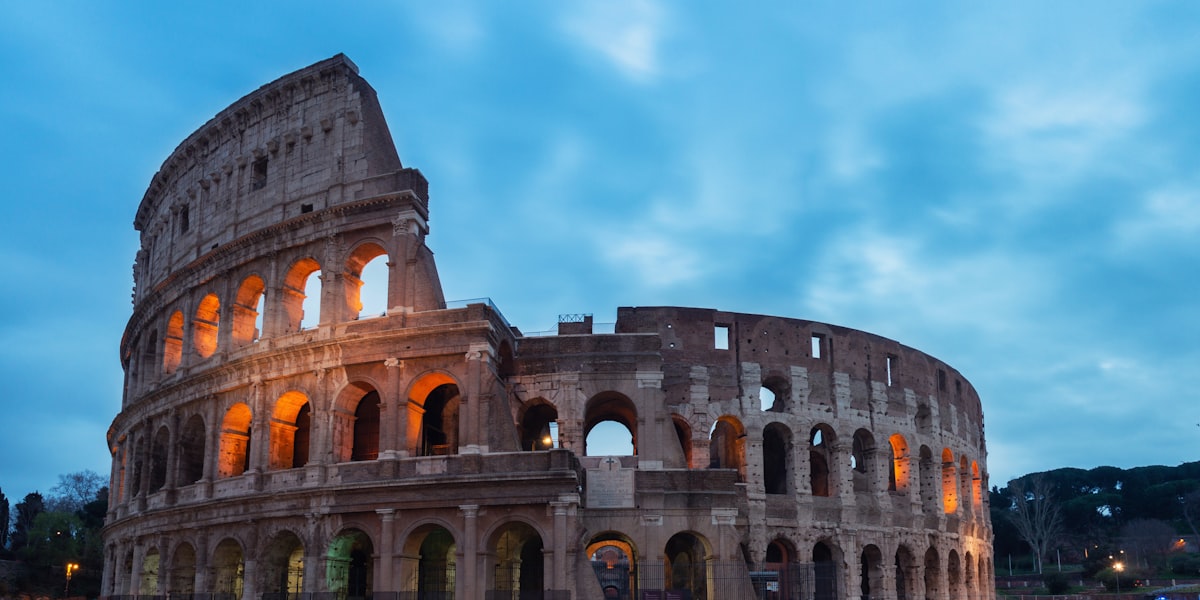
More in the same country
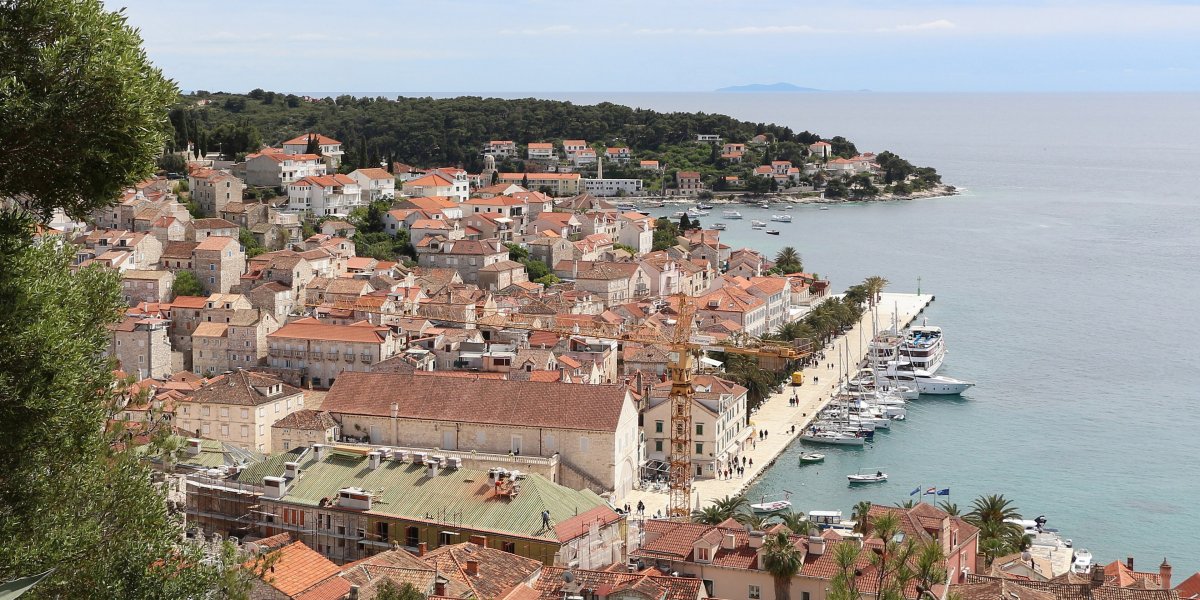
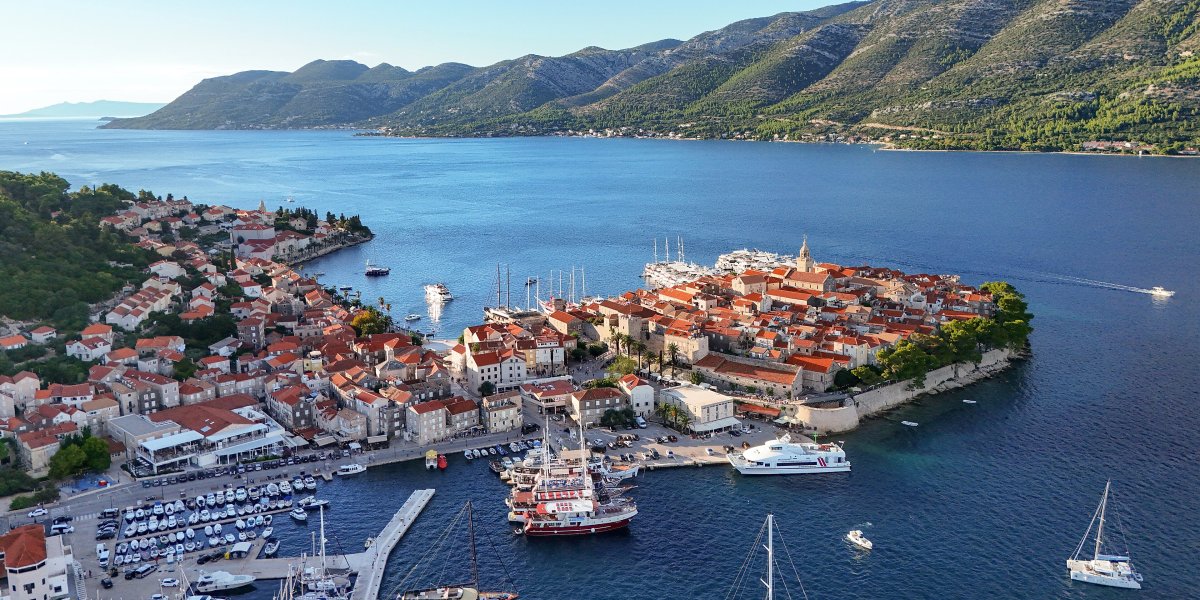
FAQ
Frequently asked questions
How many days do you need in Dubrovnik?
Most travelers enjoy Dubrovnik in 1 days, with enough time for headline sights and a slower meal or museum stop.
What's the best time to visit Dubrovnik?
The easiest season for most travelers is May-Oct, especially if you want good weather and manageable crowds.
What's the daily budget for Dubrovnik?
A practical starting point is about €90 per person per day before hotels, then adjust based on museums, dining, and transport.
What are the must-see attractions in Dubrovnik?
A good first shortlist for Dubrovnik includes Dubrovnik City Walls, Fort Lovrijenac, Old Port (Stara Luka).