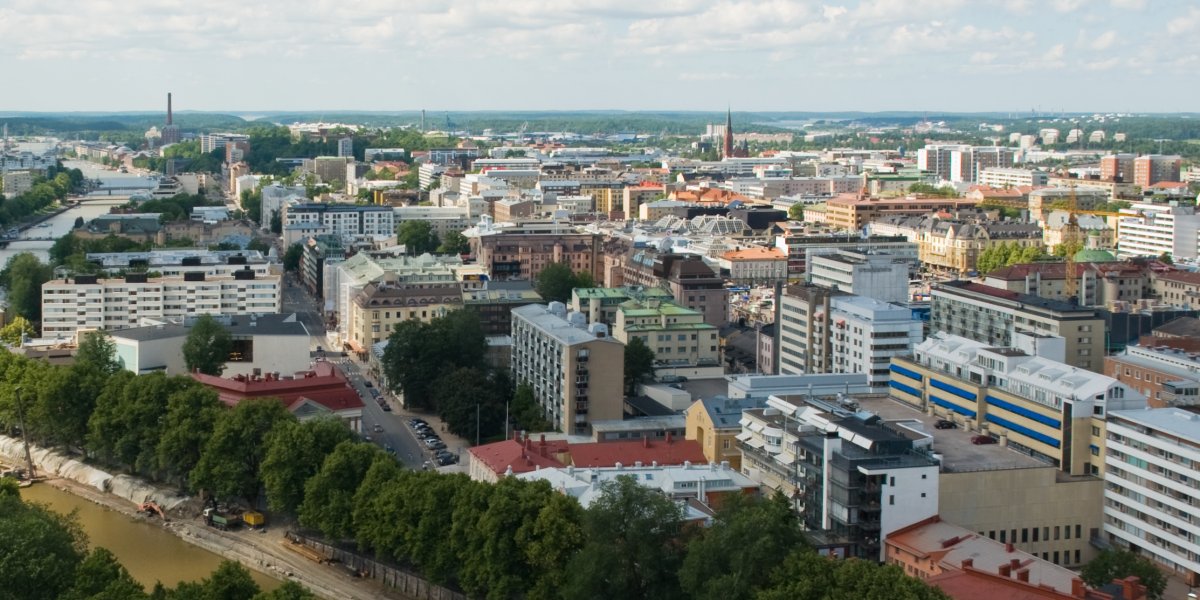
City Guide
Turku
Finlandia · Best time to visit: Jun-Sep.
Day-by-day plan
Choose your pace
Duración del viaje
09:00
Landmark
From central Turku, take bus 1 toward the harbor or walk 30 minutes west along Linnankatu — the road hugs the river and ends where the castle's grey granite walls rise suddenly above the docks. Built in the 1280s and one of the largest medieval buildings still standing in Scandinavia, you'll circle the fortress from the outside: the east moat, the arched main gate, and the sea-facing west wall where Baltic cruise ferries pass close enough to wave at. Nine centuries of Swedish kings, Russian cannon fire, and WWII bombs shaped this stone — you can read the scars without ever stepping inside.
Tip: Arrive by 09:00 before the Viking Line ferry from Stockholm disgorges day-trippers around 09:30 — the castle forecourt goes from empty to crowded in fifteen minutes. For the iconic shot, stand on the grass bank by the south moat: the entire west façade with the harbor cranes behind it frames in one photo — proof you've been to the edge of medieval Scandinavia.
Open in Google Maps →10:30
Neighborhood
Leave the castle gate and walk east along Läntinen Rantakatu — the tree-lined quay that runs the entire 3 km of the Aura river back to the old town. In summer, a dozen historic ships are moored here as floating restaurants — the three-master Sigyn, the steam tug Sigrid, the lightship Relandersgrund — each a museum by day and a terrace by night. You'll pass Forum Marinum's outdoor fleet, cross under the wooden Martinsilta bridge where teenagers sunbathe on the grass, and watch small city ferries shuttle pedestrians across for free. This walk is the itinerary — don't rush it.
Tip: Take Föri, the tiny yellow cable ferry, across the river and back just for the 90-second ride — it's free, has run continuously since 1904, and is the oldest working ferry in Finland. Locals still use it for their commute; the captain will nod at you like you belong.
Open in Google Maps →12:30
Food
Continue east along the river until you reach Eerikinkatu, then one block north — the Market Hall's red-brick façade fronts the street. Built in 1896 and still the beating stomach of the city, the hall is a narrow corridor of two-dozen counters selling archipelago smoked salmon, reindeer salami, cloudberry jam, and Finnish rye. Skip the tourist sit-downs and head to Kala-Apaja for a bowl of lohikeitto (salmon and dill cream soup, €12) with dark bread, or to Roastbros for a pulled-reindeer sandwich (€10). Eat standing at the counter like the locals on lunch break.
Tip: The salmon soup at Kala-Apaja is the move — thick with potatoes and leek, topped with a knob of butter that melts into it. Don't order reindeer kebab from the first stall you see; prices there are doubled for cruise passengers. The real reindeer counter is Herkkupuoti Hänninen, three stalls deep on the left.
Open in Google Maps →14:00
Neighborhood
From the Market Hall, walk five minutes northeast along Eerikinkatu, cross the small footbridge Tuomiokirkkosilta, and the cobblestones open into the Old Great Square — the medieval heart of Finland's first capital. Four perfectly preserved 18th-century buildings frame the square: the yellow Town Hall, the pink Brinkkala Mansion (from whose balcony the Declaration of Christmas Peace is read every December 24th, broadcast nationwide), the Hjelt House, and the Juselius House. In summer, craftsmen in period dress work at open-air forges for the Medieval Market. It's small. Sit on the stone bench under the linden tree and just look.
Tip: Duck into the courtyard behind Brinkkala Mansion — most visitors miss it. There's a 14th-century archaeological window in the pavement where you can look straight down into the original medieval street level, three meters below today's square.
Open in Google Maps →16:00
Religious
Walk one minute east across the square and the cathedral's 101-meter spire is directly in front of you — Finland's national shrine, consecrated in 1300 and the mother church of Finnish Christianity. Circle it clockwise: the south wall with the weathered medieval brick, the east apse with the flying buttresses, the vast grassy Cathedral Park at the north where students picnic in summer. The west façade — the one everyone photographs — faces the river, and you're here at the right hour: late afternoon sun hits it head-on and turns the red brick copper-gold.
Tip: For the iconic west-façade photo, walk down to the riverbank at Porthaninpuisto park and shoot across the water — the spire with its golden weather vane reflects in the Aura if the wind is low. Avoid the 'traditional Finnish restaurants' with handwritten menus posted outside the cathedral park; they charge €35 for reheated meatballs and target cruise passengers who won't return to complain.
Open in Google Maps →19:00
Food
Walk four minutes back across the footbridge toward the river — Smör sits at Läntinen Rantakatu 3, in a vaulted 18th-century cellar below the Cloister Hill slope. This is the proper sit-down dinner: modern Finnish cooking built on archipelago ingredients, in a candle-lit stone chamber that feels like eating inside a wine cask. The archipelago fish of the day with brown butter and dill (€32) is the signature; pair it with their cloudberry soufflé (€14). Three-course menu €52, à la carte €40-55.
Tip: Reserve at least two days ahead in summer — the cellar holds only 40 seats and it fills with locals, not tourists. Ask for a table in the inner vault, not the front room near the door. One genuine Turku pitfall: the restaurant boats moored along the river look romantic but most are fryer-food pubs charging €22 for a mediocre burger — only Papa Joe and Svarte Rudolf are actually good, and neither does a real dinner menu.
Open in Google Maps →Saltar al día
10:00
Landmark
Start at the harbor end of the city — from the Forum Marinum bus stop it is a 5-minute walk along the dockside lawn, and the 1280s fortress rises ahead like a stone block washed up at the mouth of the Aura. Arrive at the 10:00 opening to wander the cool King's and Queen's Halls and the dim medieval bailey before the cruise-ship coaches start unloading at 11:30. As one of the largest surviving medieval buildings in Scandinavia, this is the single sight in Turku that you cannot leave without seeing.
Tip: Buy the combined Castle + Forum Marinum ticket at the door — saves €4 and the cashier hands you a paper map that highlights the inner-bailey route most visitors miss. Don't skip the dungeon vaults below ground: the carved 14th-century guard graffiti there is the only such collection in the Nordics.
Open in Google Maps →12:30
Food
Tucked inside the castle's outer bailey — you do not even leave the courtyard. Göran serves a two-course Finnish lunch of the day (Päivän lounas, €16): usually creamy salmon soup followed by reindeer meatballs with lingonberry, served on the same kind of stoneware the castle kitchens once used. Sit at the arched window facing the inner courtyard — the noon light through the leaded glass is the warmest seat in the room.
Tip: Order the Päivän lounas, not the à la carte — locals working in the museum eat here too, the price is half of the tourist menu, and it includes a refillable coffee. Tap water comes from the same well the castle has used for 700 years; ask for it cold.
Open in Google Maps →14:00
Museum
Three minutes back toward the river — the maritime museum occupies the old grain warehouse on the quay, and your combined ticket also gets you aboard the Suomen Joutsen, the 96-meter full-rigged sailing ship of 1902 moored just outside. Walk the deck first while the afternoon sun strikes it from the south, then descend into the warehouse for the boatbuilding hall. A relaxed 1.5 hours after the morning's stone walls.
Tip: The forecastle deck of the Suomen Joutsen is the best free panorama of the river mouth — look back east and you can see all of central Turku framed against the Cathedral spire 2 km away. Stairs down to the lower gun deck are easy to miss; they are behind the wheel, not at the bow as the floor plan suggests.
Open in Google Maps →16:00
Neighborhood
Pick up the riverside path on the south bank just outside Forum Marinum and walk east — you pass the moored restaurant boats, the leafy Sibelius Park, and after 1.5 km the tiny yellow Föri appears: a free passenger ferry that has shuttled across the 60-meter-wide Aura since 1904. Cross to the north bank (90 seconds), then back, just to say you did. The afternoon is the right time — the sun is at your back, the water sparkles, and the ferryman waves.
Tip: Stand on the south-bank quay around 16:30 and wait for the Föri to push off with the cathedral spire centered behind it — that is the postcard shot of Turku you will not find on any brochure. The ferry runs every few minutes until 21:00 in summer; locals say good morning to the captain even if they don't know him.
Open in Google Maps →17:30
Landmark
Continue 800 m east along the river until the asphalt turns to cobblestones — the Old Great Square (Vanha Suurtori) is the medieval heart of Turku, and the yellow Brinkkala Hall on its north side is the balcony from which the city declares the Christmas Peace every December 24th, a 700-year-old broadcast carried live to all of Finland. The square is at its quietest after 17:00, once the cafe terraces close and the slanting light turns the ochre facades gold.
Tip: Step through the Brinkkala archway into the inner courtyard (free, open until 18:00) — at the back is an unmarked wooden staircase that climbs to a small upper gallery overlooking the square. It is the only elevated angle on the cobblestones in the entire old town, and almost no tourist finds it.
Open in Google Maps →19:30
Food
Two minutes from Brinkkala — Smör occupies the vaulted brick cellar directly under the same Old Great Square. The signature is smoked Baltic herring with new potato and dill cream (€14 starter), followed by slow-cooked elk with juniper jus (€34). The cellar seats only 32 between thick 18th-century pillars; reserve at least three days ahead. A meal here is the night you remember from Turku.
Tip: Ask for table 8 or 9 against the curved brick wall — those are the only two with a clear sightline to the open kitchen, and the chef often slides over an off-menu amuse-bouche. Avoid the cluster of restaurant boats moored just downriver near Auransilta bridge: most are operated by a single chain, prices run 40% above the local average, and the kitchens close abruptly at 21:30 even with guests still seated.
Open in Google Maps →10:00
Religious
Walk into the upper old town — the cathedral stands on a low rise above the Aura, its 101-meter spire the visual anchor of every street in central Turku. Enter at 10:00, just as the morning service ends and the long nave is briefly empty. The Tott family's Renaissance tomb in the south aisle and the painted wooden vault above the choir are the two things to look for; both are easier to take in before the noon coach groups arrive.
Tip: Climb to the upstairs museum gallery (entry included) and look down over the wooden balustrade — it is the only angle from which the full painted vault of the choir is visible, lit by the morning east window. Entry to the cathedral is free, but a €2 coin in the donation box at the door is the local custom.
Open in Google Maps →11:15
Museum
Cross the little square in front of the cathedral — 100 meters and you are at the door. The museum is an underground archaeological excavation of medieval Turku, discovered in the 1990s when this riverside mansion was renovated: you walk along genuine 14th-century lanes and into the cellars of houses that burned in 1827. A focused 1.5-hour visit is enough to see the dig and the small contemporary art wing upstairs.
Tip: Pick up the audio-guide tablet at the front desk — it is free with the ticket but they do not actively offer it, and the dig makes very little sense without it. The upstairs cafe has the best riverside terrace in the old town if you arrive a few minutes early; the cinnamon bun there is baked on site each morning.
Open in Google Maps →13:00
Food
From Aboa Vetus walk southwest along the river, cross the Cathedral Bridge, and 600 m later the long red-brick hall on Eerikinkatu appears — Turku's covered market since 1896, still run by independent stallholders. Lunch at the back seafood counter: creamy salmon soup with rye bread (€13) or a smoked whitefish sandwich (€9). For something local, add a Karelian rice pie topped with egg butter (€3) from the bakery stall — it is the Finnish lunch.
Tip: Do not aim for the central tables — they are first-come and always full at 13:00. Each stall has its own counter with three or four stools; the seafood counter at the back of the hall has the shortest wait and faces the kitchen so you watch your soup being ladled. Cash and card both accepted, but small stalls round up €0.50.
Open in Google Maps →14:30
Museum
From the market hall, walk 1.2 km east along Eerikinkatu and uphill — Luostarinmäki is an open-air museum of 18 wooden artisan houses from the 18th century, the only district of Turku that survived the Great Fire of 1827. In summer, costumed craftspeople work the original looms, smithies, and bakeries inside the houses, and the unpaved lanes are exactly as they were. Two hours lets you walk every alley and step into half the workshops.
Tip: Enter through the upper Vartiovuorenkatu gate, not the main visitor center on Itäinen Rantakatu — the upper gate is the original village entrance and drops you straight onto the cobbled main lane. Visit the silversmith's forge (last house on the right) before 15:30 — that is when he stops demonstrating, and you can watch a buckle being hammered out from start to finish.
Open in Google Maps →17:00
Landmark
Exit Luostarinmäki through the same upper gate and a flight of wooden steps climbs Vartiovuori Hill in five minutes. At the top stands C. L. Engel's 1819 observatory (now a maritime navigation school), and the grass terrace below it opens west across the entire city — the cathedral spire, the river snaking toward the harbor, the castle on the horizon. 17:00 is the right hour: the low sun catches the cathedral's copper roof and turns it bronze.
Tip: Walk to the western edge of the hilltop lawn — the small wooden bench under the lone pine tree is where Turku locals come for sunset, and it frames the cathedral spire perfectly between two oak branches. Mosquitoes appear after dusk in July; the kiosk at the foot of the steps sells repellent for €5.
Open in Google Maps →19:30
Food
From Vartiovuori, descend the south slope and walk 1.3 km along Kaskenkatu, crossing the river by the Auransilta footbridge — Kaskis is the most ambitious modern Nordic kitchen in Turku, the city's only Michelin-recommended restaurant for several years running. The 5-course tasting menu (€89) changes weekly with what Archipelago foragers and fishermen drop off that morning: think pike-perch with smoked butter, lamb with juniper, and cloudberry with curd for dessert. The send-off meal of the weekend.
Tip: Reserve at least one week ahead and request the four-seat counter facing the open kitchen — the chefs hand you each plate directly and explain it. Order the wine pairing only if you skip dessert: the regular pairing is generous, and the dessert pour is a sweet wine that does not flatter the cloudberry. Avoid the spot near the cathedral marketed as 'authentic Finnish smörgåsbord' — the buffet is mostly imported deli meats, prices run double the Market Hall's, and no Turku local would set foot inside.
Open in Google Maps →
Trip builder
Plan this trip around Turku
Turn this guide into a bookable rail itinerary with FlipEarth.
Keep exploring
Related cities
More in the same country
FAQ
Frequently asked questions
How many days do you need in Turku?
Most travelers enjoy Turku in 1 days, with enough time for headline sights and a slower meal or museum stop.
What's the best time to visit Turku?
The easiest season for most travelers is Jun-Sep, especially if you want good weather and manageable crowds.
What's the daily budget for Turku?
A practical starting point is about €120 per person per day before hotels, then adjust based on museums, dining, and transport.
What are the must-see attractions in Turku?
A good first shortlist for Turku includes Turku Castle (Exterior).