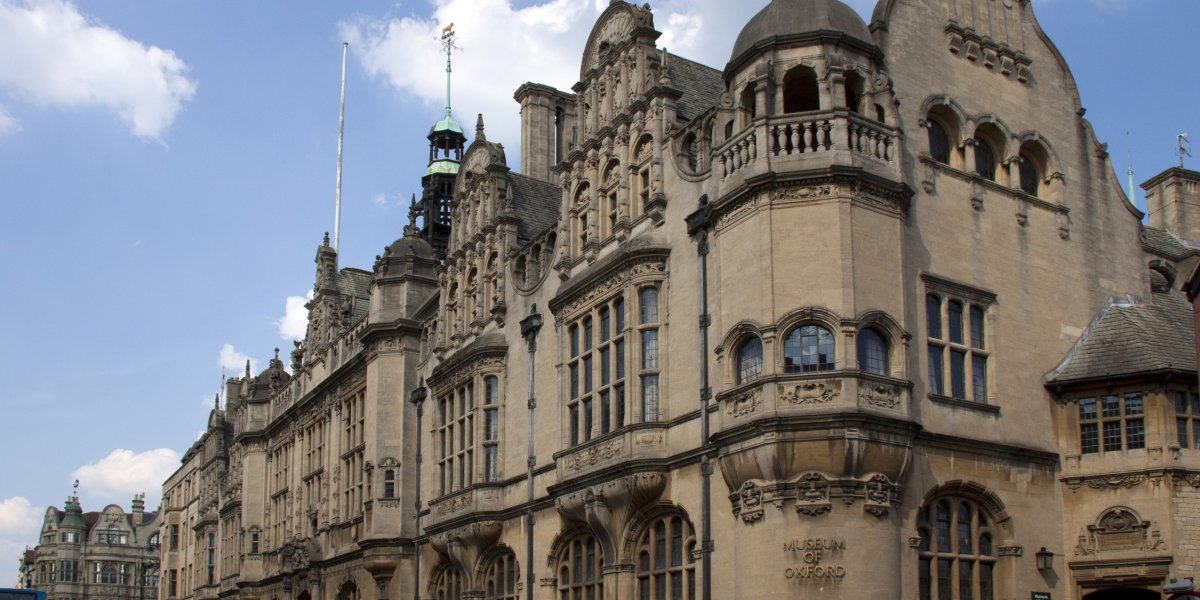
City Guide
Oxford
Reino Unido · Best time to visit: May-Sep.
Day-by-day plan
Choose your pace
Duración del viaje
09:00
Landmark
Start at the heart of Oxford: walk east from the train station along Park End Street and Cornmarket — the streets narrow and the stone warms with each block until Radcliffe Square opens before you and the Radcliffe Camera stops you mid-stride. This perfect Palladian rotunda, glowing like warm honey in the morning light, is the single most iconic image of the city. Circle the building slowly, taking in the Bodleian Library's medieval facade on the north side, the Gothic pinnacles of All Souls College to the east, and the soaring spire of the University Church of St Mary to the south. At this hour the square belongs to you and a few cycling students; by 10:30 the tour groups arrive and the magic shifts.
Tip: Stand at the south end of Radcliffe Square facing north for the classic postcard shot — the Camera centred with the Bodleian and Tower of the Five Orders framing the background. The morning sun lights the eastern face perfectly between 09:00 and 10:00; by afternoon the light flattens and the square fills with tourists. If the gate to the Old Schools Quadrangle on the north side is open, step through for a quiet courtyard with nobody in it.
Open in Google Maps →10:30
Landmark
Exit Radcliffe Square through the narrow passage at the northeast corner onto Catte Street — the walls close in and then the skybridge appears above you like a scene from a period film. Hertford Bridge, Oxford's answer to Venice's Bridge of Sighs, links two halves of Hertford College in an arc of creamy limestone. Walk beneath it, then cross to the middle of New College Lane for the best photo angle. Continue west onto Broad Street to admire the Sheldonian Theatre's row of stone emperor heads lined up like weathered sentinels, and the ornate Clarendon Building — all within a two-minute stroll.
Tip: The best angle is from the middle of New College Lane looking up and slightly east — you get the full arch with the Bodleian tower behind it. Avoid shooting from Catte Street where the perspective is too flat and the bridge looks like a wall. The third stone emperor head from the left outside the Sheldonian has the most expressive face — locals call them the 'bearded ones' and nobody knows who they actually represent.
Open in Google Maps →12:00
Food
Walk west along Broad Street past Blackwell's Bookshop — pause to admire its modest facade hiding one of the largest single rooms of books in Europe below ground — then turn south onto Turl Street and enter the Covered Market from the High Street entrance. This iron-roofed market has fed Oxford since 1774 and still feels like a local secret. Head for Sasi's Thai at the centre of the market: a beloved counter stall where students and professors queue side by side for fragrant pad Thai (£9) and green curry with rice (£10). Eat at the communal benches and you are done in twenty minutes — fuel for the afternoon, not a sit-down affair.
Tip: Arrive at noon sharp — by 12:20 the queue at Sasi's stretches past the neighbouring stalls. If Thai is not your mood, Pieminister two aisles over does a proper British steak-and-ale pie with mash (£9.50) that locals swear by. After eating, grab a warm cookie from Ben's Cookies (the original shop since 1984, dark chocolate chunk is the one) for the walk south.
Open in Google Maps →13:00
Landmark
Exit the Covered Market from the south side, cross High Street, and walk down St Aldate's — in three minutes Tom Tower appears ahead, the baroque bell tower designed by Christopher Wren that still tolls Great Tom 101 times every evening at 21:05, once for each original student. You are looking at the entrance to Oxford's grandest college: its Great Hall inspired the Hogwarts dining hall, its meadow stretches to the river, and its alumni include thirteen British prime ministers. Without entering the college, walk through the War Memorial Garden on the left for a clear view of the cathedral spire and Tom Tower together. Then follow the path into Christ Church Meadow — a vast green expanse where longhorn cattle graze within sight of the spires, one of the most surreal juxtapositions in England.
Tip: For the best exterior photo of Tom Tower, stand on the west pavement of St Aldate's directly across from the main gate — the early afternoon sun now illuminates the full facade and the golden weathervane glints. Continue through Christ Church Meadow heading east along the Broad Walk, a grand tree-lined avenue that delivers you directly to the river in about fifteen minutes with zero navigation required. This walk is the itinerary's hidden highlight — spires behind you, open meadow on both sides, cows ignoring you completely.
Open in Google Maps →15:00
Entertainment
The Broad Walk ends at the confluence of the Thames and Cherwell. Turn left and follow the riverbank north for ten minutes through dappled shade — the Magdalen Bridge Boathouse appears on your right with a flotilla of flat-bottomed punts rocking gently at the dock. Take a self-hire punt and push off upstream along the Cherwell: you will glide beneath trailing willows, past the walled gardens of Magdalen College deer park where actual deer watch you from the bank, and under an ancient stone footbridge with barely a sound except birdsong and your pole breaking the water. This is the Oxford you see in films — impossibly green, impossibly still, and impossible to forget.
Tip: Self-punt hire costs £25–28 per boat per hour and fits up to five — ask at the dock if anyone wants to share the cost. Stand on the flat platform at the back (not the sloped end) and push the pole straight down close to the side of the punt, letting it slide through your hands; pulling it back out at an angle is how people fall in. Head upstream — the northern stretch past Magdalen deer park is far prettier and quieter than the busy southern route toward the Isis.
Open in Google Maps →19:00
Food
Return the punt, climb the steps to Magdalen Bridge, and walk west along High Street — this is Oxford's most handsome commercial street, with college facades alternating with independent shops for the entire fifteen-minute stroll. Quod occupies the ground floor of the Old Bank Hotel at number 92, a grand double-height space with floor-to-ceiling windows and an open kitchen that feels more Milan than Midlands. Locals come for the wood-fired nduja pizza drizzled with honey (£16) and the dry-aged burger with bone-marrow butter (£18). The atmosphere is buzzy but unhurried — exactly right for the final meal of a day that covered eight centuries of history on foot.
Tip: No reservation needed before 19:30 on weekdays — walk in and ask for a window table facing High Street for the best people-watching as the colleges empty out. Skip the pre-theatre prix fixe and order à la carte; a pizza or burger plus a glass of wine comes to about £25–30. One warning for this neighbourhood: the cluster of chain restaurants around George Street and Cornmarket to the northwest is where locals never eat — overpriced, mediocre, and designed to catch tourists who wandered off High Street. Stay south of Broad Street and you will eat well.
Open in Google Maps →Saltar al día
09:00
Religious
Start your morning at the south end of Radcliffe Square — the honey-colored tower rising above the cobblestones is your first climb. Ascend the 127 narrow spiral steps and Oxford's most iconic view unfolds: the perfect dome of the Radcliffe Camera directly below, the Bodleian Library behind it, and a sea of spires dissolving into the Oxfordshire countryside. In the early morning light the limestone glows amber and you'll likely have the platform entirely to yourself.
Tip: Arrive right at the 9:00 opening — by 10:00 the narrow staircase becomes a bottleneck and you'll queue for 15 minutes. The best photo angle for Radcliffe Camera is from the south-facing parapet, shooting slightly downward with a wide lens. On weekdays the tower is nearly empty until 9:30.
Open in Google Maps →10:00
Landmark
Exit the church and turn left — the Bodleian's Old Schools Quadrangle is directly across Radcliffe Square, a 2-minute walk past the Radcliffe Camera. Book the standard tour to access Duke Humfrey's Library, the medieval reading room where scholars have studied since 1488 — its painted ceiling and chained-book atmosphere feel like stepping into a time machine. The Divinity School downstairs, with its extraordinary fan-vaulted ceiling, served as Hogwarts' infirmary in the Harry Potter films.
Tip: Book the 'standard tour' (30 minutes, includes Duke Humfrey's Library) online at least 2 days ahead — it sells out, especially on weekends. The 'mini tour' only covers the Divinity School and courtyard. No photography is allowed inside Duke Humfrey's Library, so soak it in with your eyes. The free Weston Library exhibition space next door is worth a quick look if you finish early.
Open in Google Maps →12:00
Food
Walk south from the Bodleian onto the High Street, then duck into the first covered entrance on your left — look for the Victorian ironwork above the Market Street archway, a 3-minute stroll. Oxford's Covered Market has fed students and dons since 1774. Skip the sit-down restaurants and graze your way through: grab a proper steak and ale pie from one of the butcher-bakers (£5–7, eaten standing at the counter, gloriously unpretentious), then finish with a warm cookie from Ben's Cookies (£2.50) — the original shop that spawned the global chain, and the dough is softer here than anywhere else.
Tip: The market is busiest 12:30–13:30 on Saturdays — aim for noon on any day. The best pie counter is at the far end near the High Street exit. Don't miss the old-school shoe repair shops and florists tucked between the food stalls — they've been here for generations and give the market its soul.
Open in Google Maps →13:15
Landmark
Exit the Covered Market onto High Street, turn right, and walk 5 minutes south down St Aldates — the imposing Tom Tower, designed by Christopher Wren, marks the entrance. Christ Church is Oxford's grandest college: the Great Hall, with its double hammer-beam ceiling and rows of portraits, directly inspired the Hogwarts Great Hall. Walk through the cloisters to Tom Quad, the largest quadrangle in Oxford, where the Great Tom bell still rings 101 times every evening at 21:05 — once for each original scholar.
Tip: The Great Hall closes unpredictably for college events, especially during term-time lunches (usually 11:45–14:15) — check the website the morning of your visit. The adjacent cathedral, England's smallest, hides a stunning Burne-Jones stained glass window most visitors miss. Enter via the Meadow Gate (south entrance) instead of Tom Tower to skip the queue on busy weekends.
Open in Google Maps →15:15
Landmark
Leave Christ Church through the Meadow Gate and walk east along the tree-lined Broad Walk, with Christ Church Meadow stretching out to your left — at the far end, emerge onto Rose Lane, turn left to the High Street, then right toward Magdalen Bridge. The 15-minute walk through the meadow is one of Oxford's most peaceful. Magdalen (pronounced 'Maudlin') is the college that makes even Oxford students jealous: a 15th-century bell tower, a private deer park where fallow deer have grazed since the 1700s, and an Addison's Walk loop through water meadows lined with ancient oaks.
Tip: Walk the full Addison's Walk loop (20 minutes) through the water meadows — in spring the ground floods with snake's-head fritillaries, a wild purple flower found almost nowhere else in Britain. The deer park is at the southern end; the deer are used to visitors but keep a respectful distance. Late afternoon light through the Great Tower makes the best photograph of the day.
Open in Google Maps →19:00
Food
Walk west along the High Street from Magdalen, past the golden college facades, turn right onto Catte Street, then take the narrow alley off Holywell Street — follow the tiny hand-painted signs reading 'Turf Tavern.' Finding the pub through medieval lanes is an Oxford rite of passage. Tucked beneath the old city walls since the 13th century, the Turf has hosted everyone from Bill Clinton to Inspector Morse. Order a pint of local Brakspear ale (£5.50) and the steak and ale pie with mash (£15) — the classic combination. Budget £18–25 per person with a drink.
Tip: Arrive by 18:30 to claim a courtyard table — by 19:30 every seat is taken. No reservations accepted. Avoid the generic chain restaurants on Broad Street near Blackwell's — they charge London prices for forgettable food. The Turf looks like a tourist trap from the alley signs but it genuinely is where locals drink, especially the back courtyard regulars who've been coming for decades.
Open in Google Maps →10:00
Museum
Start your morning at the grand columned façade on Beaumont Street, a 10-minute walk northwest from the city center along Cornmarket Street. The Ashmolean, founded in 1683, is the world's first public museum — and it never charges a penny. Three objects deserve your full attention: the Alfred Jewel, a 9th-century gold-and-enamel treasure believed to have belonged to King Alfred the Great; the 'Messiah' Stradivarius, the best-preserved Strad in existence and never played in concert; and a Raphael drawing so delicate it takes your breath away.
Tip: Arrive at 10:00 opening — the ground floor Egyptian galleries get crowded by 11:00. Work your way up from the basement (antiquities) to the top floor (modern art) to follow the chronological flow. Both the Ashmolean and Pitt Rivers Museum are closed on Mondays — do not schedule this day on a Monday. The rooftop dining terrace has one of Oxford's best views if you want a coffee break.
Open in Google Maps →12:15
Food
Exit the Ashmolean and cross St Giles' into Jericho — walk north on Little Clarendon Street, past independent bookshops and vintage stores, then turn left onto Walton Street. The neighbourhood's creative energy is immediately obvious: murals on brick walls, cycling academics, and the smell of roasting coffee from every doorway. The Jericho Café is a neighbourhood institution packed with locals reading newspapers over strong flat whites. Order the eggs Florentine on Oxford-made sourdough (£10) or the smoked salmon bagel (£9). Budget £10–15 per person.
Tip: Jericho is Oxford's bohemian quarter — home to writers, artists, and the setting for Philip Pullman's 'Northern Lights.' The café fills up fast on weekends; if there's a queue, walk 30 seconds further along Walton Street for equally good alternatives. Don't bother with the overpriced brunch spots on Little Clarendon Street — Jericho proper is better value and more authentic.
Open in Google Maps →13:30
Museum
Walk east from Jericho along Parks Road — the 10-minute journey passes quiet residential streets lined with wisteria in season. The Natural History Museum's cathedral-like glass-and-iron hall houses Oxford's famous dodo skeleton and towering dinosaur casts. But the real treasure is through the door at the back: the Pitt Rivers Museum, a Victorian cabinet of wonders crammed floor-to-ceiling with over 500,000 objects arranged by theme rather than origin — shrunken heads, samurai armour, witch-in-a-bottle charms, all in dark mahogany cases lit by skylights. It feels like exploring an eccentric professor's private attic.
Tip: Go straight through the Natural History Museum to the Pitt Rivers at the back — most tourists linger in the front hall and never discover it. Dozens of display cabinets have pull-out drawers underneath containing additional objects you can examine up close. The shrunken heads (tsantsas) are in the 'Treatment of Dead Enemies' case on the ground floor — ask a guard if you can't find them.
Open in Google Maps →15:15
Entertainment
Walk south from the museums along Parks Road, then east on South Parks Road toward Magdalen Bridge — a 15-minute walk through quiet college grounds with glimpses of private gardens. At Magdalen Bridge Boathouse, hire a punt and push off onto the River Cherwell. The route drifts south past overhanging willows and the Botanic Garden walls, with nothing but birdsong and the splash of your pole. Punting looks effortless but isn't — expect comedy, wet sleeves, and at least one near-collision. The trick: stand on the flat end, push the pole straight down close to the boat's side, and let it slide through your hands as the punt glides forward.
Tip: Self-hire costs around £22–28 per hour and fits 4–5 people. Avoid the chauffeur-punted tours at £35+ per person — they're scenic but passive, and half the joy is the chaos of learning yourself. Weekday afternoons have the shortest queues. Bring a waterproof phone pouch. If the queue at Magdalen Bridge is long on sunny weekends, the Cherwell Boathouse further north on Bardwell Road is quieter and the route arguably prettier.
Open in Google Maps →17:00
Park
Step off the punt at Magdalen Bridge and walk 30 seconds to the entrance on Rose Lane — the UK's oldest botanic garden, founded in 1621, is directly adjacent. Despite its modest size it holds over 5,000 plant species in beautifully walled beds. Philip Pullman fans: the bench at the far end of the garden, overlooking the Cherwell, is where Lyra and Will sit in the final scene of 'His Dark Materials' — it has become an unofficial literary pilgrimage site with a small plaque. The late afternoon light catching the ancient stone walls makes this the most quietly beautiful moment of the trip.
Tip: Last entry is 30 minutes before closing (18:00 Apr–Sep, 17:00 Oct–Mar) — check the season before planning. The walled garden straight ahead from the entrance is the most photogenic section. Don't miss the giant lily pads in the tropical glasshouse during summer months.
Open in Google Maps →19:00
Food
Walk 10 minutes west along the High Street from the Botanic Garden, past the Examination Schools and the Radcliffe Camera glowing gold in the evening light, then turn right onto Turl Street. This charity-run restaurant puts all profits into Oxford community projects, but don't mistake social mission for compromise — the seasonal British menu rivals the city's best. The slow-roasted lamb shoulder with root vegetables (£18) is the signature dish; the wild mushroom risotto (£14) is the vegetarian star. A glass of English sparkling wine (£9) makes the perfect farewell toast to the City of Dreaming Spires. Budget £22–30 per person.
Tip: Reserve a table online for dinner — the restaurant is small and popular with locals, especially Thursday to Saturday. The walk from the Botanic Garden along a now-quiet High Street, with colleges lit up and the Radcliffe Camera glowing against the dusk, is Oxford's most cinematic stroll — don't rush it. Avoid the souvenir shops on Broad Street and High Street selling mass-produced 'Oxford University' merchandise at inflated prices; if you want a genuine keepsake, Blackwell's Bookshop on Broad Street has been here since 1879 and its curated Oxford section is the real thing.
Open in Google Maps →
Trip builder
Plan this trip around Oxford
Turn this guide into a bookable rail itinerary with FlipEarth.
Keep exploring
Related cities
More in the same country
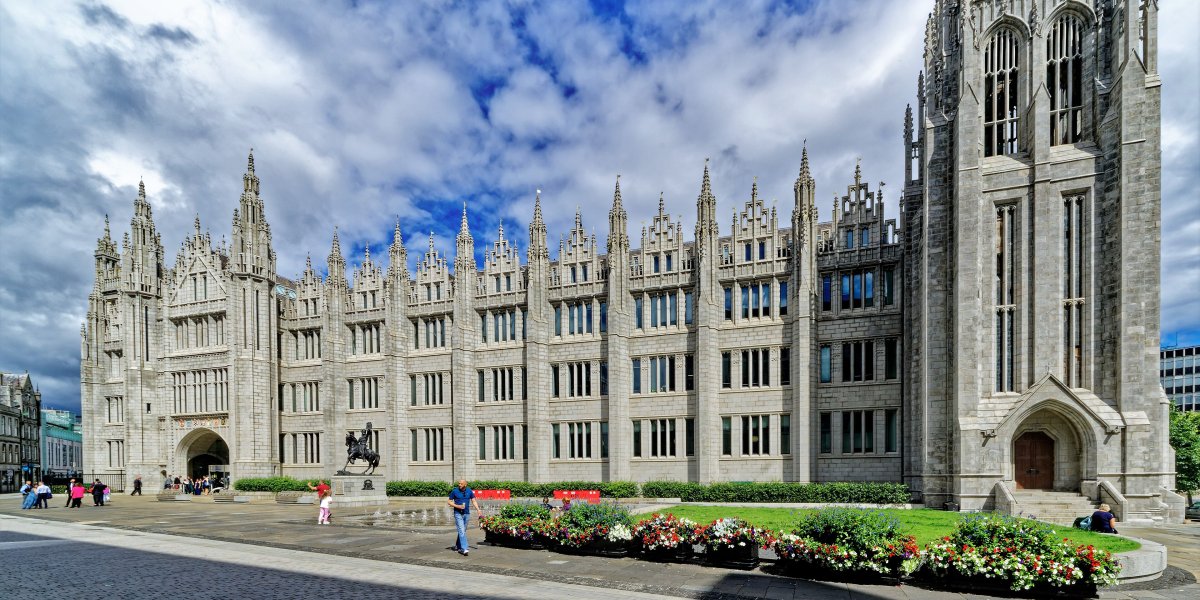
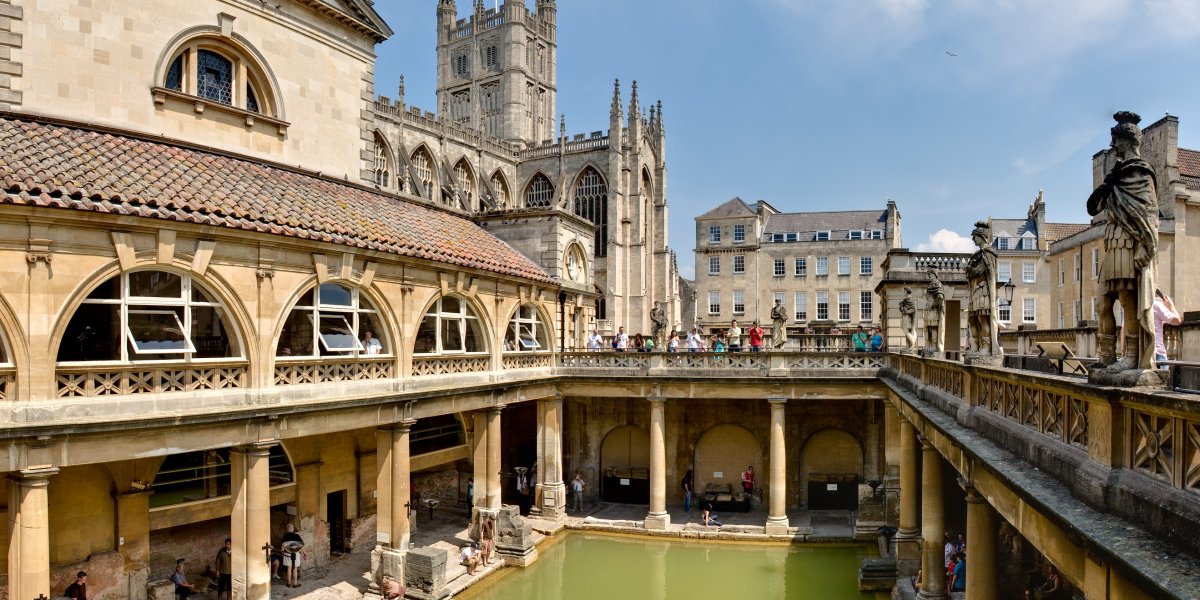
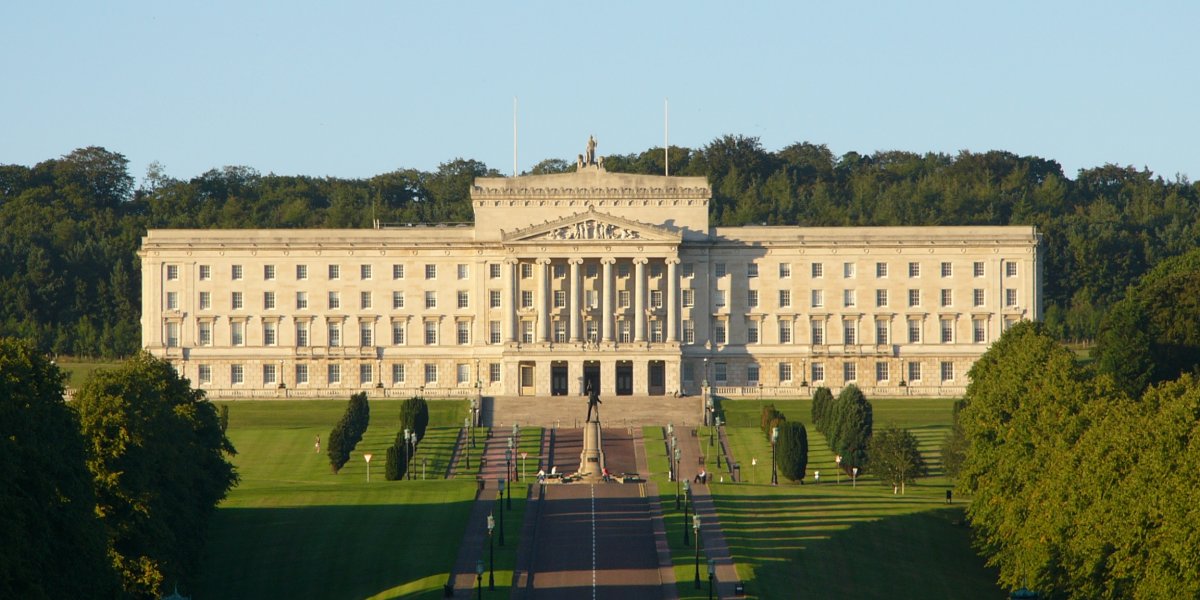

FAQ
Frequently asked questions
How many days do you need in Oxford?
Most travelers enjoy Oxford in 1 days, with enough time for headline sights and a slower meal or museum stop.
What's the best time to visit Oxford?
The easiest season for most travelers is May-Sep, especially if you want good weather and manageable crowds.
What's the daily budget for Oxford?
A practical starting point is about €85 per person per day before hotels, then adjust based on museums, dining, and transport.
What are the must-see attractions in Oxford?
A good first shortlist for Oxford includes Radcliffe Camera & Bodleian Library, Hertford Bridge (Bridge of Sighs), Christ Church.