City Guide
Cork
Ireland · Best time to visit: May-Sep.
Day-by-day plan
Choose your pace
Trip length
10:00
Religious
Cross the Lee to the north bank and climb the steep lane up to Shandon — the salmon-tipped weather vane on top has guided sailors home for 300 years. Inside the tower, climb 132 polished wooden steps to the bell room, pull the four ropes to ring any tune you like (sheet music for 'Danny Boy' and the Cork Anthem is provided), then continue to the open belfry for the city's best 360° view. We start here because the tower opens at 10:00 sharp — the first thirty minutes give you the bell room to yourself, and the morning sun lights the four-faced clock (locally nicknamed 'the Four-Faced Liar' because each clock face shows a slightly different time) perfectly from the courtyard below.
Tip: Pull the rope HARD — the bell delays by nearly a second, so play any tune at half speed or it sounds like a car alarm. Wear shoes with grip: 250 years of climbers have polished the wooden stairs glassy.
Open in Google Maps →11:45
Food
Descend through the Shandon lanes, cross Patrick's Bridge over the Lee, and walk five minutes south to Princes Street — about 15 minutes downhill with pastel-fronted Georgian shops the whole way. Enter through the 1788 limestone arch into one of Europe's oldest covered food markets. Browse stalls of drisheen, Cork spiced beef, and West Cork Gubbeen cheese, then queue at 'On the Pig's Back' for their cured-meat sourdough sandwich (€9) or a charcuterie board (€14). Carry it upstairs to the gallery balcony and eat looking down at the central fountain — the same gallery where Queen Elizabeth II famously paused on her 2011 visit, a moment Cork still talks about.
Tip: Skip the sit-down Farmgate Café upstairs — 30-minute lunchtime queue with no walk-ins. The market closes at 18:00 sharp on weekdays; if you want to take West Cork cheese home, buy it now from Iago, not later.
Open in Google Maps →14:00
Religious
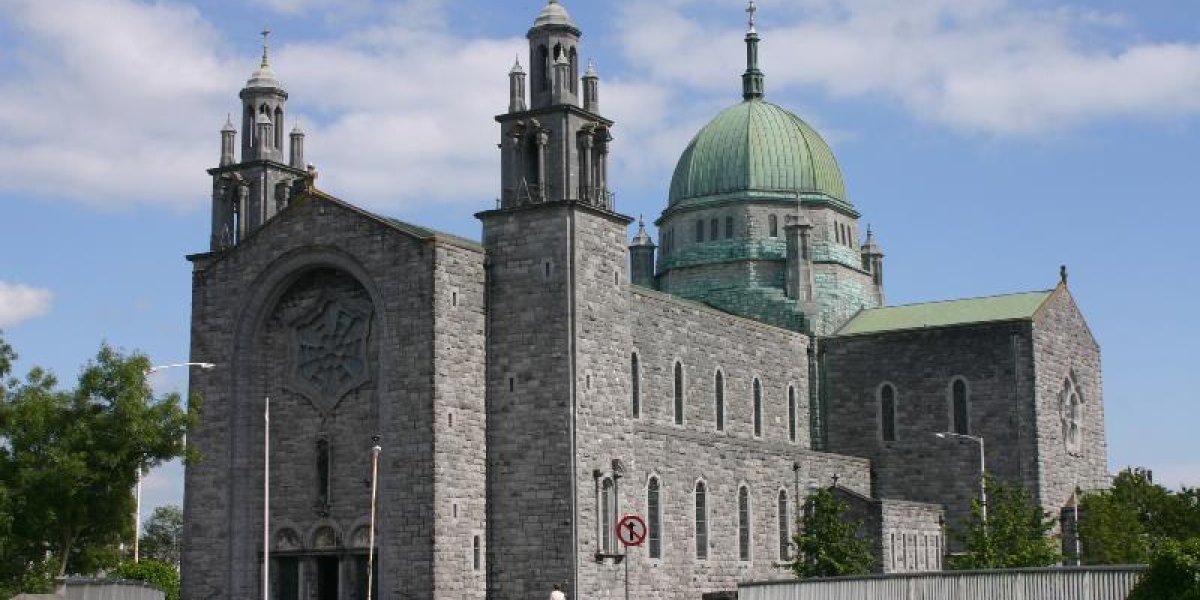
Exit the market via Grand Parade, head south, and cross the South Gate Bridge over the Lee — a 12-minute walk past the candy-coloured Georgian houses of Bishop Street. William Burges's 1879 French Gothic cathedral explodes out of the modest south-bank skyline: three spires, a gilded angel on the eastern peak, and a west façade carved with over 1,200 biblical figures you could study for an hour. Skip the interior today and circle the building completely — at 14:00 the south side catches the great rose window in full afternoon glare, and the angle from the iron gates on Bishop Street gives the classic three-spire postcard frame.
Tip: Look up at the eastern spire — that gilded angel is the 'Resurrection Angel' and local legend says it will fly off when the world ends. The carvings above the west door hide a self-portrait of architect William Burges himself — find the bearded man on the right-hand jamb.
Open in Google Maps →15:00
Landmark
Walk three minutes uphill on Barrack Street — Elizabeth Fort sits directly behind the cathedral. Built in 1601, held by Cromwell's army, and now an active Garda station whose star-shaped ramparts are free to walk. Climb the walls for what locals consider the single best photo angle in Cork: the three spires of St. Fin Barre's framed against the entire south-city skyline, with the Lee winding west toward UCC. We come here right after the cathedral so you can see the building from above before the sun drops behind the spires around 17:00.
Tip: Free entry — walk straight through the open gate, no ticket needed. The southwest bastion gives the cleanest cathedral shot; the northeast bastion frames the whole city centre toward Shandon, so you can literally see your morning route in one photograph.
Open in Google Maps →16:00
Neighborhood
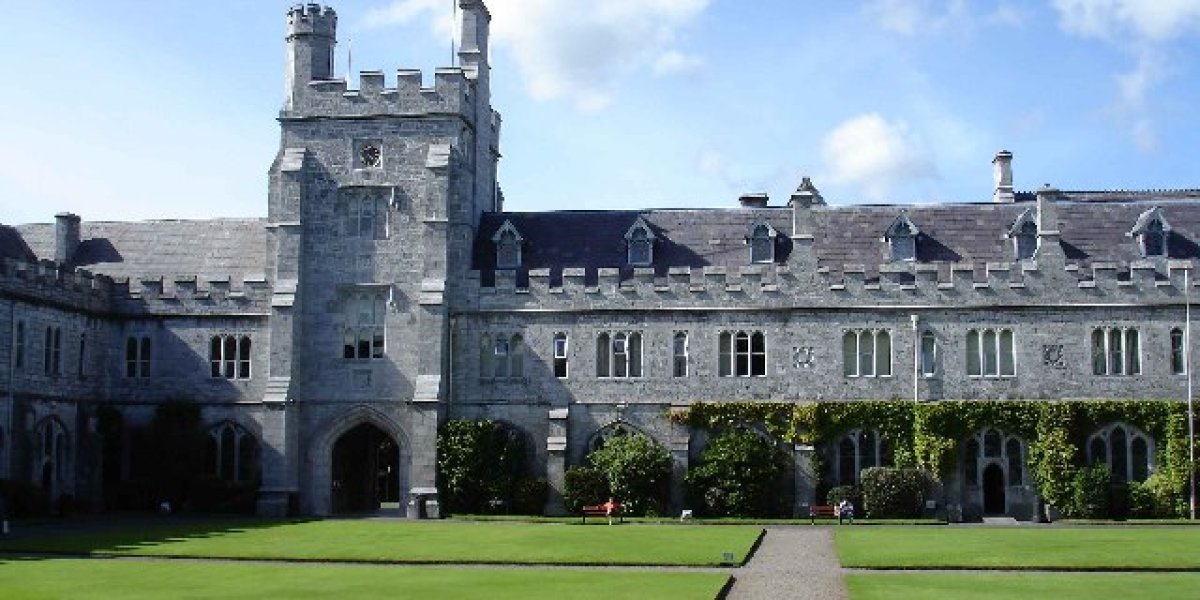
Descend Barrack Street, cross the South Gate Bridge again, then turn west onto the Mardyke — a 200-year-old tree-lined Victorian promenade locals have used for evening walks since the Georgian era. After 18 minutes you reach UCC: stroll through the limestone Quad (1849, modeled on Oxford), peer through the south windows of the Honan Chapel for Harry Clarke's stained glass (the windows glow most intensely around 16:30 as the sun shifts west), then continue into Fitzgerald Park. Cross Daly's pedestrian bridge to Sunday's Well for Cork's picture-postcard view: pastel terraces tumbling down to the Lee with Shandon's tower visible in the distance. Return the same way — the full loop is roughly 4 km of easy, beautiful river walking.
Tip: The UCC Quad's main gate closes at 18:00 — enter via the Western Road entrance which stays open later. The Honan Chapel holds the largest single collection of Harry Clarke stained glass in Ireland; the windows are visible through the south-side glass even when the chapel itself is locked, and almost no tourists know this exists.
Open in Google Maps →19:00
Food
Walk back east along the south bank of the Lee — about 25 minutes — emerging on Oliver Plunkett Street as the city's traditional pubs start to fill with after-work crowds. Market Lane is Cork's most reliable modern Irish kitchen, sourcing almost everything within 50 km of the city. Order the Skeaghanore duck breast (€26) — the same West Cork farm supplies most of Ireland's top restaurants — and start with Macroom brown bread served with smoked Cork butter (€5). Two courses run €35-45 per person; the wine list is heavy on natural producers from the Loire and Languedoc.
Tip: Arrive before 19:30 for a no-reservation bar seat facing the open kitchen — the main dining room books out two days ahead. PITFALL WARNING: avoid the bright-fronted 'traditional Irish' pubs further west on Oliver Plunkett and Patrick Street that advertise fish & chips at €22 with a fiddler in the window — they target cruise passengers, serve frozen fish, and no Cork local will be inside. If Market Lane is full, walk two doors down to Elbow Lane (same owners, in-house smokehouse and brewery) — equally good and far easier to walk into.
Open in Google Maps →Jump to day
09:30
Landmark
From the city center, cross Griffith Bridge and climb Shandon Street for 12 minutes — the pepper-pot tower rises ahead as the hill steepens. Shandon is one of the very few belfries in Europe where visitors are allowed to pull the ropes themselves, and a numbered tune sheet at the top makes 'Danny Boy' foolproof. Climb on to the four-faced clock (Cork calls it 'the four-faced liar' because every dial reads a different time) for a sweeping panorama over the River Lee.
Tip: Arrive right at 09:30 before the 11:00 coach groups — you'll often have the bells to yourself. Ring slowly; the ropes are heavier than they look, and the bells echo across half the city when you strike them properly.
Open in Google Maps →11:00
Museum
Walk 3 minutes across cobblestoned O'Connell Square — the small red-brick museum sits literally in the shadow of Shandon's tower. Cork was once the butter capital of the world, shipping firkins of salted butter from Kerry farms to New York and the Caribbean; the star exhibit is a 1,000-year-old lump of bog butter, still eerily intact. One hour is plenty for the full route, including the short documentary at the entrance.
Tip: Skip the audio guide — the wall panels are better written. The gift shop stocks artisan Glenilen butter and wooden butter pats you genuinely cannot find outside Ireland; it's the smartest souvenir in Cork.
Open in Google Maps →12:30
Food
Stroll 12 minutes south across the North Gate Bridge and down Cornmarket Street — you'll smell fresh bread and fish before you reach the arched Princes Street entrance of the 1788 English Market (Queen Elizabeth II famously visited in 2011). Climb the iron stairs to Farmgate Café on the gallery level, a balcony restaurant that cooks entirely from the stalls below. Order the traditional lamb stew (€16) or Cork drisheen with crubeens (€14), with brown bread and a pot of Barry's tea.
Tip: Ask for a seat at the balcony counter overlooking the fish hall — the view of stallholders shouting orders is half the meal. They don't take reservations, so arrive by 12:30 sharp; by 13:15 on a Saturday the queue stretches down the stairs.
Open in Google Maps →14:30
Religious
Exit the market via the Grand Parade side and walk 12 minutes southwest over the Nano Nagle footbridge — three slender grey spires lift above the south bank. William Burges's 1879 cathedral is a French High Gothic fantasy dropped into Cork: 1,260 carved figures cover the interior, and stained glass windows narrate the entire biblical story from floor to vault. Look up to the west rose window — the afternoon sun pours directly through it from 14:30 to 15:30.
Tip: On the south lawn, find the small cannonball lodged in the spire — it's a relic of Cromwell's 1690 siege and most visitors miss it. The gold-leaf 'Resurrection Angel' on the east spire turns toward you when the wind shifts, a quiet piece of Cork folklore worth telling the kids.
Open in Google Maps →16:30
Landmark
Walk 4 minutes east along Bishop Street — the star-shaped fort walls hide behind a plain gate many tourists march straight past. Built in 1624 as an English garrison, then a women's prison, then a Garda station, the fort is now one of Cork's best-kept free viewpoints. Climb the rampart for a 360° sweep across the city's spires and the double-channelled River Lee.
Tip: Free entry, and completely uncrowded after 16:00. Stand on the southeast corner at 17:30 in summer — the three spires of St. Fin Barre's align against the setting sun, the single best sunset frame in Cork.
Open in Google Maps →19:30
Food
Cross back over South Gate Bridge and follow Oliver Plunkett Street 10 minutes east — Market Lane's warm oak-and-brass front glows on the corner opposite the GPO. For 15 years this has been Cork's dependable favorite, sourcing 90% of the plate from within 30 km of the door. Start with Gubbeen smoked charcuterie (€14), then West Cork beef cheek with horseradish mash (€26), paired with a natural wine from the Irish-heavy list.
Tip: Pitfall warning: ignore the 'authentic Irish music' pubs further down Oliver Plunkett Street that charge €8 a pint with a bagpipe loop on the speakers — that's not Cork, that's Temple Bar cosplay. For a real post-dinner trad session, walk 10 min north to Sin É on Coburg Street; free, packed with locals, starts around 21:30. Book Market Lane 48 hours ahead for 19:30 or grab walk-in bar seats from 18:00.
Open in Google Maps →09:00
Landmark
Catch the 08:30 Bus Éireann 215 from Parnell Place (every 30 min, €3.50 each way, 25-min ride through rolling West Cork farmland). The 15th-century keep rises out of a meadow of ancient yews and magnolias — climb the spiral stairs to the battlements, lean back upside-down over the parapet, and kiss the Blarney Stone for the legendary 'gift of gab.' Afterwards, wander the Poison Garden (legal opium poppies, wolfsbane behind iron cages) and the druidic Rock Close — these are the prettier half of the estate that day-trippers skip.
Tip: Arrive at the 09:00 opening — by 11:00 the stone queue stretches 45 minutes, by lunch it's over an hour. Tip the staff member who holds you at the stone (€2) and he'll let you take the photo again if the first one blurs; most visitors only realize afterwards that their shot is unusable.
Open in Google Maps →13:00
Food
Take the 215 bus back to Cork city (25 min) and walk 15 minutes south across the river onto Bandon Road — the little white-tiled shopfront has been frying fish since 1951. Lennox's is Cork's oldest chipper and still the best: hand-battered fresh haddock and chips (€13), a pot of mushy peas, and a paper-wrapped spice burger on the side (€6 — a deep-fried minced-beef roll that exists literally nowhere else in the world). Sit in the red-vinyl booth, not the takeaway counter — the regulars and the framed black-and-white photos are part of the meal.
Tip: The must-order is the spice burger — half of all first-time visitors don't know it exists and leave without trying it. Ask for it 'supper style' (in a bap with salad) for the fullest Cork experience. Cash or card both fine, no reservations.
Open in Google Maps →14:30
Landmark
Walk 10 minutes north up College Road — pass the Glucksman on your left, enter UCC's main gate beneath the granite archway. The 19th-century quadrangle is one of Ireland's prettiest university courtyards, and at the far end sits the 1916 Honan Chapel — a Celtic Revival jewel-box whose 11 Harry Clarke stained glass windows are, quietly, better than anything in Dublin. Enter softly (it's still a working chapel); the afternoon south light sets Clarke's 'St. Gobnait' window alight between 14:30 and 15:30.
Tip: Free, and almost no tourists come here — it's the secret the locals keep. Look down: the floor mosaic of the River of Life runs the length of the nave, with every fish species found in Irish rivers inlaid in colored stone. Photography without flash is fine.
Open in Google Maps →16:00
Museum
Exit UCC by the lower gate and walk 3 minutes downhill — a cantilevered timber-clad box floats over the Lee's north channel. The 2004 RIBA-winning building is as much the exhibit as the contemporary Irish and international art rotating inside; one hour is enough for the current show plus a stand on the upper viewing deck where the gallery juts out over the river. The ground-floor café does the best flat white in the city.
Tip: Free entry (suggested €5 donation). Sunday hours are 12:00-17:00 — if you only see one gallery in Cork, make it this one. Collect the current exhibition booklet at the desk; the curators' notes are unusually literate.
Open in Google Maps →17:00
Park
Cross the Mardyke footbridge 1 minute from the Glucksman into Fitzgerald Park — Cork's riverside lung, laid out for the 1902 Cork International Exhibition. Drift through the rose garden, pause at the Victorian bandstand, then cross Daly's Bridge (everyone calls it 'the Shaky Bridge'), a 1927 suspension footbridge that genuinely wobbles as you walk. The small Cork Public Museum on the north edge covers maritime and civic history in 30 minutes — free, and closes at 17:00 on Sundays, so prioritize it first.
Tip: Stand in the middle of the Shaky Bridge at 17:45 in summer and look east — the three St. Fin Barre's spires align perfectly with the river's vanishing point against the evening sky. The rose garden peaks in June-July; in April watch for the magnolia grove near the main gate.
Open in Google Maps →19:30
Food
Walk 25 minutes east along the Mardyke, cross Christy Ring Bridge into the Victorian Quarter (or grab the 208 bus, 10 min) — Greenes sits in a hidden stone courtyard where a six-meter waterfall cascades down a limestone cliff beside your table. Chef Bryan McCarthy cooks obsessively sourced modern Irish: the West Cork bluefin tuna crudo (€18) and Skeaghanore duck with blackcurrant (€32) are the signatures. On a warm evening, request courtyard seating; on any other, the skylit dining room is its own kind of magic.
Tip: Pitfall warning: avoid the 'trad music with dinner' packaged tours that shuffle cruise-ship tourists through MacCurtain Street pubs — the sessions are staged and the Guinness is €9. For a real nightcap after Greenes, walk 2 minutes to Sin É on Coburg Street: free, authentic, locals-only trad from 21:30. Book Greenes at least 3 days ahead for weekends, and specifically request the courtyard if the forecast is dry.
Open in Google Maps →
Trip builder
Plan this trip around Cork
Turn this guide into a bookable rail itinerary with FlipEarth.
Keep exploring
Related cities
More in the same country
FAQ
Frequently asked questions
How many days do you need in Cork?
Most travelers enjoy Cork in 1 days, with enough time for headline sights and a slower meal or museum stop.
What's the best time to visit Cork?
The easiest season for most travelers is May-Sep, especially if you want good weather and manageable crowds.
What's the daily budget for Cork?
A practical starting point is about €110 per person per day before hotels, then adjust based on museums, dining, and transport.
What are the must-see attractions in Cork?
A good first shortlist for Cork includes Elizabeth Fort.