City Guide
Paris
France · Best time to visit: Apr-Jun, Sep-Oct.
Day-by-day plan
Choose your pace
Reisedauer
09:00
Religious
Start at the Parvis Notre-Dame while tour buses are still en route. The morning sun catches the south facade and the reconstructed spire — walk around to Square Jean XXIII behind the cathedral for the flying buttresses glowing in direct sunlight. The restoration after the 2019 fire is complete, and the stonework has never looked this luminous in living memory.
Tip: The best full-cathedral photo is from Petit Pont on the south side, with the Seine in the foreground. The west facade (main entrance) is backlit in the morning — don't waste time trying to shoot it. If the queue to enter is under 15 minutes, step inside for 5 minutes: the new interior lighting after the restoration is genuinely worth seeing.
Open in Google Maps →10:30
Landmark
Cross Pont Neuf — Paris's oldest bridge — and walk 10 minutes west along the Right Bank; the Conciergerie's turrets make a good mid-walk photo over your shoulder. At this hour most visitors are queuing inside the museum, leaving the Cour Napoléon courtyard surprisingly empty. The glass pyramid catches mid-morning light at a low angle, creating mirror-sharp reflections in the surrounding pools. Frame it through the Passage Richelieu arch for a composition most tourists miss entirely.
Tip: Stand on the small metal marker at the exact center of the courtyard for perfect symmetry. The inverted pyramid is inside the underground Carrousel du Louvre — free to walk in, takes 3 minutes if you want to see it. Don't bother with the museum store outside: same products, worse prices than the one inside.
Open in Google Maps →12:00
Food
Walk through the Louvre's northern arcade and turn right on Rue de Rivoli — 5 minutes to the dark green facade at No. 226. Skip the sit-down salon queue: go straight to the comptoir (takeaway counter) on the left side of the entrance. Grab a Chocolat chaud L'Africain (€8.50, three African cocoa origins blended so thick a spoon stands up in it) and a Mont-Blanc (€9.50, the chestnut cream pastry they've perfected since 1903). Cross the street into the Tuileries Garden, find a green metal chair by the octagonal pond, and eat with the Louvre behind you and the Eiffel Tower ahead — this is how Paris does lunch.
Tip: The takeaway counter rarely has more than a 5-minute wait before 12:30 — the salon line reaches 40 minutes. Add a croque-monsieur (€16) if you need fuel for the 3km afternoon walk. Don't buy macarons here — Ladurée and Pierre Hermé are both far better for that.
Open in Google Maps →14:00
Landmark
The walk here is the experience itself: stroll the central axis of the Tuileries for 15 minutes under double rows of chestnut trees, cross Place de la Concorde beneath the 3,300-year-old Egyptian obelisk, then step onto the Champs-Élysées. This 2km boulevard slopes gently uphill, the Arc de Triomphe growing larger with every step — the early afternoon sun illuminates its carved stone reliefs in full clarity. Up close the scale overwhelms. Take the underground passage to stand directly beneath the vault and see the Tomb of the Unknown Soldier with its eternal flame.
Tip: Stand on the pedestrian traffic island halfway up the Champs-Élysées for the classic 'avenue stretching to the Arc' shot. Access the Arc ONLY via the underground passage on the right (north) side — never cross the roundabout on foot. If you want the rooftop panorama (€16, 284 steps, no elevator), budget an extra 45 minutes — the view down all twelve radiating avenues is unmatched.
Open in Google Maps →15:30
Landmark
Walk 12 minutes down Avenue Kléber. The moment you step onto the Trocadéro esplanade, the Eiffel Tower appears framed across the Seine — the single most iconic view in Paris. At this hour the afternoon sun lights up the iron lattice from the southwest in warm gold, the best light of the entire day for this angle. Take your time. Then descend through the Jardins du Trocadéro, cross Pont d'Iéna, and stand at the Tower's base: look straight up through the iron geometry — the scale from directly below is staggering. Walk the length of Champ de Mars as the light turns golden toward evening.
Tip: For the postcard shot, stand dead center of the Trocadéro steps. For a crowd-free photo, move to the far right edge of the Palais de Chaillot terrace. Skip the Champ de Mars lawn for upward shots — the low angle squashes the Tower. Street vendors here sell mini Eiffel Towers aggressively; a firm 'non merci' and keep walking. Do not accept anything handed to you — string bracelets and petition clipboards are scams targeting tourists in this area.
Open in Google Maps →19:00
Food
Walk 10 minutes southeast from the Tower base along Avenue de la Bourdonnais, turn left onto Rue Saint-Dominique — the 7th arrondissement's most charming market street, lined with fromageries and boulangeries already closing for the day. This corner bistro with red-and-white checked tablecloths has poured wine since 1908. Order the Confit de canard du Sud-Ouest (duck confit, €28 — the skin shatters like caramelized glass) and finish with the Baba au rhum (€14 — the waiter drenches it tableside from a bottle of aged rum). A glass of Côtes du Rhône starts at €8. Budget €40-50 per person.
Tip: Arrive at 19:00 sharp when dinner service starts — you can usually land a terrace table without a reservation. By 19:30 the wait begins. The corner terrace at Rue Saint-Dominique and Rue de l'Exposition is one of the most photogenic dinner spots in Paris. Skip Le Jules Verne inside the Eiffel Tower — €200+ for mediocre food and a view you've already seen better from Trocadéro.
Open in Google Maps →Zu Tag springen
09:00
Landmark
Take metro to Trocadéro — exit the station and the Eiffel Tower appears framed between the Palais de Chaillot wings, the most dramatic reveal in Paris. Photograph it from the esplanade railing while the plaza is still empty, then walk down through the fountains and across Pont d'Iéna to the tower base. Take the stairs to the second floor — the view beats the summit because you can see the city's texture, with the ironwork framing every shot.
Tip: Book online at least 2 months ahead. Choose 'Stairs to 2nd floor' (€11.80): shorter queue, better workout, better view. The summit is overrated — too high to see detail, plus 40 extra minutes in elevator queues. Arrive at Trocadéro by 09:00 to shoot the empty esplanade, then be first in line when the tower opens at 09:30.
Open in Google Maps →12:00
Food
Walk 8 minutes east along the tree-lined Avenue de la Bourdonnais to Rue Cler — Paris's most charming open-air market street. Café du Marché sits in the middle with a classic sidewalk terrace where 7th arrondissement locals actually eat. The street itself is the appetizer: cheese shops, flower stalls, and rotisserie chickens spinning in windows.
Tip: Order the Entrecôte-frites (€18) or Croque Monsieur (€12). Arrive right at noon for a terrace seat — by 12:30 it's full. The tourist traps around the tower charge double for half the quality; these 8 extra minutes of walking save real money and disappointment.
Open in Google Maps →13:30
Museum
Walk 20 minutes east along the Seine — one of Paris's most beautiful riverside stretches, passing the gilded Pont Alexandre III and the golden Invalides dome across the water. The museum is a converted railway station that stuns you before you see any art. Head straight to the 5th floor for Monet, Renoir, and Degas — the Impressionist galleries are the crown jewels here.
Tip: Enter through Entrance C (Rue de la Légion d'Honneur side) — half the queue of the main door. The giant clock face on the 5th floor is the killer Instagram shot: stand behind the translucent dial for a silhouette with Sacré-Cœur visible through the glass. Closed Mondays.
Open in Google Maps →16:00
Park
Walk 15 minutes south through the quiet streets of the 6th, past antique bookshops and hidden courtyards. Late afternoon light turns the Luxembourg Gardens into liquid gold. Find the Medici Fountain at the east end — a baroque reflection pool flanked by plane trees forming a natural green cathedral. Grab a metal chair by the Grand Bassin and watch Parisians sail toy boats: this is the Paris people actually live in.
Tip: The Medici Fountain (east side, enter from Rue de Médicis) is the most photogenic corner — the tree canopy creates cathedral-like filtered light. The western terrace near the palace has the best sunset angle if you can linger. Skip the overpriced carousel.
Open in Google Maps →17:30
Neighborhood
Walk 8 minutes northwest to the heart of literary Paris. Pass the oldest church in Paris — Saint-Germain-des-Prés — and the legendary Café de Flore where Sartre and Beauvoir debated existentialism. Duck into the galleries on Rue de Seine, browse the bookshops on Rue de l'Odéon. This neighborhood is best at golden hour: warm stone facades glow, and every side street looks like a film set.
Tip: Café de Flore and Les Deux Magots are worth a photo outside but not €9 for a mediocre espresso with famously cold service. For actually good coffee, walk 2 minutes to Coutume Café (47 Rue de Babylone). Avoid the 'portrait artists' near the church — aggressive sellers of bad drawings.
Open in Google Maps →19:00
Food
Walk 10 minutes southeast along Rue de l'Odéon to Rue Racine. Push open the door and the Art Nouveau interior stops you cold — hand-carved mahogany, mirrored walls, floral ceramic tiles, all original from 1906. This is a bouillon: Paris's invention of honest French cooking in a spectacular setting at prices that make you check the menu twice. Hearty, beautiful, and almost absurdly affordable.
Tip: Order the Boeuf bourguignon (€16.50) and finish with Profiteroles (€8). No reservations for most tables: arrive by 19:00 or face a 20-minute queue. Sit inside — the terrace is nice but you'd miss the entire point. Budget around €25 with a carafe of Côtes du Rhône (€8).
Open in Google Maps →09:00
Museum
Take metro line 1 to Palais Royal–Musée du Louvre. Enter through Passage Richelieu on Rue de Rivoli — nearly zero queue versus the Pyramid. The first 30 minutes are almost peaceful before tour groups flood in. This is a 2.5-hour speed run: Winged Victory atop the Daru staircase, Mona Lisa in Salle des États, Venus de Milo on the ground floor. The building — a former royal palace — is half the spectacle.
Tip: Enter via Passage Richelieu (99 Rue de Rivoli) — virtually no line. For Mona Lisa: approach from the Grande Galerie side (room 711) to avoid the frontal crush. The Napoleon III Apartments in the Richelieu wing are jaw-droppingly opulent and almost always empty — a hidden highlight. Closed Tuesdays.
Open in Google Maps →12:00
Food
Exit the Louvre from the eastern colonnade, cross the small square past Saint-Germain l'Auxerrois church — Le Fumoir is 100 meters away. The interior is a Parisian gentleman's library: dark wood, velvet banquettes, shelves of real books. This is where museum curators and local architects eat lunch, not tourists. The set lunch is one of the best-value meals in the 1st arrondissement.
Tip: Order the Formule déjeuner (starter + main or main + dessert, ~€22). The Tartare de bœuf (€21) is excellent. Grab a window seat facing the Louvre colonnade — one of Paris's most casually cinematic lunch views. No reservation needed at noon.
Open in Google Maps →13:30
Religious
Walk 12 minutes south across Pont Neuf — Paris's oldest bridge, with views up and down the Seine — onto Île de la Cité. Climb the narrow spiral stairs to the upper chapel and 1,113 panels of 13th-century stained glass explode around you in 360 degrees. Early afternoon is the perfect moment: the sun is high enough to light every window simultaneously, turning the chapel into a jewel box of sapphire, ruby, and gold.
Tip: Buy the combined ticket with Conciergerie online (€18.50) to skip the security queue — it can exceed 45 minutes without pre-booking. Visit on a sunny day if at all possible: overcast skies cut the stained glass impact by 80%. A sunny afternoon here is genuinely one of the most beautiful things you will ever see.
Open in Google Maps →14:30
Landmark
Walk 5 minutes east along the island, past the Conciergerie's medieval towers on your left. Notre-Dame reopened in December 2024 after five years of painstaking restoration from the 2019 fire. The interior is luminous — stone cleaned to an 800-year whiteness, a new oak spire, restored medieval stained glass. You are seeing this cathedral at a moment most Parisians never expected to witness again.
Tip: Walk behind the cathedral to Square Jean XXIII for the best exterior shot — the flying buttresses against the sky are architectural poetry. Inside, stand directly beneath the south rose window (13th century, survived the fire) for the most powerful upward view. Free entry, 20-30 min queue; timing right after Sainte-Chapelle catches the thinner crowd window.
Open in Google Maps →16:00
Neighborhood
Cross Pont Marie to the Right Bank and walk 12 minutes north into the Marais — Paris's most alive, most walkable neighborhood. Seventeenth-century mansions now house galleries, vintage boutiques, and Europe's best falafel on Rue des Rosiers. End at Place des Vosges, Paris's oldest square built in 1612: sit under the arcades and watch late sun paint the red brick facades pink.
Tip: Place des Vosges northwest corner: Victor Hugo's house — free, never crowded. On Rue des Rosiers, skip the L'As du Fallafel queue and go to Mi-Va-Mi across the street — same quality, no wait. Avoid the 'friendship bracelet' scam near Hôtel de Ville: they tie a string on your wrist then demand €20.
Open in Google Maps →19:00
Food
From Place des Vosges walk 2 minutes north to Rue Roger Verlomme. This Provençal bistro has been a Marais insiders' secret for decades — chestnut trees shade the terrace, the interior is warm and lively in the best French way. Order from the chalkboard, but the real reason everyone comes is dessert: a colossal bowl of chocolate mousse arrives with a serving spoon, and you help yourself until you surrender. Not a gimmick — the mousse is genuinely perfect.
Tip: Reserve online or arrive at 19:00 sharp — by 19:30 the wait is 30 minutes. The Magret de canard (€24) is the star main. The Mousse au chocolat (€10) is non-negotiable even if you're full. Ask for the chestnut tree terrace in good weather. This neighborhood is safe from tourist-trap restaurants, but watch for pickpockets on the metro home.
Open in Google Maps →Zu Tag springen
09:00
Museum
Arrive 15 minutes before the 9:00 opening — the halls are nearly empty and the morning light through the glass Pyramid is extraordinary. Go straight to the Mona Lisa on Level 1, then loop back through the Winged Victory of Samothrace and Venus de Milo. Two and a half hours covers the essentials without museum burnout.
Tip: Skip the Pyramid queue — enter through the Passage Richelieu entrance on Rue de Rivoli (for pre-booked tickets) or the underground Carrousel du Louvre. Closed Tuesdays; Wednesday and Friday evenings the museum is open until 21:45 with half the crowds.
Open in Google Maps →12:00
Food
Walk out the Louvre's east exit and cross Rue de l'Amiral de Coligny — Le Fumoir is right there, a book-lined brasserie where gallery workers and Left Bank editors come for lunch. Order the steak tartare (€19) or the pan-seared salmon (€24); the back library room is quieter if you need to decompress after the Louvre.
Tip: Arrive by 12:00 to get a table without waiting. The lunch formule (set menu: starter + main) is around €26 — better value than ordering à la carte.
Open in Google Maps →14:00
Landmark
From Le Fumoir, walk south to the Seine and follow the Right Bank past the bouquinistes' bookstalls, cross at Pont au Change onto Île de la Cité — a 15-minute stroll with the river sparkling beside you. Early afternoon sun hits the south-facing stained glass directly: 1,113 panels of 13th-century glass erupt in sapphire, ruby, and gold. You will stand in the upper chapel with your mouth open.
Tip: The lower chapel is dim and underwhelming — head straight up the spiral staircase to the upper chapel, where all the magic is. Buy the combo ticket with the Conciergerie next door (€18.50 total) to save €4.
Open in Google Maps →15:30
Religious
Step out of Sainte-Chapelle and walk 200 meters through the Palais de Justice courtyard — Notre-Dame rises before you, reopened in late 2024 after the fire, more luminous than ever. The afternoon light pours through the western rose window, painting the nave in medieval color. Walk around to Square Jean XXIII behind the cathedral for the most dramatic view of the flying buttresses.
Tip: Entry is free but the tower climb requires timed tickets booked 2–3 weeks ahead online. The best exterior photo is from the Left Bank: cross Pont de l'Archevêché and shoot from the small park, with the apse and spire framed by the river.
Open in Google Maps →19:00
Food
Cross Pont Saint-Louis — a 3-minute walk from Notre-Dame to the quietest island in Paris. Stroll Rue Saint-Louis en l'Île before dinner; the island is 800 meters long and every building is a postcard. The brasserie has served Alsatian specialties at the same zinc counter since the 1950s — order the choucroute garnie (€22, three kinds of sausage on a mountain of sauerkraut) or the confit de canard (€21).
Tip: Arrive by 19:00 for a terrace table facing the Seine. Skip the Berthillon ice cream queue — Le Flore en l'Île café 30 meters away serves the same Berthillon with no line. Stay away from Rue de la Huchette near Notre-Dame: the entire street is a tourist trap serving frozen reheated food.
Open in Google Maps →09:30
Museum
The Orsay opens at 9:30 — arrive ten minutes early at Entrance C with your pre-booked ticket. Start on Level 5 where the Impressionists live: Monet's water lilies in morning light, Renoir's dancing couples, Degas' ballerinas, Van Gogh's bedroom. Most visitors begin at the ground floor and run out of energy before the best rooms — going top-down, you'll have these galleries nearly to yourself.
Tip: Closed Mondays. Thursday evening the museum stays open until 21:45 — crowds vanish after 18:00 and the Impressionist rooms feel like a private viewing. The giant station clock on Level 5 frames a perfect photo of Sacré-Cœur through the glass — a hidden shot most visitors miss.
Open in Google Maps →12:30
Food
Walk east from the Orsay along Quai Voltaire past the antique galleries, turn south on Rue de Seine into the heart of Saint-Germain — a 20-minute stroll through the gallery district. Bouillon Racine is an Art Nouveau jewel box from 1906: mirrored walls, floral tiles, carved mahogany. The blanquette de veau (€16) is textbook Parisian comfort food; finish with the baba au rhum (€8), soaked until it wobbles.
Tip: The lunch formule (starter + main + dessert) is around €22 — likely the best-value meal in the most beautiful dining room in Paris. No reservations at lunch; your 12:30 arrival from the Orsay beats the 13:00 student rush from the Sorbonne.
Open in Google Maps →14:00
Park
From Bouillon Racine, walk five minutes south on Rue Monsieur le Prince — the Medici Fountain appears through the trees as you enter the garden's east gate. Grab one of the iconic green metal chairs (free, just drag it anywhere) and sit by the Grand Bassin to watch Parisian children push toy sailboats with sticks. This is your 90-minute exhale after two museums in two days.
Tip: The Medici Fountain in the northeast corner is the most romantic spot in Paris and nearly tourist-free — walk along the long shaded pool toward it for a scene that looks like a Renaissance painting. Exit from the southeast gate for a direct walk to the Panthéon.
Open in Google Maps →16:00
Landmark
Exit Luxembourg from the southeast gate and walk uphill five minutes on Rue Soufflot — the Panthéon's neoclassical dome swells above the street ahead. Downstairs in the crypt, stand beside Victor Hugo, Alexandre Dumas, Marie Curie, and Voltaire. In the nave, Foucault's pendulum swings in silence — watch it for five minutes and you are literally watching the Earth rotate.
Tip: From April to October, your ticket includes access to the colonnade gallery at the top of the dome — a 360° panorama rivaling the Eiffel Tower with zero queue. The view straight down Rue Soufflot toward Luxembourg is the most underrated vista in Paris.
Open in Google Maps →19:30
Food
Walk three minutes down Rue Gay-Lussac from the Panthéon to Les Papilles, a wine shop that serves one of the best dinners in the Latin Quarter. There is no menu: the chef cooks one four-course meal from whatever he found at the morning market, and every table eats the same thing. You sit among floor-to-ceiling wine bottles, and the cassoulet or daube that arrives will make you close your eyes — €38 for the full menu.
Tip: Book by phone one day ahead — only 30 seats. Let the sommelier pick your wine; house pours by the glass (€6–9) are always perfectly matched. Avoid Rue Mouffetard for dinner — the restaurants with laminated photo menus are serving reheated tourist food.
Open in Google Maps →09:00
Religious
Take the metro to Anvers and climb the wide stairs of Rue Foyatier, or ride the funicular for one metro ticket. Sacré-Cœur's white travertine glows pink in the morning sun, and at 9:00 the terrace is still quiet — just you and all of Paris spread below. Step inside: the golden Byzantine mosaic on the ceiling is one of the largest in the world, and in the morning silence the basilica feels like the sanctuary it actually is.
Tip: Face south on the terrace for your photo — the morning sun is behind you, so faces are perfectly lit with the Paris skyline as backdrop. Firmly ignore the 'friendship bracelet' scammers on the stairs: they tie strings on your wrist then demand €20. Say nothing, keep walking.
Open in Google Maps →10:30
Neighborhood
From Sacré-Cœur's side exit, wind through Rue du Chevalier de la Barre into Place du Tertre — still the painters' square of Utrillo's day, though now with more caricaturists. Duck into Rue Cortot: La Maison Rose and Paris's last vineyard (Clos Montmartre) hide on this quiet lane. Follow Rue de l'Abreuvoir downhill — the most photographed street in Montmartre, and at 10:30 the tour buses haven't arrived yet.
Tip: Skip the overpriced portrait artists on Place du Tertre. Instead, peek into the Musée de Montmartre on Rue Cortot (€14) — Renoir's former studio has a garden terrace overlooking the vineyard that alone is worth the detour.
Open in Google Maps →12:00
Food
Your Montmartre stroll brings you right to this corner — Le Consulat has anchored the intersection of Rue Norvins and Rue des Saules since 1903, one of the most painted corners in Paris. Grab the terrace corner table with the sloping cobblestone street behind you for a shot that looks like a film still. This is a neighborhood café: order the croque-monsieur (€14) or the soupe à l'oignon (€11) with a glass of Côtes du Rhône.
Tip: The terrace fills by 12:30 on weekends — on weekdays 12:00 is fine. If full, walk 50 meters to Le Relais de la Butte on Rue Ravignan, a leafy terrace with no tourist crowds.
Open in Google Maps →14:00
Landmark
Take the metro from Abbesses to Trocadéro (about 25 minutes with one transfer) — step out and the Eiffel Tower fills your entire field of vision across the river, the single most iconic view in Paris. Walk down the fountain esplanade, cross Pont d'Iéna, and enter the tower. The summit at 276 meters is where the city becomes a map: the Seine's curve, the gold dome of Invalides, the white dot of Sacré-Cœur where you stood this morning.
Tip: Book summit tickets on the official site at least two weeks ahead — this is the only place to buy them. Best light from the top: late afternoon, with western sun casting long shadows across the city. Avoid the miniature-tower hawkers on Champ de Mars — they are aggressive and the products are junk.
Open in Google Maps →19:00
Food
Walk back across Pont d'Iéna and south on Avenue de la Bourdonnais to Rue Saint-Dominique — 12 minutes through a quiet residential neighborhood where Parisians walk their dogs at dusk. Café Constant is Christian Constant's neighborhood bistro — he once ran the kitchen at the legendary Hôtel de Crillon, now he feeds the 7th arrondissement. The terrine de campagne (€10) is rich and rustic, the blanquette de veau (€20) is the best in the arrondissement, and the tarte tatin (€10) is caramelized to dark amber.
Tip: Arrive at 18:50 for the 19:00 opening — by 19:30 every seat is taken and a queue forms. No reservations, first come first served. Skip the restaurants facing the tower on Avenue de la Bourdonnais — they charge double for mediocre food, banking entirely on the view.
Open in Google Maps →Zu Tag springen
09:00
Landmark
The greatest urban reveal in Europe. Walk between the twin wings of Palais de Chaillot and the Eiffel Tower fills your entire view — fountains, lawns, the Seine, and the iron lattice rising above it all. Morning sun comes from behind you, lighting up the tower's face for the perfect photo.
Tip: Stand dead center between the two wings at the top of the steps — this is THE Paris photo. Arrive before 09:30; by 10:00 tour buses clog the esplanade and selfie sticks block every sightline.
Open in Google Maps →10:30
Landmark
Cross Pont d'Iéna from Trocadéro — the tower grows above you with every step, 8 minutes to its feet. The second floor at 116 meters is actually the best viewing deck: close enough to see the city's texture, with the iron structure itself framing every direction. On a clear day the view extends 70 kilometers.
Tip: Book tickets online at least 60 days ahead — they sell out fast. If sold out, buy stairs-only tickets to the 2nd floor (€11): shorter line, and the climb through the lattice is part of the experience. Skip the summit on hazy days.
Open in Google Maps →12:30
Food
Walk down Avenue de la Bourdonnais and turn left onto Rue Saint-Dominique — a market street lined with bakeries and cheese shops, 10 minutes to this 1908 bistro with red-checkered tablecloths on a quiet square. Try the confit de canard (€22) or the blanquette de veau (€21). Obama ate here in 2009 — but the locals were here first and never left.
Tip: Reserve the terrace table facing the fountain for the most Parisian lunch setting. The lunch formule (main + dessert, €26) is the best value. Arrive by 12:15 to beat the office crowd.
Open in Google Maps →14:00
Museum
Walk east along Rue Saint-Dominique, the golden dome of Les Invalides appearing on your left, then turn south onto Rue de Varenne — 15 minutes to the museum. Rodin's sculptures live in a private 18th-century mansion and its rose garden. The Thinker sits against manicured hedges and the Invalides dome. Afternoon light rakes across the bronze surfaces — this is when sculpture comes alive.
Tip: Buy the garden-only ticket (€4) if you just want outdoor sculptures — it includes The Thinker, The Gates of Hell, and The Burghers of Calais. The garden is the real museum here.
Open in Google Maps →19:00
Food
Walk back west along Rue de Grenelle and turn onto Rue Malar, 12 minutes through the quiet residential 7th arrondissement. Stéphane Jégo's Basque-Béarnaise bistro is loud, packed, and unforgettable. Order the seared foie gras with caramelized cherries (€24) and the legendary rice pudding (€12) — it arrives in a copper pot for the whole table to share.
Tip: Book at least 2 weeks ahead by phone — they don't use online platforms. Ask for a table in the main room, not the back. Avoid the restaurants directly around the Eiffel Tower base: most serve frozen food at triple prices.
Open in Google Maps →09:00
Museum
Enter through the Passage Richelieu on Rue de Rivoli — half the queue of the Pyramid entrance. Head straight upstairs to the Winged Victory on the grand staircase, then to the Mona Lisa while it's manageable — by 10:30 the room is a wall of raised phones. Give the rest of your time to the Grande Galerie: 450 meters of Italian Renaissance masterpieces in natural light.
Tip: Closed Tuesdays. Don't try to see everything — pick one wing. The basement Egyptian collection is the best outside Cairo and nearly empty before 11:00.
Open in Google Maps →12:30
Food
Exit the Louvre through the Cour Carrée's eastern gate and cross the street — Le Fumoir is directly facing you, 3 minutes. A library-bar-brasserie hybrid loved by Parisian creatives, with bookshelves lining the back room. Try the tartare de boeuf (€19) or the catch of the day (€24). The lunch formule (starter + main, €22) is excellent value.
Tip: The front terrace has a direct view of the Louvre's eastern facade — the best lunch backdrop in Paris. Weekday lunch needs no reservation.
Open in Google Maps →14:00
Park
Walk north through the Louvre's arches and across Rue de Rivoli — the Palais-Royal unfolds behind an ornate iron gate, 5 minutes. Daniel Buren's black-and-white striped columns fill the southern courtyard; beyond them, a secret garden of linden trees and fountains that most tourists never find. The surrounding arcades house rarefied boutiques — vintage perfumer Serge Lutens is at No. 142.
Tip: The striped columns are at different heights — find the short ones and sit on them for a photo. At the central fountain, face south: afternoon sun shoots straight down the alley of trees.
Open in Google Maps →15:30
Landmark
Walk north up Avenue de l'Opéra — Paris's grand axis opens wide before you with the opera house growing at its end, 12 minutes. Inside, Garnier's Grand Staircase is pure theater before the theater begins: onyx balustrades, gilded candelabras, thirty kinds of marble. Look up in the auditorium — Chagall's ceiling is a dreamscape of floating ballet dancers in midnight blue.
Tip: Self-guided visits enter from the side on Rue Scribe. The auditorium sometimes closes for rehearsals — check the website that morning. If you can catch a daytime performance, the cheapest seats start at €15.
Open in Google Maps →19:30
Food
Walk east along the Grands Boulevards past the ornate facades of 19th-century theaters, then turn onto Rue Le Peletier, 8 minutes. This Belle Époque bistro has served since 1854 — the velvet banquettes, mirrored walls, and mahogany partitions are all originals. Start with a dozen Fines de Claire oysters (€18), then the sole meunière (€28). Ask the sommelier for a Vouvray from the Loire.
Tip: Reserve a booth — each one is an 1880s wooden compartment, like dining in a first-class train cabin. The Grands Boulevards area has several tourist-trap 'French' restaurants with picture menus outside; Au Petit Riche is the real one — no pictures, no barkers.
Open in Google Maps →09:00
Museum
The world's greatest Impressionist collection in a former railway station. Head straight to the 5th floor — Monet, Renoir, Degas, and Cézanne under glass ceilings that flood the galleries with the exact kind of light these painters chased. The giant station clock on this floor frames a view of Montmartre through its glass face. At 09:00 you can stand alone in front of paintings worth hundreds of millions.
Tip: Closed Mondays. Enter via Entrance C (Porte C) with a pre-purchased ticket — almost no line. Don't miss Van Gogh's 'Starry Night Over the Rhône' on the 5th floor and Courbet's 'Origin of the World' on the ground floor (easy to walk right past it).
Open in Google Maps →12:00
Food
Walk south from Orsay through the narrow streets of Saint-Germain-des-Prés, passing the oldest bell tower in Paris at the Saint-Germain church, and cross Boulevard Saint-Germain into the university quarter — 15 minutes. This Art Nouveau jewel box has fed workers and students since 1906: ceramic flowers climb the mirrors, carved wood frames every booth. Try the confit de canard (€16) or blanquette de veau (€15). The three-course formule at €19 is one of the best deals in Paris.
Tip: This is a registered historical monument — come for the architecture as much as the food. Arrive by 12:00 sharp to beat the 12:30 student rush. The upstairs back room has the most elaborate Art Nouveau details.
Open in Google Maps →13:30
Park
Turn right out of the restaurant onto Rue Racine and walk south past the Odéon theater — the Luxembourg Gardens reveal themselves through tall iron gates, 5 minutes. This is where Left Bank Paris comes to exhale: students read on the green metal chairs, children push toy sailboats on the octagonal fountain, old men play chess by the bandstand. Grab a green chair, pull it to the Grand Bassin, and do nothing for an hour. That is the point.
Tip: The Medici Fountain in the northeast corner is the most romantic spot in Paris: a Renaissance grotto with an ivy-covered reflecting pool, almost always empty. Walk there after the main basin.
Open in Google Maps →15:30
Religious
Walk north through the Latin Quarter — down Rue Soufflot past the Panthéon dome, then right onto Rue Saint-Jacques, Paris's oldest street, to the Seine, 20 minutes. Notre-Dame reopened in December 2024 after five years of meticulous restoration from the 2019 fire. The cleaned stone and restored stained glass glow. Late afternoon light pours through the western rose window. Stand at the crossing and look up at the rebuilt oak spire — this is a cathedral reborn.
Tip: Free entry. The bronze 'Point Zéro des Routes de France' on the plaza marks the spot from which every road distance in France is measured — look for it underfoot. Best exterior photo: walk behind the cathedral to Pont de l'Archevêché for the flying buttress view.
Open in Google Maps →19:30
Food
Walk south across the Seine, through Rue de la Huchette — skip the tourist gyro shops with their aggressive touts — and uphill into the quiet residential streets around Rue Gay-Lussac, 20 minutes. Les Papilles is half wine shop, half restaurant: bottles line the walls floor to ceiling. There is no menu. The chef makes one dish each day, four courses, served to everyone (€38). You eat what Paris is cooking today.
Tip: Book 3-5 days ahead for dinner, arrive on time — everyone sits down together. If you want to buy wine to take home, ask the staff: prices are shop prices, not restaurant markups. The Rue de la Huchette you just walked through is Paris's most notorious tourist trap — never eat there.
Open in Google Maps →09:30
Neighborhood
No monuments today — just the city Parisians actually live in. Start at the top of the canal near Quai de Jemmapes and walk south along the water. Iron footbridges arch over nine locks, plane trees line both banks, locals sit on the stone edges with coffee and a book. Cross the footbridges, watch the locks open and close, peek into the vintage shops along Rue Beaurepaire.
Tip: The prettiest stretch is around Quai de Jemmapes 100-120, where the canal dips underground and the trees form a tunnel. Sunday morning is the most atmospheric — the quais are car-free and markets appear along the banks.
Open in Google Maps →11:30
Food
Walk one block west from the canal to Rue de Lancry — 3 minutes. This 18-seat natural wine bar-restaurant is where Paris food professionals eat on their day off. A chalkboard menu that changes daily and a wall of extraordinary natural wines. Try the burrata with seasonal vegetables (€14) and whatever meat dish is on the board (€18-22). Let the waiter pour you something you have never heard of — that is half the joy.
Tip: No reservations for lunch — arrive at 11:30 when they open to get a seat. The wine shop next door (same owner) sells bottles at retail price; grab one for your flight home.
Open in Google Maps →13:30
Shopping
Walk south through the Haut-Marais along Rue de Bretagne — a real Parisian market street with butchers, fishmongers, and cheese sellers, 15 minutes from the restaurant. Paris's oldest covered market (1615) is tiny, chaotic, and perfect. Stalls serve Japanese bento, Moroccan couscous, organic crêpes, and Lebanese meze side by side. Even if you just ate, get a buckwheat crêpe from Chez Alain Miam Miam and eat it standing up.
Tip: Open Tuesday to Sunday. Come on a weekday to avoid the weekend brunch mob. The Moroccan couscous stall in the back corner is the locals' favorite — enormous portions for €12.
Open in Google Maps →15:00
Museum
Walk west on Rue de Bretagne, then south along Rue du Temple to the museum entrance — 10 minutes. Paris's most underrated museum: a former medieval priory packed with the machines that built the modern world. Foucault's original pendulum hangs in a 13th-century chapel, Blériot's Channel-crossing plane dangles from the ceiling, and an 18th-century automaton still writes with a quill pen. You will be almost alone here. This is the Paris that Parisians love and tourists never see.
Tip: Foucault's pendulum is in the chapel at the very end — walk through the entire museum to reach it. Free on the first Sunday of each month.
Open in Google Maps →19:00
Food
Walk south through the Haut-Marais into Rue Vieille du Temple — 15 minutes through increasingly lively streets as the evening crowd fills the café terraces. In this 17th-century stone-walled room, meat cooks over a wood fire in a medieval hearth. The côte de boeuf for two (€58 to share) arrives on a wooden board with potatoes roasted in the same fire. The walls are blackened by centuries of smoke. Ancient, primal, and exactly how you want your last dinner in Paris.
Tip: Reserve 3-4 days ahead and ask for a table near the fireplace — you want to feel the heat and hear the fat sizzle. The Marais around Rue des Rosiers looks charming, but every falafel shop there charges tourist prices; if you want falafel, locals go to Rue Oberkampf instead.
Open in Google Maps →Zu Tag springen
09:00
Landmark
Take metro line 6 or 9 to Trocadéro and walk through the Palais de Chaillot archway. The most iconic view in Paris: the Eiffel Tower perfectly framed between the palace wings, with the Trocadéro fountains cascading in the foreground. At 9 AM this normally packed esplanade belongs to you and a handful of joggers — the eastern morning light wraps the iron lattice in warm gold.
Tip: Stand at the center between the two Chaillot wings, walk 20 steps forward to the stair top — this gives the best composition with fountains as foreground. The selfie spot everyone fights over at noon is yours alone at 9 AM.
Open in Google Maps →10:00
Landmark
Walk across Pont d'Iéna from Trocadéro — pause mid-bridge for a river-level tower shot with the Seine reflecting below. Take the stairs to the 2nd floor (674 steps, Paris's most rewarding workout), then the elevator to the summit. The 2nd floor is actually the best viewing deck: close enough to read Parisian street life, high enough for the full panorama from Sacré-Cœur to Montparnasse.
Tip: Book online 2 weeks ahead for 'Stairs to 2nd + Elevator to Summit' (€29.40). Choose the South Pillar (Pilier Sud) entrance — shortest queue. If sold out, arrive by 9:00 for walk-up tickets at the South Pillar; the first 30 minutes move fast.
Open in Google Maps →12:15
Food
From the tower's south gate, walk 8 minutes down Avenue de la Bourdonnais to Rue Cler — a pedestrian market street where locals buy cheese, wine, and flowers. This classic corner café with red awnings and rattan chairs on the cobblestones is pure neighborhood Paris. Order the Bavette à l'échalote (flank steak with shallot sauce, €17) or Confit de canard (duck confit, €16). Lunch formule €18.
Tip: Arrive by 12:00 for immediate seating; by 12:30 every terrace seat is taken. After lunch, walk Rue Cler itself — Quatrehomme at No.62 is one of Paris's best fromageries, worth 5 minutes of reverent browsing.
Open in Google Maps →14:00
Museum
Walk east along the Seine embankment for 15 minutes — the gilded dome of Les Invalides gleams across the way, and you cross the ornate Pont Alexandre III with its golden lampposts. This former railway station holds the world's greatest Impressionist collection. Head straight to Level 5: Monet's Rouen Cathedrals, Renoir's Bal du moulin de la Galette, Van Gogh's Starry Night Over the Rhône. The massive station clock on Level 5 frames Sacré-Cœur through its translucent face.
Tip: Closed Mondays. Enter via Entrance C (left side facing the building) with pre-booked tickets to skip the main queue. At the Level 5 clock, stand facing inward with the clock as backlight — the silhouette portrait here is unforgettable. Afternoon crowd thins noticeably after 15:30.
Open in Google Maps →19:00
Food
From the Orsay, walk south 12 minutes along Rue de Seine — this narrow street is lined with art galleries, and you pass the Beaux-Arts gate before turning right onto Rue Racine. This 1906 Art Nouveau masterpiece was built as a workers' canteen and still serves magnificent French classics at democratic prices. Tiled murals, brass fixtures, mirrored ceiling. Start with Gratinée à l'oignon (French onion soup, €7.50), then Confit de canard aux pommes sarladaises (duck confit with Sarladaise potatoes, €15.50). Glass of Côtes du Rhône €5.
Tip: No reservations — arrive by 18:45 to sit immediately; by 19:15 the queue stretches 20-30 minutes. Look up when you enter: the Art Nouveau ceiling is the real main course. Avoid the picture-menu restaurants on nearby Rue de la Huchette — that entire strip is a tourist trap with microwaved food.
Open in Google Maps →09:00
Museum
Take metro line 1 or 7 to Palais Royal–Musée du Louvre. Be at the entrance by 8:45 to enter in the first wave — the Grande Galerie is still quiet enough to hear your footsteps. Focused 3.5-hour route: Winged Victory of Samothrace atop the Daru staircase (the most dramatic museum entrance on earth), through Italian paintings to the Mona Lisa, the Grande Galerie for Caravaggio and Raphael, then Egyptian antiquities on the ground floor when your legs need rest.
Tip: Closed Tuesdays. Enter via Passage Richelieu (99 Rue de Rivoli) to skip the Pyramid queue — the locals' entrance, rarely crowded. The Mona Lisa room is packed by 10:30; see her within 30 minutes of opening for an unobstructed view.
Open in Google Maps →12:30
Food
Exit through the Louvre's Porte des Lions and cross Rue de Rivoli — Le Fumoir faces the eastern colonnade, a 2-minute walk. This library-bar-brasserie feels like a well-traveled gentleman's club: dark wood paneling, deep leather armchairs, walls of books. Try the Tartare de bœuf coupé au couteau (hand-chopped beef tartare, €18) or Filet de bar au beurre blanc (sea bass with white butter, €22). Lunch formule €24.
Tip: The leather armchairs by the window overlook the Louvre colonnade — the best lunch view in the 1st arrondissement for this price. Weekday lunch is civilized; avoid the weekend brunch crush.
Open in Google Maps →14:00
Park
Walk 5 minutes north from Le Fumoir through the archway into one of Paris's most serene secrets. This formal garden enclosed by 18th-century arcades feels like stepping into a private world — traffic noise vanishes the moment you pass the gate. Daniel Buren's striped columns in the courtyard are Paris's most playful photo spot. Afternoon light throws the arcade shadows in perfect geometry across the gravel.
Tip: The arcades hide Paris's oldest specialty shops: antique music boxes at Anna Joliet, vintage medals at Numismatique du Palais Royal. Browse like a museum — the shops themselves are the exhibits.
Open in Google Maps →15:30
Neighborhood
Exit Palais Royal from the north gate and walk 3 minutes up Rue Vivienne. This 1823 covered passage is Paris's most beautiful arcade: mosaic floors, painted ceilings, brass lanterns filtering afternoon light through the glass roof. It connects to a hidden network of 19th-century passages — a parallel Paris that most visitors never find.
Tip: Legrand Filles et Fils inside the passage is a legendary wine shop and tasting bar since 1880 — a glass of Burgundy at their zinc counter (€6-12) is the most Parisian moment of this afternoon. Exit north and wander through Passage des Panoramas (Paris's oldest, 1800) toward dinner.
Open in Google Maps →19:30
Food
Walk 8 minutes northeast through Sentier to Rue du Nil — a single block that chef Gregory Marchand has turned into a gastronomic micro-village with his restaurant, wine bar, and deli. This is the one reservation dinner of your trip. The 5-course tasting menu (€78) changes daily with market finds — expect dishes like torched mackerel with miso emulsion or slow-cooked lamb shoulder with spring vegetables. Each course paired with wines you've never heard of but won't forget.
Tip: Reserve 3-4 weeks ahead on their website — tables release on the 1st of each month. If fully booked, Frenchie Bar à Vins across the street (no reservation, first-come) serves equally brilliant small plates at a third of the price. Either one is worth rearranging your evening for.
Open in Google Maps →09:00
Religious
Metro line 2 to Anvers, then climb the sloping streets to the hilltop — or take the funicular if your legs remember the Eiffel Tower stairs. At 9 AM the vast white-stone basilica is nearly empty, and morning light floods through the east-facing apse onto one of the world's largest mosaics: Christ in gold and blue with outstretched arms. Step onto the parvis terrace for a panoramic sweep of all Paris — on a clear morning, the Eiffel Tower punctuates the skyline.
Tip: The basilica is free and opens at 6 AM. The dome climb (€7, 300 steps) opens at 10:00 and offers a 360° rooftop view, but the parvis terrace is already magnificent — save your legs for the village walk ahead. Skip the string-bracelet sellers on the steps: they tie one on your wrist then demand €10.
Open in Google Maps →10:15
Neighborhood
From the basilica's left flank, descend into Montmartre's village streets — cobblestones, ivy-covered walls, and a hush that makes you forget you're in a capital city. Walk Rue Cortot past the garden where Renoir once painted, peek at the tiny Clos Montmartre vineyard, then follow Rue Lepic downhill past the two surviving windmills — Moulin de la Galette and Moulin du Radet. End at Place des Abbesses to see Le Mur des Je t'aime, a wall covered in 'I love you' written in 250 languages.
Tip: Walk through Place du Tertre quickly — the portrait artists are overpriced and pushy. Real Montmartre is one street away in any direction. Rue Lepic's morning market stalls are where actual Montmartrois buy their vegetables, not souvenirs.
Open in Google Maps →12:00
Food
Right on Rue Lepic beneath the historic windmill that Renoir immortalized in his 1876 painting — you saw the painting at the Orsay two days ago, and now you're eating under the actual blades. The terrace under the windmill is one of Montmartre's most romantic lunch spots. Order the Souris d'agneau confite (slow-cooked lamb shank, €24) or Suprême de volaille aux morilles (chicken with morel cream, €22). Lunch formule entrée + plat €21.
Tip: Request a terrace table directly under the windmill — only 4 of them; 12:00 arrival gets first pick. The cheese plate with a glass of Montmartre wine (yes, this neighborhood makes its own wine) is a story worth ordering if you have room.
Open in Google Maps →14:30
Entertainment
Walk 12 minutes from the restaurant through the quieter residential streets of northern Montmartre. This intimate cooking school run by French chefs takes a maximum of 8 students through a hands-on menu: duck breast with cherry reduction, gratin dauphinois, and chocolate fondant. You eat everything you cook at the end, seated together with wine — this is both your masterclass and your dinner tonight.
Tip: Book the 'Classic French Cooking' afternoon session (14:30-17:30, €120-150) at least a week ahead on their website. The price includes all ingredients, wine, and the meal — no separate dinner needed tonight. Vegetarian options available if requested at booking.
Open in Google Maps →09:00
Landmark
Take the RER C from central Paris (Saint-Michel, Invalides, or Champ de Mars) to Versailles-Rive Gauche — 40 minutes. Arrive when the palace opens at 9:00 to walk the State Apartments before the tour groups flood in at 10:00. The Hall of Mirrors at 9:15 is a transformative experience: 357 mirrors catching morning light from 17 arched windows, the room ablaze in gold. Follow through the King's and Queen's Grand Apartments — every room a statement of absolute power.
Tip: Buy the Passport ticket online (€28.50, includes palace + Trianon + gardens on Musical Fountains days). Enter via Entrance A with your timed slot. Avoid Tuesdays — the Louvre closes so everyone diverts here, making it the worst day of the week.
Open in Google Maps →12:30
Food
Exit the palace from the garden terrace and walk the Grand Perspective — Le Nôtre's central axis — past the Latona Fountain, down the Tapis Vert to the Grand Canal. La Petite Venise sits at the canal head, where Venetian gondoliers once moored for Louis XIV. The terrace overlooking the water is pure theater. Order the Salade de chèvre chaud (warm goat cheese salad, €14) and the Pavé de saumon grillé (grilled salmon, €19).
Tip: If the weather is perfect, skip the restaurant — grab a crêpe from the canal-side stand, sit on the grass by the water, and watch rented rowboats wobble past. This is how Versailles is meant to be enjoyed, not in a rush.
Open in Google Maps →14:00
Park
From the Grand Canal, walk or take the free petit train 15 minutes north to the Trianon estate — where Versailles reveals its human side. The Grand Trianon is a pink marble jewel built by Louis XIV to escape his own palace. The real magic is the Hameau de la Reine: Marie-Antoinette's fantasy village with a working farm, thatched-roof cottages, and a lake where ducks paddle. In the afternoon light, the Hameau becomes a Monet painting come to life.
Tip: Most tour groups skip the Trianons entirely — by 14:00 the Hameau is nearly yours alone. The walk back through the English Garden is the most peaceful path in the entire estate. Allow 30 minutes to walk back to the RER station after your visit.
Open in Google Maps →19:30
Food
RER C back to Saint-Michel-Notre-Dame (40 minutes), then walk 15 minutes south through the Latin Quarter — past the Sorbonne's stone walls, with the Panthéon dome looming above. Les Papilles is a wine shop that doubles as one of Paris's most beloved bistros. There is no menu: the chef cooks one dish each day, and you eat it. Tonight might be slow-braised pork cheeks or cod with saffron cream. Four courses with a half-bottle of wine, €38. The bottles lining the shelves are both décor and wine list — point at any one and they'll open it at shop price.
Tip: Reserve 2-3 days ahead by phone — only 8 tables. Arrive hungry; portions are generous. This is the most 'Parisian' dinner of your trip: no choices, no fuss, just trust and good wine. Ask the owner to recommend a bottle — his picks are invariably better than yours.
Open in Google Maps →09:30
Food
Metro line 8 to Filles du Calvaire, walk 3 minutes north to Rue de Bretagne. Paris's oldest covered market (1615) hides behind an easy-to-miss gate. A dozen stalls serve breakfast to neighborhood regulars who greet each other by name. Skip the tourist stalls near the entrance — walk to the back for a Moroccan couscous plate (€12) or Chez Taeko's legendary Japanese-French crêpes. Eat standing at the shared counter with a café crème, elbow-to-elbow with the Marais.
Tip: Open Tuesday-Sunday, closed Mondays. Arrive at 9:30 when it opens for a relaxed breakfast; by 11:00 the lunch crowd makes it impossible to find a seat. The market is small — 30 minutes to eat, 15 minutes to browse the stalls.
Open in Google Maps →10:45
Neighborhood
Walk 10 minutes south through Rue de Turenne — the streets shift from bustling commercial to hushed residential, lined with 17th-century hôtels particuliers. Place des Vosges (1612) is Paris's oldest planned square: perfect symmetry of rose brick and cream stone arcades, chestnut trees framing a manicured lawn. Victor Hugo's house is in the southeast corner (free to visit). Then wander Rue des Francs-Bourgeois, the Marais's main artery — designer boutiques in medieval townhouses.
Tip: Sit on the grass in the center of Place des Vosges — one of the few Paris parks that actually allows this. The northwest corner arcade has the best morning light for photos. The Marais is Paris's best shopping neighborhood for independent French brands, not global chains.
Open in Google Maps →12:30
Food
Step out of Place des Vosges through the southeast passage and turn left — Chez Janou is 30 seconds away on Rue Roger Verlomme. This Provençal bistro has a secret weapon: the most famous chocolate mousse in Paris, served in a giant ceramic bowl — you help yourself until you surrender. Before the mousse: Tian de légumes provençal (vegetable tian, €14) and Souris d'agneau au thym (lamb shank with thyme, €23). The vine-covered courtyard terrace is one of the Marais's hidden gardens.
Tip: The mousse (€9/person) is mandatory — house rule, non-negotiable, and the entire reason to come. Book the courtyard terrace one day ahead by phone; request the table under the big tree. This is your Paris farewell lunch — don't rush it.
Open in Google Maps →14:30
Religious
Walk 15 minutes west from the Marais, crossing Pont Marie onto Île de la Cité — pause mid-bridge for a farewell shot of the Seine with Notre-Dame's spire in the distance. Inside the Palais de Justice courtyard, Sainte-Chapelle holds Paris's most astonishing interior: 15 stained glass windows soaring 15 meters high, 1,113 biblical scenes in jewel-toned light. On a sunny afternoon the upper chapel becomes a kaleidoscope — colored light pools on the stone floor like liquid gemstones.
Tip: Buy the timed-entry ticket online (€11.50) to skip the security queue which stretches 30+ minutes without. Afternoon is best: the west-facing windows catch the sun, and the color show peaks between 14:00-16:00. Sit in the wooden pews and look up — give yourself time to absorb it.
Open in Google Maps →15:30
Religious
Walk 3 minutes south along the island to the cathedral. Notre-Dame reopened in December 2024 after five years of meticulous restoration following the 2019 fire — you are among the first generation to see its reborn interior. Cleaned limestone glows white for the first time in centuries, restored medieval glass casts fresh color, and new liturgical furniture by Guillaume Bardet gives the space a contemporary soul. Stand at the crossing beneath the rebuilt oak spire and look up: resurrection in stone and light.
Tip: Free entry but timed tickets required via the Notre-Dame website — book 1-2 days ahead. Walk behind the cathedral to Square Jean XXIII for the best view of the flying buttresses and new spire. Ignore the 'gold ring' scam on the bridges — someone 'finds' a ring then demands money. The RER B at Châtelet is 10 minutes away for the airport.
Open in Google Maps →Zu Tag springen
09:00
Landmark
Notre-Dame reopened in December 2024 after five years of restoration. The morning light streams through the south rose window at this hour, casting jewel-toned patterns across the newly restored nave — a sight the previous generation of visitors never saw this pristine. Walk the full length of the nave slowly; the restored polychrome ceiling paintings are a revelation.
Tip: Enter from the main west portal. The queue builds after 10:00 — at 09:00 you'll walk almost straight in. Stand at the transept crossing and look up: the restored spire interior is the shot no one else is getting yet.
Open in Google Maps →10:45
Shopping
Cross the Petit Pont from Notre-Dame — a 2-minute walk with the cathedral's flying buttresses framing your view behind you. This legendary English bookshop has operated since 1951, and the upstairs reading library with its worn armchairs and handwritten notes from visiting writers feels like stepping into a novel. Buy a book and get it stamped with the shop's iconic seal.
Tip: The ground floor gets packed by noon. At 10:45 it's calm enough to browse the upstairs library undisturbed. Skip the adjacent tourist café — your real lunch is coming.
Open in Google Maps →12:00
Food
Walk 5 minutes south along Rue de la Huchette into the Latin Quarter's back streets. This bouillon — a Parisian institution of affordable, no-nonsense French cooking — serves classic dishes in a Belle Époque dining room with white-aproned waiters who write your order directly on the paper tablecloth. Order the poireaux vinaigrette (€3.50) to start and the confit de canard (€11.90) as your main — the duck leg is perfectly lacquered and falling off the bone.
Tip: Arrive right at noon to avoid the queue that forms by 12:30. No reservations — it's first come first served. Waiters move fast; don't overthink the menu. The île flottante (€4.90) for dessert is the real test of a bouillon — theirs passes.
Open in Google Maps →14:00
Museum
From the restaurant, walk 5 minutes up Boulevard Saint-Michel — you'll pass the fountain at Place Saint-Michel, a good spot to feel the Latin Quarter's energy. This intimate museum sits on Roman ruins and houses the sublime Lady and the Unicorn tapestry cycle. The circular room designed for these six tapestries creates an almost meditative atmosphere. After the scale of Notre-Dame, this smaller space lets you decompress while seeing something truly world-class.
Tip: Most visitors rush to the tapestry room and leave. Go to the basement first — the Roman frigidarium (cold bath) with its original vaulted ceiling is one of Paris's oldest standing structures and almost nobody lingers there. Closed on Tuesdays.
Open in Google Maps →16:30
Park
Exit the museum and walk 10 minutes south along Rue de Médicis — the tree-lined street funnels you toward the park's northeastern entrance with the Medici Fountain straight ahead. Late afternoon in Luxembourg Gardens is pure Parisian life: children sailing toy boats on the octagonal basin, old men playing chess by the tennis courts, light turning golden on the palace façade. Find a green metal chair by the grand bassin, sit down, do nothing. This is what Paris actually feels like when you stop running between monuments.
Tip: The Medici Fountain (northeast corner) is the most photogenic spot, especially in the golden hour light filtering through the plane trees. Avoid the overpriced crêpe stands at the south exit near the RER station — they're tourist traps. The Latin Quarter restaurant streets around Rue de la Huchette are also infamous rip-offs; you already ate well at Chartier.
Open in Google Maps →09:00
Museum
The Louvre demands a strategy, not a sprint. Enter through the Passage Richelieu entrance on Rue de Rivoli — almost no one uses it, while hundreds queue at the pyramid. Go directly to the Denon wing second floor for the Italian masters while the tour groups are still navigating the pyramid lobby. The Winged Victory of Samothrace at the top of the Daru staircase will stop you cold, and the sight-line from there down the Grande Galerie is one of the great architectural perspectives in the world. See the Mona Lisa, yes — but spend your real time with Vermeer's Lacemaker and Caravaggio's Death of the Virgin in the same wing.
Tip: Closed on Tuesdays. Book a timed-entry ticket online in advance — the 09:00 slot is the least crowded. After the Italian wing, cross to Richelieu wing for Mesopotamian galleries (Winged Bulls) — almost empty and jaw-dropping. Leave by 12:30; after lunch you'll see art in a very different setting.
Open in Google Maps →13:00
Food
Step out the Richelieu exit into the Palais-Royal arcades — a hidden 17th-century cloister of lime trees and colonnade that most Louvre visitors never discover. Café Kitsuné sits in the northwest corner of this garden, a Japanese-Parisian specialty coffee spot where locals come for the matcha latte (€6) and the hand-drip pour-over (€5.50). Grab a teriyaki chicken sandwich (€9.50) or the seasonal tartine and sit in the garden. After 3.5 hours in the museum, this quiet garden resets your senses completely.
Tip: The garden itself is free and open — even without buying coffee, walk the full perimeter of the Palais-Royal colonnade. Daniel Buren's striped columns in the courtyard are the other photo spot. Avoid Angelina tea house across the street — the queue is 45 minutes for overpriced hot chocolate.
Open in Google Maps →14:30
Museum
Walk through the Tuileries Garden from Palais-Royal — a straight 12-minute stroll down the central axis lined with chestnut trees, passing the ornamental ponds. The Orangerie sits at the garden's western end. You are here for one thing: Monet's Water Lilies, eight monumental panels installed in two oval rooms he designed himself. The afternoon light floods through the translucent ceiling exactly as Monet intended. After seeing thousands of paintings in the Louvre, standing inside a painting that wraps around you is a fundamentally different experience of art.
Tip: Buy the combined Orangerie + Orsay ticket (€22) — it saves €5 and you'll use the Orsay half on Day 3. The lower level has an excellent Jean Walter and Paul Guillaume collection (Renoir, Cézanne, Modigliani) that most visitors skip entirely.
Open in Google Maps →17:00
Landmark
Exit the Orangerie and you're standing on Place de la Concorde — the Luxor Obelisk, the fountains, and a 360-degree panorama that connects the Louvre, Tuileries, Champs-Élysées, and Eiffel Tower in one sweep. Walk up the Champs-Élysées toward the Arc de Triomphe. The avenue faces west-northwest, so in the golden hour the light comes straight down the axis, illuminating the Arc in warm amber. You don't need to walk the entire length — stop at Rond-Point des Champs-Élysées where the gardens end and the commercial strip begins. That first half is the beautiful part.
Tip: The upper Champs-Élysées (commercial strip with chain stores and fast food) is not worth your time. The lower half between Concorde and Rond-Point, with its chestnut tree gardens and Grand Palais views, is the real Champs-Élysées. Do not eat on the avenue — every restaurant is overpriced and mediocre. Your dinner is much better.
Open in Google Maps →19:30
Food
Take the Métro from Champs-Élysées–Clemenceau to La Tour-Maubourg (line 8, 3 stops, 6 minutes). Walk 5 minutes down Rue Cler, a charming pedestrian market street in the 7th arrondissement that most tourists never find. Le Petit Cler is a neighborhood bistro where the local residents of the 7th eat — small room, handwritten chalkboard menu, natural wines. Start with the burrata and heirloom tomato salad (€14), then the magret de canard with honey and thyme (€22). The crème brûlée (€9) is textbook-perfect. Budget €40-50 per person with wine.
Tip: No reservations needed if you arrive at 19:30 — the French dinner rush starts at 20:30. Rue Cler itself is worth the detour even in the evening; the fromageries and pâtisseries are still open and the street has a village-within-a-city feel.
Open in Google Maps →09:00
Museum
The Orsay opens at 09:30 but arrive at 09:00 to be first through the door — the Impressionist galleries on the top floor, bathed in natural light through the glass roof, are magical when empty. This converted 1900 railway station is the world's greatest collection of Impressionist and Post-Impressionist art. Go straight to the fifth floor: Monet's Rouen Cathedral series, Renoir's Bal du moulin de la Galette, Van Gogh's Starry Night Over the Rhône, and the room of Degas ballerinas. Come back down through the Art Nouveau furniture galleries (level 2) that everyone misses.
Tip: Use the Day 2 combined ticket (Orangerie + Orsay). Closed on Mondays. The giant station clocks on the 5th floor are an iconic photo spot — shoot through the transparent clock face for a framed view of Sacré-Cœur across the river. The ground floor café is overpriced; save your appetite for lunch.
Open in Google Maps →12:30
Food
From the Orsay, walk south along Rue du Bac for 8 minutes, crossing Boulevard Saint-Germain into the heart of the literary Left Bank. Les Deux Magots is where Sartre and de Beauvoir wrote, where Hemingway drank, where the existentialist movement was born at these marble tables. Yes, it's famous — but unlike most famous Paris cafés, the food is genuinely good and the terrace still draws Parisian intellectuals. Order the croque-monsieur (€16) — one of the best in Paris, with proper béchamel and Gruyère — and a café allongé (€6.80). Sit on the terrace facing the church of Saint-Germain-des-Prés.
Tip: 12:30 is the sweet spot — the breakfast crowd has left but the lunch rush hasn't peaked. The terrace seats fill first; head straight for the outdoor tables facing the church. Skip Café de Flore next door — it's the same owner, same prices, but more crowded and less atmospheric.
Open in Google Maps →14:00
Religious
You're already looking at it from your café seat — walk across the small square, 30 seconds. This is the oldest church in Paris, with foundations from the 6th century. The interior was recently restored to its full medieval polychrome glory — vivid blues, greens, and golds that most Parisians haven't even seen yet. The Romanesque columns and the quiet after the bustling boulevard outside create a pocket of deep time in the middle of modern Paris.
Tip: Free entry. The restored ceiling murals are the highlight — bring your phone camera and look up. The small garden behind the church has a Picasso sculpture head tribute to Apollinaire that almost nobody finds.
Open in Google Maps →15:00
Neighborhood
This is your afternoon to absorb the Left Bank at walking pace. From the church, wander south on Rue Bonaparte past galleries and antique shops, turn onto Rue de Seine with its art dealers, then loop back through the covered Cour du Commerce-Saint-André — a secret 18th-century passageway where Paris's first café (Le Procope, 1686) still operates. End at Pierre Hermé on Rue Bonaparte for the Ispahan — rose, lychee, and raspberry macaron (€2.80) — widely considered the best pastry creation in modern Paris. Afternoon light in these narrow streets is soft and painterly.
Tip: The Cour du Commerce-Saint-André entrance is easy to miss — it's a small archway on Rue Saint-André des Arts between a bookshop and a clothing store. Don't eat at Le Procope (tourist prices, mediocre food) but do peek inside at the 18th-century interior. Pierre Hermé always has a short queue; it moves fast, 5 minutes max.
Open in Google Maps →19:00
Food
Walk 5 minutes east to Rue de Babylone. This tiny bistro — maybe 25 seats — has been feeding the Saint-Germain neighborhood since 1910 with simple, honest, dirt-cheap French food. The handwritten menu changes daily. Classic choices: the terrine de campagne (€5.50) and bœuf bourguignon (€14). The house wine in a pitcher (pichet €7) is perfectly drinkable. Budget €20-25 per person. The room is small, the tables are close together, and the regulars have been coming for decades — this is the real Paris that's disappearing.
Tip: No reservations, cash preferred. Arrive at 19:00 sharp — by 19:30 every seat is taken. If there's a line, wait — it's worth it and tables turn fast. This is the kind of place Parisians are afraid to tell tourists about because they don't want it to change.
Open in Google Maps →09:00
Neighborhood
Before heading to Montmartre, start your morning in the 12th arrondissement at this authentic Parisian market that has operated since 1643. The outdoor stalls sell fresh produce, flowers, and cheese at prices that would make supermarkets blush, while the covered Beauvau market hall inside has butchers, fishmongers, and a North African spice vendor whose ras el hanout blend is the best in Paris. This is where chefs and locals shop — you won't see another tourist. Grab a still-warm pain au chocolat from the bakery at the market entrance.
Tip: Open every morning except Monday. The flea market section (marché aux puces) on the south side has vintage finds for €1-5. Be there before 10:00 when the stalls are fully stocked and the energy is best.
Open in Google Maps →10:30
Religious
Take Métro line 8 from Ledru-Rollin to Concorde, change to line 12 to Abbesses (about 25 minutes total). Exit at Abbesses — the deepest Métro station in Paris, with its original Art Nouveau entrance. Instead of walking up the front steps like everyone else, take the quiet Rue du Cardinal Dubois up the eastern slope — you'll emerge behind the basilica with all of Paris suddenly at your feet. The white travertine dome blazes in the late-morning sun. Inside, the golden apse mosaic of Christ with outstretched arms is one of the largest in the world.
Tip: The dome climb (300 steps, €7) is the best panoramic view in Paris — better than the Eiffel Tower because you can actually see the Eiffel Tower. Go early before the stairwell gets congested. Avoid the sketch artists at Place du Tertre who will try to draw you and demand €30 — a classic tourist trap.
Open in Google Maps →12:30
Food
Walk down from Sacré-Cœur along Rue Lamarck for 5 minutes — a quiet residential street that shows you what Montmartre is really like when the tourists stay on the main paths. Le Coq Rico is chef Antoine Westermann's rotisserie concept: every dish celebrates French poultry raised by named farmers. The signature slow-roasted free-range chicken for two (poulet fermier rôti, €42 for two) comes with roasted vegetables and is worth planning your day around. Start with the œuf cocotte (baked egg, €14). Budget €35-45 per person.
Tip: Reservations recommended for weekend lunch — book online 2-3 days ahead. Weekday lunch is usually fine without. Ask for a table by the window overlooking the street. The chicken takes 25 minutes to roast — order it first, then enjoy your starter while it cooks.
Open in Google Maps →14:30
Museum
From the restaurant, walk 3 minutes along Rue Cortot — the most painted street in Paris. The museum occupies the oldest house on the hill, where Renoir, Utrillo, and Suzanne Valadon all lived and worked. The recreated Renoir garden overlooks the last surviving vineyard in Paris (Clos Montmartre) and feels like stepping inside an Impressionist painting. After the Orsay's Impressionist masterpieces, standing in the actual place where they were conceived closes a circle. The afternoon light in this garden, filtered through old wisteria, is exactly what Renoir was painting.
Tip: The garden is the best part — spend more time there than in the galleries. The view from the terrace over the vineyard toward the north of Paris is one of the hill's secret panoramas. Combined ticket with Dalí museum (€18) is available but the Dalí museum isn't worth the time — skip it.
Open in Google Maps →16:30
Neighborhood
From the museum, wind downhill through the back streets that most visitors miss. Take Rue de l'Abreuvoir (the most photogenic street in Montmartre — pink house La Maison Rose at the corner), past the Saint-Vincent cemetery wall, down Rue Lepic where Van Gogh lived at number 54, past the two remaining windmills (Moulin de la Galette and Moulin du Radet), and emerge at Boulevard de Clichy where the neon Moulin Rouge windmill glows in the early evening light. This descent gives you the whole story of Montmartre — from artists' colony to Parisian nightlife — in a 45-minute walk.
Tip: La Maison Rose café is Instagram-famous but the coffee is bad and overpriced — photograph the exterior and move on. The Moulin Rouge show (from €87) should be booked 2+ weeks ahead if interested, but honestly, the building's exterior at dusk is more iconic than the show itself. The area around Pigalle/Clichy at night has persistent street hustlers — keep moving and don't engage.
Open in Google Maps →08:15
Landmark
Take Transilien Line L from Gare Saint-Lazare to Versailles-Rive Droite. Trains run every 15 minutes, the ride is 35 minutes, and costs €4.55 one way (buy at the automated machines, tap-in with Navigo if you have one). This route is faster and less crowded than the RER C from central Paris. From Versailles-Rive Droite station, it's a 10-minute walk through the town's charming market street (Rue de la Paroisse) to the palace gates.
Tip: Do NOT take the RER C — it's slow, crowded, and drops you at Versailles-Rive Gauche which has a longer walk. Saint-Lazare Line L is the local's secret. Buy a return ticket at the same time to skip the queue later.
Open in Google Maps →09:30
Landmark
Book a timed-entry 09:00 ticket online in advance — the palace opens at 09:00 and the first hour inside is transformative compared to the midday crush. The Hall of Mirrors with morning sun streaming through 357 mirrors and 20,000 candle-holders is one of those rare sights that exceeds even inflated expectations. Follow the Grand Apartments chronologically: each room escalates in opulence, building to the Hall of Mirrors as the climax. The Queen's Apartments and the recently restored private chambers of Marie Antoinette are equally fascinating and far less crowded.
Tip: The timed ticket is for the palace only. The gardens are free except on Fountain Show days (weekends Apr-Oct, €10.50). Skip the audio guide — it's slow and keeps you in crowded rooms longer. Move at your own pace and read the room descriptions posted at each entrance.
Open in Google Maps →12:30
Food
Exit the palace from the garden side and walk straight down the central axis toward the Grand Canal — about 8 minutes. La Petite Venise sits at the head of the Grand Canal, the only restaurant actually inside the palace grounds with a view of the canal and the gardens. Order the duck confit salad (€18) or the croque-monsieur (€14) and a glass of rosé (€8). Eating here with the Grand Canal stretching to the horizon in front of you is the only lunch option that doesn't break the spell of Versailles.
Tip: Prices are tourist-adjusted but not outrageous for the location. If the weather is nice, get takeaway and sit on the canal bank instead — same views, half the price. Avoid the palace-side cafeteria (Angelina outpost) — long queue, mediocre food.
Open in Google Maps →14:00
Park
The gardens are where Versailles becomes truly extraordinary. Walk the full length of the Grand Canal (you can rent a rowboat for €15/30min if your legs need a rest), then head north to the Petit Trianon and Marie Antoinette's Hamlet — a fantasy village she built to escape court life, with a working farm, a lake, and thatched-roof cottages. In the afternoon light, the Hamlet feels like a Watteau painting come to life. Most tour groups only see the palace and leave; the gardens and Trianon are where the magic deepens.
Tip: The Petit Trianon and Hamlet are a 25-minute walk from the palace — or take the petit train (€8.50 return). The Hamlet closes at 18:00 (last entry 17:30), so pace yourself. Rent rowboats at the canal cross-axis. The garden is vast — wear comfortable shoes, you'll walk 8-10km today just in the grounds.
Open in Google Maps →19:30
Food
Take the train back to Gare Saint-Lazare (same line, same price) and walk 15 minutes south through the covered passages to this beloved bistro-épicerie in the 1st arrondissement on Rue Montmartre. After a long day on your feet at Versailles, you deserve a proper Parisian dinner. Their specialty is foie gras — the mi-cuit (half-cooked) foie gras with fig chutney (€24) is silky and perfectly seasoned. Follow with the cassoulet (€26) if you're hungry, or the tartare de bœuf (€22) for something lighter. Budget €45-55 with wine.
Tip: The épicerie (deli) section in front sells vacuum-packed foie gras, duck confit, and other French delicacies that make perfect gifts to bring home — much better quality and price than airport shops. Reserve a table for 19:30 online — post-Versailles dinner crowds are a thing.
Open in Google Maps →09:00
Neighborhood
Start your final day at the best open-air market in Paris, stretching along Boulevard Richard-Lenoir from the Bastille column. Thursday and Sunday mornings (the biggest days), over 100 stalls sell everything from Normandy oysters shucked to order (€8/dozen) to roasted chickens, artisanal cheeses, and Provençal olives. The energy and colors are intoxicating. Buy a warm crêpe from the crêpier near the middle of the market for breakfast — he uses buckwheat batter and fills them to order.
Tip: Thursday market is slightly less crowded than Sunday and has the same vendors. Go hungry — the tasting opportunities alone are a meal. The oyster stalls will let you eat standing with a glass of Muscadet (€3). If you're flying out today, the market has vacuum-sealed cheeses and charcuterie perfect for packing.
Open in Google Maps →10:30
Neighborhood
From the market's northern end, walk 10 minutes west into Le Marais — Paris's most perfectly preserved historic district and its most vibrant neighborhood. Wander through Rue des Francs-Bourgeois (the main artery, lined with boutiques in 17th-century mansions), peek into the courtyards of the private hôtels particuliers (the doors are often open — just walk in), and emerge at Place des Vosges — the oldest planned square in Paris (1612), with its perfect symmetry of red brick arcades. Sit on the grass in the center and look up: this is exactly what Paris looked like 400 years ago.
Tip: Place des Vosges arcades have galleries and the Maison de Victor Hugo (free entry, worth 20 minutes). The Marais's best boutiques are on Rue de Sévigné and Rue du Pas de la Mule, not on the main tourist drag. The falafel shops on Rue des Rosiers are legendary — L'As du Fallafel has the longest queue but Chez Marianne across the street is equally good with no wait.
Open in Google Maps →12:30
Food
Walk 2 minutes from Place des Vosges south to Rue Roger Verlomme. Chez Janou is a Provençal bistro beloved by the Marais locals, with a hidden tree-shaded courtyard terrace that feels like the South of France was transplanted into the 3rd arrondissement. The lunch formula (plat + dessert, €22) is outstanding value. Order any main, but save room for their legendary chocolate mousse — served from an enormous bowl that they leave on your table for you to serve yourself as much as you want. It's the most joyful dessert experience in Paris.
Tip: Book the terrace specifically when reserving (they take online reservations). Mention 'terrasse' in the booking notes. The chocolate mousse is included in the formula — don't order it separately or you'll pay extra. They also have over 80 pastis varieties if you want to try the quintessential Provençal aperitif.
Open in Google Maps →15:00
Landmark
Take Métro line 1 from Bastille to Trocadéro (change at Charles de Gaulle-Étoile to line 6, about 25 minutes). Exit at Trocadéro and walk to the terrace of the Palais de Chaillot — the single greatest view of the Eiffel Tower, with the tower framed perfectly between the two wings of the palace and the Champ de Mars stretching behind it. Then cross the Pont d'Iéna to the tower itself. The late afternoon slot is strategic: the queue has thinned from the midday peak, and by the time you reach the second level, the light will be turning golden over the city.
Tip: Buy summit tickets online weeks in advance — they sell out. If summit is sold out, second floor tickets (€18.80) are nearly as good and the view is actually more intimate. Take the stairs to the second floor (€11.80) if you want to skip the elevator queue entirely — it's 674 steps and surprisingly fun. The Trocadéro photo spot gets crowded; step to the far right wing of the terrace for the same angle without the selfie sticks.
Open in Google Maps →19:00
Food
Walk 5 minutes from the tower to the rooftop of the Musée du quai Branly. Les Ombres sits directly beneath the Eiffel Tower's iron lattice, with a glass roof terrace that frames the tower so close you could almost touch it. As night falls, the tower lights up in golden incandescence — and on the hour, 20,000 lights sparkle for 5 minutes. This is your farewell dinner. The cuisine is refined modern French: start with the seasonal velouté (€18), followed by the roasted sea bass with artichokes (€38). Budget €70-85 with wine. Six days ago you saw Notre-Dame for the first time; tonight you dine under the tower as it turns to light.
Tip: Reserve at least a week in advance and specifically request a terrace table with tower view — not all tables have the same angle. The sparkling light show happens every hour on the hour after dark (usually from 22:00 in spring, 21:00 in autumn) and lasts 5 minutes. Time your dessert to match. This is your one fine dining splurge of the trip — it's earned.
Open in Google Maps →Zu Tag springen
09:00
Religious
Paris begins here — on this island in the Seine where the Romans settled two thousand years ago. Notre-Dame reopened in late 2024 after its devastating fire, and the restoration is breathtaking: centuries of grime stripped away to reveal luminous golden stone, with a bold new liturgical interior. Arrive at 9am when doors open — you'll have the nave nearly to yourself. Stand at the crossing and look up at the rebuilt spire piercing the vaulted ceiling. The morning sun ignites the north rose window in deep blues and violets.
Tip: Enter through the main west portal. The north rose window is best lit in the morning; the south one (facing the river) is an afternoon window. Sainte-Chapelle is a 2-minute walk away and has the most stunning Gothic stained glass in existence (€13, opens 9am) — go right after if you have energy. Skip the souvenir shops on the parvis entirely.
Open in Google Maps →12:00
Food
Cross Pont au Double to the Left Bank. Ignore Rue de la Huchette — a tourist trap street of bad Greek restaurants — and walk south through the quieter Latin Quarter alleys to Rue Racine, 10 minutes on foot. This 1906 Art Nouveau jewel is a 'bouillon,' a Parisian tradition of generous affordable French cooking in magnificent settings. The carved woodwork, floral ceramic tiles, and beveled mirrors are the real show. Order the confit de canard with crispy skin (€12.90) or the boeuf bourguignon (€13.50). Finish with the enormous chocolate profiteroles (€4.80).
Tip: Arrive at noon sharp — by 12:30 there's a queue out the door. Sit upstairs on the mezzanine for the best view of the Art Nouveau interior. Service is included in the price (service compris) — no tipping needed. Don't order the seafood platter; bouillons aren't known for that.
Open in Google Maps →15:30
Landmark
Take Metro Line 6 from Odéon — as the train crosses the Bir-Hakeim bridge over the Seine, the Eiffel Tower will suddenly fill your entire window. This is the best metro view in Paris. Emerge at Trocadéro and walk down the esplanade steps. This is THE photograph: the tower framed symmetrically between the Palais de Chaillot wings, reflected in the fountains. In the afternoon the sun is behind you, lighting the iron lacework in warm gold. Walk through the Jardins du Trocadéro, cross Pont d'Iéna, and stroll beneath the tower on the Champ de Mars. Up close, the ironwork is astonishingly delicate for something 137 years old.
Tip: Don't go up the tower today — the view FROM Trocadéro is the real experience. If you do want to climb it later in the trip, book summit tickets on tour-eiffel.fr at least 2 weeks ahead; choose a late afternoon slot for sunset. The 2nd floor has the best balance of height and detail. Watch for pickpockets around the fountains — keep bags in front.
Open in Google Maps →19:30
Food
A 10-minute walk from the Champ de Mars through the 7th arrondissement's elegant streets — Rue de Grenelle with its 18th-century hôtels particuliers, then Rue Saint-Dominique with its fromageries and wine shops. This 1908 bistro has red-checked tablecloths, beveled mirrors, and a covered terrace that appears in every Parisian film. The duck confit with Sarladaise potatoes (€28) is textbook-perfect, and the cassoulet (€26) is slow-simmered comfort in a cast-iron pot. Order a half-bottle of Cahors. If the evening is warm, sit on the terrace and watch the tower light up at the top of the hour.
Tip: Reserve 2-3 days ahead for a terrace table. The chocolate mousse is served in a giant bowl — order one to share. Don't bother with restaurants on Avenue de la Bourdonnais directly facing the tower — they're overpriced tourist traps with mediocre food. This neighborhood's real dining is on the side streets.
Open in Google Maps →09:00
Museum
Do not try to see everything — the Louvre has 35,000 works on display and nobody sees them all. Enter through the Passage Richelieu entrance on Rue de Rivoli (shorter queue than the pyramid). Start in the Denon wing with the Winged Victory of Samothrace at the top of the stairs — one of the most dramatic reveals in any museum. Continue to the Mona Lisa (yes, smaller than you imagine, and the room will be crowded even at 9am), then escape into the Grande Galerie where Caravaggio, Raphael, and Veronese hang in relative peace. Cross to the Sully wing for the Venus de Milo. Three and a half hours, three wings, three masterpieces. That's enough.
Tip: Closed every Tuesday. Buy timed tickets on the official site — walk-ups queue 45+ minutes. The Richelieu entrance is consistently the shortest wait. First Sunday of the month is free but insanely crowded — avoid. If you have a Paris Museum Pass, use the dedicated entrance near the Pyramid.
Open in Google Maps →13:00
Food
Exit the Louvre through the Richelieu wing into the Rue de Rivoli arcades, then duck north into the quiet streets behind Palais Royal — 8 minutes on foot to Rue Villedo. A Japanese udon shop in Paris? This is where actual Parisians queue for lunch. The owner imports flour from Kagawa and rolls noodles fresh daily. The kitsune udon in rich dashi broth (€16) is soul-restoring after a museum morning. The curry udon (€17) is the regulars' pick. This is what living in Paris means — the city's best lunch might not be French.
Tip: The original Villedo location is cash only. Arrive before 13:00 or after 14:00 to skip the queue. There's a second, larger location at 5 Rue Villedo (cards accepted) if the first is packed. Add the shrimp tempura on the side (€5) — worth it.
Open in Google Maps →15:30
Landmark
From Palais Royal, stroll through the entire Jardin des Tuileries — the gravel paths, the octagonal fountain, the Maillol sculptures scattered on the lawns. Cross Place de la Concorde with its Egyptian obelisk and golden gates, and look up the Champs-Élysées: the Arc de Triomphe sits at the vanishing point, two kilometers away. This is the most famous urban perspective on earth. Walk up the avenue or take the metro one stop to Charles de Gaulle-Étoile. Climb the 284 steps to the rooftop terrace. From the top, twelve avenues radiate outward like a star — La Défense to the west, Montmartre to the north, the Eiffel Tower to the south. The afternoon sun lights up the entire western axis.
Tip: Access the Arc ONLY through the underground passage on the Champs-Élysées side — do NOT cross the roundabout on foot. Under 26 and EU citizen? Free entry. The rooftop is best 1-2 hours before sunset when the axis glows gold. The Champs-Élysées itself is mostly chain stores now — don't waste time shopping here.
Open in Google Maps →19:30
Food
Walk 5 minutes from Place de l'Étoile down Rue du Général Lanrezac — a quiet residential street a world away from the Champs-Élysées crowds. This 20-seat bistro is run by Japanese-born chef Koba, who cooks exquisite classical French cuisine. The tiny room fills quickly with neighborhood regulars who've kept this place their secret. The prix fixe dinner (€38-48) changes with the market: think slow-braised lamb shoulder with seasonal vegetables, or pan-seared Saint-Jacques scallops with truffle jus. The wine list punches far above the price — ask for a Loire Chenin Blanc to start.
Tip: Only 20 seats — reserve 3-4 days ahead by phone. The lunch prix fixe (€27) is one of the best value meals near Étoile. Let chef Koba choose the wine pairing. After dinner, the neighborhood is quiet and elegant — perfect for a nightcap walk, but skip the neon-lit tourist restaurants further down toward the Champs.
Open in Google Maps →09:30
Museum
If the Louvre is an ocean, the Orsay is a deep lake — focused and overwhelming in a different way. The building was a Belle Époque train station (1900), and the barrel-vaulted glass ceiling floods every gallery with natural light. Go straight to the 5th floor for the Impressionists: Monet's cathedral series glowing in the morning light, Renoir's Moulin de la Galette, Van Gogh's Bedroom in Arles, Degas's ballet dancers frozen mid-pirouette. At 9:30 on a weekday you can stand alone in front of paintings that changed how humans see light. Find the giant clock window — peer through the glass face for a view across the Seine to Montmartre.
Tip: Closed every Monday. Entrance C (leftmost facing the building) has the shortest queue. Thursday evening the museum stays open until 21:45 — galleries are half-empty and magical. The café behind the clock face on the 5th floor has one of the best views in Paris; stop for a coffee even if you skip the food.
Open in Google Maps →12:30
Food
Step out of the Orsay and walk east along Quai Voltaire, then turn left into Rue de Seine — one of the Left Bank's most charming gallery streets, lined with art dealers and antique shops. 10 minutes on foot. This wine-bar-meets-seafood-bistro occupies a former fishmonger's shop; the original tiled sign is still above the door. The daily fish changes with the market: grilled sea bream with ratatouille (€22-26) or roasted cod with chorizo crumbs (€24). The natural wine list is outstanding. At lunch, the tiny tables are filled with Left Bank publishing editors and gallery owners.
Tip: No reservations at lunch — first come, first served. Arrive at 12:30 when they open. The outside tables on Rue de Seine are perfect for people-watching. Ask the sommelier to choose a glass of natural wine (€7-9) — they know every bottle in the cellar.
Open in Google Maps →15:00
Park
Walk south on Rue de Seine, past art supply shops and the bronze statue of Danton at the crossroads, through the iron gates into Luxembourg. 8 minutes on foot. This is not a tourist attraction — this is where Parisians live. Take one of the green metal chairs (free, just grab one) and drag it to the octagonal basin. Watch children push toy sailboats across the water with sticks. Read a book. Fall asleep in the dappled light under the chestnut trees. The Medici Fountain in the northeast corner is the most romantic spot in Paris: a shaded stone grotto where couples sit on the edge and say nothing.
Tip: The park closes at sunset (times posted at each gate). Don't sit on the lawns — signs say 'pelouse interdite' (forbidden) — except the designated central grass area. The Orangerie sometimes hosts free photography exhibitions. The southwest corner has pétanque courts where old men play all afternoon — watching is pure joy.
Open in Google Maps →19:30
Food
Walk north through the park to the Odéon gate, cross Boulevard Saint-Germain to the Carrefour de l'Odéon. 10 minutes on foot. Yves Camdeborde is the godfather of the Paris neo-bistro movement — he left a Michelin-starred kitchen to cook affordable food with zero compromise. At dinner, the Comptoir transforms into a single tasting menu experience (€60, five courses) of whatever Camdeborde feels like cooking that week. Expect slow-cooked pork belly with lentilles du Puy, seared foie gras with quince compote, and a dessert that makes you close your eyes. Your first fine dining evening — and at €60 for five courses from a culinary legend, possibly the best value in Paris.
Tip: Dinner is a fixed tasting menu only — you MUST reserve, and tables fill weeks ahead. Call Hôtel Le Relais Saint-Germain directly. Lunch is walk-in only with a brasserie menu (€16-24), completely different vibe, also excellent. The Saint-Germain neighborhood at night is magical — wander the side streets after dinner; avoid Café de Flore and Les Deux Magots (tourist prices for mediocre coffee).
Open in Google Maps →09:00
Landmark
Take RER Line C from central Paris to Versailles Château Rive Gauche — 40 minutes, €7.50 round trip. Arrive before the 9am opening. The palace is a monument to one man's ego and an entire nation's craftsmanship: 2,300 rooms, 67 staircases, 1,250 fireplaces. Walk the State Apartments in sequence — each room escalates in grandeur until the Hall of Mirrors delivers the knockout: 357 mirrors reflecting garden light in a 73-meter gallery. Louis XIV held court here every morning. At this hour, with the early light flooding the mirrors and few visitors in the gallery, you'll understand why it took 36,000 workers to build this.
Tip: Buy timed Passport tickets online — the queueless entrance saves 90+ minutes. Enter through Entrance A (main gate, right side). The Passport (€21) includes the palace, Trianon estates, and Marie-Antoinette's hamlet. Start upstairs with the State Apartments; save the ground floor galleries for later. Skip the gift shop.
Open in Google Maps →13:00
Food
Exit the palace through the garden terrace and walk down the grand perspective — past the Latona Fountain, the Tapis Vert, and the Apollo Fountain. 15 minutes along the central axis to the head of the Grand Canal. La Flottille has a sprawling outdoor terrace facing the canal where the Sun King once staged mock naval battles. The food is simple and honest: this isn't a gastronomic destination, it's about eating outside in the most extraordinary garden on earth. Order the plat du jour (€18-22) or a croque-monsieur (€14). A carafe of cold rosé after a morning of gilded ceilings is exactly right.
Tip: Sit on the terrace facing the canal — not the indoor section. You can rent rowboats on the Grand Canal after lunch (€12/30min) — genuinely delightful. Skip the overpriced food carts near the palace exit; walk the 15 minutes to La Flottille instead.
Open in Google Maps →15:00
Park
Walk along the Grand Canal toward the northwest — 15 minutes through tree-lined allées to the Grand Trianon. This pink marble palace was Louis XIV's private retreat from his own creation: smaller, more intimate, infinitely more livable. Marie-Antoinette's Estate is a short walk further — a miniature Norman village she built to play at being a shepherdess. The contrast with the main palace is staggering. In the afternoon light, the gardens shift from strict geometry near the palace to romantic English-style landscapes around the Trianons. Let yourself get lost in the bosquets — hidden garden rooms that surprise you around every sculpted hedge.
Tip: Grand Trianon and Marie-Antoinette's Estate are included in the Passport ticket. The Musical Fountains show (weekends Apr-Oct, €10 supplement) is spectacular — baroque music plays while all fountains activate simultaneously. If it's a fountain day, be at the Neptune Basin at 17:30 for the grand finale. The petit train (€8.50) connects the palace, Trianon, and canal if your legs give out.
Open in Google Maps →20:00
Food
Take the RER C back to central Paris, then a short metro ride to Sentier in the 2nd arrondissement. Rue du Nil is a narrow street that Greg Marchand has transformed into a one-man food empire: restaurant, wine bar, takeaway, caviste. Frenchie the restaurant is the crown jewel — a tasting menu (€78 for 5 courses) of inventive French cuisine drawing from Marchand's years in London, New York, and Hong Kong. Think charred mackerel with smoked eel mousse, or pigeon with black garlic and cherry jus. The tiny dining room is intimate — you can watch the kitchen working through the pass.
Tip: Reserve at least 3 weeks ahead on their website — tables release at midnight on a rolling basis. If you can't get in, Frenchie Bar à Vins across the street has equally creative small plates with no reservation needed (€30-40). Rue du Nil also has Frenchie To Go (gourmet sandwiches, €12) and a natural wine cave.
Open in Google Maps →09:00
Religious
Take Metro Line 12 to Abbesses — the deepest station in Paris — and ride the funicular up to Sacré-Coeur. At 9am the white travertine dome glows in morning light and the parvis is nearly empty. Inside, the massive golden mosaic of Christ in Majesty on the apse ceiling is one of the largest in the world. After the basilica, lose yourself in Montmartre's village streets: walk through Place du Tertre (don't sit down — portrait artists overcharge), continue down Rue Lepic past the windmills where Renoir painted, weave through Rue des Abbesses with its independent bookshops, to Place des Abbesses and its Art Nouveau metro entrance by Guimard. This is a neighborhood, not a theme park — move slowly.
Tip: At Abbesses metro, take the elevator — not the 200+ spiral stairs. Avoid the 'friendship bracelet' scammers at the base of Sacré-Coeur steps: they tie a string on your wrist and demand money — firmly say 'Non' and keep walking. The Clos Montmartre vineyard on Rue des Saules is charming but locked; peer through the gate. Place du Tertre portraits are €50+ tourist-factory art — walk through quickly.
Open in Google Maps →12:00
Food
Walk down Rue Lepic from the Moulin de la Galette — 5 minutes of steep cobblestone downhill. Antoine Westermann's rotisserie is devoted entirely to poultry and eggs, and it's magnificent. The open kitchen has a wall of rotisseries turning golden birds behind glass. The whole roast chicken to share — Bresse or Challans breed (€38-42) — is juicy with shattering skin. If you're not starving, the farm egg cocotte (€14) is luxury simplicity. The bread basket is exceptional. Sit by the window and watch Montmartre's permanent population: artists, retirees, and cats.
Tip: Reserve 1-2 days ahead for lunch. The rotisserie chicken is minimum 2 people — don't order solo. Their 'poulet en deux services' is the signature: first the breast, then the leg with a small salad. Pair with a Beaujolais — Fleurie or Morgon works beautifully.
Open in Google Maps →14:30
Entertainment
Walk downhill from Rue Lepic through the back streets of Montmartre that tourists never see — Rue Durantin with its wine shops, Rue Tholozé with its tiny cinema — to Rue Custine, 15 minutes on foot. This English-friendly cooking school runs market-to-table classes: the chef takes you to a local market to choose ingredients, then back to the kitchen to cook a full French meal. The signature class covers a starter, main, and dessert — you eat everything you cook. Hands in flour, butter on your apron, a glass of wine within arm's reach. This is not a demonstration; you do the cooking.
Tip: Book the 'Market, Cook & Dine' class (€120-150) at least 1 week ahead on their website. Classes are small — 8-10 people max. They also offer croissant-making classes (morning, €85) if you prefer baking. Wear comfortable shoes and clothes you can get flour on.
Open in Google Maps →19:30
Food
Walk downhill from Custine to Boulevard de Clichy — 8 minutes past the Anvers metro, and the neighborhood shifts from village to vibrant city. Le Bouillon Pigalle is the new generation of Parisian bouillons: a 300-seat neo-Art Deco dining hall serving impeccable French classics at prices that shouldn't be possible. Poireaux vinaigrette (€3.90), whole sole meunière (€14.90), baba au rhum (€4.50). The room is gorgeous — white tile, brass fixtures, velvet banquettes. At 19:30 on a weeknight you'll walk right in. This is how Parisians eat after a long day: generously, affordably, beautifully.
Tip: No reservations — just show up. The 300 seats mean the queue moves fast. Order the profiteroles (€4.90) — they wheel a cart with a giant bowl to your table. Pigalle at night is lively and safe; the old red-light reputation is gone, replaced by cocktail bars and galleries in SoPi (South Pigalle). Avoid the tourist traps around Moulin Rouge — the €100+ dinner show is not worth it.
Open in Google Maps →10:00
Museum
Take the 8:15 train from Gare Saint-Lazare to Vernon (45 minutes, ~€15 each way), then the shuttle bus to Giverny (15 minutes, €10 round trip). Arrive when the gates open at 9:30 and you'll have the gardens nearly to yourself for the first magical hour. Start in the Clos Normand — Monet's flower garden is a controlled explosion of color: poppies, irises, nasturtiums, dahlias depending on the season. Then walk through the underground passage to the Water Garden. The Japanese bridge, the weeping willows, the water lilies on the green pond — you are standing inside the paintings you saw at the Orsay three days ago. Monet's pink house with green shutters still has his yellow dining room and blue kitchen, exactly as he left them.
Tip: Open April 1 to November 1 only. Buy tickets online — weekends sell out. The water garden is best before 11am when light is soft and lily pads are fully open. Bring a light jacket — Normandy mornings are cooler than Paris. Photography allowed in gardens but not inside the house.
Open in Google Maps →12:30
Food
Walk 2 minutes down Rue Claude Monet from the garden exit. This rose-covered inn is where American Impressionists stayed when they followed Monet to Giverny — Cézanne, Renoir, and Rodin all ate in this garden. The restored dining room opens onto a serene rose garden terrace. The cooking is simple Normandy fare: salade de chèvre chaud (€12), poulet fermier rôti with seasonal vegetables (€18), tarte aux pommes normande (€8). The magic is the setting — eating in the same garden where painters once mixed watercolors between courses.
Tip: The rose garden terrace fills by 12:30 — aim for noon if possible and ask to sit outside. The atelier (artist's studio) behind the restaurant is sometimes open — peek in if the door is ajar. Carry cash; some Giverny spots don't accept cards for small amounts.
Open in Google Maps →14:30
Museum
Walk 3 minutes back along Rue Claude Monet toward the gardens. This small, beautifully designed museum hosts rotating exhibitions on Impressionism and its global influence — you might see Japanese prints that inspired Monet, or contemporary artists responding to his legacy. The building integrates into the Giverny landscape: lower galleries open onto garden terraces planted with wildflowers. After the emotional immersion of Monet's own gardens, this museum provides the intellectual frame. It's rarely crowded — you may have entire galleries to yourself. Take the 16:00 shuttle back to Vernon for the return train.
Tip: Check the current exhibition on their website before visiting — the permanent collection is small, so your experience depends on the temporary show. The museum shop has the best art books and prints in Giverny — far better than the tourist shops along the road. Catch the ~16:00 shuttle from Giverny back to Vernon station.
Open in Google Maps →20:00
Food
Back in Paris by 18:00. Freshen up, then take the metro to Charonne (Line 9) in the 11th arrondissement. This former curtain factory on a quiet cobblestoned street is where chef Bertrand Grébaut earned his Michelin star with a philosophy of absolute ingredient respect. The tasting menu (€95 for 7 courses) reads like a poem: a single turnip might be the star of a course; a piece of fish arrives with three elements, each perfect. The room is stripped back — raw wood, exposed stone, no white tablecloths. This is the new French fine dining: zero pretension, total precision. Your last fine dining evening of the trip.
Tip: The hardest reservation in Paris — book EXACTLY 3 weeks ahead on their website (tables release at midnight). If sold out, Septime La Cave next door is a natural wine bar with outstanding small plates, no reservation needed (€30-40). After dinner, walk down Rue de Charonne toward Bastille — the 11th's bar scene is the best in Paris.
Open in Google Maps →09:30
Shopping
Paris's oldest covered market (1615) hides behind an unassuming gate on Rue de Bretagne in the upper Marais. Step inside and the morning unfolds: North African vendors stack towers of Moroccan couscous, Japanese cooks press fresh bento boxes, Italian stallholders shave prosciutto to order. This is not a tourist market — regulars shop here with wheeled baskets. Have a coffee and a crêpe at the stand near the entrance (€5-7), or a Moroccan plate of lamb tagine with couscous (€12). Walk slowly, taste everything, buy nothing you can't eat right now. This is your last Paris morning — be completely in it.
Tip: Open Tuesday-Sunday, closed Monday. Saturday 10-11am has the best atmosphere — all the regulars come. The Japanese bento stand (Chez Taeko) in the back corner has the longest queue for a reason. Bring a tote bag. The flower stall at the entrance sells seasonal bouquets for €5.
Open in Google Maps →12:00
Food
Walk 3 minutes south on Rue de Bretagne, then left on Rue Vieille du Temple — the heart of Le Marais, 17th-century mansions now housing galleries and boutiques. Breizh Café brought Brittany's buckwheat crêpes to Paris and made them serious food. The galette complète — egg, ham, Comté cheese on dark buckwheat (€13) — is the classic: crispy-edged, lacy, with a runny yolk in the center. Add a half-dozen Cancale oysters (€18) if you're feeling celebratory. Wash it down with a bowl of artisanal cidre brut. Quick, affordable, perfectly French — exactly right before an afternoon of aimless wandering.
Tip: The original Vieille du Temple location is small — arrive right at noon for no wait. The savory galette is the main event; save sweet crêpes for later or skip them. Cidre brut (dry, €6) is the proper pairing — not wine, not beer. Ask for Bordier butter on the side — the best butter in France.
Open in Google Maps →14:00
Neighborhood
Walk south on Rue de Turenne for 5 minutes. Place des Vosges appears suddenly through a narrow archway — and stops you cold. Paris's oldest planned square (1612): perfect symmetry of red brick and cream stone arcades enclosing a garden with four fountains. Victor Hugo lived at No. 6 (free museum, worth 20 minutes). Sit on a bench and watch Parisians read, picnic, strum guitars. Then wander: Rue des Francs-Bourgeois for independent fashion, Rue des Rosiers for the Jewish Quarter's history and the eternal falafel debate (L'As du Fallafel vs. Mi-Va-Mi — pick a side). End at the Seine and walk along the quays. Let the last afternoon in Paris belong to no one's schedule.
Tip: Victor Hugo's apartment at 6 Place des Vosges is free and nearly empty — the view from his windows onto the square alone is worth it. If L'As du Fallafel queue exceeds 10 people, go to Mi-Va-Mi next door — arguably better, always shorter. The Marais is one of the few Paris neighborhoods where shops open on Sunday.
Open in Google Maps →19:30
Food
Walk 10 minutes south from the Marais to Place de la Bastille — the July Column marks where the fortress stood, the opera house glows in the evening light. Turn onto Rue de la Bastille. Bofinger (1864) is the oldest brasserie in Paris, and the Art Nouveau interior under the stained-glass dome will make you look up and forget to sit down. This is where you say goodbye to Paris. The choucroute de la mer — a mountain of sauerkraut crowned with salmon, smoked haddock, and prawns (€34) — is the house legend. Or the steak tartare prepared tableside (€24). A last glass of Champagne. Look up at the painted dome, the brass railings, the waiters in black vests who've been doing this for decades. Au revoir.
Tip: Reserve for 19:30 and request a ground floor table under the dome — the upstairs room is far less atmospheric. The seafood platter for two (€59) is impressive but the choucroute is this place's soul. Say 'oui' to everything the waiter adds to the tableside steak tartare. Walk past the Bastille opera house lit up at night on your way home — it's right across the square. Au revoir, Paris.
Open in Google Maps →
Trip builder
Plan this trip around Paris
Turn this guide into a bookable rail itinerary with FlipEarth.
Keep exploring
Related cities
Nearby cities
More in the same country
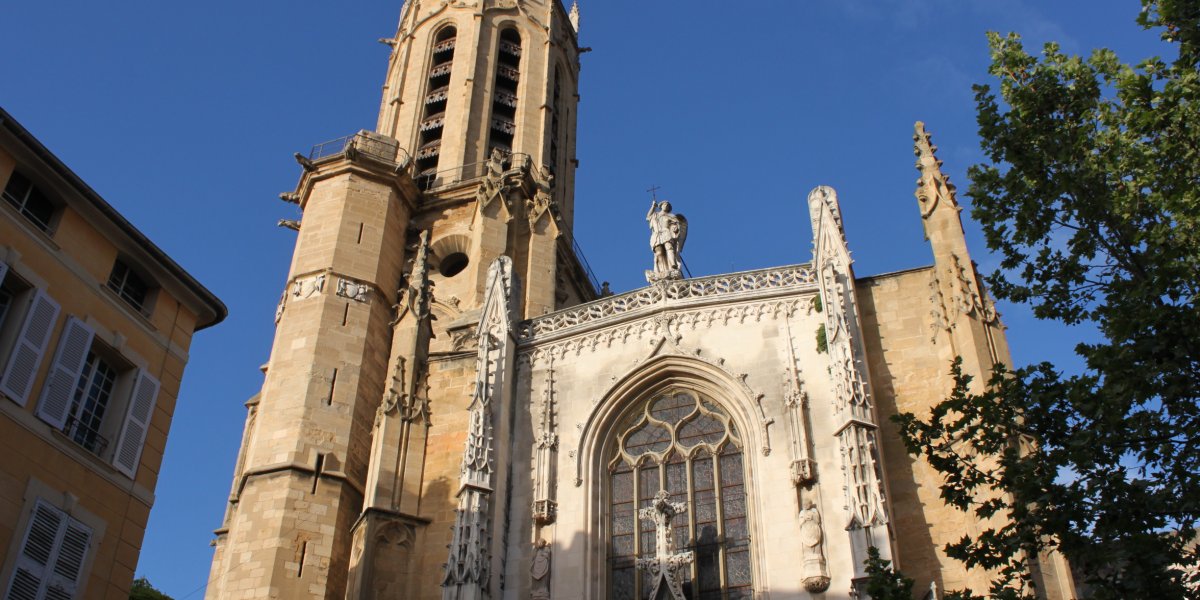
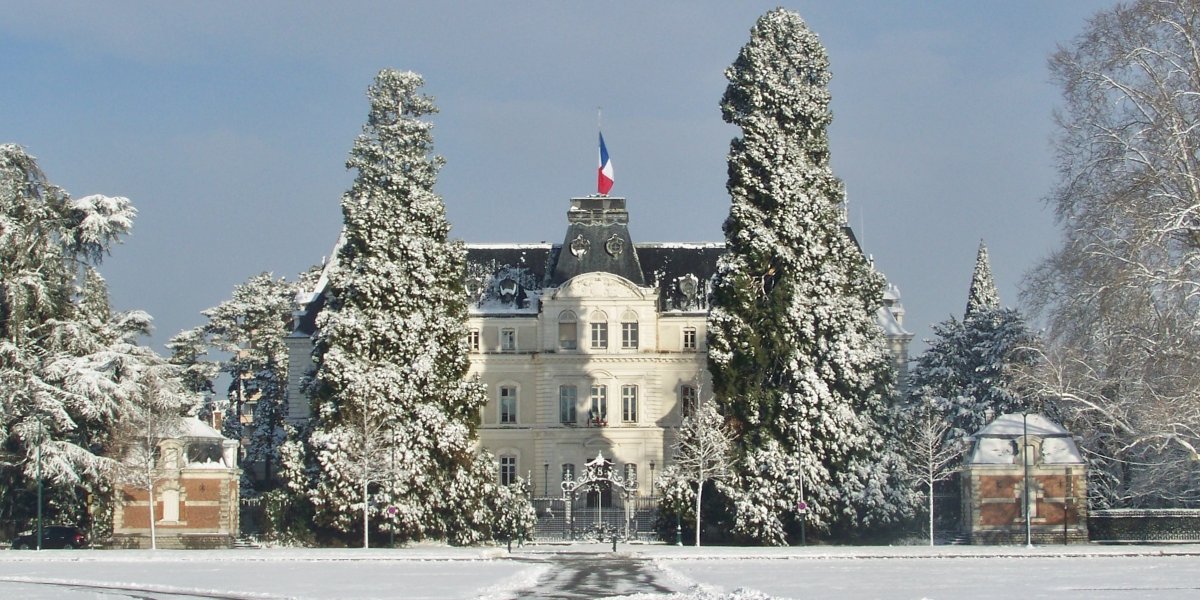
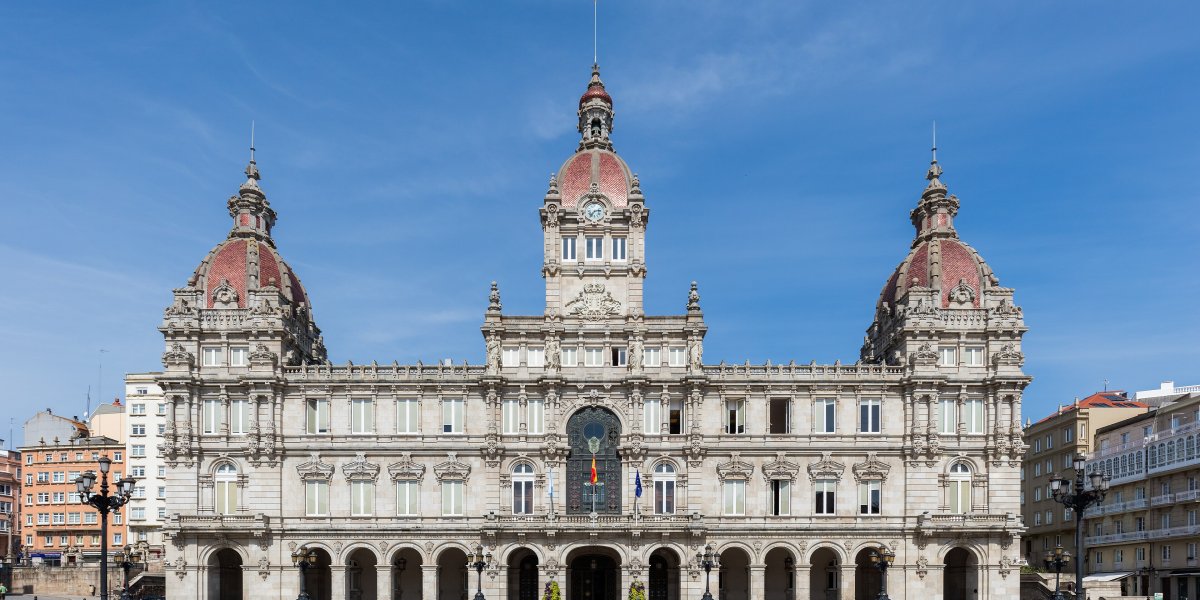
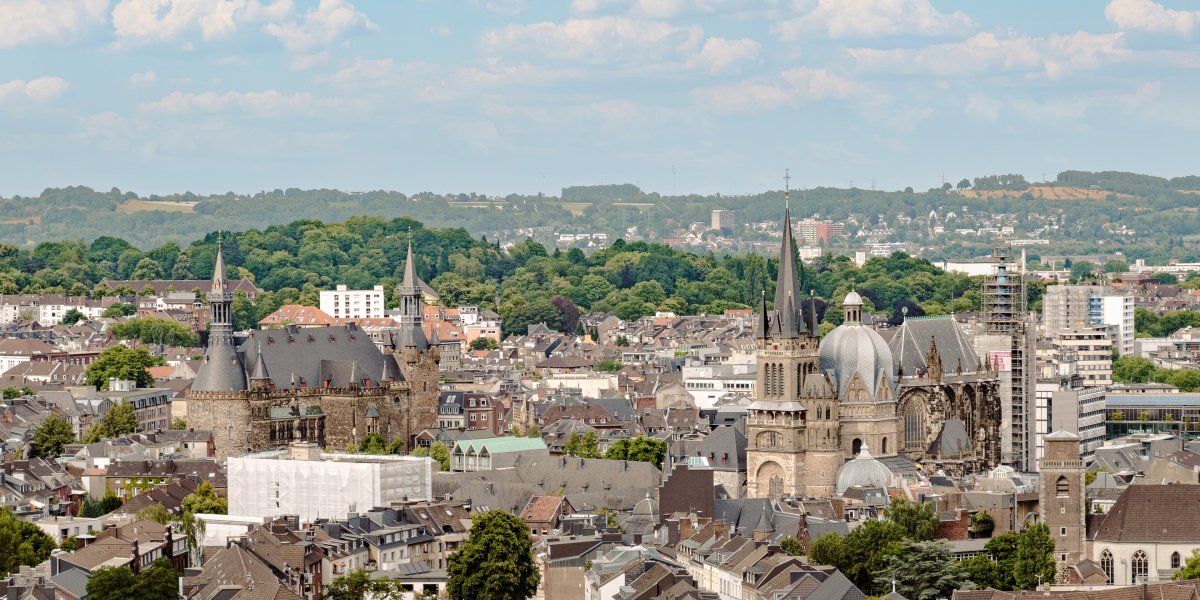
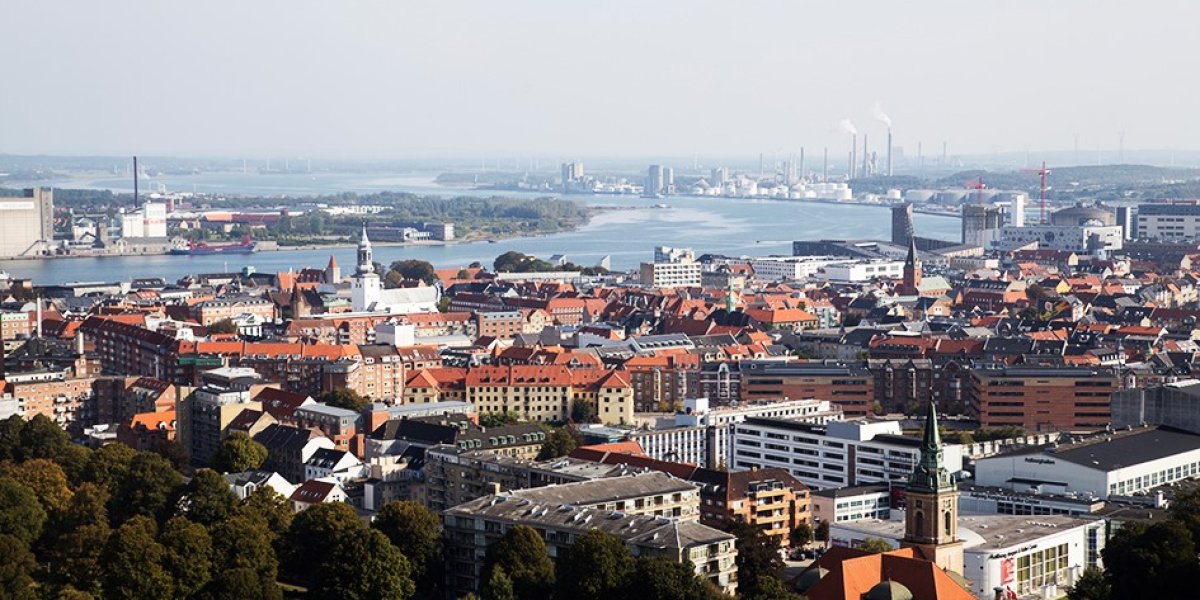
FAQ
Frequently asked questions
How many days do you need in Paris?
Most travelers enjoy Paris in 1 days, with enough time for headline sights and a slower meal or museum stop.
What's the best time to visit Paris?
The easiest season for most travelers is Apr-Jun, Sep-Oct, especially if you want good weather and manageable crowds.
What's the daily budget for Paris?
A practical starting point is about €80 per person per day before hotels, then adjust based on museums, dining, and transport.
What are the must-see attractions in Paris?
A good first shortlist for Paris includes Pyramide du Louvre, Arc de Triomphe, Tour Eiffel.