City Guide
Brussels
Belgium · Best time to visit: May-Sep.
Day-by-day plan
Choose your pace
Reisedauer
09:00
Landmark
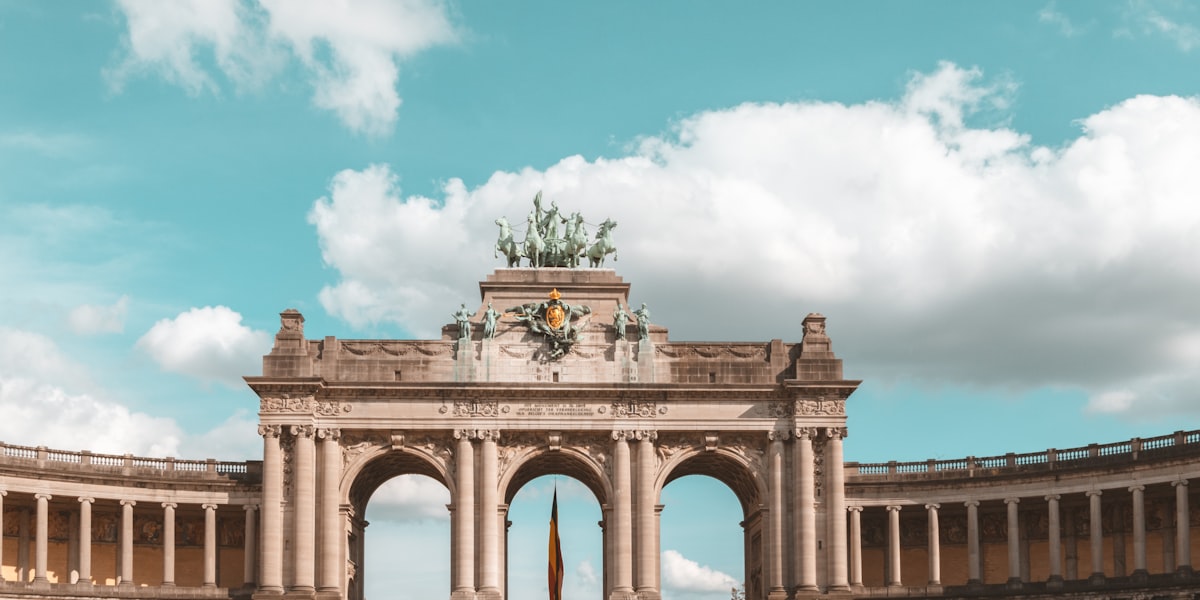
Take the metro to Merode station (lines 1 or 5) — you'll emerge directly at the southeastern entrance of the park, the triumphal arch already commanding the horizon. The Arcades du Cinquantenaire — a triple-arched monument crowned by a bronze chariot — anchors the eastern end of a vast formal park. Walk the full length of the central promenade for the symmetrical money shot: the arch framed by colonnades and clipped hedges, the morning sun backlighting the quadriga on top. Before 10:00 the park belongs to joggers and dog walkers, and you'll have the fountain reflections entirely to yourself.
Tip: Approach the arch from the southeastern lawn and stand dead center on the promenade axis — the morning light catches the bronze quadriga and casts long shadows through the colonnades, a composition most visitors miss because they arrive at midday. Walk through the central arch to the western side for a second angle with the city skyline behind you.
Open in Google Maps →11:00
Landmark
Exit Cinquantenaire from the western gate and walk Rue de la Loi straight through the EU Quarter — you'll pass the Berlaymont building, the European Commission's glass-curtained star-shaped headquarters flying 27 flags, a 30-minute walk that doubles as a casual tour of Europe's political nerve center. Continue through the formal allées of Parc de Bruxelles with a glance at the Royal Palace facade, then descend to the Mont des Arts garden terrace. This elevated esplanade delivers the definitive Brussels panorama: the Gothic spire of the Hôtel de Ville piercing the sky above a sea of gabled rooftops, framed by geometric hedges and the equestrian statue of Albert I.
Tip: The upper terrace near the old Post Office clock tower gives the cleanest sightline to the Town Hall spire — this is the angle every Brussels postcard uses but most tourists never find because they stay on the lower steps. Late morning light illuminates the rooftops below without harsh shadows, perfect for a wide-angle shot.
Open in Google Maps →12:00
Food
Descend the Mont des Arts staircase and follow Rue de la Montagne downhill — a 7-minute walk past buskers and secondhand bookstalls drops you at Fritland, Brussels' most beloved friterie. This is not a tourist gimmick: the double-fried frites here are cooked in beef tallow the old-school way, impossibly crisp outside and molten within. Order at the counter, claim a spot at the standing tables, and eat them while they're still screaming hot. This is the quintessential Brussels lunch — fast, cheap, and unforgettable.
Tip: Order a large cone (groot, ~€4) with andalouse sauce — the creamy, slightly spicy pink mayo that Belgians consider the only civilized frite accompaniment. The queue looks brutal but moves in under 5 minutes. Add a Bicky Burger (€5) if you need extra fuel for the afternoon sprint.
Open in Google Maps →13:00
Landmark
Walk 2 minutes south from Fritland and enter the Grand Place from narrow Rue Charles Buls — this is the reveal entrance, where a medieval alley suddenly detonates into one of Europe's most breathtaking squares. The gilded Baroque guild houses blaze in the early afternoon sun, their facades encrusted with gold leaf, allegorical sculptures, and centuries of civic pride. The Hôtel de Ville's 96-meter Gothic spire anchors the southwest corner; directly opposite, the Maison du Roi stares back in Neo-Gothic grandeur. Circle the entire perimeter and read the guild names carved above the doors — Le Cornet, Le Renard, La Chaloupe d'Or — each house tells the story of a different medieval trade.
Tip: Early afternoon sun (13:00–14:00) strikes the northern guild houses at the ideal angle, making the gold leaf practically glow. Stand near the Hôtel de Ville entrance and shoot diagonally across the square for the most dramatic composition. Don't miss the tiny alley Rue des Harengs on the northeast corner — it frames the Town Hall spire perfectly for a vertical shot.
Open in Google Maps →15:00
Neighborhood
From Grand Place, walk 3 minutes south down Rue de l'Étuve to meet Brussels' most famous — and most miniature — resident: the 61-centimeter Manneken Pis. Snap the obligatory photo, then pivot to the real show. Brussels has over 60 comic-strip murals painted at building-scale across the old town, and the densest cluster lines the streets between here and Saint-Géry. Head northwest through cobblestone alleys: spot Tintin mid-chase on one facade, Gaston Lagaffe sprawled across another, the Smurfs tumbling down a third. The route winds past Art Nouveau shopfronts, hidden squares, and the bohemian Marolles backstreets — grab a warm Liège waffle from a corner stand as you go. The trail ends in the Saint-Géry quarter, where you can collapse into a café terrace with a lambic beer and watch the neighborhood come alive for the evening.
Tip: Manneken Pis is a 30-second photo stop — don't queue, just shoot over the crowd. The real treasure is the murals: the Broussaille mural on Rue du Marché au Charbon is the city's oldest and most photogenic. Download the free Brussels Comic Book Route map from visit.brussels to catch all 60+ murals along the way.
Open in Google Maps →19:00
Food
From your last mural in the Saint-Géry quarter, walk 3 minutes north along Rue des Chartreux to Fin de Siècle — a cavernous, no-frills brasserie crammed with shared wooden tables and zero pretension. This is where off-duty chefs, local students, and in-the-know visitors come for Belgian comfort food that tastes like someone's Flemish grandmother runs the kitchen. A handwritten chalkboard lists the daily specials; the portions are enormous and the prices absurdly fair. This is your one proper Belgian meal — make it count.
Tip: Arrive by 18:45 — no reservations accepted, and by 19:15 there's a queue out the door. Order the carbonnade flamande (Flemish beef stew braised in dark abbey beer, ~€17) or the vol-au-vent (chicken and mushroom in cream sauce with hand-cut frites, ~€16). Pair with a Chimay Bleue on tap. Budget €22–28 per person with one beer. Whatever you do, avoid Rue des Bouchers near Grand Place — Brussels' most notorious tourist trap, where aggressive touts physically steer you into overpriced restaurants serving reheated mediocrity.
Open in Google Maps →Zu Tag springen
09:00
Landmark
Start your Brussels story at the most beautiful square in Europe. Arrive by 9 a.m. when the morning sun ignites the gilded facades of the guild houses along the eastern side — the low-angle light turns the entire square into liquid gold, and you will have it nearly to yourself before the tour buses arrive at 10. Stand in the center, turn slowly, and let the baroque ornamentation of the Maison du Roi and the 96-meter Hôtel de Ville tower fill every angle of your camera.
Tip: Walk to the southeast corner near Rue de la Colline and look back toward the Hôtel de Ville — this diagonal angle captures the tower with the most guild houses in frame. The Brussels City Museum inside the Maison du Roi is free the first Sunday of each month, but even from outside, the facade is the real exhibit.
Open in Google Maps →10:30
Shopping
Exit Grand Place through Rue de la Colline heading northeast — a 3-minute walk drops you at the arched entrance of Europe's oldest covered shopping arcade, opened in 1847. The glass-vaulted ceiling floods the marble floors with soft natural light even on grey days. This is where Brussels hides its finest chocolatiers: Neuhaus, who invented the Belgian praline in this very arcade in 1912, and Mary Chocolatier, official supplier to the Belgian Royal Court, sit side by side beneath the soaring ironwork.
Tip: Buy your chocolate here, not near Grand Place. At Neuhaus, ask for the Caprice praline — dark chocolate with crispy nougatine and fresh cream, about €6 for a small box of four. Mary Chocolatier's house blend truffles are €38 for 250g but worth every cent. The generic chocolate shops on Rue des Bouchers use industrial couverture and charge tourist prices.
Open in Google Maps →11:30
Landmark
Walk back through the Galeries, cross Grand Place diagonally, and head south down Rue de l'Étuve — the 7-minute stroll takes you past several painted comic-strip murals on building facades, a preview of Brussels' outsized role in European comics. The statue itself is deliberately tiny — 61 centimeters of cheeky bronze — and you will understand the joke only when you see the crowd gathered around it. Brussels dresses him in a different costume for festivals and events, with over 1,000 outfits rotated throughout the year.
Tip: The GardeRobe MannekenPis museum at Rue du Chêne 19, just 30 meters from the statue, displays hundreds of his miniature costumes — entry is only €5 and it is far more entertaining than the statue itself. Check the official dressing schedule on visit.brussels to see if he is in costume during your visit.
Open in Google Maps →12:15
Food
Walk north from Manneken Pis along Rue du Midi for 5 minutes toward Place de la Bourse — Fritland sits on the corner of Rue Henri Maus. This is the frites institution Brussels residents actually stand in line for: double-fried in beef tallow the traditional way, impossibly crisp outside, molten inside. Order a large cone, claim a spot at the standing counter elbow-to-elbow with construction workers and students, and eat them while they are still screaming hot.
Tip: Order the grande cone (€4.50) with sauce andalouse — the slightly spicy tomato-mayo that Belgians consider the only civilized frite accompaniment. Add a Bicky Burger (€5) if you need more fuel — it is a cult Belgian fast-food item you will not find outside the country. The stoofvlees (Flemish stew) as a frite topping (€7) is the insider move for a full meal.
Open in Google Maps →13:30
Museum
Walk northeast from Fritland along Rue des Sables — the 10-minute route takes you past the ornate Bourse building and through a quiet stretch of the old town. The Comic Strip Center is housed in a stunning Art Nouveau department store designed by Victor Horta in 1906, and the building alone is worth the visit. Inside, three floors trace Belgium's outsized contribution to comics — Tintin, the Smurfs, Lucky Luke, Spirou — with original drawings, life-size installations, and a Tintin rocket that pierces the glass atrium.
Tip: Head straight to the third floor and work your way down — most visitors start at the bottom, so the upper galleries are emptiest in the early afternoon. The Hergé and Tintin section on the second floor has original ink drawings that are genuinely breathtaking even if you never read the comics. Budget 15 minutes just for the Horta building itself — the ironwork staircase and glass ceiling are peak Art Nouveau.
Open in Google Maps →19:00
Food
Walk west from the Comic Strip Center along Rue du Marché au Charbon for 8 minutes to Rue des Chartreux — Fin de Siècle has no sign outside, just a crowded doorway and the sound of clinking glasses. This is the Belgian brasserie Brussels locals fiercely protect: a no-reservations, elbow-to-elbow institution where every dish is a textbook version of Flemish home cooking. The room is wood-paneled, candlelit, and loud in the best possible way.
Tip: Arrive at 18:45 — the restaurant fills completely by 19:15 and there is no waiting list, only a crowd at the door hoping for a table. Order the stoofvlees (Flemish beef stew slow-cooked in dark Belgian beer, €16.50) or the vol-au-vent (creamy chicken and mushroom in puff pastry, €16). Pair with a Rodenbach on draft. Avoid Rue des Bouchers entirely for dinner — Brussels' most notorious tourist-trap street where restaurants employ aggressive touts and serve reheated food at double the price.
Open in Google Maps →09:00
Park
From Gare Centrale, walk uphill through the geometric Mont des Arts gardens — this terraced esplanade is the most underrated viewpoint in Brussels. The formal hedgerows frame a cinematic panorama: the Hôtel de Ville spire, the Lower Town rooftops, and on clear mornings the Atomium glinting on the northern horizon. At 9 a.m. the gardens are nearly empty and the morning light falls softly on the red-brick cityscape below, illuminating every gable without harsh shadows.
Tip: Stand at the top balustrade facing northwest for the classic postcard shot — the Hôtel de Ville tower perfectly centered between the garden hedges. Morning sun is behind you here, which means the Lower Town rooftops are evenly front-lit. Walk to the equestrian statue of Albert I on the western edge for a second angle that includes the church spires.
Open in Google Maps →10:00
Museum
Continue uphill from Mont des Arts through the neoclassical colonnade to Place Royale — a 5-minute walk brings you to the entrance of the world's largest collection of René Magritte's work, right as the doors open at 10:00. Three floors, over 200 works, chronologically arranged: you will see the original Son of Man, the pipe that is not a pipe, and dozens of canvases that no reproduction can prepare you for. Entering with the first wave means near-empty galleries and the rare luxury of standing alone before a painting that changed modern art.
Tip: Start on the top floor (Level -3, the earliest works) and descend chronologically — this follows Magritte's creative evolution and keeps you ahead of the crowd entering at ground level. The surrealist period rooms on Level -2 are the highlight; linger there. Closed on Mondays. Free entry on the first Wednesday of each month after 13:00, but the morning crowd-free window is worth the full €10.
Open in Google Maps →12:00
Food
Exit the Magritte Museum and walk south along Rue de la Régence for 8 minutes, descending through the elegant Sablon neighborhood — the shift from neoclassical government facades to cobblestone antique-shop streets is one of Brussels' best atmospheric transitions. Maison Wittamer has anchored the corner of Place du Grand Sablon since 1910, and its upstairs salon de thé is where Brussels' old-money families still come for weekend brunch. This is a pâtisserie that doubles as a time capsule.
Tip: Order the croque Wittamer (€16, their elevated version with aged Gruyère and béchamel) and finish with the house sablé cookie — buttery, crumbling, and the namesake of the neighborhood itself. A box of their hand-dipped pralines (€28 for 250g) makes the finest Brussels souvenir, far superior to anything at the airport. Arrive before 12:15 to claim a window seat overlooking the square.
Open in Google Maps →13:30
Neighborhood
Step out of Wittamer and you are already standing in it — Place du Grand Sablon is Brussels' most elegant square, ringed by antique dealers, chocolatiers, and art galleries. Walk south across the cobblestones to the Church of Our Lady of the Sablon, a 15th-century Flamboyant Gothic masterpiece whose stained-glass windows are among the finest in Belgium. On weekends, the antiques and book market fills the square with browsable stalls that feel like a living museum of European decorative arts.
Tip: Enter the church (free) and look up at the stained-glass windows behind the altar — in the early afternoon the sunlight filters through and projects colored light across the stone floor. Walk 100 meters south to Place du Petit Sablon, a hidden garden with 48 bronze statues representing medieval guilds — most tourists miss it entirely. Pierre Marcolini's flagship shop is at Rue des Minimes 1, just off the square — his ganaches are considered the best in Belgium by local chocolatiers themselves.
Open in Google Maps →15:00
Park
From Sablon, walk east along Rue de la Régence past the monumental Palais de Justice, then continue along Rue Belliard through the EU quarter — the 25-minute walk takes you past the European Commission's star-shaped Berlaymont building and delivers you to Brussels' most majestic park. The Triumphal Arch, built for Belgium's 50th anniversary, anchors a sweeping 30-hectare green space with grand colonnades and open lawns that photograph beautifully in the warm afternoon light.
Tip: Approach the arch from the western entrance on the Rue de la Loi side for the most dramatic perspective — the full colonnade stretches across your field of view and the afternoon sun illuminates the western facade. You can climb to the top via the Cinquantenaire Museum entrance (€5) for a panoramic view. After the park, metro station Merode (lines 1 and 5) takes you back to the center in 8 minutes — use the free time before dinner to stroll Grand Place one final time in the golden hour.
Open in Google Maps →19:00
Food
Take the metro from Merode to Gare Centrale in 8 minutes, then walk south for 5 minutes through Rue de la Chapelle — Les Brigittines sits on the cobblestoned Place de la Chapelle in a beautifully restored 17th-century building facing the Gothic church. This is Brussels' answer to the modern bistro: refined Belgian classics with seasonal ingredients, served in a dining room of exposed brick, warm candlelight, and the quiet confidence of a kitchen that has nothing left to prove.
Tip: Reserve online a day ahead — this is a local fine-dining favorite, not a walk-in spot. Order the waterzooi de volaille (€24, a velvety Ghent-style chicken stew and the single most comforting dish in Belgian cuisine) or the carbonnade flamande (€22). The Belgian cheese board with a Chimay Bleue makes a perfect farewell course. Walk 5 minutes north after dinner for a final look at Grand Place lit up at night — the golden facades glow under floodlights, and the square becomes something almost unreal.
Open in Google Maps →Zu Tag springen
09:00
Landmark
Arrive before the tour groups and stand in the center of what Victor Hugo called 'the most beautiful square in the world.' The morning sun strikes the gilded guild houses along the western facade, turning them into a wall of hammered gold. The Hôtel de Ville's 96-meter Gothic spire anchors the south side while the ornate Maison du Roi faces it from the north — circle the entire square slowly and let the details reveal themselves: golden statues, baroque scrollwork, centuries of pride carved into stone.
Tip: At 9 AM, face west toward the guild houses — the eastern sun lights them up like a gilded theater set. By 10:30 the square fills with tour groups and the magic dims. For the classic symmetrical photo, stand at the southeast corner near Rue des Chapeliers and shoot toward the Maison du Roi.
Open in Google Maps →10:45
Shopping
Exit Grand Place via the narrow Rue des Bouchers and turn left — the glass-vaulted entrance appears after a 2-minute walk. Built in 1847, this is Europe's oldest covered shopping gallery, and its soaring glass ceiling and neoclassical colonnades still feel impossibly elegant. Neuhaus invented the Belgian praline here in 1912; stop at their original boutique for a tasting, then browse the independent bookshops and leather goods stores that haven't changed in decades.
Tip: Skip the mass-market chocolate chains and head to Neuhaus (the original praline inventor) or Mary Chocolatier (royal warrant holder). Try the Neuhaus 'Caprice' — hazelnut praliné in a crisp wafer shell. A small box of mixed pralines (€15-20) is the best souvenir in Brussels. On rainy days, the gallery's glass ceiling turns the light soft and golden — worth a photo looking straight up from the center.
Open in Google Maps →12:00
Food
Step out of the Galeries onto Rue des Bouchers — Chez Léon's green awning is 30 seconds to your right. This moules-frites institution has been feeding Brussels since 1893 and remains the real deal despite its fame. The mussels arrive in a heavy black pot, steaming with celery and white wine, alongside a cone of twice-fried Belgian frites with a golden shatter that no other country can replicate. Sit downstairs among the tiled walls and old photographs for the full experience.
Tip: Order the Moules marinières (€19.90) — the classic preparation with white wine, celery, and onion — and a cone of frites (€4.50). Arrive at noon sharp; by 12:30 the queue stretches outside. Pair with a draft Jupiler for the full Brussels lunch ritual. Budget €25-35 per person.
Open in Google Maps →13:30
Neighborhood
Walk south from Chez Léon along Rue du Midi, then turn left onto Rue de l'Étuve — 5 minutes on foot past small chocolate shops and waffle stands. Manneken Pis stands at the corner, all 61 centimeters of him. Smile, take the photo, move on. The real treasure starts here: Brussels has over 60 comic strip murals painted on building walls across the old town. From Manneken Pis, walk north to Rue du Bon Secours for the iconic Tintin mural, then east to Rue de la Buanderie for Broussaille — the city's first comic wall from 1991. Wander without a strict route and let them surprise you around corners.
Tip: Manneken Pis is tiny and you will be underwhelmed — the comic murals are the real show. Grab the free 'Comic Book Route' map from the tourist office on Grand Place. Save 30 minutes for free strolling through the side streets between Rue du Midi and Rue des Grands Carmes — this is where the old Brussels character hides behind unassuming doorways.
Open in Google Maps →19:00
Food
Return to the Grand Place area via Rue des Chapeliers — a 5-minute walk north. This Art Nouveau brasserie with stained glass panels and burnished brass fixtures has served traditional Belgian cuisine for over a century. The crevettes grises croquettes — hand-peeled North Sea grey shrimp fried to a shattering golden crust — are some of the best in Brussels. After dinner, step outside to see the Grand Place under floodlights; the gilded facades glow amber against the night sky, an entirely different spectacle from the morning.
Tip: Order the Croquettes aux crevettes grises (€16) to start and the Vol-au-vent (€22) as your main — chicken, mushrooms, and cream in puff pastry. Reserve a window table for the evening light. Budget €35-50 with a Belgian beer. Avoid restaurants on Rue des Bouchers where hawkers wave laminated menus at you from the sidewalk — most serve frozen food at double the price. If someone is pulling your arm toward a menu board, keep walking.
Open in Google Maps →10:00
Museum
Walk 10 minutes uphill from Grand Place via Rue de la Montagne and through the Mont des Arts garden — pause at the terrace for a sweeping panorama back over the rooftops of lower Brussels with the Hôtel de Ville spire piercing the sky. Arrive at the museum entrance right at 10:00 opening. Head straight to floor -2 for the Flemish Old Masters: Bruegel's 'Fall of the Rebel Angels' is a hallucinatory masterpiece you will stand before for minutes, and Rubens fills entire walls with drama. Work your way up chronologically to end with the Belgian Surrealists.
Tip: Closed on Mondays — plan accordingly. Start on floor -2 with the Old Masters where crowds are thinnest at opening. The Magritte Museum shares the building but needs a separate ticket (€10); worth it for surrealism fans, but the Old Masters alone justify the visit. The Mont des Arts terrace outside is Brussels' best free viewpoint — photograph it on the walk in while morning light is behind you.
Open in Google Maps →12:15
Religious
Exit the museum from the Rue de la Régence side and walk 5 minutes south along this stately boulevard lined with embassies. The late-Gothic church appears on your left, its flamboyant stonework as delicate as lace against the sky. Step inside for the stained glass — on a sunny midday, the apse fills with blue and gold light that seems to hang suspended in the silence. The small chapel behind the main altar has the most intimate atmosphere in the building.
Tip: The stained glass is most vivid between 10:00 and 14:00 when direct sunlight enters the apse. After visiting, cross the street to the Petit Sablon garden — twelve bronze statues of medieval guild workers surround a quiet park with benches, perfect for a 5-minute rest before lunch.
Open in Google Maps →13:00
Food
Walk 5 minutes west from the church, downhill along Rue Joseph Stevens toward Place de la Chapelle — you will pass antique shop windows and catch a glimpse of the baroque Chapelle church tower ahead. Les Brigittines sits beside it in a beautifully restored building with a glassed-in terrace. The kitchen serves refined Brusseleir classics: a waterzooi here is silky and rich, miles beyond what any tourist restaurant offers. This is where Sablon locals eat when they want their grandmother's food done properly.
Tip: Ask for the terrace table overlooking the Chapelle church. Order the Waterzooi de volaille (€24) — the definitive Brussels chicken stew in cream broth — or the Carbonnade flamande (€22), beef slow-braised in Belgian dark beer until fork-tender. The two-course lunch menu (~€25) is exceptional value. Budget €30-40 with a drink.
Open in Google Maps →14:30
Neighborhood
From Les Brigittines, walk 5 minutes south downhill into the Marolles via Rue Haute — the city's accent changes from polished to raw within a block. This is Brussels' most authentic working-class quarter, the one place gentrification has not scrubbed clean. Place du Jeu de Balle hosts a daily flea market where you can find vintage Tintin posters, mid-century furniture, and forgotten treasures spread on blankets. Wander Rue Haute and Rue Blaes for secondhand bookstores, vintage shops, and street art that changes every few weeks.
Tip: Take the Marolles Elevator — a free glass panoramic lift beside the massive Palais de Justice — for a wide-angle view over lower Brussels, then walk back down through the neighborhood. The flea market is liveliest before noon, but the permanent vintage shops on Rue Blaes stay open all afternoon. Save 30 minutes for free strolling.
Open in Google Maps →19:00
Food
Walk 5 minutes from Place du Jeu de Balle to Rue Notre-Seigneur, a quiet residential street in the heart of the Marolles. This tiny, eccentric bistro — mismatched furniture, candles on every surface, a daily chalkboard menu — is where the Marolles comes alive at night. The chef cooks what the market gave him that morning, and the portions are generous in that particular Belgian way. By the second glass of wine, the neighboring tables are talking to you.
Tip: Reserve at least 2 days ahead — only about 30 seats. The chalkboard menu usually features one fish and one meat dish (€22-28 each). Budget €35-45 with wine. After dinner, walk back uphill through the Sablon for evening chocolate shopping — Pierre Marcolini and Wittamer on the square are Brussels' true chocolate elite. Skip Leonidas and Godiva; Marcolini's ganaches are in a different universe entirely.
Open in Google Maps →09:30
Landmark
Walk 10 minutes north from Grand Place through Rue Antoine Dansaert — Brussels' fashion street, quiet and atmospheric in the morning light. Place Sainte-Catherine was the city's old fish market, and the neighborhood still carries a faint salt-air energy when the fishmongers set up at dawn. The Church of Saint Catherine is an eclectic 19th-century blend of Romanesque and Renaissance that somehow holds together. Sit on the square with a morning coffee and watch the city ease into its final day — this is the Brussels that locals actually live in, not the one tourists photograph.
Tip: Grab a coffee at one of the terrace cafés facing the church before the day starts — they fill up by 11 AM. The old fish market hall, now a covered walkway behind the church, is worth a peek for the architecture alone. This neighborhood is the undisputed best area for seafood in Brussels.
Open in Google Maps →10:45
Museum
Walk east from Place Sainte-Catherine along Rue de la Vierge Noire, past the grand Place de la Monnaie, then turn right onto Rue des Sables — 8 minutes through increasingly quiet streets until a stunning Art Nouveau facade appears. The museum is housed in the former Waucquez department store designed by Victor Horta in 1906; the soaring glass atrium alone justifies the entrance fee. Belgium is the undisputed world capital of comic art — Tintin, the Smurfs, Lucky Luke, Spirou — and this museum traces the entire evolution from hand-drawn panels to modern graphic novels with infectious enthusiasm.
Tip: Go straight to the Tintin exhibition on the top floor — Hergé's original ink drawings are breathtaking in their precision and deserve slow viewing. The reading room on the ground floor holds thousands of comics in multiple languages; a Tintin album in your own language (€12-15 from the museum shop) makes a perfect souvenir. Photograph the Horta glass ceiling from the main staircase looking straight up.
Open in Google Maps →13:00
Food
Retrace your steps west to Place Sainte-Catherine — 8 minutes through Rue des Sables past the old Bourse building. This is not a restaurant. It is a standing-only seafood bar on the square where Brusselers eat the freshest fish in the city, rain or shine, balanced on a high metal table with a glass of cold Muscadet. The shrimp croquettes are hand-made daily and fried to an impossible golden crunch that shatters at the first bite, revealing a molten center of sweet North Sea grey shrimp. You will remember this meal.
Tip: Order the Croquettes aux crevettes grises (€14) — the single best thing you will eat in Brussels — and a cup of the fish soup (€10). You eat standing at metal tables on the sidewalk, which is exactly the point. Arrive before 13:00; by 13:30 the queue wraps around the stall. Budget €18-30 depending on appetite.
Open in Google Maps →14:30
Neighborhood
From the seafood bar, walk 3 minutes west into Rue Antoine Dansaert and head north toward the canal. This is Brussels' creative quarter: Belgian fashion ateliers, independent bookshops, concept stores, and street art murals that rotate with the seasons. Follow Dansaert to the canal, cross the footbridge, and look right — the old industrial waterfront is slowly transforming into a cultural corridor. The contrast between this Brussels and yesterday's gilded Sablon is part of what makes the city endlessly layered.
Tip: Save 30 minutes for free strolling. From the canal, look toward the MIMA building (Millennium Iconoclast Museum of Art) — its mural-covered facade is worth a photo even from outside. If you want a proper Brussels waffle before leaving, detour to Maison Dandoy on Rue au Beurre near Grand Place — their Brussels waffle (light, crispy, rectangular, powdered sugar only, €5) is the authentic version.
Open in Google Maps →19:00
Food
Walk south from Dansaert through Rue des Chartreux — 8 minutes to this beloved neighborhood institution. Bare wooden tables, no tablecloths, elbow-to-elbow seating, a handwritten chalkboard menu, and some of the most honest Belgian cooking in the city. This is where off-duty chefs and local artists eat on their night off. The stoofvlees — Flemish beef stew braised for hours in dark Belgian beer until the meat dissolves at the touch of a fork — is the kind of dish that makes you close your eyes on the first spoonful. This is your last meal in Brussels. It should taste like this city actually tastes.
Tip: No reservations — arrive at 18:45 and hover near the door. By 19:15 there is a 30-minute wait. Order the Stoofvlees with frites (€16) or the Boulets à la liégeoise (€15) — meatballs in a tangy-sweet Liège syrup. Budget €20-30 with a Belgian beer. Beware of tourist waffle stands near Manneken Pis charging €7-10 for soggy waffles drowned in Nutella — a real Brussels waffle needs nothing but powdered sugar, and Maison Dandoy on Rue au Beurre is where locals buy theirs.
Open in Google Maps →
Trip builder
Plan this trip around Brussels
Turn this guide into a bookable rail itinerary with FlipEarth.
Keep exploring
Related cities
Nearby cities
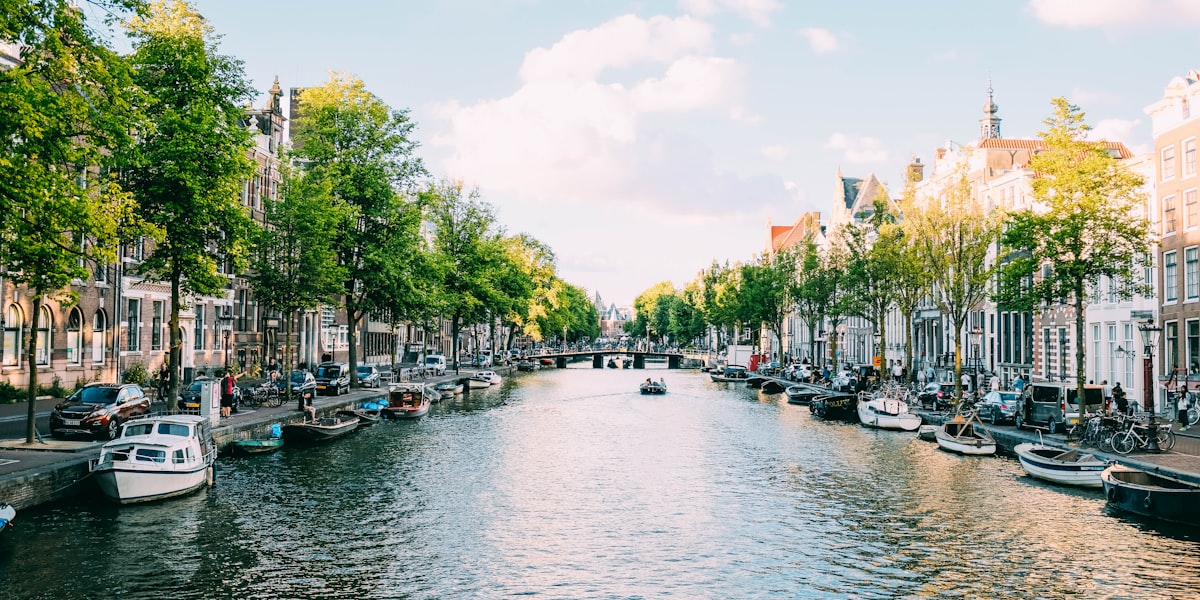
More in the same country
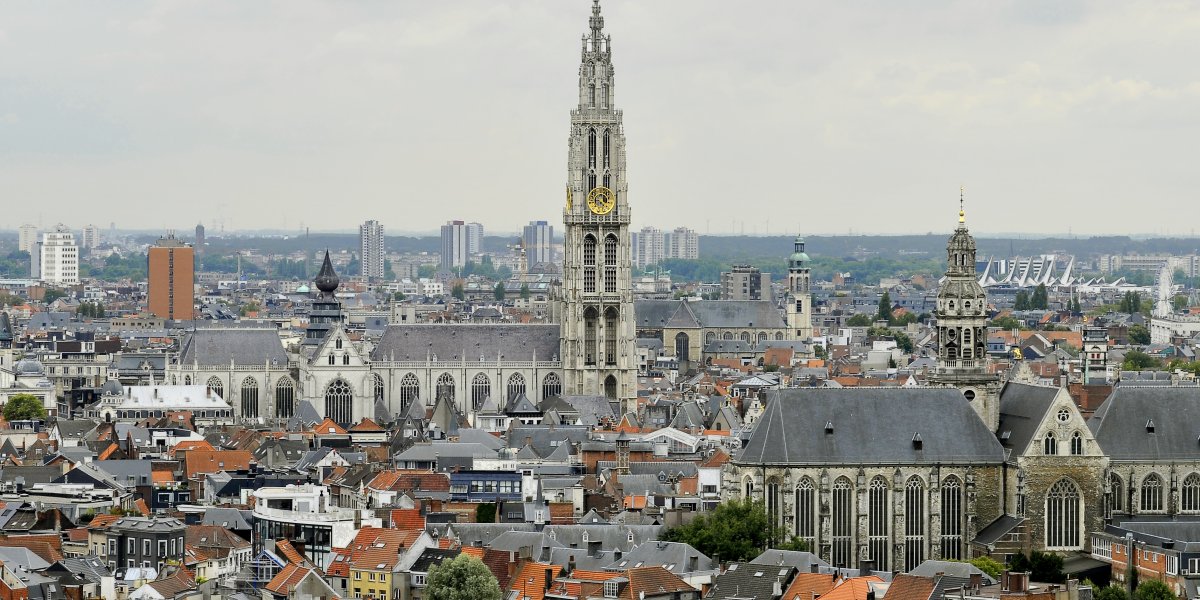
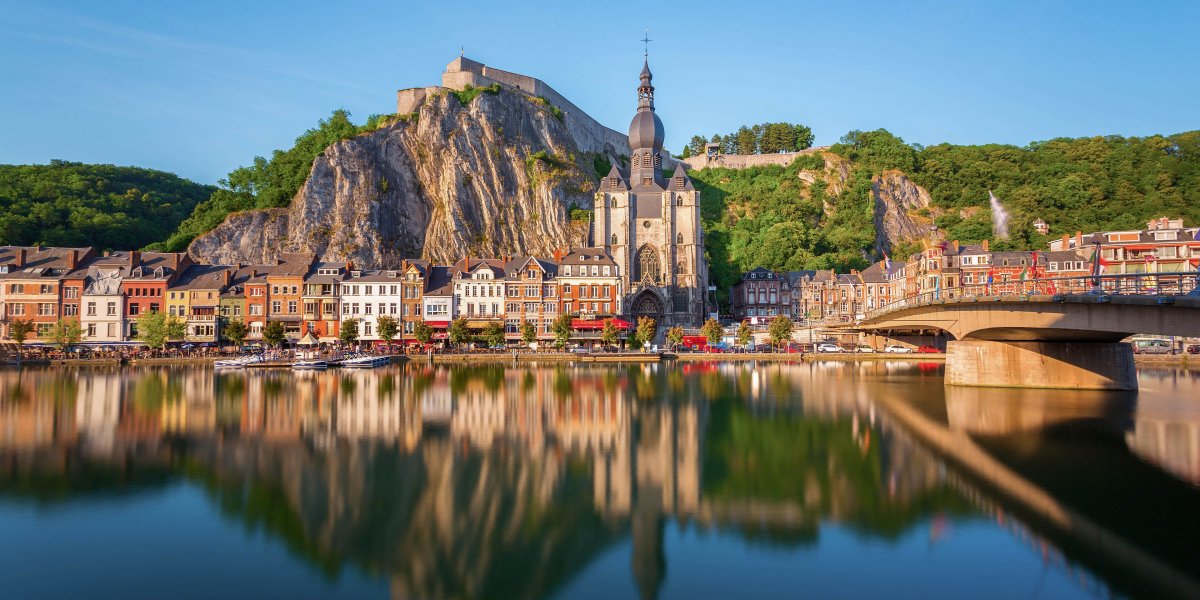

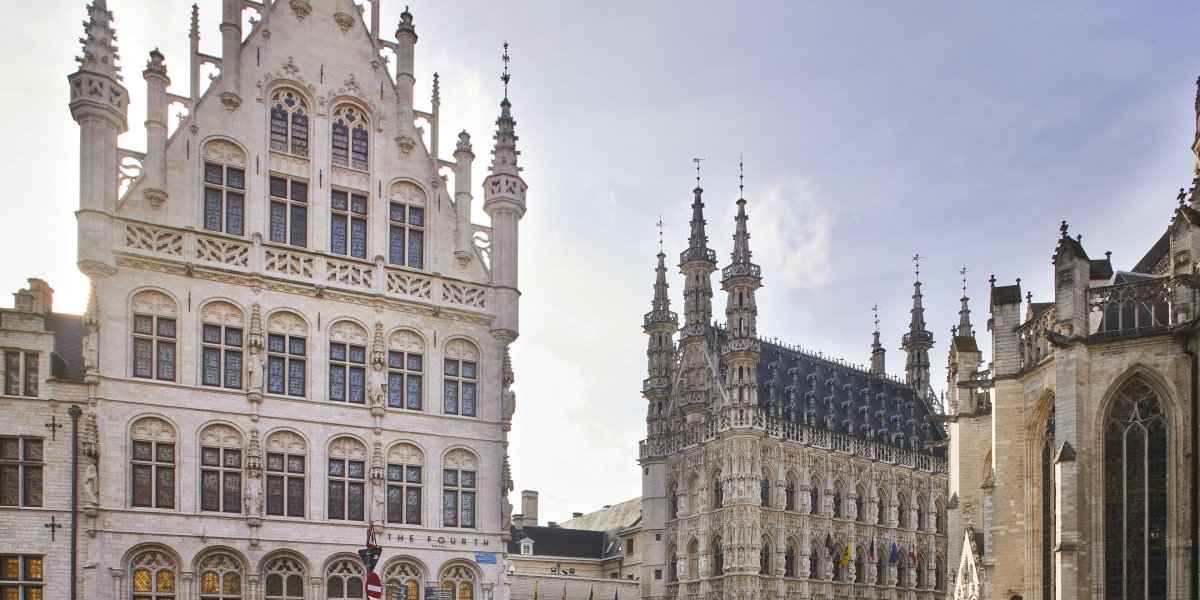
FAQ
Frequently asked questions
How many days do you need in Brussels?
Most travelers enjoy Brussels in 1 days, with enough time for headline sights and a slower meal or museum stop.
What's the best time to visit Brussels?
The easiest season for most travelers is May-Sep, especially if you want good weather and manageable crowds.
What's the daily budget for Brussels?
A practical starting point is about €65 per person per day before hotels, then adjust based on museums, dining, and transport.
What are the must-see attractions in Brussels?
A good first shortlist for Brussels includes Parc du Cinquantenaire, Mont des Arts, Grand Place.