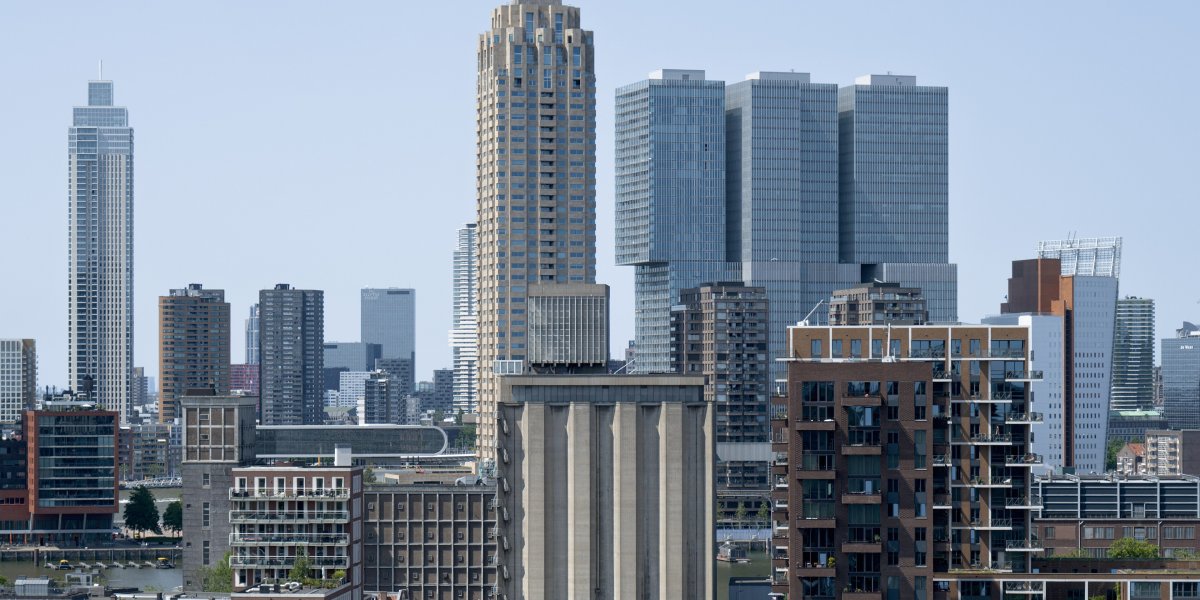
City Guide
Rotterdam
Netherlands · Best time to visit: Apr-Sep.
Day-by-day plan
Choose your pace
Duración del viaje
09:00
Landmark
The station's pointed stainless-steel canopy erupts from street level like a launched arrowhead — Benthem Crouwel's 2014 redesign is Rotterdam's architectural thesis statement in a single building. Morning light from the east catches the brushed metal panels and makes the entire façade glow. Stand at mid-plaza for the full triangular silhouette, and look for the original 1957 'Centraal Station' lettering preserved above the entrance — a deliberate echo of the old city rising from wartime ash.
Tip: The best photo is from the center of Stationsplein, about 40 meters back, with a wide-angle lens angled slightly upward to capture the full canopy. The clock tower fragment of the old 1957 station is visible behind the glass wall on the right side — a quietly powerful contrast most visitors walk right past.
Open in Google Maps →10:00
Landmark
Walk south along Coolsingel — Rotterdam's main boulevard — past the modern City Hall and Bijenkorf department store, then east on Hoogstraat toward Blaak; a 15-minute stroll through the commercial spine of the rebuilt city. Piet Blom's 1984 cluster of 38 bright-yellow cubes, each tilted 45 degrees onto its corner, still looks like nothing else in European architecture. Duck underneath the forest-like canopy of angled pillars, then cross to the Oude Haven marina for the postcard shot: cubes reflected in the harbor water with the Witte Huis — Europe's first skyscraper, built 1898 — standing behind them.
Tip: Skip the paid Show Cube interior (€3) — the exterior angles and Oude Haven reflection are far more photogenic. Walk to the east end of Oude Haven where the historic ships are moored; from there you can frame the cubes, the Witte Huis, and the Markthal arch all in one wide shot.
Open in Google Maps →12:00
Food
Cross Overblaak street — the Markthal's horseshoe-shaped arch towers directly ahead, a two-minute walk from the Cube Houses. The building itself is the first course: look straight up inside and you will see the Horn of Plenty, an 11,000-square-meter digital fresco of giant fruits, insects, and flowers painted across the 40-meter-high arched ceiling — the largest artwork in the Netherlands. Grab a broodje haring (herring sandwich, €4–5) from one of the fish stalls or a portion of freshly fried bitterballen (crispy beef croquettes, €6–7) from any Dutch snack stand on the ground floor.
Tip: Do not sit down at a restaurant inside the Markthal — they are overpriced and tourist-oriented. Graze from two or three stalls instead: the Surinamese roti stand and the fresh stroopwafel vendor near the south entrance are both excellent. Budget 10 minutes just to photograph the ceiling from the dead center of the ground floor, looking straight up.
Open in Google Maps →13:00
Landmark
Head south from the Markthal along Schiedamsedijk, then follow the Boompjes waterfront promenade where the Maas river opens up on your left and the Erasmus Bridge's white asymmetric pylon grows larger with every step — a 12-minute walk. Ben van Berkel's 802-meter cable-stayed bridge, nicknamed 'The Swan' for its elegant 139-meter pylon, is the silhouette that defines Rotterdam's skyline. Walk the full length across to the south bank — at the midpoint, stop and face upriver for the best panoramic cityscape photo.
Tip: The most dramatic head-on photo of the pylon is from Willemsplein, the small plaza on the north bank just before the bridge entrance. Early afternoon light (13:00–14:00) illuminates the cables from the southwest and gives the Swan a silver shimmer against the sky.
Open in Google Maps →14:15
Neighborhood
Step off the south end of the Erasmus Bridge and continue straight onto Wilhelminakade — supertall towers flank you on both sides as you walk into Rotterdam's answer to Manhattan, an 8-minute stroll. De Rotterdam, Rem Koolhaas's trio of stacked glass skyscrapers, dominates the pier like a vertical city within a city. At the western tip sits Hotel New York, the ornate Art Nouveau headquarters where the Holland-Amerika Lijn once sold one-way tickets to America — a million Europeans left from this exact spot.
Tip: For the best skyline-across-water panorama, walk to the western railing near Hotel New York and shoot east — you will get the Erasmus Bridge, De Rotterdam tower, and the full river sweep in one frame. If you have time before dinner, walk 10 minutes south into Katendrecht, a former sailor's quarter turned trendy food-and-art district worth a wander.
Open in Google Maps →19:00
Food
You are already at Wilhelmina Pier — Hotel New York sits at its western end, a five-minute walk along the waterfront railing. Dine in the restored Art Nouveau interior where emigrants once queued for passage to America: mahogany paneling, brass fittings, and original Holland-Amerika Lijn tiles surround every table. Start with the Hollandse garnalenkroket (Dutch shrimp croquette, €14), then order the catch of the day (market price, typically €22–26); average dinner runs €40–50 per person with one drink.
Tip: Reserve a terrace table facing north — the evening light across the Maas turns the Erasmus Bridge and city skyline into your farewell postcard. Avoid the cluster of restaurants on Boompjes along the north riverbank near the bridge; they are tourist traps charging double for mediocre food aimed at day-trippers who do not know better.
Open in Google Maps →Saltar al día
09:30
Landmark
From Rotterdam Centraal, walk south along Coolsingel for 15 minutes — the horseshoe-shaped Markthal rises dramatically at the end of the Hoogstraat pedestrian zone. Arrive before the 10:00 opening to photograph the soaring glass-and-stone arch with the square nearly empty. Step inside at ten and look straight up: the 11,000 m² ceiling mural 'Horn of Plenty' by Arno Coenen — giant strawberries, fish, and insects in surreal technicolor — is the largest artwork in the Netherlands, hovering above 100 fresh food stalls.
Tip: Stalls open at 10:00 Mon–Sat but noon on Sundays — plan Day 1 for Saturday. Skip the flashy entrance stalls (tourist premiums). Walk to the back for Kaasmeester Richard's aged Gouda (€4.50/200g) and a fresh-pressed stroopwafel from the Stroop stand (€3.50), made warm to order.
Open in Google Maps →11:00
Landmark
Exit the Markthal's east doors, cross the small plaza — the cluster of bright yellow cubes tilted 45 degrees is 100 meters ahead, impossible to miss. Architect Piet Blom turned conventional houses on their points in 1984, creating Rotterdam's most photographed silhouette. Enter the Show Cube museum to experience domestic life at an impossible angle: furniture braces against tilted walls, windows become skylights, and you finally understand why every resident hangs curtains on every pane.
Tip: The best photo angle is from the elevated walkway on the Blaak side, looking up — the cubes stack against the sky with the pencil-shaped Blaak Station towers behind them. Twenty minutes inside the Show Cube is plenty; the real spectacle is the exterior.
Open in Google Maps →12:00
Food
Walk west along the Meent, a lively pedestrian shopping street — 8 minutes of window-browsing leads you to Dudok's grand entrance. This soaring former bank building with brass fixtures and open-kitchen theater is a Rotterdam institution that somehow feels both glamorous and democratic. Order the Dudok Club Sandwich with truffle mayo (€16.50), but whatever you do, save room for the legendary appeltaart (€6.50) — a forearm-sized slab of buttery crust that shatters at first touch and has single-handedly turned this café into a citywide pilgrimage.
Tip: No reservations for lunch — arrive by 12:00 to claim a mezzanine seat with the best light and a view of the entire grand café. By 12:30 there is a queue out the door. Budget: €20–28 per person.
Open in Google Maps →13:30
Religious
Walk east toward Grotekerkplein — 5 minutes. A bronze statue of Erasmus stands guard in the square, gazing at the only building in central Rotterdam that survived the devastating German bombing of May 14, 1940. Everything around the Grote of Sint-Laurenskerk was leveled to rubble; the church remained standing, scarred but defiant. Step inside and Marc Mulders' modern stained-glass windows flood the 15th-century nave with an unexpected riot of color — a medieval shell holding contemporary art.
Tip: Open Tuesday–Saturday only (closed Sundays and Mondays). Climb the tower (€5 extra, ~200 steps, April–October) for the finest bird's-eye view of the Blaak skyline — Cube Houses, Markthal, and Erasmus Bridge arranged below like an architectural model. Go immediately after entering; the platform fills by 15:00.
Open in Google Maps →15:00
Landmark
Walk south from the Laurenskerk through the Wijnhaven district for 12 minutes — the bridge reveals itself in slices between office towers, then suddenly the full 802-meter span explodes into view across the Nieuwe Maas. Cross on foot: the asymmetric white pylon nicknamed 'The Swan' soars 139 meters overhead while the river glitters below. On the south bank, stroll the full length of the Wilhelminapier past Rem Koolhaas's mammoth De Rotterdam tower, the Art Deco Montevideo block, and the old Holland America Line pier where your dinner awaits.
Tip: Late-afternoon western light turns the cable stays into gold threads. The best photo spot is from the Boompjes promenade on the north bank, slightly east of the bridge — the Swan pylon, De Rotterdam, and the river align in a single frame.
Open in Google Maps →19:00
Food
You are already on the Wilhelminapier — Hotel New York sits at the western tip, a 5-minute stroll past the historic port cranes. This is where over a million Dutch emigrants checked in before crossing the Atlantic; the original Holland America Line woodwork, stained glass, and departure-hall grandeur survive intact. Start with Zeeuwse oesters (Zeeland oysters, €4 each), then the signature Sole Meunière — buttery, pan-fried, and perfectly simple (€32). Budget: €40–55 per person.
Tip: Book 2–3 days ahead and request a harbor-facing window table. After dinner, walk to the pier tip for the illuminated Erasmus Bridge reflected in the Maas — the best urban night photograph in Rotterdam. Avoid the tourist-trap restaurants along the Boompjes promenade on the north bank: double the price, half the quality, microwaved mains.
Open in Google Maps →09:00
Neighborhood
Take Tram 4 from Centraal Station to Delfshaven — 10 minutes — and the 21st century vanishes. Rotterdam's only surviving pre-war neighborhood lines a quiet canal with 18th-century facades, a working 1727 windmill (De Distilleerketel), and cobblestoned quays where small boats rock in the morning silence. The Pilgrim Fathers held their final service at the Pelgrimvaderskerk across the canal before sailing for America in 1620 — a small bronze plaque marks the spot where the New World journey began.
Tip: Morning light streams east along the Voorhaven canal, gilding the facades and reflecting off the water — this shot is gone by noon. Photograph from the small bridge between Voorhaven and Achterhaven for the perfect windmill-canal-houses composition.
Open in Google Maps →10:45
Museum
Walk east from Delfshaven for 20 minutes through residential streets, or take Tram 8 two stops to Museumpark. The Depot's mirror-clad bowl reflects the sky and surrounding trees, making the building appear to levitate. Inside is the world's first publicly accessible art storage: 151,000 works by Dalí, Magritte, Monet, and Rembrandt visible on open racks and in glass-walled vaults — no gallery ropes, no velvet barriers. Head straight to the rooftop birch forest garden for the most beautiful 360° panorama of Rotterdam, then work your way down through the storage floors.
Tip: Closed Mondays. Go to the rooftop garden first, then descend — the opposite of most visitors' instinct. Use the free app to scan QR codes on any work that catches your eye; with no guided routes, you discover only what genuinely moves you. Buy tickets online to skip the queue.
Open in Google Maps →12:30
Food
Exit the Depot and walk south through Museumpark — its scattered sculptures are a palette cleanser after the art overload — then turn right onto Witte de Withstraat. Bazaar's wildly colorful facade is unmissable, and the interior is a three-story souk of hanging lanterns, mosaic tiles, and the scent of slow-cooked spices. The Moroccan lamb tagine with prunes and almonds (€16.50) is the house legend; the Turkish mezze platter (€14.50) covers every flavor in six small dishes. Budget: €15–22 per person.
Tip: Sit upstairs on the mezzanine balcony — best atmosphere and people-watching angle in the house. No reservation needed for lunch, but arrive by 12:30; by 13:00 every table is taken.
Open in Google Maps →14:00
Neighborhood
Step outside Bazaar and you are already standing on Rotterdam's cultural artery. Witte de Withstraat packs more galleries, concept stores, and independent coffee per block than anywhere else in the Netherlands. Browse Groos — a concept store stocking exclusively Rotterdam-designed products from letterpress prints to locally made hot sauces — then duck into the side alleys for ever-changing street-art murals. End the stroll with a third-wave espresso at one of the specialty coffee bars lining the street.
Tip: Groos is the best souvenir shop in Rotterdam — no tourist tat, only local design, food, and art. Avoid Lijnbaan (the nearby pedestrian mall): it is the same international chain stores you will find in every European city, and not worth the detour.
Open in Google Maps →16:30
Landmark
Walk west along Westzeedijk and into Het Park — a 25-minute stroll through ancient oaks along the Nieuwe Maas river that is itself one of Rotterdam's most underrated pleasures. The Euromast's 185-meter concrete needle rises above the canopy, still looking space-age six decades after its 1960 debut. Ascend to the 96-meter observation platform for an unobstructed panorama — the port stretching toward the North Sea, Delfshaven's rooftops below, the Erasmus Bridge glinting in the distance — then ride the slowly rotating Euroscoop cabin to 185 meters for genuine vertigo.
Tip: Buy tickets online (€14.50) to skip the ground-level queue. The 96m platform gives sharper photos than the Euroscoop — the cabin vibrates slightly and the curved glass creates reflections. Late afternoon is ideal: the sun is behind you in the west, painting the entire city in gold.
Open in Google Maps →19:00
Food
No need to descend to street level — the Brasserie perches on the Euromast's observation platform, 96 meters above the city. Settle into a window table as Rotterdam transitions beneath you from golden hour to glittering nightscape. The menu leans Dutch-French: try the slow-braised beef cheeks with seasonal root vegetables (€28) or the pan-seared North Sea sole with brown butter and capers (€30). Budget: €35–50 per person.
Tip: Reserve a window table when booking your Euromast visit online. Time dinner for 19:00 to catch the full sunset-to-city-lights transition — the sun sets around 21:30 in summer, giving you the entire show over dessert. Skip the Euromast souvenir shop at the entrance: marked up 300%, selling the same Delft Blue trinkets available at Schiphol for half the price.
Open in Google Maps →
Trip builder
Plan this trip around Rotterdam
Turn this guide into a bookable rail itinerary with FlipEarth.
Keep exploring
Related cities
More in the same country
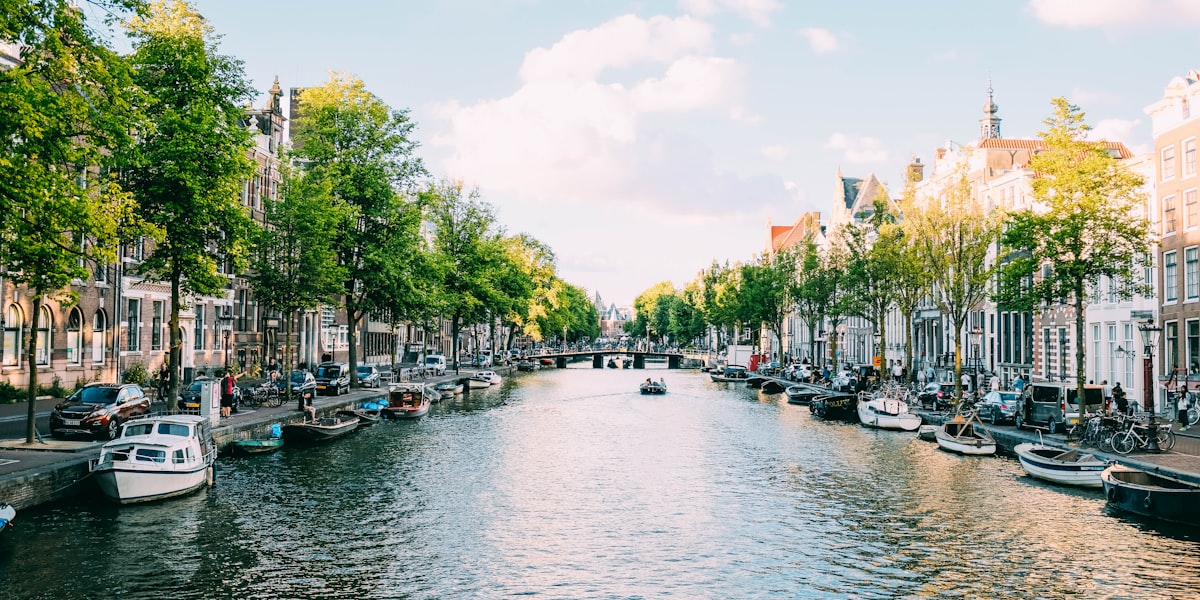
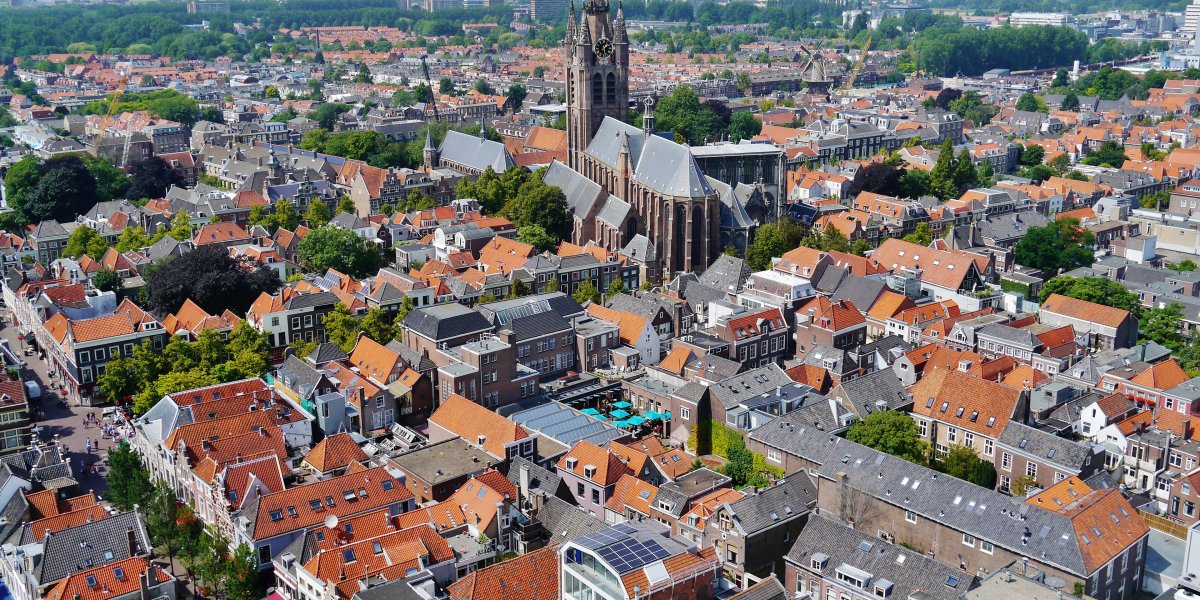
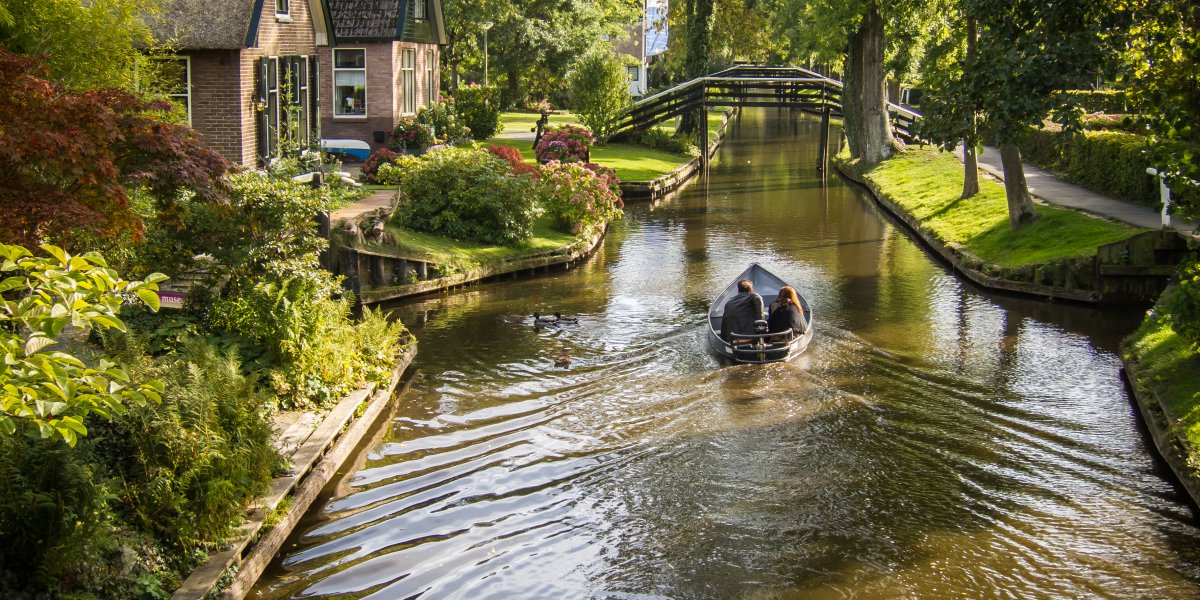
FAQ
Frequently asked questions
How many days do you need in Rotterdam?
Most travelers enjoy Rotterdam in 1 days, with enough time for headline sights and a slower meal or museum stop.
What's the best time to visit Rotterdam?
The easiest season for most travelers is Apr-Sep, especially if you want good weather and manageable crowds.
What's the daily budget for Rotterdam?
A practical starting point is about €70 per person per day before hotels, then adjust based on museums, dining, and transport.
What are the must-see attractions in Rotterdam?
A good first shortlist for Rotterdam includes Rotterdam Centraal Station, Cube Houses (Kijk-Kubus), Erasmus Bridge.