City Guide
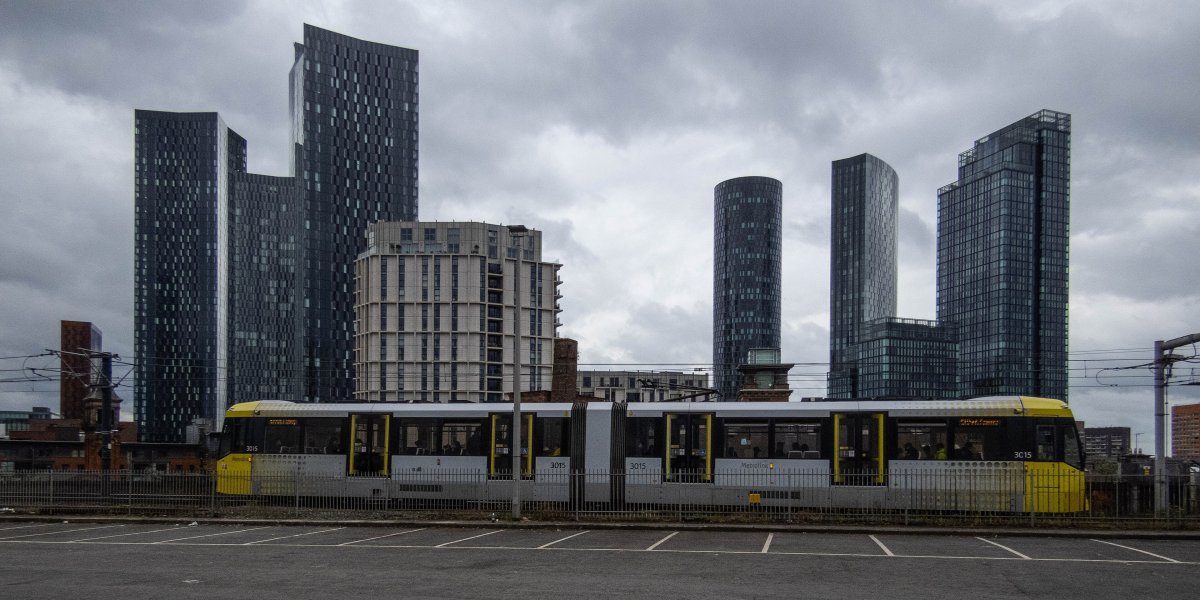
Manchester
Vereinigtes Königreich · Best time to visit: May-Sep.
Day-by-day plan
Choose your pace
Reisedauer
09:00
Religious
Start the day under the widest Gothic nave in Britain, ten minutes after the doors open at 08:30. East-window light catches the sandstone at its most forgiving, and the wedding-party coach crowds don't arrive until after 10:00 — for now, the place is yours. Circle outside once: 600 years of cathedral set against the glass curve of Urbis next door is Manchester's truest single frame.
Tip: Walk straight down the nave to the choir stalls and lift the hinged seats (the misericords) — the 15th-century carvings underneath, including a man half-swallowed by a dragon, are the cathedral's open secret and nothing in the visitor pamphlet points you to them. Entry is free; slip £3 into the donation box on the way out.
Open in Google Maps →10:00
Neighborhood
Exit the cathedral's south door, cross Victoria Street, and follow the Printworks arcade east — 8 minutes on foot and you've crossed from medieval Manchester into the city's creative back rooms. This is the neighbourhood that gave you Joy Division, The Smiths, and half the record sleeves on your shelf: start at Stevenson Square where the rotating murals change every few months, then weave south through Oldham Street past Piccadilly Records — the city's best vinyl stop — and into Afflecks, a four-storey indie bazaar that's been selling band T-shirts and piercings since 1982. The coffee at Ezra & Gil on Hilton Street is the Quarter's morning benchmark.
Tip: For the single best street-art shot in Manchester, stand at the corner of Tib Street and Thomas Street and frame south — the 'Hilda Ogden' mural on the gable end is huge and the perspective shifts as you walk past. Inside Afflecks, the top floor is where the good vintage lives; the ground floor is tourist bait.
Open in Google Maps →12:30
Food
Walk three minutes north up Tib Street to the stone arches at the top of the block — the old 1858 Smithfield Market building is now the city's best food hall. Eight independent kitchens sit under one cast-iron roof, with shared benches and a no-reservations rule that keeps it honest. Order the Honest Crust Nduja wood-fired pizza (£12) or a Baohaus pork-belly bao (£7), pull a pint from the central bar, and claim a communal table.
Tip: Arrive at 12:15, not 12:30 — the queue at the door forms from 12:45 onwards and you'll lose twenty minutes waiting for a bench. Each kitchen bills separately so expect to tap card four times; closed Mondays, in which case walk five minutes to Pollen Bakery on the Ancoats canal for the same vibe.
Open in Google Maps →13:30
Landmark
Head south down Oldham Street into Piccadilly Gardens, then cut diagonally via Market Street — 15 minutes of Victorian shopfronts and you emerge into Albert Square with the Town Hall's clock tower directly ahead. Alfred Waterhouse's 1877 Town Hall is the purest neo-Gothic civic statement in England — currently wrapped in scaffolding for a £330m restoration through 2026, but the Albert Square facade and tower are still the city's defining view. From here walk two minutes south into St Peter's Square for the Central Library's Pantheon-style rotunda and the Cenotaph — the quiet centre of civic Manchester.
Tip: The best Town Hall photograph is not from Albert Square but from the corner of Lloyd Street and Mount Street, where the tower lines up perfectly above the facade — every guidebook puts you in the wrong spot. Step inside the Central Library and take the lift to the Wolfson Reading Room upstairs: open to the public, silent, domed, and one of the great rooms in Britain — free, no ticket required.
Open in Google Maps →15:30
Neighborhood
From St Peter's Square walk west down Peter Street past the old Free Trade Hall (now the Radisson — where the Sex Pistols played in 1976 and every Manchester band claims to have been in the audience), then straight down Deansgate for 15 minutes until the brick viaducts appear overhead. Castlefield is where the Industrial Revolution physically began: the world's first industrial canal (1761) meets the world's first passenger railway viaduct in a tangle of brick, water, and ironwork. Walk the Bridgewater Canal basin, cross the cast-iron footbridge, look up at the Beetham Tower cantilevering above, then loop past the Science and Industry Museum's exterior — the original 1830 Liverpool Road station, the oldest in the world — as the late-afternoon light turns the viaducts copper.
Tip: For the single best canal photograph, stand on the Merchants' Bridge — the curved white footbridge — at 17:30 in summer and shoot east: the low sun puts the viaduct arches into silhouette against the water. Skip Cloud 23, the bar on top of the Beetham Tower: £20 cocktails, brusque door staff, and the view is honestly better from down on the canal for free.
Open in Google Maps →18:30
Food
Double back across the Merchants' Bridge — Dukes 92 is 90 seconds away, housed in the converted stable block of the 1765 lock-keeper's cottage with its terrace opening directly onto the canal basin. The Castlefield institution: a former canal stable turned bar-restaurant, famous for one of the best cheese-and-pâté boards in the north of England. Order the mixed board (£18, nine cheeses, three pâtés, proper sourdough) to share, the slow-cooked lamb shank (£21), and a pint of Manchester-brewed Cloudwater on tap.
Tip: Reserve online 24 hours ahead for a canal-side terrace table between 19:00 and 20:00 — walk-ins are routed indoors. Most important warning of the day: do not wander two minutes east to the Deansgate Locks bar strip looking for a nightcap — the venues there are overpriced tourist traps with pre-mixed cocktails and aggressive door pricing, and opportunistic bag theft along that stretch rises sharply after 21:00 on weekends. Castlefield proper, where you already are, is where locals actually drink.
Open in Google Maps →Zu Tag springen
09:00
Religious
Start the morning in the old heart of the city, a five-minute walk from Victoria Station. Manchester Cathedral is a 15th-century sandstone Perpendicular Gothic church quietly tucked beside the Irwell, its angel-carved ceiling and medieval misericords older than the industrial city that grew around it. At this hour you'll have it almost to yourself — a silent warm-up before the weekend crowds wake up.
Tip: Enter via the south door on Victoria Street and head straight to the choir stalls — the 14th-century misericord carvings of dragons and mermaids are one of only two complete medieval sets in England, and most tourists miss them entirely. Sunday Eucharist begins 10:30 and fills the nave, so 09:00–10:00 is your calm solo window.
Open in Google Maps →10:00
Museum
Cross Cathedral Gardens north and the brick-and-glass Urbis building is in front of you in two minutes — the walk is barely a walk. Inside: the original 1872 FA Cup, Maradona's 'Hand of God' shirt, and every ball from every World Cup final since 1930. Come right at opening to be first through the door, before the school groups flood Gallery 2 at 11:00.
Tip: Head straight up to the 'Hall of Fame' on Level 2 before anyone else — the George Best and Sir Bobby Charlton kits are 15 minutes of solitude if you beat the tour groups. Skip the £5 'Football Plus+' interactive games unless you're bringing a child; adults find them a time-sink that eats 40 minutes.
Open in Google Maps →12:30
Food
Walk east from the museum through the old lanes of Shudehill for eight minutes and step into Mackie Mayor — an 1858 meat market reborn as Manchester's most beloved food hall, with exposed iron columns and long communal oak tables. Order Honest Crust's sourdough pizza (£13.50) and Tender Cow's slow-cooked brisket sandwich (£11), wash it down with a Blackjack Brewery IPA from the central bar.
Tip: Grab a table first and write your seat number on a napkin, then hit multiple counters at once — this is the Mancunian way and the staff expect it. Avoid the Saturday noon–12:30 peak; arrive at 12:00 sharp or after 13:45 and you'll walk straight to food. No reservations, ever — don't try.
Open in Google Maps →14:00
Neighborhood
Step out of Mackie Mayor onto Swan Street and you're already inside the Northern Quarter — turn down Tib Street past shutters covered in rotating street art. This is where Manchester's music soul lives: Piccadilly Records on Oldham Street where Factory Records once held court, the Akse P19 mural of Ian Curtis on Stevenson Square, and four gloriously chaotic floors of Afflecks Palace. This is a walk to get lost in, not a checklist to tick.
Tip: Do the loop in this order for best flow: Oldham Street for record shops (ask staff at Piccadilly Records for the 'Manchester 1989' crate — they keep one behind the counter), north to Stevenson Square for the rotating mural wall (repainted every quarter, so it's different every visit), then Tib Street south to Afflecks. Ignore the 'Manchester Music Tour' touts clustered around Thomas Street — the self-guided Akse mural trail is free and covers more ground.
Open in Google Maps →16:30
Landmark
Walk south out of the Northern Quarter and down Cross Street for 15 minutes, past St Ann's Square to Deansgate. The John Rylands Library rises like a neo-Gothic cathedral of books — its 1900 Reading Room is all carved sandstone, stained glass, and flickering brass lamps. Arrive now: the late-afternoon sun cuts through the west windows and that is the reason every photograph of this room exists.
Tip: Skip the main Victorian entrance (sometimes queued with tour groups) and enter via the modern glass extension on the Spinningfields side — never queued. Take the lift straight to Level 3, walk to the far end of the Historic Reading Room, stand with your back to the fireplace, and shoot down the length of the arched ceiling. No flash, but tripods permitted until 16:45.
Open in Google Maps →19:00
Food
Exit the library onto Deansgate and walk east along King Street for five minutes — El Gato Negro sits inside a Georgian townhouse with three candle-lit floors and a rooftop terrace that opens in summer. The jamón ibérico de bellota (£12.50) and charcoal-grilled Galician octopus (£16) are non-negotiable, paired with a glass of Rioja Reserva from the 400-bottle list.
Tip: Book the second-floor dining room (not the ground-floor bar) at 19:00 exactly — it's the room with the best atmosphere and the last to fill up. Weekend tables need six-to-eight weeks' notice; walk-ins can ask for the ground-floor bar and order the pata negra board (same food, no wait). Manchester pitfall: Deansgate Locks bars five minutes south look lively but are the city's notorious stag-party zone with inflated drink prices and aggressive door touts — walk north up King Street instead.
Open in Google Maps →09:45
Landmark
Board the Metrolink tram from St Peter's Square to Old Trafford (15 minutes, £3.40 single) — the tram glides past converted cotton warehouses and the stadium's red frame appears above the rooftops. The Theatre of Dreams tour walks you through the players' tunnel, onto the pitch edge, into the home dressing room, and ends in the Sir Bobby Charlton Stand press box. The 09:45 slot is the only one with an empty, silent pitch.
Tip: Book the 09:45 slot online at least a week ahead — the 10:15 is the coach-group time and you'll be queuing at every photo point. Ask your guide to point out the Munich Tunnel memorial on the south concourse (most skip it unless prompted). Check the fixture list before locking in: tours don't run on home matchdays, and Europa League Thursdays often cancel too.
Open in Google Maps →12:00
Museum
Walk north from Old Trafford for 12 minutes, cross the Lowry Lift Footbridge over the Manchester Ship Canal, and Daniel Libeskind's shattered-aluminium building rises from the Salford Quays dock like a cracked globe. Free entry. The AirShard viewing tower (free lift to the top) is the only high vantage in this part of the city — you see Old Trafford, MediaCity, and the entire canal system from one spot.
Tip: Time your visit to catch the Big Picture Show — a 15-minute immersive projection runs every hour across the full height of the main hall's curved walls. The 12:00 rotation is 'Children and War' and is by far the most emotionally-landed of the four. Skip the café upstairs (overpriced canteen fare) and hold out for Dukes 92.
Open in Google Maps →13:45
Food
Tram back from Harbour City to Deansgate-Castlefield (20 minutes) and walk five minutes down the canal towpath — Dukes 92 sits at Lock 92 of the Rochdale Canal inside a converted 19th-century stable block. The cheeseboard platter (£14, six British cheeses with a brick of Eccles cake) and the pea & ham soup (£7) are canal-barge classics, and the cobbled lower terrace faces the water.
Tip: Grab an outdoor table on the lower terrace (canal-side, not the upper beer garden) — this is the Manchester lunch view locals send to their London friends on sunny weekends. Order the cheeseboard at the bar yourself rather than waiting for table service — turnaround halves and the wedges are cut bigger when the barman likes you.
Open in Google Maps →15:00
Museum
Walk three minutes west up Castlefield's Lower Byrom Street and the museum's Victorian warehouses appear — this is the world's oldest surviving passenger railway station (1830), and you enter where Stephenson's steam trains once terminated. Free entry. The Power Hall's restored textile-mill engines thunder to life on demonstration days, and Sunday afternoons are when most of them run.
Tip: Check the day's 'Demonstrations' board at the entrance immediately and plan around the 15:00 steam engine run in Power Hall — it's the only session on most weekdays and draws a crowd by 14:55. Enter via the original Liverpool Road Station building (not the glass-walled main entrance) so you can walk the 1830 platform before the family groups arrive upstairs.
Open in Google Maps →17:15
Park
Exit the museum onto Liverpool Road and walk four minutes south into Castlefield Urban Heritage Park — the reconstructed stone ruins of Mamucium, the Roman fort that gave Manchester its name, sit beneath three tiers of soaring Victorian rail viaducts. Walk the towpath loop where the Rochdale, Bridgewater, and Manchester Ship canals converge. Golden-hour light under the rust-red iron viaducts is the single best photography moment in the entire city.
Tip: Walk east from the Roman fort gatehouse along the Bridgewater Canal towpath for 400m to reach the Castlefield Bowl — this is where the three viaducts layer perfectly for photos, shot from the wooden boardwalk at 17:30–18:00 in summer (one hour earlier in spring/autumn). Head back via Liverpool Road after dark, not the canal paths east of the bowl — poorly lit and locals avoid them after 21:00.
Open in Google Maps →19:30
Food
Walk north up Deansgate for eight minutes to Hawksmoor, set inside a Grade II–listed 1870s Courthouse — marble columns, oxblood leather booths, and Manchester's finest dry-aged British steak. The 400g Porterhouse for two (£95/kg, carved tableside) is the showpiece; pair it with a Cloudwater Pale Ale from the Manchester-brewed tap list or the Kingpin martini (£15, house specialty).
Tip: Book the 19:30 window three weeks ahead for a weekend seat. If you're walk-in, go straight to the bar and order bone-marrow crumpets (£8) with a martini — the bar takes no reservations, the menu is the kitchen's best bites, and you get the room's full atmosphere for a fraction of the main bill. Deansgate pitfall: skip the rooftop 'cocktail lounges' two blocks south pushing £25 drinks via street touts — Hawksmoor, Albert's Schloss, and 20 Stories are the only three rooms locals actually vouch for in this stretch.
Open in Google Maps →Zu Tag springen
09:30
Religious
Begin at the spot where medieval Manchester first took root — a 15th-century parish church elevated to cathedral status in 1847, battered by a WWII bomb and quietly rebuilt. Step inside during the first opening hour when sunlight cuts through the Angel Stone window and the choir can often be heard rehearsing. Overlooked by most visitors, but the misericords carved with snarling dogs and grinning fools reward anyone who lingers.
Tip: Arrive by 09:30 to catch the morning prayer or choir rehearsal — the voices filling the stone are a freebie tourists miss. Check the chalkboard inside the north porch for the day's evensong time (usually 17:30) if you want to return at dusk.
Open in Google Maps →11:00
Museum
Exit the Cathedral's south door, cross Cathedral Gardens past the skateboarders, and the glass prow of the Urbis building rises ahead — a 3-minute walk. Arrive at opening to have the original FA Cup, the oldest international football shirt, and the tactics rooms nearly to yourself. Even if you have never kicked a ball, the museum reads football as social history — working men's clubs, migration, Heysel and Hillsborough — and that is Manchester's story.
Tip: Check opening days before you come — the museum runs Wed–Sun 11:00–17:00. Start at the top floor and work downward; the ground-floor interactive pitch gets noisy with school groups after midday. Free entry, but donations fund the exhibitions.
Open in Google Maps →13:30
Food
From the museum, walk south down Corporation Street and duck into the tiled alley of Back Pool Fold — a 6-minute walk that delivers you to a Victorian basement serving corned beef hash the same way it has since 1872. L. S. Lowry drank here, and his bronze statue still leans against the bar. Order the corned beef hash with a poached egg (£16) or the proper steak and kidney pudding (£18) — this is what 'pub grub' meant before the word gastropub existed.
Tip: Book a table or arrive by 12:30 — the basement room seats only forty and fills with suits from the nearby chambers. Skip the generic pub lunch menu and ask the waiter about the daily roast; split the bread-and-butter pudding for dessert, portions are honest.
Open in Google Maps →15:00
Landmark
Walk five minutes south down Deansgate and the red-sandstone neo-Gothic fortress of the Rylands appears like a Harry Potter set that exists in real life. Enriqueta Rylands commissioned it in 1900 as a memorial to her late husband, and the Historic Reading Room contains manuscripts including a fragment of John's Gospel from around 125 AD. Free, quiet, and deeply moving — the single most beautiful interior in the city.
Tip: Closed Mondays and Tuesdays. Take the lift straight to the Historic Reading Room first, then descend to the rotating exhibits — natural light through the stained glass peaks between 14:00 and 16:00. Photography allowed without flash; tripod-free.
Open in Google Maps →19:30
Food
After an afternoon drifting down Deansgate and through the Spinningfields quarter (good browsing at Harvey Nichols and the canal-side terraces), walk two minutes back up Deansgate to the former County Courthouse. Hawksmoor is famed for dry-aged British beef, and the Manchester branch is the group's most atmospheric — wood-panelled courtrooms with original judges' benches turned into banquettes. Order the chateaubriand for two (£90) or the 300-day aged sirloin (£42); add bone-marrow starters and beef-dripping fries.
Tip: Book two weeks ahead for 19:30 tables. The pre-theatre menu (£30 for three courses until 18:30) is the same kitchen at half the price — arrive at 18:00. Avoid the branded 'steakhouse' chains in Printworks and the tourist-trap 'Curry Mile' cab fare north of Piccadilly — the real Manchester dining sits on this stretch of Deansgate.
Open in Google Maps →10:00
Museum
A 15-minute walk south-west through Spinningfields (or one Metrolink stop to Deansgate-Castlefield) brings you to Liverpool Road Station — the oldest surviving passenger railway terminus in the world, 1830. The textile galleries are the must-see: a Victorian mill-master's office overlooks rows of cotton mules that still run on scheduled demonstrations. The noise and oily smell are the point — this is the Industrial Revolution you can hear.
Tip: Head straight to the Textiles Gallery before the school groups arrive after 10:30. Ask at the front desk for the day's live machinery demo time — usually 11:00 and 14:30. The Power Hall remains in phased restoration through 2026; check which engines are running before committing a full morning.
Open in Google Maps →12:30
Food
Exit the museum onto Liverpool Road, turn right, and a 4-minute walk brings you to the canal-side terrace of The Wharf — a Brunning & Price pub in a converted warehouse overlooking Castlefield Basin. Order the steak and ale pie (£17) or fish and chips with mushy peas (£16.50) and sit on the canal terrace if the sky holds. This is a pub meal executed at restaurant level, with proper bookshelves, cask ales, and water dead under your feet.
Tip: Reserve a canal-side table online; walk-ins get the inner rooms. Split the sticky toffee pudding — it's the best in the city. Avoid the glossier chain pubs along Deansgate Locks just upstream; they charge tourist prices for reheated plates.
Open in Google Maps →14:30
Landmark
Leave the pub and drop to the canal towpath — a three-minute walk delivers you to the reconstructed North Gate of Mamucium, the Roman fort from which the entire city takes its name. The basin itself is where the Bridgewater Canal of 1761 (the Industrial Revolution's starting gun) meets the Rochdale and Ship canals. Walk the full horseshoe beneath the Victorian iron viaducts; the sequence of water, brick and cast iron is the Industrial Revolution rendered in physical form.
Tip: Late-afternoon light around 15:00 rakes the brick viaducts and makes for the best photos from the eastern footbridge. The Roman Fort is entirely free and open-air — ignore anyone offering a 'guided tour'; the information boards at the North Gate carry all you need.
Open in Google Maps →16:00
Museum
Walk 10 minutes north along the River Irwell, through New Bailey, and over the Trinity footbridge to a former Edwardian pumping station now housing Britain's only museum dedicated to the history of democracy. The banner collection — hand-stitched by trade unions, Chartists and suffrage societies — is visually extraordinary. The Peterloo Massacre display (the site is a mile from here, 1819) is the emotional anchor.
Tip: Closed Mondays and Tuesdays; last entry 16:00, so arrive right on time. Pick up the orange visitor's guide from the desk — it marks the landmark banners, which hang in deliberately dim conservation lighting and are easy to walk past. Free entry, suggested £5 donation.
Open in Google Maps →19:30
Food
A seven-minute walk east into Spinningfields brings you to the glass tower of No. 1 Spinningfields — take the express lift to the 19th floor. 20 Stories has a rooftop terrace facing due west, and on a summer evening the Pennines glow pink behind the city skyline. Order the stone bass with samphire and brown shrimp (£34) or the whole roast chicken for two (£58); a terrace drink while the sun sets is a dinner in itself.
Tip: Reserve a terrace table for 19:45 in shoulder season (20:45 around midsummer) to catch the full sunset from outside. The three-course early menu from 17:00–18:45 is £40 — a bargain at this altitude. Be wary of the 'happy hour' cocktail bars along Deansgate Locks below; they inflate prices for stag and hen parties and routinely short-measure drinks.
Open in Google Maps →10:00
Neighborhood
Start at Piccadilly Gardens and head north up Oldham Street — within two blocks you have crossed into the Northern Quarter, Manchester's indie soul. Stevenson Square holds rotating murals (new work appears every few weeks through the Outhouse MCR project); Tib Street and Hilton Street carry the strongest pieces. Pop into Piccadilly Records at No. 53 Oldham Street — the staff-recommendation wall is where Manchester's next sound usually surfaces first.
Tip: Come before 11:00 — the NQ wakes up late and the streets photograph best without crowds. Piccadilly Records opens at 10:30; dig the Manchester section at the front-left for Oasis B-sides and Joy Division reissues not sold online. The best mural corner is Stevenson Square's eastern wall, changed roughly every two weeks.
Open in Google Maps →11:30
Shopping
Walk one block west along Church Street to the corner of Tib Street, where a four-storey Victorian department store is stuffed with seventy independent stalls. Afflecks has been a teenage rite of passage since 1982 — vinyl, vintage leather, tattoo studios, fortune-tellers. Mark Kennedy's ceramic mosaic on the exterior wall reads like a tribute to every Manchester band. Spend an hour getting lost; don't overthink it.
Tip: Opens 10:30 Mon-Sat, 11:00 Sun; closes 18:00. The floor plan shifts constantly — grab the paper directory at the Church Street entrance before heading in. The rooftop tattoo studio takes walk-in flash pieces on cash basis; go there first if you want one before it books up for the afternoon.
Open in Google Maps →13:00
Food
A five-minute walk northeast up Tib Street brings you to a restored 1858 meat market now housing six independent kitchens under one iron roof. Order a sourdough Neapolitan from Honest Crust (£14), a smashed beef burger from Tender Cow (£13), and a flat white from Pollen coffee — share across the communal trestle tables. This is the best casual meal in Manchester and where locals actually eat on weekends.
Tip: No reservations, no phone orders; arrive before 12:45 to grab the mezzanine seats that overlook the kitchens. Each stall has its own queue — split your party up so you return to the table with everything hot at once. Do not miss Pollen's cardamom bun for dessert.
Open in Google Maps →14:30
Museum
Walk 12 minutes south down Tib Street into Lever Street and on to Mosley Street, where the 1824 neoclassical gallery holds the city's art collection — Turner, the Pre-Raphaelites, and the Lowry industrial paintings that defined Manchester's self-image across the 20th century. The Pre-Raphaelite room on the ground floor is a textbook view of Holman Hunt, Rossetti and Millais in one sweep. Give it ninety minutes, not more — leave room to drift.
Tip: Closed Mondays. Head upstairs to the Lowry room first — most visitors cluster at the Pre-Raphaelites on the ground floor. The gallery café is pleasant, but Federal five minutes south on Deansgate serves a better mid-afternoon coffee and flourless orange cake for the 30-minute stroll you have before dinner.
Open in Google Maps →19:30
Food
Walk ten minutes back up Mosley Street, cut through New York Street, and find Higher Ground tucked into Faulkner Street — a former butcher's shop that now runs as one of the most quietly acclaimed kitchens in the north. The format is a set seasonal menu (£65) built from produce that travelled no further than fifty miles. Expect wood-fired lamb, pickled cherries and a house-baked sourdough that has made national critics' best-of lists.
Tip: Book four weeks ahead for weekend tables; weekday 19:00 sittings are easier. Order the natural wine pairing (£45) — they run one of the most interesting low-intervention lists outside London. Avoid the glossier 'Deansgate Square' rooftop cocktail bars to the west; they're aimed at weekend break groups and priced to match.
Open in Google Maps →Zu Tag springen
09:30
Religious
Begin at the medieval core of the city, before the tour groups arrive. The 15th-century choir stalls are among the finest in England, their misericords hiding a menagerie of carved beasts you have to lift the seats to find. Morning light slants through the east window in honey tones that disappear by midday — this is the only hour the nave looks like this.
Tip: Enter via the south porch and head straight for the Lady Chapel. The volunteer guides are warmest before 10:30 — ask about the carved pelican hidden beneath the choir seats and one of them will usually walk you over to show it.
Open in Google Maps →11:00
Landmark
Walk 12 minutes south down Deansgate — you'll pass the Royal Exchange and the glass face of modern Manchester before the library's red-sandstone turrets rear up like a Gothic daydream. The Historic Reading Room is one of the most photographed spaces in England: vaulted nave, stained glass, green-shaded lamps. They hold a Gutenberg Bible leaf and the earliest surviving fragment of the Gospel of John — a scrap of papyrus from AD 125.
Tip: Arrive before 11:15 — the Reading Room light is best mid-morning, when sun still reaches the east windows. Entry is free; a £5 donation gets you a fold-out map keyed to every display case. Silence is enforced in the upper gallery — set your phone to silent before you climb the stone stair.
Open in Google Maps →13:00
Food
Cut 5 minutes east through the back alleys of Chapel Walks — narrow Victorian ginnels the tour groups never find. Sam's has occupied this green-tiled snug since 1872 and remains where Mancunian lawyers still lunch. Order the famous Corned Beef Hash (£16) with English mustard and a pint of Seven Bro7hers bitter; the recipe has not moved in a hundred years and arrives sizzling in a copper pan.
Tip: Sit downstairs in the Chop Room, not the Oyster Bar upstairs — the wood panelling is original and the statue of L.S. Lowry at the bar is where the painter actually drank. Walk in before 13:00 to claim the corner banquette; bookings only apply to dinner.
Open in Google Maps →15:00
Museum
Walk 10 minutes north past Exchange Square and the Printworks to the glass wedge of the Urbis building. This is the only museum in the country devoted to the game Manchester invented and perfected — the original 1872 FA Cup, Maradona's 'Hand of God' shirt, the boots Geoff Hurst wore in '66. Afternoon is deliberately chosen: school groups clear out by 15:30 and the interactive shooting gallery on level 2 suddenly empties.
Tip: Go straight to level 4 for the Oasis & Football temporary exhibition — the best-curated room in the building. Adult entry is now £14 (roughly €16) and an annual pass costs the same, so if you think you'll return, buy the annual one.
Open in Google Maps →19:30
Food
Walk 10 minutes south through Market Street and into the old Victorian Courthouse on Deansgate — mahogany-panelled, lit like a stage set, the finest dining room in the North. The dry-aged Porterhouse (£72 for two, carved at the table) is the finest steak outside London; the Beef Dripping Fries (£5.50) are non-negotiable. Come at 18:30 first for a £5 Express Martini at the bar before your table is called.
Tip: Book the 19:30 seating at least a week ahead online and request a booth in the old courtroom, not the front window tables. Pitfall warning: avoid the 'authentic Manchester' restaurants clustered around the Arndale Centre — they are rebadged chains selling reheated pies. Hawksmoor is the real one.
Open in Google Maps →10:00
Museum
Arrive exactly at 10:00 opening — this is where you understand why Manchester built the modern world. The museum occupies the oldest surviving passenger railway station on earth (Liverpool Road, 1830), and the Power Hall's working steam engines still roar to life on the hour, filling the space with the sound and smoke of 1840. The Textiles Gallery traces the looms that made the cotton capital, each one labelled with its mill of origin.
Tip: Head straight to the Power Hall for the 11:00 steam demonstration — the queue is shortest then, and the engineer who runs the Beyer-Peacock mill engine takes questions afterwards. The original Stephenson's platform outside is free to walk — most visitors miss it entirely, but it is where the first passenger train in history pulled away.
Open in Google Maps →13:15
Food
Walk 5 minutes south along the Bridgewater Canal towpath — red-brick warehouses on one side, moored narrowboats on the other, cast-iron railway arches stacking above you like a Piranesi etching. Dukes 92 sits in the old stable block of Lock 92 and has the best canal-side terrace in the city. Order the cheese and pâté platter (£17) with their own pickles and a pint of Cloudwater DDH lager — this is the dockers' lunch reimagined.
Tip: Terrace tables cannot be booked — arrive at 13:15 sharp for a spot facing the Stone Duke aqueduct. Stay in the ground-floor bar for the platter; the upstairs restaurant is slower and more expensive for the same kitchen.
Open in Google Maps →14:45
Museum
Walk 10 minutes north-east along the canal into Spinningfields — the transition from Victorian industry to glass-and-steel finance happens in a single block, and the museum sits deliberately on the seam. This is the only museum of British democracy anywhere, holding the largest collection of political banners in the world, preserved in a climate-controlled vault you can peer into through glass. The Peterloo Massacre exhibit hits hardest because you are standing ten minutes from where it happened in 1819.
Tip: Go straight to the first-floor banner vault — the 19th-century silk banners have to be rotated in and out of storage for conservation and you can only see them in scheduled slots. Free entry; the Left Bank Café on the ground floor pulls the best flat white in the district.
Open in Google Maps →17:00
Neighborhood
Walk 10 minutes west along the Rochdale Canal, back the way you came — the low western sun at 17:00 throws the whole basin into amber and the railway viaducts stack shadows across the water. The reconstructed Roman gate of Mamucium stands where Manchester actually began in AD 79; beyond it a labyrinth of cast-iron viaducts and brick arches layers above each other. This is the defining photograph of industrial Manchester, and only this hour gives it.
Tip: If the Castlefield Viaduct Sky Park (a converted Victorian railway bridge turned wildflower garden) is open, book the free 17:00 slot online that morning — the light looking south over the basin is unmatched. If closed, the lock-side bench at Dukes 92 faces the same sunset.
Open in Google Maps →19:30
Food
Walk 12 minutes north-east back into Spinningfields to the base of No.1 Hardman Square and take the express lift to the 19th floor. After an afternoon at canal level, the view from here — the whole Castlefield valley lit up at dusk, Beetham Tower rising beside you, the Pennines behind — is the reward. The 40-day aged Yorkshire sirloin (£42) with bone-marrow butter is excellent; in spring swap it for the Cheshire asparagus with hollandaise (£18).
Tip: Book a window table on the 'sunset side' (west-facing) specifically — state this when reserving. Arrive 20 minutes early for a drink on the open-air terrace one floor up, which does not take bookings. Pitfall warning: the Spinningfields 'happy hour' cocktail bars directly below are chain tourist traps; the view from 20 Stories is what you came here for.
Open in Google Maps →10:00
Landmark
Take the Metrolink yellow line from St Peter's Square to Wharfside — 12 minutes door to pitch edge. The tour walks you down the tunnel and onto the touchline of the Theatre of Dreams, a moment that moves even the football-indifferent. The Munich Memorial room — with the battered wristwatch frozen at 15:04 on 6 February 1958 — brings you up short in a way no guidebook prepares you for.
Tip: Book the 10:00 tour slot online (£30 adult) — the 11:00 and 12:00 tours mix with school groups. Tours do not run on match days; check the United fixture calendar the week before. The club shop sells original old-stand section seats as souvenirs — no one else will have one.
Open in Google Maps →12:30
Food
Walk 15 minutes north across the Media City Footbridge — the dock water mirrors the glass of the BBC studios and the red trams cross above you. The Dockyard occupies a converted warehouse on Pier 8; their beer-battered haddock and mushy peas (£18) is a proper Northern lunch, served with triple-cooked chips and a pint of Seven Bro7hers IPA from the brewery one mile upstream.
Tip: Sit on the outdoor deck facing the Salford Quays basin — the ITV studios sit across the water and the trams rumble past every few minutes. Weekday lunches rarely need a booking; avoid weekends when Media City workers queue out of the door from 12:45.
Open in Google Maps →14:30
Museum
Walk 5 minutes east along the quay — Daniel Libeskind's aluminium-clad shards rise above the water like the broken fragments of a globe, the building itself meant to read as the shattered earth of war. The Main Exhibition Space plunges into darkness every hour for a 15-minute audio-visual 'Big Picture' projected across all four walls — sit on the floor with the locals; it is the most affecting quarter-hour in Greater Manchester. Afternoon is chosen because the Air Shard lift gives clearest views back to the city before the 16:30 closing.
Tip: Time your visit to catch the 15:00 Big Picture show — the theme rotates hourly between 'Children and War', 'The Home Front' and 'Why War?'; the 15:00 one is usually 'Children and War', which is the one to see. Free entry. Take the Air Shard lift to the roof on arrival, not at the end — it closes 30 minutes before the museum.
Open in Google Maps →17:15
Neighborhood
Cross the Media City Footbridge back south — 4 minutes across the lifting bridge — to the silver-and-orange shell of The Lowry arts centre. The galleries hold the largest public collection of L.S. Lowry's matchstick-men paintings; even a 20-minute walk-through before 17:00 closing catches the unmissable 'Coming from the Mill', which alone explains how Manchester saw itself. Stay for the sunset from the outer terrace — the whole of the quays turns gold at this hour.
Tip: Galleries are free. Enter directly at the top of the stairs and turn left for 'Coming from the Mill' — it is in the second room, not the first. The outer waterfront terrace stays open after the galleries close; the bench facing the lifting bridge gives the photograph most people come here for.
Open in Google Maps →19:30
Food
Take the tram 18 minutes back to St Peter's Square and walk 8 minutes west into Spinningfields — the shift from Salford dockland to glass towers is part of the journey. Tattu's dining room is built around a neon-lit cherry-blossom tree that blooms above every table. The Dragon Dumplings (£18) and Truffle XO Wagyu Fillet (£48) are the dishes to order; the smoking cocktails arrive under a cloche of hickory.
Tip: Book a table in the 'main tree area' specifically when reserving — state this in the booking notes, not just 'window' or 'booth'. Arrive 15 minutes early to photograph the tree before service dims the lights for dinner. Pitfall warning: avoid the Printworks entertainment complex ten minutes east of here — it is a chain-bar circuit priced for stag weekends; the real local scene is a block west around Hardman Square and Deansgate Square.
Open in Google Maps →10:30
Neighborhood
Start at Stevenson Square — the beating heart of independent Manchester, where the walls literally change every few weeks. Akse (who painted the city's Marcus Rashford mural), Nomad Clan and Mohammed Ali cover entire gable ends here; the rotating 'Outhouse Manchester' project commissions a new artist each quarter. Wander Tib Street, Hilton Street and Oldham Street — this is where the city actually lives, not where it performs for tourists.
Tip: Download the free Outhouse Manchester self-guided map — the best works are down Faraday Street and behind the Edwardian ghost sign on Church Street. Saturday morning has fewer crowds and the street cleaners haven't yet scraped the weekend sticker-art off the lamp-posts.
Open in Google Maps →12:00
Shopping
Two minutes south-east to the corner of Church Street and Tib Street — Afflecks has been Manchester's indie palace since 1982, four floors of piercings, vintage Adidas, vinyl, tarot and glittering kitsch. Morrissey bought his shirts here; so did every member of Oasis before they were Oasis. The mosaic tiles on the stairwells by Mark Kennedy form an unofficial Manchester music-history museum you walk through without noticing.
Tip: Head straight to the fourth-floor Oklahoma Vintage for the city's best band tees, honestly priced. Skip the ground-floor souvenir stalls — the real finds are always upstairs. Pay cash at individual stalls; many don't take card under £10.
Open in Google Maps →13:15
Food
Walk 5 minutes north up Tib Street — you will pass the window of Vinyl Exchange and the ghost-sign cotton warehouses of Smithfield — to Mackie Mayor, a restored 1858 Smithfield Market building turned food hall. This is where Ancoats locals eat on weekdays. Order a Honest Crust sourdough pizza (£12) or Tender Cow salt-beef hash (£11) and a flat white from the Pollen Bakery counter; long wooden tables fill with dogs, pushchairs and full buzz.
Tip: Arrive by 13:15 sharp — by 14:00 the queue for Honest Crust pizza wraps the building. Grab a table first (leave a coat on a chair), then send one person to queue while the other orders drinks at the upstairs bar. Pay per stall, no single bill, no bookings ever.
Open in Google Maps →15:00
Neighborhood
Walk 10 minutes east along the Rochdale Canal towpath — gas-lamps, red-brick mills rising ten storeys on either side, the water black and still. Emerge at Cutting Room Square, the beating heart of Ancoats, where the world's first industrial suburb has been reborn as apartments and independent bakeries. St Peter's Italian Church anchors the square; the steel art panels quote mill-worker testimonies from the 1830s. The afternoon sun slants between the buildings at 16:00 in a way that is almost painterly.
Tip: Sit on the benches facing the old Royal Mill (now flats) for the 16:00 light. Walk one minute further to Pollen Bakery at Cotton Field Wharf for the finest sourdough loaves in the north of England — they sell out by 16:30, so buy it now to take back to your hotel.
Open in Google Maps →19:00
Food
Two minutes back to Blossom Street — Mana's unassuming black door opens into Manchester's only Michelin-starred restaurant (since 2019, held every year since). Chef Simon Martin, ex-Noma Copenhagen, serves a 17-course tasting menu rooted in British larder: lamb heart tartare with wild garlic, Morecambe Bay potted shrimp on wood-fired sourdough, blackcurrant with elderflower granita. The kitchen pass runs the length of the room and you watch every plate built.
Tip: Book six weeks ahead online — Friday and Saturday slots go first. Request the kitchen counter seats specifically (state 'counter seats' in the booking notes) — you see every plate built and the chefs talk you through each course. The paired wines (£145) are worth it; the sommelier handles non-drinkers well. Pitfall warning: Ancoats is safe at night but do not take the minicabs touting on Great Ancoats Street — always pre-book an Uber, or use the licensed black-cab rank outside the Night & Day Café on Oldham Street.
Open in Google Maps →
Trip builder
Plan this trip around Manchester
Turn this guide into a bookable rail itinerary with FlipEarth.
Keep exploring
Related cities
More in the same country
FAQ
Frequently asked questions
How many days do you need in Manchester?
Most travelers enjoy Manchester in 1 days, with enough time for headline sights and a slower meal or museum stop.
What's the best time to visit Manchester?
The easiest season for most travelers is May-Sep, especially if you want good weather and manageable crowds.
What's the daily budget for Manchester?
A practical starting point is about €85 per person per day before hotels, then adjust based on museums, dining, and transport.
What are the must-see attractions in Manchester?
A good first shortlist for Manchester includes Manchester Town Hall & St Peter's Square.