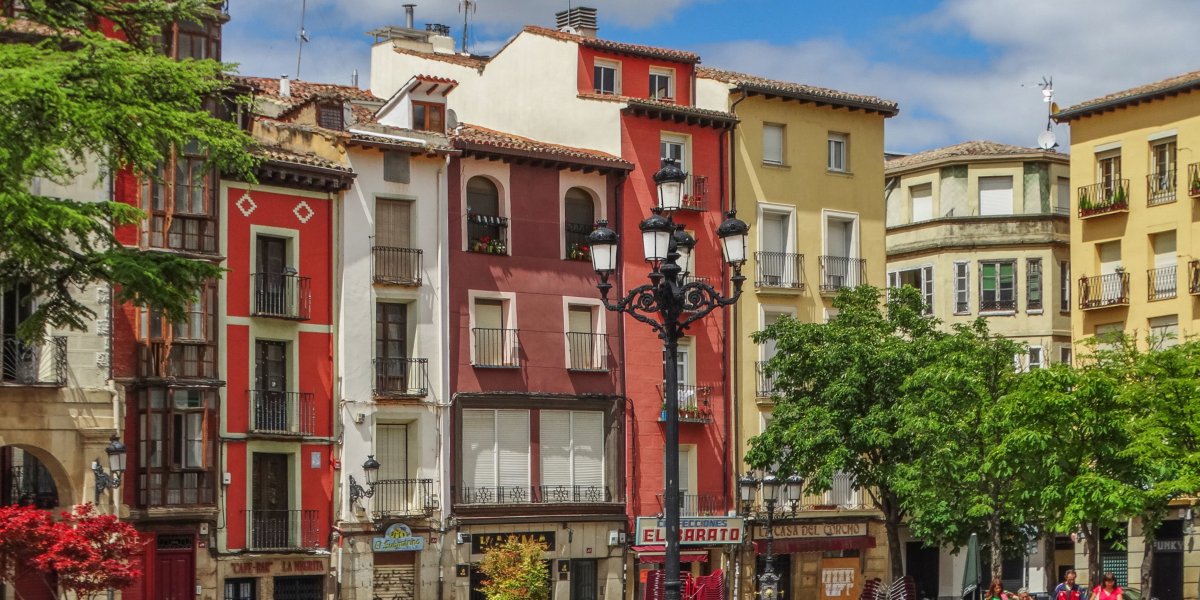
City Guide
Logroño
Spanien · Best time to visit: May-Oct.
Day-by-day plan
Choose your pace
Reisedauer
09:00
Landmark
Begin where Logroño begins: the only surviving fragment of the 16th-century artillery walls that held off the French invasion of 1521. The brick bastion sits at the eastern edge of the Espolón promenade, and early sun rakes across its southeast face — the chestnut trees along the promenade make a green tunnel toward it. Walk a slow lap around the exterior; the cannon embrasures on the south flank still bear pockmarks from French shells, and the small embedded tunnel mouth at the base once let defenders sortie out unseen. Logroño's coat of arms includes the date 1521 because of what happened here.
Tip: Arrive before 09:30 and you'll have the Espolón entirely to yourself — the shops open at 10:00 and the school groups don't reach here until 11:00. Read the tiled mural on the inner side of the wall: every Riojan child can recite the story it tells.
Open in Google Maps →10:30
Religious
From the Revellín head west along Calle Sagasta, then cut north through Calle Portales — Logroño's arcaded medieval main street where every stone column hides another tapas bar — about an 8-minute walk and the most photographed street in the city. The Co-Cathedral's twin baroque towers — locals call them 'Las Gemelas,' The Twins — were grafted onto a Gothic body in the 18th century, and the asymmetry is the secret: look up and you'll see one tower is slightly broader than the other. Plaza del Mercado in front is the morning heart of Logroño: pensioners still drinking their café cortado at the outdoor tables, the bell tolling eleven, pigeons rising from the cobbles.
Tip: Stand under the final arch of Calle Portales facing south toward the cathedral — this exact spot frames both towers between two stone pillars, the composition every Logroñés has on their phone. Move two meters either side and the symmetry collapses. The exterior is the whole show here; interior is unremarkable, skip the queue.
Open in Google Maps →13:00
Food
From the cathedral, slip into Calle del Laurel through the narrow Travesía del Laurel — 90 seconds on foot, and you'll smell garlic and grilled mushroom before you see the first sign. The unwritten rule on this street is: one bar, one pincho, then you move on. Start at Bar Soriano for the legendary champiñón — three mushrooms stacked on a baguette slice with a shrimp pinned on top, drowning in garlic-parsley oil, €1.40 and unchanged since 1965. Cross to Bar Ángel for the matrimonio (anchovy and white boquerón married on bread, €2.50). Finish at Blanco y Negro with their version of matrimonio and a glass of Rioja crianza (€3). Total with two glasses of wine: under €15 — the best meal value in Spain.
Tip: 13:00 is when locals start; 14:00 is when the tour groups arrive. Order standing at the bar, never sitting — sitting down doubles the price and breaks the rhythm. Each bar specializes in ONE thing; ordering the champiñón at Ángel or the matrimonio at Soriano marks you as a tourist instantly.
Open in Google Maps →15:00
Religious
From Blanco y Negro, walk east three minutes along Calle de San Juan; the small plaza opens up with the church's golden façade catching the afternoon sun head-on. Camino de Santiago pilgrims have stopped here for 500 years — but the real treasure is on the ground outside: an enormous tiled board of the 'Juego de la Oca,' the medieval pilgrim's board game whose 63 squares secretly encode the stages of the Camino itself. Above the south door, the Matamoros — Saint James on horseback trampling Moors — is one of the defining sculptures of medieval Spain, and the afternoon light from the southwest hits it from below in a way that makes the horse look like it's leaping off the wall. The pilgrim fountain in the same plaza still flows for walkers passing through.
Tip: The goose-game squares spiral toward a center labeled 'el cielo' — heaven. Stand on square 19, the 'Posada' (the inn), for a photo; Spanish friends will instantly understand the joke. Late afternoon is the only window when the Matamoros relief is properly lit — at noon it's flat, at sunset it's in shadow.
Open in Google Maps →16:30
Landmark
Walk north on Calle Sagasta then bear right onto Calle del Mercado — six minutes downhill, and the stone arches of the bridge open in front of you as the old town releases you onto the river. The Puente de Piedra has connected Logroño to the Camino for over a thousand years (the current seven-arch version replaced one that collapsed in a 1871 flood); pilgrims still cross it carrying scallop shells sewn to their packs. Walk it once to the north bank, then turn left into Parque del Ebro and follow the river path west for about 2 km — the skyline with the cathedral's Twin Towers framed inside the bridge's arches is one of the great views of northern Spain. Loop back across the modern Puente Sagasta and walk the south bank home, ending the riverwalk at golden hour as the city lights begin to flicker on behind you.
Tip: From the north bank, walk to the small fishing pier directly under the third arch — the entire stone bridge plus the cathedral towers fit in one frame from this exact spot, and only this spot. Photograph between 17:45 and 18:30 in summer; the west-facing skyline glows ochre before the sun drops behind the vineyard hills. Skip the modern pedestrian bridge (Pasarela del Ebro) — its steel cables cut every composition in half.
Open in Google Maps →19:30
Food
From the riverbank walk back through Calle del Mercado and turn into Calle Carnicerías — La Chata is the dark wooden-doored bodega on your left after four minutes, the smell of wood-smoke and roasting lamb leading you the last fifty meters. This asador has been roasting lamb in a single brick oven since 1821, making it the oldest restaurant in Logroño. Order the cordero asado al horno de leña — a quarter of a milk-fed lamb roasted at 220°C for two hours until the skin shatters like caramelized glass under a fork (€28). Start with menestra de verduras de Calahorra (€12), the hyper-local La Rioja vegetable stew of artichokes, asparagus and broad beans, and pair the lamb with a half-bottle of Rioja Reserva from the house list (€18). The dining room is the original 19th-century brick cellar — low light, low ceilings, conversations echoing off vaulted stone.
Tip: Arrive at 19:30 sharp and walk straight to a table; Spaniards don't sit down until 21:00, and by 21:30 there's a 40-minute wait. PITFALL WARNING — after dinner, do NOT return to the western (Plaza del Mercado) end of Calle del Laurel for a nightcap: bars facing the plaza charge tourists €5 for the same pincho that costs €2 inside Bar Soriano twenty meters east. Any restaurant on Calle Portales advertising a 'menú turístico' in English is a trap; every real Riojan asador uses Spanish-only chalkboards. If you want a final glass of wine, ask La Chata's waiter to pour you a copa of their Reserva right there at the bar.
Open in Google Maps →Zu Tag springen
09:30
Landmark
Walk down Calle del Portales — Logroño's colonnaded spine — and the cathedral's twin Baroque towers slide into view above the arcade. Arrive fifteen minutes after the 9:15 opening, when the cleaners have stepped out and morning light pours sideways through the eastern glass onto the gilded altarpieces. The treasure most visitors miss is a small Crucifixion attributed to Michelangelo's circle, tucked in a side chapel with no signage.
Tip: Climb the south tower — €4, twelve people per slot, sold at the door. Book the 11:00 slot: the sun is high enough to light the red-tile rooftops but low enough that the cathedral's own shadow doesn't fall across the photograph. The 12:00 slot misses both.
Open in Google Maps →11:15
Religious
Exit the cathedral's east door, cross Plaza del Mercado, and walk seven minutes along Calle Mayor — this is the medieval Camino route, the original spine of the pilgrim city. San Bartolomé is the oldest church in Logroño (13th c.) and its Mudejar portal — alabaster and sandstone in ten carved layers — is the most underrated façade in northern Spain. The interior is plain; spend your time outside, on the small plaza opposite, reading the stone.
Tip: At 11:30 the sun strikes the portal at a 60° angle and every carved figure throws a sharp shadow line — no other hour reproduces it. Pilgrims with shells on their packs often pause here before walking on; a quiet 'buen camino' is the local greeting.
Open in Google Maps →12:30
Food
Three minutes south down Calle Mayor, turn into Travesía del Laurel — a fifty-meter alley that hides the most famous mushroom tapa in Spain. Bar Soriano has served exactly one thing since 1972: a skewer of three sautéed mushroom caps stacked on crisp bread, glazed in garlic-parsley butter with a single shrimp pinned on top. €3. Order one standing at the bar, eat it, order another. There is no menu.
Tip: Arrive at 12:30 sharp — locals start at 13:30 and the queue stretches around the corner by 14:00. Cash only. Ask for 'un champi' (un cham-pee). Wash it down with their house Rioja crianza at €1.80 a glass — never the rosé, which is what tourists order.
Open in Google Maps →14:00
Museum
Two minutes back up Calle Portales to Plaza de San Agustín — the museum occupies the 18th-century Palacio del Espartero, free to enter and gloriously empty during siesta hours. It tells the whole arc of the region from Roman wine amphorae through medieval Camino reliquaries to Sorolla's portraits of Riojan farmers. The basement is the highlight: 2,000-year-old fermentation tanks carved straight into stone.
Tip: Skip the audio guide — pick up the free printed English booklet at reception, it's sharper. After Sorolla on the second floor, double back to Room 7 for the Camino reliquaries; most tour groups never make it that far and you'll have it to yourself.
Open in Google Maps →16:30
Religious
Walk five minutes south through the heart of the old town to Plaza de Santiago. This is the pilgrim's church — the equestrian Santiago Matamoros above the main door has greeted Camino walkers entering Logroño for four centuries. The real treasure is on the pavement at your feet: a giant carved Game of the Goose board (Juego de la Oca), the pilgrim's lucky game, with each square representing a stop on the road.
Tip: Photograph the goose board from the top of the church steps at 17:00 — the low sun rakes across the carved squares and makes each one readable. Square 7 is Logroño itself. Find it before you leave.
Open in Google Maps →19:30
Food
Two minutes from Plaza de Santiago and you're back on the legendary tapas alley — fifty bars in three hundred meters, each specializing in one dish. Forget sitting; this is a pilgrimage of pintxos. The strategy is one specialty per bar, one small glass per bar, never more. Start at Bar Ángel for patatas bravas in fierce red pepper sauce (€3.50 — better than anything in Madrid). Then Bar Tastavin for a glass of Reserva and aged Idiazábal cheese. Then Bar Charly for the chorizo skewer flamed in orujo. Four bars, sixty euros for two people, more memory than any sit-down dinner.
Tip: Start at 19:30 — by 21:00 on Fridays and Saturdays the street is shoulder-to-shoulder. After your fourth bar, walk one block over to Calle San Agustín for after-dinner drinks: same scene, half the crowd, same locals. AVOID any bar that displays photographs of food on its menu board — those are the tourist traps. The real ones list the dish in Spanish only, written in chalk.
Open in Google Maps →09:00
Landmark
Six minutes north from the old town down Calle Sagasta and the iron archway over the Stone Bridge frames your first view of the Ebro. Rebuilt in 1884 after the river took the medieval one, its silhouette has been the postcard of Logroño for a century and a half. Walk across to the far bank, turn, and look back: red tile roofs piled in layers behind the cathedral towers, with the green Ebro running in front. This is the photograph.
Tip: At 09:00 the bridge sits in side-light from the east and the river surface turns silver — by 10:30 the sun is overhead and the shot flattens. Walk on the upstream pedestrian side; the downstream side carries service traffic and the railing breaks the line of the city.
Open in Google Maps →09:45
Landmark
From the north end of the bridge, turn right along the riverside path — five minutes brings you to the iron gates of Logroño's oldest in-town winery, founded in 1890 as a French-Spanish partnership during the phylloxera crisis, when Bordeaux producers fled south for sound vines. The English tour walks you through a cellar of 200,000 barrels, ends with three tastings of their flagship Bordón labels, and the guide actually knows the history — not a script.
Tip: Book online at least 24 hours ahead — the 10:00 English tour has twenty spots and walk-ins are turned away in high season. Ask the guide to show you the salon with Hemingway's signature; he stayed here during the 1925 San Fermín on his way back from Pamplona, and most tours skip the room entirely.
Open in Google Maps →13:00
Food
Walk back across the bridge and seven minutes south brings you to Calle Portales 30. La Cocina de Ramón is where the locals' grandmothers eat: chef Ramón Piñeiro shops the market across the square at dawn and explains every dish at your table himself. Order the patatas a la riojana — potato and chorizo stew that defines the region (€14) — and the chuletillas de cordero al sarmiento, lamb chops grilled over vine cuttings (€22). The €25 set lunch is the best value in the old town.
Tip: Reserve 48 hours ahead — eight tables only, weekends fill weeks in advance. If they say full, ask Ramón directly to seat you at the bar; he often squeezes in a pair. The carafe of house red (€8) is from a tiny family bodega in Briones — better than half the bottles on the list.
Open in Google Maps →15:00
Park
Five minutes south of the restaurant — you cross into the green oval of plane trees and rose beds that is Logroño's living room. Every grandparent, every child, every off-duty waiter spends part of every afternoon here. Sit on the central bench beneath the bronze General Espartero on his rearing horse and watch the city pass: the slow chess players, the schoolchildren in matching smocks, the elderly women circling arm-in-arm. This is participation, not sightseeing.
Tip: Avoid the cafés on the park perimeter — €5 for an espresso that costs €1.50 anywhere else in town. If you need to sit with a drink, walk one block east to Café Moderno on Plaza Martínez Zaporta: same scene, locals' prices, the marble interior is a 1916 original.
Open in Google Maps →16:30
Landmark
Five minutes east along the southern edge of the old town to Calle Once de Junio. The Cubo del Revellín is the last surviving piece of Logroño's 16th-century city wall — a squat cylindrical bastion with a small free interpretation center inside that tells the story of the 1521 siege, when 200 locals held off 30,000 French troops for two weeks. That is why June 11 is the city's national day. Climb to the rampart for a view east over the modern city.
Tip: Enter through the lower door, not the upper street-level one — the lower entrance routes you through the original 16th-century gun port with the artillery slots still cut into the stone. Closed Mondays. Open until 20:00 Tuesday through Saturday, 14:00 on Sunday.
Open in Google Maps →20:00
Food
Eight-minute walk south-west along Once de Junio to Muro de la Mata 9. Tondeluna is the bistro of Francis Paniego — La Rioja's only two-Michelin-star chef, who runs the family Echaurren up in Ezcaray. Here the format is long communal tables, open kitchen, his greatest hits served in raciones. Must-order: croquetas de jamón ibérico, four of them at €10, and the chuletillas de cordero al sarmiento, lamb chops grilled over vine cuttings (€24). Pair with a bottle of Remírez de Ganuza — Paniego's regular pick.
Tip: Reserve at least a week ahead — this is the hardest table in Logroño. Ask for the communal table by the kitchen pass rather than a private booth; you watch the line cooks plate and Francis himself usually comes through at 21:30 to greet diners. AVOID the wine-shops along Muro de la Mata advertising 'Rioja by the glass €1' — that is bulk plonk relabeled for tourists, and you have already drunk the real thing today.
Open in Google Maps →
Trip builder
Plan this trip around Logroño
Turn this guide into a bookable rail itinerary with FlipEarth.
Keep exploring
Related cities
More in the same country
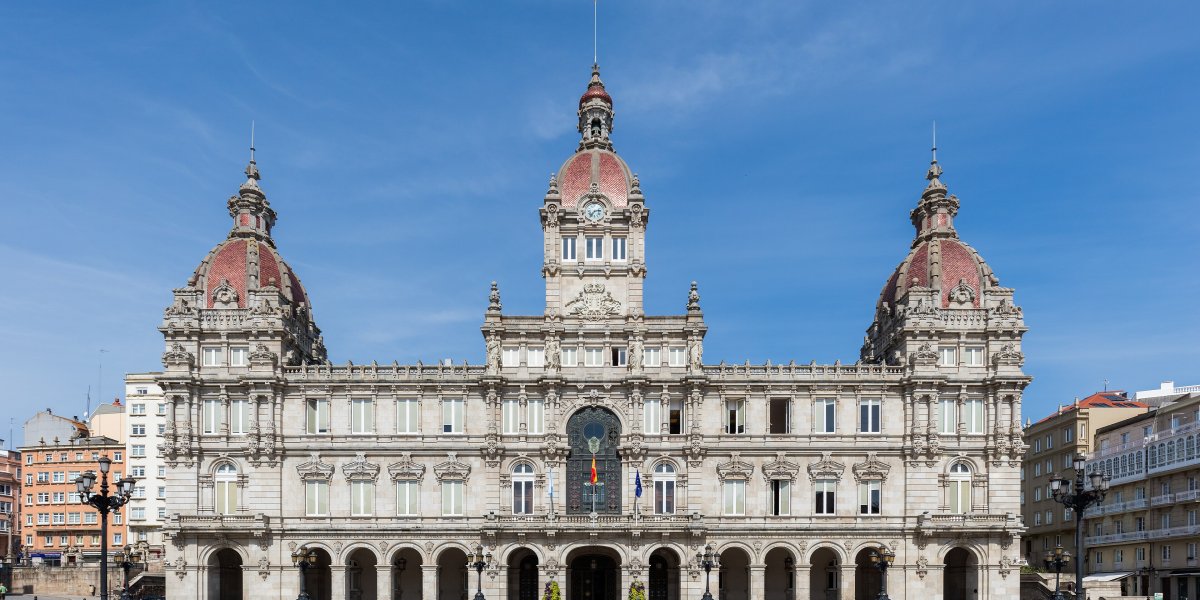
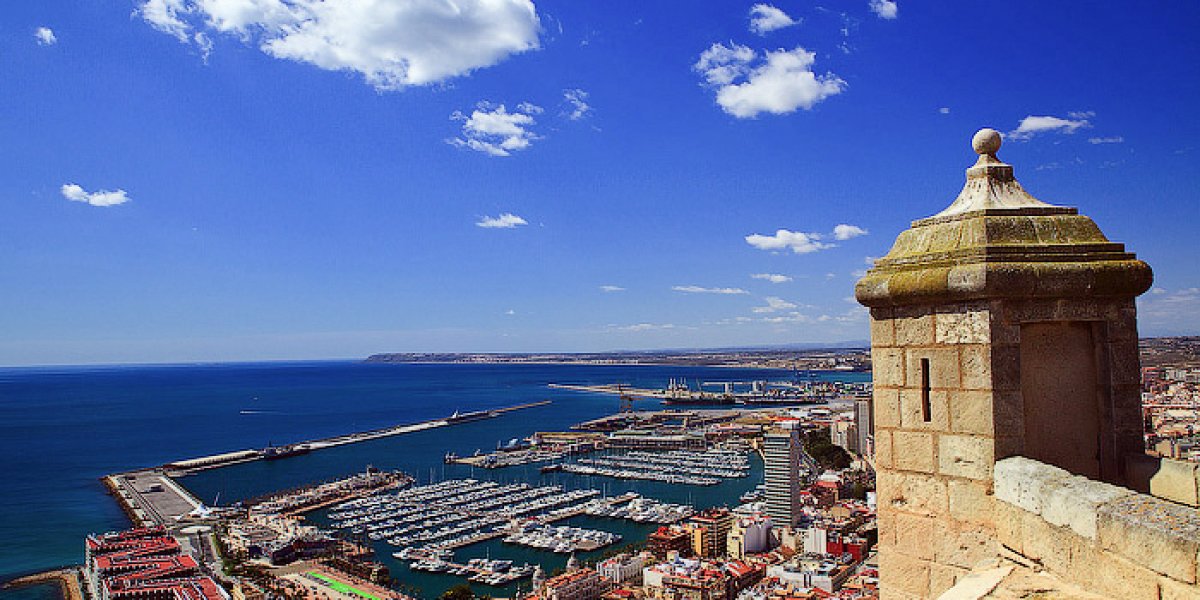
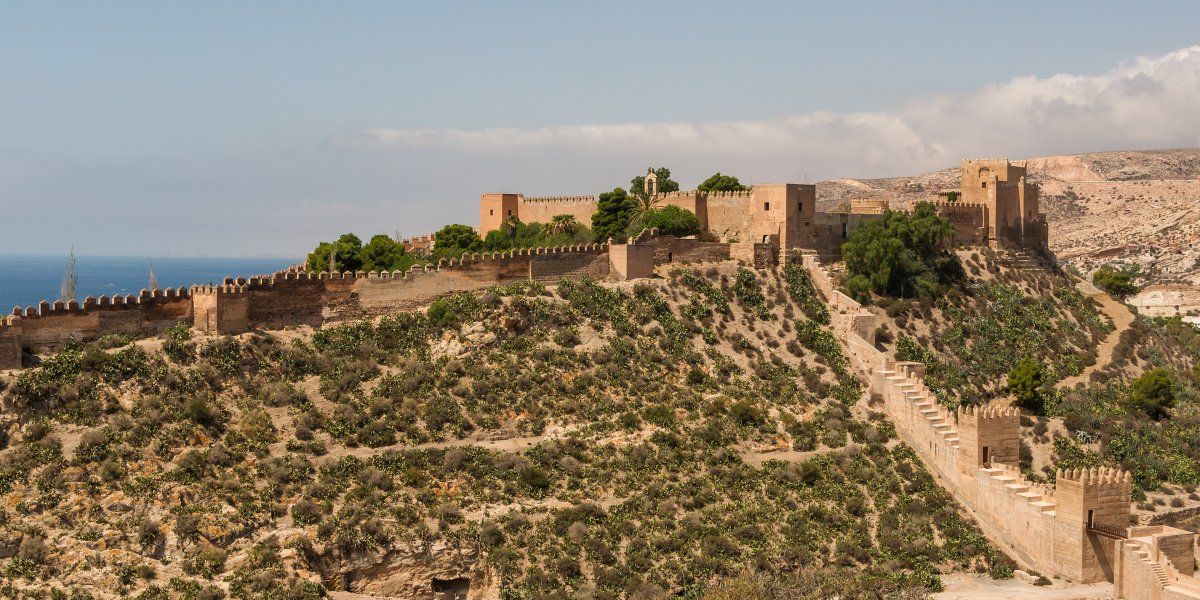
FAQ
Frequently asked questions
How many days do you need in Logroño?
Most travelers enjoy Logroño in 1 days, with enough time for headline sights and a slower meal or museum stop.
What's the best time to visit Logroño?
The easiest season for most travelers is May-Oct, especially if you want good weather and manageable crowds.
What's the daily budget for Logroño?
A practical starting point is about €90 per person per day before hotels, then adjust based on museums, dining, and transport.
What are the must-see attractions in Logroño?
A good first shortlist for Logroño includes Cubo del Revellín, Puente de Piedra & Ebro Riverfront Loop.