City Guide
Rome
Italy · Best time to visit: Apr-Jun, Sep-Oct.
Day-by-day plan
Choose your pace
Trip length
09:00
Landmark
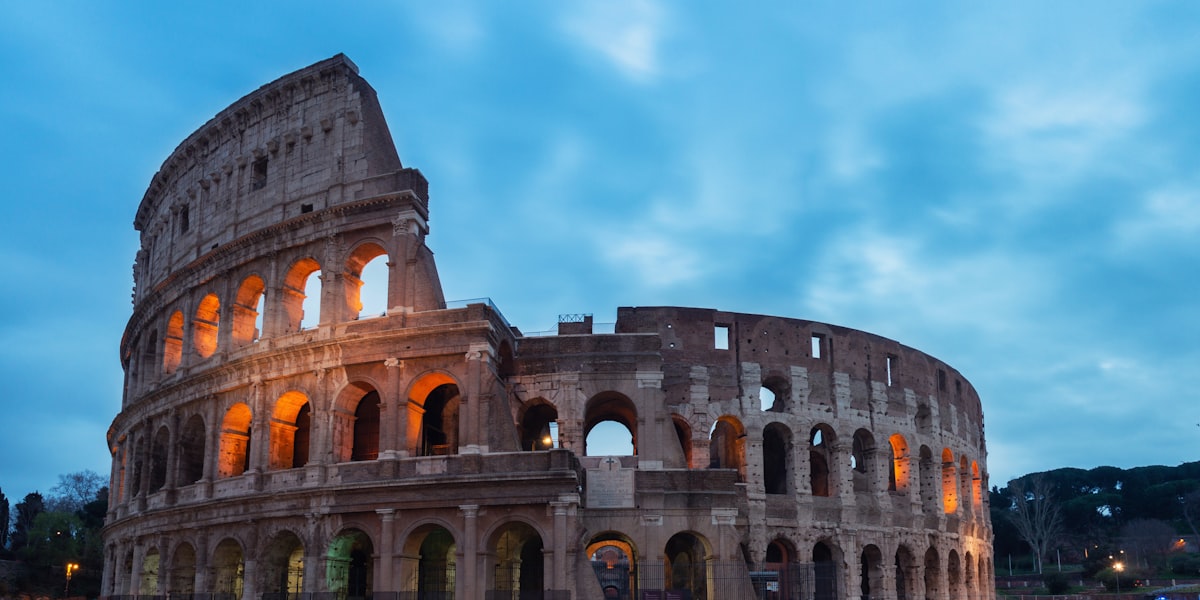
Morning light hits the Colosseum's eastern travertine facade at its warmest — this is the golden hour for photos, and tour buses haven't arrived yet. Circle the full perimeter (the western side is crowd-free), stop at the Arch of Constantine, then walk the length of Via dei Fori Imperiali with the Roman Forum ruins spreading out on both sides below you. Every step covers two thousand years of ground.
Tip: Stand at the railing on Via dei Fori Imperiali at the midpoint — it's the best free viewpoint of the Forum, better than the €16 paid entrance. Skip the men in gladiator costumes, they'll demand €20 for a photo.
Open in Google Maps →11:00
Landmark
From Piazza Venezia, cut north through Via di San Marcello into the narrow backstreets — you'll hear the thundering water before the fountain suddenly reveals itself between the buildings, which is half the magic. The fountain faces south, so late-morning sun lights up Neptune and the sea horses directly. Toss a coin over your left shoulder with your right hand, take your shots, and keep walking.
Tip: The fountain is quietest before 8am and after 11pm. At 11am you won't have it to yourself, but you get direct sunlight on the sculptures. Do not eat at any restaurant visible from the fountain square — 100% tourist markup, mediocre food.
Open in Google Maps →12:00
Landmark
Head southwest from Trevi through Via delle Muratte, 8 minutes to Piazza della Rotonda — and the Pantheon's portico columns stop you mid-step. Go inside (€5, queue moves fast): at noon the sunbeam through the 9-meter oculus hits the floor at its most vertical and dramatic angle. 1,900 years old, still the world's largest unreinforced concrete dome, and the reason every capitol building on earth has a dome.
Tip: Since 2023 entry is €5 with timed tickets that sell out on weekends — book at pantheon.cultura.gov.it the night before. Free on the first Sunday of each month. The dome walls are thinner at the top than a basketball to reduce weight.
Open in Google Maps →13:00
Food
Walk south from the Pantheon through Via dei Cestari, 6 minutes to this bakery the Roscioli family has run since 1824. Point at the pizza bianca (white pizza, impossibly crispy and airy, ~€3/etto by weight) — it's non-negotiable. Add a supplì al telefono (fried rice ball with stretchy mozzarella, €2.50) for your Roman street food initiation. Eat at the counter, total damage under €8, back on the road in 15 minutes.
Tip: Pizza is priced per etto (100g) — point at what you want, they cut and weigh. Say 'ben cotta' if you like it crispy. Don't confuse this with Roscioli Salumeria restaurant next door — that's sit-down and triple the price.
Open in Google Maps →14:00
Landmark
From the bakery, weave 5 minutes north through the alleys and the elongated oval of Piazza Navona opens up — built on the footprint of Domitian's chariot-racing stadium, which is why it's shaped like a racetrack. Bernini's Fountain of the Four Rivers commands center stage while Borromini's Sant'Agnese church towers behind it — Rome's greatest artistic rivalry immortalized in stone. Afternoon light warms the ochre facades. Grab a bench, breathe, then drift south through Campo de' Fiori and across Ponte Sisto toward Trastevere.
Tip: Don't sit at Tre Scalini café for their famous tartufo — it's €18 at a table. Buy the identical tartufo for €5 at their takeaway counter inside. The portrait artists quote €30 then demand €80 when finished; politely walk past. Anywhere between here and the river with a photo menu outside is a tourist trap.
Open in Google Maps →19:30
Food
Cross the Tiber at Ponte Sisto and lose yourself in Trastevere's ivy-draped lanes — you've earned this. Da Enzo is a shoebox-sized trattoria where the cacio e pepe (€10) is a masterclass in what three ingredients can do when you don't cut corners, and the carciofo alla giudia (Jewish-style deep-fried artichoke, €7) shatters like a golden flower on your plate. No reservations, no website, no nonsense — line up at 19:15, the queue moves fast, and by the second glass of house wine you'll understand why people live in this city.
Tip: If Da Enzo's queue is over 40 minutes, walk 3 minutes to Trattoria Da Teo (Piazza dei Ponziani 7a) — same neighborhood quality, shorter wait, order the amatriciana. Iron rule for all of Trastevere: any restaurant with someone outside waving a menu at you is a tourist trap; the real ones have a handwritten menu and a queue.
Open in Google Maps →Jump to day
09:00
Landmark
Morning sun hits the eastern travertine facade at its warmest gold — this is the one window when the light is right and the tour buses haven't arrived. Enter with your pre-booked ticket through the Via dei Fori Imperiali entrance (half the queue of the main entrance). Inside, stand on the second tier and look down: the exposed hypogeum tunnels below the arena floor are where gladiators and wild animals waited in the dark. Two thousand years later the engineering still makes modern architects nervous.
Tip: The €16 standard ticket is a combo: Colosseum + Roman Forum + Palatine Hill, valid 24 hours. Book at least a week ahead on coopculture.it — slots sell out. Skip the men in gladiator costumes (€20 for a photo). If you want the underground tunnels + arena floor, the Full Experience ticket is €22 but books out a month ahead.
Open in Google Maps →11:15
Landmark
Walk out of the Colosseum and straight through the Arch of Titus into the Forum — same combo ticket, no re-queuing. The Via Sacra under your feet is the road Caesar's triumphal processions walked. Pass the Temple of Vesta, the Senate House, the Arch of Septimius Severus — every ruin has a plaque but the sheer density of two-thousand-year-old stone needs no explanation. Then climb Palatine Hill: the Farnese Gardens terrace gives you the single best overhead photograph of the entire Forum with the Colosseum behind it.
Tip: Palatine Hill has shade, benches, and far fewer people than the Forum floor — rest here. The Forum's Via Cavour exit on the north side drops you directly into the Monti neighborhood for lunch. Don't try to read every plaque; pick three ruins that catch your eye and let the rest be atmosphere.
Open in Google Maps →13:00
Food
From the Forum's Via Cavour exit, turn left and walk 8 minutes up the cobblestone slope into Monti — Rome's coolest old neighborhood, all ivy-covered walls and vintage shops, zero tour groups. This family trattoria sits on a staircase landing with outdoor tables shaded by vines. The polpette al sugo (meatballs in slow-cooked tomato sauce, €8) are impossibly tender, and the cacio e pepe (€10) is textbook Roman — peppery, creamy, no cream. A glass of house white is €4. Total under €20, back on the road in 40 minutes.
Tip: Arrive before 13:15 to beat the lunch rush — this place was discovered by food bloggers and now fills fast. No reservations at lunch, just show up. Don't confuse this with 'Tre Scalini' café at Piazza Navona — completely different, and that one is a tourist trap.
Open in Google Maps →14:30
Landmark
From Monti, walk west down Via Panisperna and thread through the narrow streets — 15 minutes, and you'll hear the thundering water before the fountain suddenly reveals itself between the buildings. That moment of surprise is half the magic. The fountain faces south, so early-afternoon sun still lights up Neptune and the sea horses directly. The entire baroque facade is actually the side wall of Palazzo Poli — a building pretending to be a waterfall. Toss a coin over your left shoulder with your right hand, take your shots, keep walking.
Tip: 14:30 is smarter than morning — the tour bus peak is 10:00-12:00, and you still get direct sunlight on the sculptures. Approach from Via di San Marcello (east side) for the dramatic alley reveal. Do not eat at any restaurant visible from the fountain square — 100% tourist markup. The guys selling selfie sticks sometimes work with pickpockets; keep your bag zipped and in front.
Open in Google Maps →15:30
Landmark
Walk southwest from Trevi through Via delle Muratte — 8 minutes of medieval backstreets, then the Pantheon's massive Corinthian columns appear at the end of the alley and stop you mid-step. Inside (€5, queue moves fast): the 9-meter oculus is the only light source, and in the afternoon the sunbeam sweeps slowly across the curved interior walls like a spotlight in a theatre — more cinematic than the vertical noon beam that everyone photographs. 1,900 years old, still the world's largest unreinforced concrete dome, and the reason every capitol building on earth has one.
Tip: Book timed tickets at pantheon.cultura.gov.it the night before — weekends sell out. Free on the first Sunday of each month. Raphael's tomb is on the left wall, easy to miss. When it rains, water pours straight through the oculus — the barely visible drainage holes in the slightly convex floor handle it, 1,900 years without a renovation.
Open in Google Maps →19:30
Food
From the Pantheon, walk south through Campo de' Fiori where the flower market is packing up and buskers are warming up, then cross the Tiber on Ponte Sisto as the sky turns amber — this 20-minute walk is the best free show in Rome at golden hour. Da Enzo is a shoebox-sized trattoria deep in Trastevere's ivy-draped lanes. The cacio e pepe (€10) is a masterclass in three ingredients done without shortcuts, and the carciofo alla giudia (Jewish-style fried artichoke, €7) shatters like a golden flower on your plate. No reservations, no website, no nonsense.
Tip: Line up at 19:15 — the first seating fills in minutes. If the queue is over 40 minutes, walk 3 minutes to Trattoria Da Teo (Piazza dei Ponziani 7a) and order the amatriciana. Iron rule for all of Trastevere: any restaurant with someone outside waving a menu at you is a tourist trap; the real ones have a handwritten menu and a queue.
Open in Google Maps →08:00
Museum
Metro Line A to Ottaviano, then 5 minutes along the Vatican walls to the museum entrance. Book the 08:00 first slot online — you'll have the Raphael Rooms and the Gallery of Maps nearly to yourself for the first 30 minutes before the flood arrives. Don't linger; move with purpose through the map gallery (look up, the ceiling is the real exhibit), then Raphael's School of Athens, then let the current carry you to the Sistine Chapel. Michelangelo's ceiling needs a minimum of 10 minutes of silent staring — find a spot along the side wall, lean back, and forget your neck.
Tip: At the Sistine Chapel exit, there's a left-side door marked 'Group Tours' that leads directly into St. Peter's Basilica — when it's open, you skip the 45-minute basilica queue entirely. Guards sometimes close it, but try. Vatican Museums are closed every Sunday except the last Sunday of the month (free but impossibly crowded — avoid). No bare knees or shoulders; they will turn you away at the door.
Open in Google Maps →10:30
Religious
If you caught the Sistine Chapel shortcut, you're already inside the world's largest church without queuing. Michelangelo's Pietà is immediately to the right of the entrance — the only work he ever signed, because he overheard someone credit it to a rival. Walk the nave to feel the absurd scale (it can hold 20,000 people), then go up: €10 for elevator + 320 remaining steps to the dome. The interior balcony puts you face-to-face with the mosaic saints 40 meters above the altar, and the rooftop terrace gives you all of Rome — Castel Sant'Angelo, the Tiber's curves, the distant Colosseum.
Tip: Take the €10 elevator option — after 2.5 hours of museum walking, the full 551 stairs will break you. The spiral staircase near the top narrows until your shoulders touch both walls; it's not for claustrophobes. The basilica itself is free (no ticket), but the dome has its own ticket booth on the right side of the facade. Go early in the dome queue — it builds fast after 11:00.
Open in Google Maps →13:00
Food
From St. Peter's Square, walk north through Porta Angelica into Prati's tree-lined residential streets — 12 minutes of ordinary Roman life as a palate cleanser after the Vatican's overwhelming grandeur. Gabriele Bonci is Italy's undisputed pizza al taglio god. Point at whatever catches your eye in the glass case (toppings rotate daily, ~€3-5 per slice by weight), they'll reheat it to blistering perfection. If the mortadella + burrata slice is available, that's the one. Standing room, paper plates, total damage under €10. The best €10 lunch in Rome.
Tip: The queue looks intimidating but moves in 5 minutes — they're fast. Point at 2-3 different slices to taste the range. Bonci's supplì (fried rice ball, €3) is arguably the best in Rome — non-negotiable side order. Don't come after 14:00; the best toppings sell out by then.
Open in Google Maps →13:30
Landmark
Walk south from Pizzarium along Via Cola di Rienzo — Romans' real shopping street, not the tourist Via del Corso — 12 minutes to the cylindrical fortress that started as Emperor Hadrian's mausoleum, became a papal escape tunnel destination, then a prison, then a museum. Climb to the rooftop terrace: the 360° panorama — St. Peter's dome filling the sky behind you, the Tiber curving below, the entire centro storico ahead — is the single best viewpoint in Rome, and half the tourists walk past without going in.
Tip: The rooftop café serves espresso for €3 with the best view in Rome — worth it just for the seat. Ponte Sant'Angelo in front of the castle, with Bernini's ten angel statues, is more photogenic than the castle itself — photograph it from the south bank of the Tiber for the full lineup. There's a secret passageway (Passetto di Borgo) connecting the castle to the Vatican that popes used to escape sieges — you can see it running along the wall outside.
Open in Google Maps →15:00
Landmark
Cross Ponte Sant'Angelo — Bernini's ten angel statues flank the bridge in the most theatrical river crossing in Europe — then drift south through the alleys for 10 minutes. The elongated oval of Piazza Navona opens up, built on Emperor Domitian's chariot-racing stadium, which is why it's shaped like a racetrack. Bernini's Fountain of the Four Rivers commands center stage while his rival Borromini's Sant'Agnese church towers right behind it — Rome's greatest artistic rivalry immortalized in stone, ten meters apart. Late-afternoon light warms the ochre facades. Find a bench, slow down, just watch.
Tip: Don't sit at Tre Scalini café for their famous tartufo ice cream at €18 a table — buy the identical tartufo at their takeaway counter inside for €5. Portrait artists quote €30 then demand €80 when finished. Walk to the south end of the piazza for the best wide-angle photo with all three fountains aligned. Any restaurant between here and the Tiber with a laminated photo menu outside is a tourist trap.
Open in Google Maps →19:30
Food
From Navona's south end, walk 5 minutes east — the Pantheon's dome peeks between rooftops, and Armando is tucked in the alley right beside it. Run by the same family since 1961, this is where Roman politicians and neighborhood nonnas eat the same menu: the amatriciana (€14) is the benchmark against which every other version in the city is measured, the coda alla vaccinara (oxtail stew, €16) has been braising since morning and falls apart at the sight of a fork, and the tiramisu (€8) is made the way your Italian grandmother would if you had one. Your last dinner in Rome, next to the Pantheon lit up at night when the square is finally quiet.
Tip: Book 2-3 days ahead on their website or call +39 06 6880 3034 — they're small and always full at dinner. The gricia (€12, guanciale + pecorino, no tomato) is the locals' sleeper hit — it's the 'ancestor' of amatriciana and most Romans prefer it. Lunch is easier to get a table if dinner is fully booked. This is a fitting end: wine, pasta, the Pantheon glowing through the window, and nowhere else to be.
Open in Google Maps →Jump to day
08:30
Landmark
Arrive when the gates open at 8:30 — the arena is nearly empty, morning sun slants through the broken arches, and you can hear your own footsteps on the stones where gladiators once stood. Take the second-level gallery for the best aerial view of the arena floor, then walk around the outer ring to see the hypogeum (underground chambers) from above.
Tip: Buy the 'Full Experience' ticket online (€24 vs standard €18) — it includes the arena floor and underground levels, absolutely worth it. Use the entrance on Via dei Fori Imperiali (east side), not the main south entrance where tour groups queue. The ticket includes Roman Forum and Palatine Hill — don't buy separately.
Open in Google Maps →10:15
Landmark
Exit the Colosseum from the west side and walk 50 meters to the Arch of Constantine — snap your photo, then enter the Forum through the gate beside it. Walk the Via Sacra, the ancient main street, past the Temple of Antoninus and Faustina, then climb Palatine Hill for the panoramic view over Circus Maximus. This was Rome's Beverly Hills — emperors lived here because the sunset view was the best in the city.
Tip: Included in your Colosseum ticket. Climb Palatine Hill first while legs are fresh — the Farnese Gardens on top have the best viewpoint, a terrace facing directly over the Forum. The Forum is completely exposed with no shade; bring water and a hat in summer.
Open in Google Maps →12:30
Food
Walk down from Palatine Hill through the Forum's north exit onto Via dei Fori Imperiali, then turn right into the cobblestoned lanes of Monti — Rome's oldest neighbourhood, now its coolest. Eight minutes on foot. La Taverna is a no-nonsense Roman trattoria where the pasta is made fresh that morning. Order the cacio e pepe (€10, the platonic ideal of pepper and pecorino) or the amatriciana (€11, slow-cooked tomato and guanciale). Don't overthink the menu — ask what's good today.
Tip: Arrive by 12:30 to grab a table before the 13:00 rush. Portions are generous — one primo (pasta) plus a contorno (side) is enough for most people. If it's full, Ai Tre Scalini on Via Panisperna (3 minutes away) is the Monti locals' backup.
Open in Google Maps →14:00
Religious
From Monti, walk west along Via dei Serpenti, cross Via del Corso, and weave through the narrow streets — 15 minutes where every corner reveals another fountain or ochre façade. Push through the Pantheon's bronze doors and look up: the oculus, a 9-meter hole open to the sky, is the only light source. In early afternoon the sun falls at a steep angle across the coffered concrete dome — the entire interior glows like it's breathing. Nearly two thousand years old, still the largest unreinforced concrete dome on earth.
Tip: Since 2023 a €5 timed ticket is required — book online at pantheon.cultura.gov.it. The 14:00 slot on weekdays is less crowded than morning. Stand in the exact centre of the floor: the acoustics make your whisper carry across the room. Don't miss Raphael's tomb in the left alcove.
Open in Google Maps →19:00
Food
Walk out of the Pantheon and spend the golden hour wandering: Piazza Navona is 5 minutes northwest, where Bernini's Fountain of the Four Rivers catches the last daylight — the piazza is grand but don't eat there (overpriced tourist food). Loop back to Armando, a family-run trattoria 30 meters from the temple where three generations have served the same recipes. The cacio e pepe (€12) is textbook, and the abbacchio alla scottadito — grilled lamb chops charred outside, pink inside (€18) — is what Sunday lunch in Rome tastes like.
Tip: Book 3-4 days ahead — Armando is tiny and always full. Ask for the back room, it's quieter. If you couldn't get a reservation, Retrobottega on Via della Stelletta (3 min walk) is an excellent modern-Roman alternative. Avoid ALL restaurants on Piazza Navona and Piazza della Rotonda (the square directly in front of the Pantheon) — they survive on foot traffic, not food quality.
Open in Google Maps →08:00
Museum
Be in line by 7:30 — the museums open at 8:00 and the first hour is magical. Follow the signed route but move briskly through the early galleries (Egyptian Museum, Gallery of Maps — glance, don't linger) to reach the Sistine Chapel before it fills around 9:30. Stand in the centre, look up, and give yourself five full minutes with the ceiling. Michelangelo painted this lying on his back for four years — the least you can do is stand still. On your way out, take the Raphael Rooms slowly: The School of Athens alone is worth the ticket.
Tip: Book online at least 2 weeks ahead (€17 + €4 booking fee). There's a door on the right side of the Sistine Chapel that leads directly into St. Peter's Basilica — guards sometimes close it, but if it's open, take it to skip the long walk back and the basilica queue entirely.
Open in Google Maps →11:00
Religious
If you took the Sistine Chapel shortcut, you're already inside. If not, exit the museums and walk 10 minutes around the Vatican walls to St. Peter's Square — Bernini's colonnade opens like two arms welcoming you, and no photo prepares you for the scale. Inside, find Michelangelo's Pietà immediately to your right (behind glass since 1972). Then take the elevator plus 320 steps to the dome — the view from the top is the definitive Roman panorama: the Tiber winding through ochre rooftops, every dome and bell tower you've visited mapped below.
Tip: The basilica is free; the dome costs €8 (with elevator) or €6 (all 551 stairs — not recommended after a morning in the museums). Dress code enforced strictly: no bare shoulders, no shorts above the knee. Go to the dome first — its queue is separate and slower than the basilica entrance.
Open in Google Maps →13:00
Food
Walk north from St. Peter's Square along Via Ottaviano for 10 minutes through the Prati neighbourhood — Rome's tidiest residential quarter, with bookshops and delis on every block. Pizzarium is a narrow counter-service shop, but Gabriele Bonci is Rome's undisputed pizza al taglio master. Point at what looks good: the mortadella with burrata (€5/slice), the potato and rosemary (€4/slice), and whatever seasonal creation is on the tray that day. Eat standing on the sidewalk like a Roman.
Tip: Peak lunch queue is 12:30-13:30, but it moves fast (5-10 min). Order 2-3 slices per person — they're sold by weight and staff will cut to your preferred size. The supplì (fried rice balls, €3) are almost as good as the pizza. Cipro Metro station is 50 meters away if your legs need a break.
Open in Google Maps →15:00
Neighborhood
From Pizzarium walk south along the Tiber for 25 minutes — the riverside path passes Castel Sant'Angelo (admire Hadrian's fortress from the bridge, no need to go inside) and crosses Ponte Sisto into Trastevere. This is Rome's most photogenic neighbourhood: ivy-covered ochre walls, laundry strung between buildings, cats sleeping on Vespas. Walk to Piazza di Santa Maria in Trastevere — the basilica's golden 12th-century mosaics glow even in daylight. Sit on the fountain steps and watch the neighbourhood breathe.
Tip: The Basilica di Santa Maria in Trastevere is free and rarely crowded — go inside for the 12th-century apse mosaics, among the finest in Rome. Walk the side streets (Via della Scala, Vicolo del Cedro) for the best ivy-wall photos. Avoid restaurants on the main piazza — one block deeper gets you better food at half the price.
Open in Google Maps →19:30
Food
Stay in Trastevere — Da Enzo is a 5-minute walk from the piazza, on a quiet side street where locals outnumber tourists three to one. This is where Romans come for the four canonical pastas, and the cacio e pepe (€10) is the version other restaurants benchmark against: aggressively peppery, impossibly creamy, no cream. The carciofi alla giudia (€8, whole artichoke fried until every leaf shatters) is a Roman masterpiece. Finish with a tiramisù that tastes homemade — because it is.
Tip: No reservations — arrive at 19:15 and put your name on the list. The wait is usually 20-30 min; use it to get gelato at Fior di Luna on Via della Lungaretta (3 min, pistachio is lethal). If the queue is unbearable, Trattoria Da Teo on Piazza de' Renzi is the same quality, less famous. Watch out for 'rose sellers' and 'friendship bracelet' scams around Trastevere at night — a firm no and keep walking.
Open in Google Maps →09:00
Museum
The museum enforces strict 2-hour timed slots; 9:00 is the first. Go straight to Room VIII on the ground floor: Canova's Pauline Bonaparte lies on a marble couch so realistic you'll check if the cushion is soft. Then Room III: Bernini's Apollo and Daphne — her fingers turning into laurel leaves, his hand pressing into her hip so convincingly you forget it's stone. This is the most concentrated collection of sculptural genius on earth, in a villa built to overwhelm.
Tip: Reservation is MANDATORY — book at galleriaborghese.beniculturali.it at least 1 week ahead (€15 + €2 booking). You will be removed at the 2-hour mark. Bags go in basement lockers. Ground floor sculpture is the star — if pressed for time, rush through upstairs paintings.
Open in Google Maps →11:30
Park
Walk out of the Galleria into Villa Borghese's gardens — 10 minutes through umbrella pines and fountains, Roman families picnicking on the grass. Follow signs to the Pincio terrace on the western edge. This is THE postcard view of Rome: St. Peter's dome floating above a sea of terracotta rooftops with the Janiculum behind it. Late morning light is ideal — no haze, no harsh shadows. Sit on the balustrade and memorize what Rome looks like from above before you walk back into it.
Tip: Skip the overpriced Casina Valadier café below the terrace — save your coffee money. The path down from Pincio leads directly to Piazza del Popolo; take the curving stairs on the left for a dramatic descent with the twin churches framing the piazza below.
Open in Google Maps →12:30
Food
Descend from the Pincio into Piazza del Popolo — pause for the Egyptian obelisk and twin churches — then walk south down Via del Babuino, one of Rome's most elegant streets, for 10 minutes to the Spanish Steps area. Turn onto Via del Leone: Matricianella has served the same recipes since 1957. The carciofi alla giudia (€12, whole artichoke deep-fried until every leaf is glass-crisp) is a Roman masterpiece, and the bucatini all'amatriciana (€13) has the exact guanciale-to-tomato ratio Romans will argue about for hours.
Tip: Book for 12:30 — the 13:00 crowd fills it fast. The house wine (vino della casa, €5/half-litre) is a perfectly drinkable Castelli Romani white. After lunch, the Spanish Steps are 2 minutes east — worth a quick photo from below, but don't bother climbing (you already had the better view from the Pincio).
Open in Google Maps →14:30
Landmark
From Matricianella walk southeast through the shopping streets — cross Via del Corso and continue along Via delle Muratte for 10 minutes until you hear the water before you see it. The Trevi Fountain is shockingly large in person: 26 meters high, wedged into the side of a palazzo, Neptune's chariot surging through carved ocean. Early afternoon sun is on the fountain's face, making the white travertine glow and the water sparkle. Throw your coin with your right hand over your left shoulder — one coin means you'll return to Rome.
Tip: Best photo angle: the top of the steps on the right side (facing the fountain), capturing the full sculpture with water foreground. If you want the fountain almost to yourself, come back at 23:00 — beautifully lit, barely anyone there. Pickpockets work this piazza hard: phone in front pocket, bag zipped and in front of you at all times.
Open in Google Maps →19:00
Food
From Trevi walk south for 15 minutes through the warren of lanes past Piazza Colonna and across Corso Vittorio Emanuele — every building is a different century. Use the afternoon to explore at your pace: Via dei Condotti for window shopping, a final espresso at any bar where old Romans stand at the counter. Roscioli is a deli-restaurant near Campo de' Fiori — aged cheeses and cured meats line the walls while you eat possibly Rome's best carbonara (€14, guanciale so good they sell it by the kilo). The wine list is a novel — ask the sommelier for a Lazio white under €30.
Tip: Book online at least 5 days ahead — every seat fills by 19:30. The cheese and salumi plate (€18) as a starter is non-negotiable. After dinner, walk 3 minutes to Campo de' Fiori for a nightcap — skip the square bars, go to Barnum Café on Via del Pellegrino instead. Do NOT buy souvenirs near the Trevi or Colosseum — same mass-produced items at 5x markup. Roscioli sells vacuum-packed guanciale and pecorino to take home: that's a souvenir worth packing.
Open in Google Maps →Jump to day
08:30
Landmark
Book the earliest time slot at 08:30. The morning light hits the eastern arches and paints the travertine gold — this is the angle you've seen in every postcard, but in person the scale will stop you cold. Walk the second tier for the best overhead view of the arena floor. By 10:00 tour groups flood in; you'll already be finishing.
Tip: Buy the 'Full Experience' ticket online weeks ahead — it includes underground chambers and the top tier, both of which are limited to small groups and sell out fast. Enter from the side facing Via dei Fori Imperiali, not the main queue side.
Open in Google Maps →10:45
Landmark
Exit the Colosseum from the south side and cross Via Sacra — the ancient sacred road is right there, 2 minutes on foot. Enter the Forum from the Colosseum-side gate (your Colosseum ticket covers entry). Walk the Via Sacra from east to west: Arch of Titus, Temple of Romulus, Temple of Antoninus. Then climb Palatine Hill — the emperor's neighborhood — for a panoramic view down over the entire Forum. Morning light falls perfectly on the ruins from this elevation.
Tip: Palatine Hill has a hidden terrace near the Farnese Gardens with the best view of the Forum — most visitors miss it because they turn back at the museum. Keep walking past the museum toward the northwest corner.
Open in Google Maps →12:45
Food
From the Forum's west exit near the Campidoglio, walk down Via dei Fienili and through the back streets — about 12 minutes. You'll pass laundry hanging between buildings and hear someone's radio through an open window. This is the real Rome between monuments. Roscioli is a legendary deli-restaurant where Roman foodies come for the best carbonara in the city — the egg is silky, the guanciale crisp. Order: Carbonara (€14) and a plate of burrata with anchovy (€16). Arrive by 12:45 to grab a counter seat without waiting.
Tip: Don't confuse with Antico Forno Roscioli (the bakery next door) — the restaurant entrance is at Via dei Giubbonari 21. No reservations for counter seats, but table seats need booking 3-4 days ahead.
Open in Google Maps →14:30
Landmark
From Roscioli walk north through Largo di Torre Argentina (glance at the cat sanctuary in the ruins) and continue 5 minutes to Piazza della Rotonda. The Pantheon at 14:30 is magical: the sun beam through the oculus has moved to the western wall, creating a spotlight effect on the coffered dome interior. Stand directly under the 9-meter hole in the ceiling and look straight up — 2000 years of engineering perfection. Raphael's tomb is in the third chapel on the left.
Tip: Since 2023 there's a €5 entry fee and timed tickets — book online to skip the line. If it drizzles, come anyway: rain falling through the oculus and draining through the ancient floor holes is one of Rome's most surreal sights.
Open in Google Maps →19:30
Food
Spend the late afternoon wandering — Piazza Navona is 5 minutes northwest, the Trevi Fountain 8 minutes east (go now at golden hour for the best light and thinner crowds than midday). Then circle back. Armando is literally one block from the Pantheon, a family-run trattoria since 1961 where politicians and professors eat alongside tourists who've done their homework. Order: Cacio e Pepe (€12) — the gold standard, sharp pecorino and aggressive black pepper — and Abbacchio alla Scottadito (grilled lamb chops, €18). House wine is honest and €6/glass.
Tip: Book 5+ days ahead for dinner, ask for outdoor seating facing the side street — you can see the Pantheon's dome lit up at night. Avoid any restaurant on Piazza della Rotonda directly facing the Pantheon: tourist trap pricing, mediocre food.
Open in Google Maps →08:00
Museum
Book the first entry at 08:00. The museums are overwhelming if you try to see everything — don't. Focus on three things: the Gallery of Maps (the most Instagrammed hallway in Rome, arrive before 08:30 when it's nearly empty), the Raphael Rooms (School of Athens is in the second room), and the Sistine Chapel at the end. At 08:00 you'll have maybe 10 minutes almost alone with Michelangelo's ceiling before the crowds pour in. Sit on the benches along the wall, lean back, and take it in.
Tip: There's a 'shortcut' door at the end of the Sistine Chapel on the lower left — it exits directly into St. Peter's Basilica, skipping the long walk back and the basilica queue. Guards technically say it's for guided tours only, but solo visitors walk through all the time. If closed, exit normally and the basilica queue from the museums side is shorter than the piazza side.
Open in Google Maps →11:15
Religious
If you took the Sistine Chapel shortcut, you're already inside. If not, walk around — it's 8 minutes from the museum exit to the basilica entrance via the right colonnade. The basilica is free. Go straight to Michelangelo's Pietà (first chapel on the right) while your eyes adjust to the interior. Then climb the dome: pay €10 for the version with 320 stairs (the elevator version still has 231 stairs, save €2). The narrow spiral at the top puts you inside the dome's double shell — you can feel the curve of the ceiling. The rooftop view of St. Peter's Square and all of Rome is the best panorama in the city.
Tip: Dress code is strictly enforced: knees and shoulders must be covered, no exceptions. Carry a light scarf. The dome ticket booth is on the right side of the basilica facade — look for the small sign saying 'Cupola', it's easy to miss.
Open in Google Maps →13:15
Food
From St. Peter's, walk north along Via della Conciliazione then turn right — 12 minutes total. You'll pass through the Prati neighborhood, Rome's quieter residential grid with elegant Liberty-style buildings. Bonci is the most famous pizza al taglio (by-the-slice) in Rome, run by Gabriele Bonci who is basically the Michelangelo of pizza dough. The crust is impossibly light and airy. Point at whatever looks good — combinations change daily. Mortadella with burrata and pistachio (€5/slice) is legendary. Suppli (fried rice ball, €3) is the perfect side. Eat standing at the counter or on the street like everyone else.
Tip: Go between 13:00-13:30 — the lunch rush starts at 12:30 but a fresh batch comes out around 13:00. The shop is tiny, don't expect seats. Two slices + one suppli is a full meal.
Open in Google Maps →15:00
Landmark
Walk south from Bonci back toward the river — 10 minutes along quiet residential streets. Castel Sant'Angelo appears dramatically as you approach the Tiber, a massive drum-shaped fortress that was Hadrian's tomb, a papal prison, and a castle. The spiral ramp inside — the original 2nd-century ramp Hadrian built for his own funeral procession — is an eerie, beautiful climb. The rooftop terrace at 15:00-16:00 gets the best afternoon light for photos: the dome of St. Peter's rises behind you, and the Tiber stretches out below. The bronze angel on top sheathes a sword — legend says it appeared during a plague to signal its end.
Tip: The bridge in front — Ponte Sant'Angelo — has Bernini's angel statues and is one of the best photo spots in Rome, especially at golden hour. Walk across slowly on your way to dinner later.
Open in Google Maps →19:30
Food
From Castel Sant'Angelo, cross Ponte Sant'Angelo (pause for photos with the Bernini angels in the golden light), then walk south along the river for 15 minutes. Cross Ponte Sisto into Trastevere — the neighborhood buzzes to life after 18:00 with musicians, students, and the smell of frying artichokes. Da Teo is hidden on a vine-covered piazza (Piazza dei Ponziani) that most tourists never find. The outdoor tables under the wisteria are what Roman dining fantasies are made of. Order: Fiori di Zucca fritti (fried zucchini flowers stuffed with mozzarella and anchovy, €10) and Rigatoni alla Gricia (€13) — the underrated ancestor of Carbonara and Amatriciana, just guanciale, pecorino, and pepper. House wine €5/glass.
Tip: Reserve 2-3 days ahead and request outdoor seating ('tavolo fuori'). If they're full, walk 50m to Trattoria Da Lucia as a backup — similar quality, less known. In Trastevere after dark, ignore anyone aggressively offering you roses or restaurant menus on the main drag of Viale di Trastevere — stick to the side streets.
Open in Google Maps →09:00
Museum
Book the 09:00 slot the moment tickets open (they release 30 days ahead and sell out within hours). Each visit is strictly 2 hours — they clear the building between sessions, so you get an uncrowded museum that feels almost private. Ground floor first: Bernini's Apollo and Daphne will make your jaw drop — Daphne's fingers are literally turning into laurel leaves in marble. Then his David (so much more alive than Michelangelo's). Upstairs: Caravaggio's Boy with a Basket of Fruit and his dark, violent David with the Head of Goliath (the severed head is Caravaggio's self-portrait). This is the single best small museum in Italy.
Tip: You MUST book online at galleriaborghese.beniculturali.it — there is no walk-up entry. Arrive 15 minutes early to check in. The audio guide (€6) is worth it here — the stories behind these works are wild. Bags must be checked; bring a small crossbody.
Open in Google Maps →11:45
Park
Walk out the museum and you're already in the gardens — Rome's most beautiful park. Turn right and stroll toward the Pincio Terrace (10 minutes), a wide belvedere overlooking Piazza del Popolo and all of Rome's domes stretching to St. Peter's. Late morning light is perfect here. This is a decompression walk after the intensity of the gallery — umbrella pines line the paths, you'll hear parrots (yes, Rome has wild parrots), and there may be an old man playing accordion near the lake.
Tip: From the Pincio Terrace, take the grand staircase down to Piazza del Popolo — it's dramatic and photogenic, especially looking back up at the terrace framed by the pines.
Open in Google Maps →12:45
Food
Descend the Pincio stairs into Piazza del Popolo, walk through the twin churches' gateway and south down Via del Corso — 8 minutes to Baccano. It's a stylish all-day bistro in a converted 1930s cinema, high ceilings and buzzy atmosphere, popular with Roman professionals for lunch. The Tonnarelli Cacio e Pepe here uses hand-rolled square-cut pasta with a slightly different texture than the round spaghetti version (€14). Polpette al Sugo (meatballs in tomato sauce, €12) are rich and comforting. Brisk service — you'll be in and out in an hour.
Tip: No reservations needed for lunch if you arrive by 12:45 — the long bar counter has quick turnover. Ask for a seat near the back where the original cinema details are preserved.
Open in Google Maps →14:30
Landmark
From Baccano, walk west through the narrow streets past the Italian Parliament building — 10 minutes of weaving through one of Rome's most charming areas, where every corner reveals a small piazza or a crumbling fountain. Piazza Navona is built on the footprint of Domitian's ancient stadium — the oval shape is still visible. The centerpiece is Bernini's Fountain of the Four Rivers: notice how the figure representing the Nile has his head covered (because the Nile's source was unknown). Across from it, Borromini's church Sant'Agnese in Agone — step inside for the intimate baroque interior and the underground ruins of the stadium visible in the crypt.
Tip: The 'rivalry' between Bernini's fountain and Borromini's church is a famous myth (the fountain was built first), but it's a good story to know. Best photos of the fountain: stand at the south end of the piazza around 15:00 when the sun is behind you.
Open in Google Maps →20:00
Food
Spend the late afternoon exploring around the Piazza Navona neighborhood — duck into the church of San Luigi dei Francesi (free, 3 minutes south) to see three Caravaggio paintings in the Contarelli Chapel, then wander toward Campo de' Fiori as the evening market packs up and the bars set up. From Campo de' Fiori, Roscioli is 2 minutes south. Yes, this is the same Roscioli — but dinner is a different beast. The wine list is one of Rome's best (200+ labels). Evening order: start with a tagliere of artisanal cured meats and aged cheeses (€22 to share), then the Amatriciana with rigatoni (€14) — tomato, guanciale, pecorino, a touch of chili, the definitive Roman pasta dish.
Tip: Dinner reservations are essential — book a week ahead via email (salumeria@roscioli.com). Ask the sommelier to pair a natural wine from Lazio (€8-12/glass) — they love when you trust them. At Campo de' Fiori, skip the restaurants around the square — they're all tourist traps. The good food is on the streets radiating outward.
Open in Google Maps →09:30
Neighborhood
Take tram 3 from Trastevere or walk 20 minutes south along the river from the historic center. Testaccio is Rome's old slaughterhouse district, now one of the most authentic residential neighborhoods — no souvenir shops, no selfie sticks. The covered market (built 2012, replacing the old outdoor market) is where Roman nonnas do their daily shopping. Walk every aisle: mozzarella di bufala pulled fresh at the dairy stand, seasonal Roman artichokes at the vegetable stalls (if spring, get one fried whole — 'carciofo alla giudia'). For breakfast here, find Mordi e Vai (stall 15) — their boiled beef and green sauce sandwich (€5) is legendary. Grab a supplì from another stand (€2.50) while you explore.
Tip: Come between 09:30-11:00 on any day except Sunday (closed). Saturday is busiest but most vibrant. Ask the cheese vendors for 'assaggiare' (to taste) — they expect it and it's how locals shop.
Open in Google Maps →11:15
Neighborhood
From the market's south exit, walk 3 minutes to Monte Testaccio — a 35-meter hill made entirely of broken Roman amphorae (ancient clay shipping containers). There are an estimated 53 million pots in this hill, stacked over 3 centuries of maritime trade. The base is now lined with clubs and wine bars carved into the pottery layers — you can actually see broken pot shards in the walls. Then walk east along Via del Porto Fluviale (5 minutes) to see some of Rome's best street art: the enormous mural by Blu at the former military barracks covers an entire building facade with hundreds of colorful faces.
Tip: Monte Testaccio itself requires a guided tour to climb (check MACRO museum schedule), but walking around the base is free and you can clearly see the pottery layers. The nightclub area at the base — Via di Monte Testaccio — is dead during the day, which is actually the best time to photograph the texture of the ancient pottery walls.
Open in Google Maps →12:30
Food
From the street art area, walk back west to Via di Monte Testaccio — 5 minutes. This restaurant is literally built into the side of Monte Testaccio: you can see ancient pottery shards in the dining room wall behind glass panels. It's a Testaccio institution where the neighborhood comes to eat the dishes that Rome's slaughterhouse district invented: the 'quinto quarto' (fifth quarter) — offal cooking turned into art. Even if you're not adventurous, the Cacio e Pepe here (€11) is excellent. If you are: try Rigatoni con Pajata (€14) — pasta with braised milk-fed veal intestine in tomato sauce, rich and silky, a dish that exists almost nowhere else. Tiramisù (€7) is massive and perfect.
Tip: Lunch reservations recommended on weekends. Ask for a table in the back room where the Monte Testaccio wall is visible. This is the most 'Roman' meal you'll eat on this trip — embrace it.
Open in Google Maps →14:30
Landmark
From the restaurant, walk 5 minutes south past a quiet residential block. This walled garden cemetery — shaded by ancient cypress and umbrella pines — is one of Rome's most peaceful and moving places. Keats is buried here (his epitaph reads 'Here lies one whose name was writ in water'), and Shelley's heart rests nearby. Cats roam between the headstones. The afternoon light filtering through the pines creates dappled shadows on the marble. It's not sad — it's one of those rare places where beauty and mortality sit together quietly. A €3 donation is suggested at the entrance.
Tip: Open Mon-Sat 09:00-17:00, closed Sundays. Keats' grave is in the old section to the left as you enter. The Pyramid of Cestius is right outside the cemetery wall — a surreal ancient Egyptian-style pyramid smack in the middle of Rome, visible from the cemetery gate.
Open in Google Maps →19:00
Food
From the cemetery, walk 8 minutes northwest back into the heart of Testaccio along Via Marmorata — you'll pass locals walking dogs, kids playing football, and corner bars where old men drink espresso standing up. This is what Rome looks like when tourists aren't watching. Felice is the most famous trattoria in Testaccio, running since 1936, and this is the meal to end your Roman trip on. The Tonnarelli Cacio e Pepe (€13) is made tableside: the waiter tosses the pasta in a pecorino cream in a hot pan right in front of you — it's theater. The Abbacchio al Forno (roast lamb, €20) is fall-off-the-bone. Finish with a shot of grappa and walk back to your hotel knowing you ate Rome the way Romans do.
Tip: Reservations are MANDATORY — book at least a week ahead by phone (+39 06 574 6800). This is not optional. Ask for the Cacio e Pepe to be made at your table. If you're flying out tomorrow, Testaccio is 15 minutes by taxi to Termini station — no need to rush back to the center tonight, enjoy the neighborhood.
Open in Google Maps →Jump to day
08:30
Landmark
Arrive before your 8:30 timed entry—the first slot of the day has barely any queue. The morning sun strikes the eastern arches, turning two thousand years of travertine golden. Stand inside and look up at 50,000 empty seats: this arena held more people than most modern stadiums, and the Romans built it in just eight years.
Tip: Book the 'Full Experience' ticket (€24) online at least 2 weeks ahead to access the underground hypogeum and arena floor—it sells out fast. Enter from the south side (Via dei Fori Imperiali), not the longer queue on the east.
Open in Google Maps →10:15
Landmark
Exit the Colosseum from the south side and cross Via dei Fori Imperiali—the Forum entrance is right across the road, a 3-minute walk. Go directly up to Palatine Hill first while your legs are fresh: the panoramic view over the entire Forum from the imperial terraces is the single best vantage point in ancient Rome. Then descend through the ruins at your pace.
Tip: Included in Colosseum ticket (valid 24h, one entry per site). From the top of Palatine Hill, face northwest for the best photo of the Forum with the Colosseum behind you. The Farnese Gardens on the hill are a hidden oasis—most tourists skip them entirely.
Open in Google Maps →12:30
Food
Walk out of the Forum's north exit onto Via Cavour, then turn right into Via della Madonna dei Monti—8 minutes through the cobblestone streets of Monti, Rome's coolest neighborhood. This family-run trattoria has been serving Roman classics since the 1950s. The cacio e pepe (€12) is textbook-perfect, and the amatriciana (€13) uses guanciale that melts on contact.
Tip: Arrive by 12:30 sharp—only 10 tables and no reservations at lunch. If there's a wait, grab a coffee at the bar across the street. Skip the tourist restaurants on Via dei Fori Imperiali—twice the price and half the quality.
Open in Google Maps →14:30
Museum
From the restaurant, walk west along Via dei Serpenti and through Piazza Venezia to the foot of Campidoglio—15 minutes, all flat. Climb Michelangelo's cordonata staircase to one of the world's oldest public museums. The original bronze Marcus Aurelius, the Dying Gaul, and the She-Wolf of Rome are all here. An indoor museum is the perfect antidote to the post-lunch heat.
Tip: The terrace café on the top floor of Palazzo dei Conservatori has a panoramic view of the Forum—best-kept-secret viewpoint in Rome, for the price of an espresso (€2). Go there first, then visit the galleries. Closed Mondays.
Open in Google Maps →19:00
Food
Walk back to Monti through Piazza Venezia and up Via Panisperna—15 minutes. By evening, Monti's narrow streets fill with young Romans heading to aperitivo. Ai Tre Scalini is the neighborhood's living room: grab an outdoor table on the slope and order the polpette al sugo (braised meatballs, €10) and a carafe of house red (€8). If you're feeling brave, the trippa alla romana (€12) is the real test of a Roman kitchen.
Tip: After dinner, walk 5 minutes downhill to the Colosseum—it's spectacularly lit at night and nearly deserted. Stand at the viewpoint on Via Nicola Salvi for the best nighttime photo. Avoid the 'gladiators' outside the Colosseum during the day—they charge €5-10 for a photo and can be aggressive.
Open in Google Maps →08:00
Museum
Take metro A to Ottaviano, then follow the Vatican walls north to the entrance on Viale Vaticano. Arrive at 7:45 for the 8:00 opening—the first 30 minutes inside are transformative, with galleries nearly to yourself. Move through the Gallery of Maps briskly (it gets congested), linger in the Raphael Rooms, and save energy for the Sistine Chapel. Stand in the center and look up: the distance between your eyes and Michelangelo's God creating Adam is exactly the height he painted from, on his back, for four years.
Tip: Book the 8:00 entry online (€4 booking fee) at least 1 month ahead—skip-the-line tickets sell out in peak season. In the Sistine Chapel, most people only look at the ceiling; turn around to face the altar wall for The Last Judgment—Michelangelo's later and arguably more powerful masterpiece. Closed Sundays (except last Sunday of month—free but mobbed, not recommended).
Open in Google Maps →11:15
Religious
Exit the Sistine Chapel through the right-side door marked for St. Peter's—this shortcut drops you directly inside the basilica, bypassing the long external security queue. Michelangelo's Pietà is immediately on your right behind glass. After the interior, exit and re-enter via the separate dome entrance to climb 551 steps. The dome was Michelangelo's last project; from the top, all of Rome unfolds beneath you like a map.
Tip: Entry to the basilica is free; the €10 is for the dome elevator (saves 231 steps). Climb between 11:00-12:00 when most visitors are still in the Vatican Museums. The final spiral staircase is extremely narrow—skip if you're claustrophobic. Strict dress code: covered shoulders and knees enforced at the door.
Open in Google Maps →13:30
Food
From St. Peter's Square, walk north along Via Ottaviano and turn left on Via della Meloria—15 minutes through Prati's tree-lined residential streets. Gabriele Bonci is Italy's most celebrated pizzaiolo; his pizza al taglio changes daily with seasonal ingredients. Point at whatever looks good—the mortadella with pistachio and the potato-rosemary are legendary. This is standing-room only; grab your slices and eat on the bench outside.
Tip: Pizza is sold by weight—two thick slices (€8-10) is a full lunch. Try at least one white pizza (bianca, no tomato) and one red. If a slice with burrata appears on the counter, grab it immediately—it vanishes within minutes.
Open in Google Maps →15:30
Landmark
Walk south through Prati along Via Cola di Rienzo, then turn toward the Tiber—20 minutes of pleasant neighborhood streets with shops and cafés. Originally Emperor Hadrian's mausoleum, then a papal fortress connected to the Vatican by a secret escape corridor. Climb through centuries of history to the rooftop terrace: in the afternoon light, St. Peter's dome glows amber across the river, and the Angel Bridge below is pure cinema.
Tip: Go straight to the top floor for the terrace view, then work your way down—most visitors do the reverse and arrive exhausted. The Angel Bridge (Ponte Sant'Angelo) with Bernini's angel statues is best photographed from the south bank of the Tiber at golden hour.
Open in Google Maps →19:30
Food
From Castel Sant'Angelo, walk north along the Tiber embankment into Prati—12 minutes to Via Properzio. Il Sorpasso is where young Romans in the Vatican neighborhood eat: a hybrid wine bar and trattoria with an eclectic menu. Start with the burrata with cherry tomatoes and capers (€14), then the tonnarelli cacio e pepe (€14). Ask for a glass of Frascati to keep it local.
Tip: Reserve for 19:30—the after-work aperitivo crowd fills the bar by 18:30. If weather is good, ask for the courtyard table in the back. Don't waste time on any restaurant along Via della Conciliazione (the boulevard to St. Peter's)—they're tourist traps with microwaved pasta at triple the price.
Open in Google Maps →09:00
Landmark
Walk to Piazza della Rotonda, arriving just as the doors open at 9:00. In the first half hour, the Pantheon belongs to you and a handful of early risers. Stand directly under the oculus—the 9-meter open hole in the dome that has been open to the sky for nearly 2,000 years. On a clear morning, the beam of sunlight creates a slowly moving spotlight across the marble walls. This is the best-preserved building from ancient Rome and arguably the most perfect architectural space ever built.
Tip: If you visit on a rainy day, come here—water falls through the oculus onto the slightly convex floor and drains through ancient holes. It's one of Rome's most magical sights. Raphael's tomb is on the left wall; the inscription reads 'Here lies Raphael, by whom Nature feared to be outdone while he lived, and when he died, feared she herself would die.'
Open in Google Maps →10:00
Landmark
From the Pantheon, walk west through the narrow alley of Via Giustiniani—5 minutes and you emerge into the elongated oval of Piazza Navona, built on the footprint of Domitian's ancient stadium. Before the cafés fill up, Bernini's Fountain of the Four Rivers commands the center in relative quiet. Walk around all three fountains; look for the figure covering his eyes on the central one—legend says Bernini sculpted it to avoid looking at rival Borromini's church façade across the square.
Tip: Never sit at the cafés on Piazza Navona—a simple coffee costs €6-8. Walk one block south to Sant'Eustachio Il Caffè (Piazza Sant'Eustachio 82) for arguably the best coffee in Rome at €2.50 standing at the bar. Order the gran caffè.
Open in Google Maps →12:00
Food
From Piazza Navona, walk south through Corso Vittorio Emanuele II into the maze around Campo de' Fiori—8 minutes. Roscioli is Rome's most celebrated salumeria-restaurant: a working deli counter in front, a serious dining room in the back. The carbonara (€16) is a contender for the city's best—silky egg yolk, no cream, generous guanciale. The curated cheese and cured meat board (€18) is worth every cent. This is where Roman chefs eat on their night off.
Tip: Book lunch at least 3 days ahead by email or phone—the 12:00 opening slot is easier to get than dinner. Ask to sit near the deli counter; the sommelier can pair each course with a glass from their 3,000-label wine cellar at surprisingly fair prices.
Open in Google Maps →14:30
Landmark
From Roscioli, walk northeast through Via dei Pastini and Via delle Muratte—12 minutes winding through Rome's most atmospheric streets, past gelato shops and hidden churches. The fountain is always crowded, but at 14:30 the afternoon sun lights the entire sculptural façade from the southwest, turning the white marble incandescent. Throw your coin over your left shoulder with your right hand. Then walk 10 minutes north to the Spanish Steps—climb to the top of Trinità dei Monti for a rooftop panorama of the old city.
Tip: The absolute best time for Trevi is 7:00-8:00 AM—come back before breakfast one morning for photos without crowds. For the classic photo, stand on the right side facing the fountain and shoot slightly upward to frame Neptune and the palazzo together. Don't buy 'friendship bracelets' from street vendors near here—it's Rome's most persistent scam.
Open in Google Maps →19:30
Food
After a free afternoon wandering the centro storico—perhaps gelato at Giolitti or simply sitting in a piazza watching Rome go by—walk back to the Pantheon area. Armando al Pantheon has been on Salita dei Crescenzi since 1961; three generations of the same family still cook. The carciofo alla giudia (Jewish-style fried artichoke, €14) is the best in the neighborhood, and the abbacchio scottadito (grilled spring lamb chops, €18) is what Roman grandmothers aspire to make.
Tip: Book dinner 4-5 days ahead—fills up fast even in low season. Ask for the main room, not upstairs. Their daily specials change with the market; always ask what's fresh. After dinner, walk past the Pantheon—it's dramatically lit at night and almost empty.
Open in Google Maps →09:00
Park
Take bus 23 or walk 20 minutes from the center to Aventine Hill—one of Rome's seven hills and the only one tourists rarely visit. The Orange Garden opens at 7:00 but by 9:00 the morning light is warm enough to turn the skyline golden. Walk to the terrace at the far end for a panorama stretching from St. Peter's dome to the Colosseum. Then continue 3 minutes to Piazza dei Cavalieri di Malta and peek through the famous keyhole in the green door: St. Peter's dome, perfectly framed at the end of a tree-lined corridor. The most photographed keyhole in the world.
Tip: Arrive at the keyhole before 10:00 to avoid the queue. Press your phone camera flat against the hole and use portrait mode for the best shot. Santa Sabina basilica next to the garden is one of Rome's oldest churches (5th century)—free, silent, and stunning; worth a 5-minute look.
Open in Google Maps →11:00
Neighborhood
Walk down from Aventine Hill past the ancient Pyramid of Cestius—15 minutes, all downhill. Testaccio Market is where Roman chefs buy their ingredients every morning. This is not a tourist market; it's a working-class neighborhood market under a modern steel-and-glass roof. Stop at Mordi e Vai (stall 15) for their legendary braised beef sandwich (€5), taste supplì (fried rice balls, €2) at multiple stalls, and pick up seasonal fruit for later. This is Rome eating at its most honest.
Tip: Market is open Mon-Sat 7:00-15:00. Come hungry and treat it as a grazing experience. Hit Mordi e Vai (stall 15) first—the line gets long by noon. The Testaccio neighborhood is Rome's original foodie district; 'quinto quarto' (offal cooking) was invented here by slaughterhouse workers.
Open in Google Maps →13:00
Food
Step out of the market and walk 2 minutes south to Via di Monte Testaccio—the restaurant is literally built into a hillside of ancient Roman amphora shards, visible through glass panels in the walls. Flavio's is real Testaccio: loud, no-nonsense, packed with locals at lunch. The cacio e pepe (€10) is among the top three in the city—aggressively peppery, obscenely creamy without a drop of cream. Follow with saltimbocca alla romana (veal with prosciutto and sage, €16).
Tip: No reservations at lunch—arrive by 12:45 or expect a 30-minute wait. Ask for a table near the amphora wall (the glass section) for the most unique dining setting in Rome. Go à la carte, skip the tourist set menu. After lunch, walk west across Ponte Sublicio to Trastevere in 15 minutes—the rest of the afternoon is free to wander.
Open in Google Maps →17:00
Entertainment
After an afternoon wandering Trastevere's cobblestone lanes—perhaps stumbling into Basilica di Santa Maria in Trastevere to see its stunning 12th-century gold mosaics—settle into Enoteca Ferrara on Via del Moro. This is Trastevere's most respected wine institution. Three glasses of regional Italian wines with cheese and salumi (€25-30); the sommelier walks you through Lazio's underrated whites, Tuscany's bold reds, and a surprise from Piedmont. An hour and a half of tasting, no rushing.
Tip: Tell the sommelier your taste and budget—they love helping you discover something new. If you fall in love with a bottle, buy it at their retail shop next door at half the restaurant price. Trastevere's main road (Viale di Trastevere) is noisy and touristy; stay in the smaller streets west of it.
Open in Google Maps →19:30
Food
From Enoteca Ferrara, walk south along Via della Scala and through Piazza di Santa Maria in Trastevere—8 minutes, past buskers and the golden mosaic façade of the basilica glowing at dusk. Da Enzo is the restaurant every Roman tells you to go to in Trastevere. Tiny, family-run, fiercely traditional. The carciofo alla giudia (fried artichoke, €7) is flawless, and the gricia (€10)—the ancestor of amatriciana, just guanciale, pecorino, and black pepper—is a lesson in the beauty of simplicity.
Tip: No reservations—queue at 19:15 for the 19:30 seating. The line moves fast, two sittings per evening. Do NOT eat at restaurants with picture menus and touts on Piazza Trilussa or along Viale di Trastevere—they serve reheated tourist food at triple the price. Da Enzo is the real Trastevere.
Open in Google Maps →09:00
Museum
Take metro A to Flaminio or a taxi to the gallery entrance in Villa Borghese. Your pre-booked 9:00 slot gives you two hours in one of the world's most intimate great museums—only 360 visitors at a time. Bernini's Apollo and Daphne will stop you mid-step: you can see her fingers turning into laurel leaves. His David is everything Michelangelo's isn't—pure furious motion frozen in marble. Upstairs, six Caravaggios in one room will recalibrate your understanding of light.
Tip: Book exactly 30 days before your visit at galleriaborghese.beniculturali.it—popular dates sell out within hours. The 9:00 slot is best; the 11:00 slot is noticeably more crowded. They strictly enforce the 2-hour limit. Photography allowed, no flash. Closed Mondays.
Open in Google Maps →11:15
Park
Exit the gallery and walk west through Villa Borghese's shaded paths—15 minutes of lakeside greenery and umbrella pines that smell like summer. The Pincio terrace is Rome's grandest overlook: Piazza del Popolo directly below, and beyond it the entire city spreads toward St. Peter's dome on the horizon. Late morning light is even and perfect for panoramic photos. Take a deep breath—this is your farewell panorama of Rome.
Tip: The 19th-century hydraulic water clock (Orologio ad Acqua) is hidden in the park 2 minutes from here—worth a quick detour. After the terrace, walk down the grand staircase to Piazza del Popolo; the descent itself is spectacular.
Open in Google Maps →12:30
Food
Walk down from Pincio to Piazza del Popolo, then south onto Via del Babuino—10 minutes. Caffè Canova-Tadolini is not a normal restaurant: it occupies the former studio of sculptor Antonio Canova, preserved exactly as it was, with plaster casts and marble models covering every surface. You eat surrounded by art that never made it to a museum. The menu is refined—try the fresh pasta del giorno (€16) and the vitello tonnato (veal in tuna sauce, €18). A fitting last lunch in a city where art and life refuse to separate.
Tip: No reservation needed for lunch—arrive at 12:30 and you'll be seated immediately. Via del Babuino connects Piazza del Popolo to the Spanish Steps; if you missed the Steps on Day 3, combine them now—it's a 5-minute walk south.
Open in Google Maps →14:30
Religious
Walk back north on Via del Babuino to Piazza del Popolo—8 minutes. The basilica sits humbly in the corner of the square, overshadowed by the twin churches opposite. Inside, the Cerasi Chapel holds two Caravaggio masterpieces: The Conversion of St. Paul and The Crucifixion of St. Peter. Put €1 in the light box—the sudden burst of light on Caravaggio's dramatic chiaroscuro is itself a performance. This is how his work was meant to be seen: in a dim church, revealed by flame.
Tip: Don't miss Bernini's Daniel and Habakkuk sculptures in the Chigi Chapel. The church is free and uncrowded—you'll likely have the Caravaggios to yourself. After visiting, grab artisanal gelato at Fatamorgana (Via Laurina 10, 5 min walk)—try 'Kentucky' (tobacco and walnut) for something unforgettable.
Open in Google Maps →19:30
Food
Take a taxi or walk 25 minutes south through the centro storico to Piazza de' Ricci—a tiny hidden square near the Tiber with no cars and no tourists after dark. Pierluigi has been serving the best seafood in Rome since 1938: candlelit tables fill the entire piazza at night. Start with crudo misto (raw seafood platter, €22), then spaghetti alle vongole (€18). Order a bottle of Verdicchio and watch Rome's golden evening light fade on the ochre walls. This is how you say goodbye to the Eternal City.
Tip: Reserve at least 1 week ahead by phone—online booking is unreliable. Specify 'piazza' outdoor seating. Expect €50-60/person with wine. After dinner, walk 5 minutes to Ponte Sisto for a final nighttime view of the Tiber toward Trastevere. If anyone tells you a restaurant is 'closed tonight' and redirects you elsewhere, ignore them—common centro storico scam.
Open in Google Maps →Jump to day
08:30
Landmark
Book the first entry slot at 8:30. The morning sun hits the eastern arches and floods the interior with golden light — this is the best time for photography. Walk the upper tiers first while they're empty, then descend to the arena floor (included in the full experience ticket). Standing where gladiators once fought, looking up at 50,000 empty seats, the scale hits you physically.
Tip: Buy the 'Full Experience' ticket (€22) online at least 2 weeks ahead — it includes the arena floor and underground, which the basic ticket doesn't. Enter from the side facing Via dei Fori Imperiali, the queue is always shorter than the main entrance.
Open in Google Maps →10:45
Landmark
Exit the Colosseum from the south side, cross Via Sacra and you're already at the Forum entrance — no extra walking. The Roman Forum is best understood as a timeline: walk the Via Sacra from east to west, from Republic to Empire. Climb Palatine Hill last — the panoramic terrace overlooking the Forum and Circus Maximus is the single best viewpoint in ancient Rome. By 11am the light is directly overhead, which actually helps photograph the ruins without harsh shadows.
Tip: The Forum + Palatine is included in your Colosseum ticket, no extra cost. On Palatine Hill, find the Farnese Gardens terrace — most tourists miss it because they turn back too early. It's the money shot of the entire Forum from above.
Open in Google Maps →13:00
Food
Walk down from Palatine Hill's north exit, turn left on Via di San Giovanni in Laterano — 3 minutes and you'll see the green awning. This no-frills trattoria has fed locals and smart tourists since 1945. Order the Cacio e Pepe (€9) — the Roman holy trinity of pecorino, black pepper, and pasta water emulsified to silk. Add a Supplì al Telefono (fried rice ball, €2.5) as a starter — crack it open and the mozzarella stretches like a telephone cord, hence the name.
Tip: Arrive before 12:45 to skip the queue. Sit outside facing the Colosseum — one of the few restaurants where the view is real and the food is honest. Avoid the tourist menus with photos outside, Luzzi doesn't have one and that's the point. Budget €12-18 per person.
Open in Google Maps →15:00
Museum
From Luzzi, walk northwest along Via dei Fori Imperiali for 12 minutes — you'll pass Trajan's Column on your left, one of the most detailed historical records carved in stone. Climb Michelangelo's cordonata staircase to Piazza del Campidoglio, the trapezoidal square he designed. The museum houses the original Marcus Aurelius equestrian statue (the one outside is a copy), the Dying Gaul, and the She-Wolf suckling Romulus and Remus. The afternoon light through the gallery windows is perfect for seeing the marble details.
Tip: Don't miss the underground Tabularium gallery — it connects the two museum buildings and has the best framed view of the Roman Forum through ancient arched windows. This single view is worth the ticket price. Avoid the overpriced cafes on Via dei Fori Imperiali — they charge €6 for a mediocre espresso.
Open in Google Maps →07:30
Museum
Book the 7:30 early entry ticket — you'll be inside before the general crowd arrives at 9. Head straight to the Sistine Chapel first while it's nearly empty. Stand in the center, look up, and give yourself 10 minutes of silence with Michelangelo's ceiling. Then work backwards through the Raphael Rooms and the Gallery of Maps. The Gallery of Maps is 120 meters of 16th-century cartographic art — the morning light from the east windows makes the gold details glow.
Tip: The early entry ticket costs €35 but it's the best €13 premium you'll ever spend — the Sistine Chapel with 20 people vs 2000 is a completely different experience. There's a 'secret' exit directly from the Sistine Chapel into St. Peter's Basilica — ask the guard at the right-side door. It saves 30 minutes of backtracking.
Open in Google Maps →11:15
Religious
If you used the Sistine Chapel shortcut, you exit directly into the basilica's north transept. If not, walk around — it's 8 minutes. The basilica is free and overwhelming: Michelangelo's Pietà is in the first chapel on the right, behind glass since 1972. Then climb the dome — take the elevator to the terrace (saves 231 steps), then walk the remaining 320 steps through the narrowing spiral inside the dome wall. The top rewards you with a 360° panorama of Rome. Go now while the midday light is even and the city shimmers.
Tip: The dome elevator ticket (€10) is at a separate entrance to the right of the basilica facade — don't queue at the main basilica entrance first. Dress code is strict: covered knees and shoulders, no exceptions. Bring a light scarf in your bag.
Open in Google Maps →13:30
Food
From St. Peter's Square, walk north on Via di Porta Angelica and continue straight onto Via Candia — 10 minutes total, you'll pass local shops and the Vatican walls on your left. Gabriele Bonci is Rome's pizza god. This tiny standing-room-only shop sells pizza al taglio (by the cut) with toppings that change hourly. Point at what looks good — the mortadella with burrata and pistachio (€5/portion) is legendary. The potato and rosemary (€3.5) is deceptively simple and perfect.
Tip: Go at 13:30 — the lunch rush peaks at 12:30-13:00. Order 3-4 different slices to share, that's the local way. They weigh and price each piece. Budget €10-14 per person for a very full meal. Don't sit at any restaurant near the Vatican walls with a 'tourist menu' — they're universally terrible.
Open in Google Maps →15:30
Landmark
Walk back south on Via di Porta Castello — 8 minutes, the castle's cylindrical silhouette grows ahead of you, with the angel statue on top catching the afternoon sun. Originally Hadrian's mausoleum, then a papal fortress, then a prison, then a museum — 2000 years of Roman reinvention in one building. Climb the spiral ramp that Hadrian himself walked, through Renaissance papal apartments with frescoed walls, to the rooftop terrace. The late afternoon view of St. Peter's dome from here, with the Tiber below, is one of Rome's most cinematic moments.
Tip: The rooftop terrace faces west — you're looking directly at St. Peter's with the setting sun behind you, perfect lighting for photos from 15:30-17:00. The same terrace is where Tosca jumps in Puccini's opera. Skip the ground floor military exhibits and go straight up.
Open in Google Maps →08:30
Landmark
Reserve a free timed entry for the 8:30 opening. Walk in and look up: the 43-meter dome with its open oculus has been letting rain and light fall into this space for 1900 years. In the morning, a beam of sunlight enters the oculus and moves across the coffered ceiling like a slow spotlight — it's genuinely magical. Raphael is buried here, in a simple tomb on the left wall. The building makes you understand why the Romans thought they could build forever.
Tip: Since 2023, entry requires a €5 reservation at pantheon.cultura.gov.it. The 8:30 slot has the best light beam effect and fewest people. Stand directly under the oculus and look straight up for the most dramatic photo. If it's raining, the water falls through the oculus and drains through 22 almost-invisible holes in the floor — worth seeing.
Open in Google Maps →09:45
Food
Step out of the Pantheon, cross the small Piazza della Rotonda, and walk 2 minutes south to Piazza Sant'Eustachio — you'll smell the roasting before you see the shop. This has been Rome's best espresso since 1938. Their signature Gran Caffè (€3) is pre-sweetened with a secret technique that creates a thick, almost mousse-like crema. Stand at the bar like a Roman, drink it in three sips, and you'll understand why Italians are particular about their coffee.
Tip: If you don't want sugar, you MUST say 'senza zucchero' when ordering — they add it by default and can't remove it after. Standing at the bar is €2-3, sitting at a table is €5-7 for the same drink. Stand.
Open in Google Maps →10:30
Landmark
From the café, walk 3 minutes west through narrow cobblestone alleys — you'll suddenly emerge into the long oval of Piazza Navona, built on the footprint of Domitian's ancient stadium. Bernini's Fountain of the Four Rivers commands the center: four river gods representing the Nile, Ganges, Danube, and Río de la Plata. The morning crowd is still thin — walk the full length of the piazza to appreciate its proportions. The rivalry between Bernini and Borromini is visible here: Bernini's fountain vs. Borromini's Sant'Agnese church facing it.
Tip: The story that the Nile statue covers its eyes because it can't bear to look at Borromini's 'ugly' church is a great tale but fake — Bernini finished the fountain before the church was built. Don't buy anything from the piazza's street artists or sit at the piazza cafes — €8 for a bad espresso.
Open in Google Maps →11:15
Landmark
From Piazza Navona's south end, walk east through Via del Governo Vecchio and then Via delle Muratte — 12 minutes through streets lined with vintage shops and local bakeries. You'll hear the fountain before you see it: water crashing echoes through the narrow streets, then you turn a corner and it fills your entire field of vision. The midday sun illuminates the full facade of Oceanus in his chariot. Toss a coin over your left shoulder with your right hand — legend says you'll return to Rome.
Tip: The fountain was restored in 2015 and is stunning. Best photo angle: stand on the right side (facing the fountain) on the upper stairs — you get the full fountain with fewer heads in the frame. Come at 11:00-11:30 for good light and manageable crowds. Evening is romantic but impossibly packed.
Open in Google Maps →12:30
Food
From the Trevi Fountain, walk 2 minutes north on Vicolo del Babuccio. This small pasta bar serves handmade pasta cooked to order. The Carbonara (€12) is textbook Roman — guanciale (not pancetta), egg yolk, pecorino, black pepper, no cream, ever. The Amatriciana (€11) with tomato and guanciale is equally perfect. It's a tiny space with maybe 20 seats, run by people who care about exactly one thing: pasta.
Tip: Arrive at 12:30 sharp — by 13:00 there's a queue out the door. Ask for the daily special if they have one. Budget €14-18 per person with a drink. Skip every restaurant within eyesight of the Trevi Fountain itself — they survive on tourist traffic, not repeat customers.
Open in Google Maps →14:30
Landmark
From lunch, walk 5 minutes north through the luxury shopping streets — Via dei Condotti leads you straight to the Spanish Steps. The 135 steps were restored in 2016 to gleaming white travertine. Climb to the top at Trinità dei Monti church, then continue 5 minutes into the Borghese Gardens to the Pincio Terrace. This west-facing terrace gives you a panoramic sunset preview: St. Peter's dome, the rooftops, and the umbrella pines of Rome spread before you. Afternoon light here is painterly.
Tip: You cannot sit on the Spanish Steps since 2019 (€250 fine) — just climb, admire, and keep moving to the Pincio Terrace which is the real reward. The terrace faces due west: perfect for golden hour photos from 15:00-17:00 depending on season.
Open in Google Maps →09:00
Museum
Book the 9:00 slot months ahead — only 360 people enter every 2 hours and it sells out. This is the most beautiful small museum in the world. Bernini's Apollo and Daphne is in Room 3: walk around it slowly and watch Daphne's fingers turn to laurel leaves from every angle — it's the moment sculpture became cinema. Caravaggio's dark, violent David with the Head of Goliath is his self-portrait as Goliath. Titian's Sacred and Profane Love is in the final room. The villa itself, surrounded by gardens, feels like visiting a cardinal's private collection in the 1600s — because that's exactly what it is.
Tip: You MUST book at galleriaborghese.beniculturali.it — there is no walk-up entry, ever. Your 2-hour slot is strictly enforced. Go to Room 3 first (Apollo and Daphne), then Room 1 (Paulina Borghese by Canova), then upstairs for the paintings. Don't waste time in the gift shop — you'll be asked to leave at exactly 2 hours.
Open in Google Maps →11:30
Landmark
Exit the Borghese Gallery through the gardens, walk southwest downhill for 12 minutes through the umbrella pines — the canopy creates dappled light and the air smells of pine resin. You'll emerge at the top of the Pincian Hill, then descend the ramp to Piazza del Popolo. This grand oval piazza was the first thing travelers saw arriving in Rome from the north for centuries. Two twin churches flank the southern entrance, and a 3200-year-old Egyptian obelisk stands at the center. Step inside Santa Maria del Popolo on the north side — two free Caravaggios hang in the Cerasi Chapel, often overlooked.
Tip: In Santa Maria del Popolo, the two Caravaggio paintings (Crucifixion of St. Peter and Conversion of St. Paul) are in the left transept chapel. Put €1 in the light box to illuminate them — in the dark they look like nothing, lit up they're breathtaking. This is free museum-quality art that most tourists walk right past.
Open in Google Maps →12:30
Food
Take Metro Line A from Flaminio station (right at the piazza) one stop to Spagna, then walk 8 minutes south to Piazza di Pietra — or if the weather is lovely, skip the metro and walk 20 minutes through Via del Corso. The restaurant sits on a beautiful piazza facing the Temple of Hadrian's remaining columns. The Tonnarelli Cacio e Pepe (€14) uses the thicker Roman pasta cut — more satisfying than the thin version. The grilled octopus with potatoes (€16) is delicate and perfectly charred.
Tip: Sit outside facing the temple columns — it's one of Rome's most photogenic lunch spots. Book ahead on weekends. Budget €20-25 per person. The house white wine (€5/glass) is a crisp Frascati that pairs perfectly with everything on the menu.
Open in Google Maps →15:00
Neighborhood
From Piazza di Pietra, walk southwest 15 minutes, crossing the Tiber via Ponte Sisto — the bridge frames a perfect view of St. Peter's dome upstream. You're now in Trastevere, Rome's most charming neighborhood. The cobblestone streets are draped with ivy and laundry. Walk to Piazza di Santa Maria in Trastevere — the basilica here has 12th-century gold mosaics that glow in the afternoon light streaming through the windows. Then wander south to the quieter streets around Via della Lungaretta. At 17:00, stop at the corner bar for an Aperol Spritz (€7) and watch the neighborhood wake up for evening.
Tip: The Santa Maria in Trastevere basilica is free and usually empty in the afternoon — the gold mosaics on the apse are from 1140 AD and rival anything in Ravenna. Trastevere gets loud and touristy after 20:00 on weekends; the afternoon calm is the real Trastevere.
Open in Google Maps →19:30
Food
From the piazza, walk 5 minutes south on Via dei Vascellari to number 29. This is Trastevere's most beloved trattoria — small, honest, packed with locals. The Carciofi alla Giudia (Jewish-style fried artichoke, €7) is shatteringly crispy outside, tender inside — a Roman Jewish masterpiece. Follow with Rigatoni alla Gricia (€11), the lesser-known fourth Roman pasta that's essentially Carbonara without the egg — just guanciale, pecorino, and black pepper melted into fat. This is your fine-dining-in-a-trattoria moment.
Tip: No reservations — arrive at 19:15 and put your name on the list, you'll usually be seated by 19:30-19:45. If the queue is long, they'll take your phone number and text you. Budget €22-28 per person with wine. The tiramisu (€6) is the real closer. Avoid 'Ristorante' with doormen pulling you in on Via della Lungaretta — those are tourist traps.
Open in Google Maps →07:15
Landmark
Take the 07:38 Frecciarossa high-speed train from Roma Termini to Napoli Centrale (1h10min, €19.90-45 depending on how early you book). At Naples, walk downstairs to the Circumvesuviana regional train platform and take the Sorrento-bound train to Pompei Scavi-Villa dei Misteri station (35 min, €2.80). The ruin entrance is 50 meters from the station exit. Buy Trenitalia tickets on the app the night before — morning prices are higher. Total journey: about 2h15min door-to-door.
Tip: Book the Frecciarossa at trenitalia.com at least 3 days ahead for the €19.90 'Super Economy' fare. The Circumvesuviana trains are old and crowded — hold your belongings close, pickpockets work this line. Buy the Circumvesuviana ticket from the booth, not the Trenitalia machines.
Open in Google Maps →10:00
Landmark
Enter from Porta Marina, the original seaside gate. Pompeii is overwhelming in scale — 170 acres — so have a route: start with the Forum (the civic heart), then walk Via dell'Abbondanza (the main commercial street with shop counters and rut marks from carts still visible). Must-sees: the House of the Faun (largest private home, with its original mosaic), the Brothel (Lupanare, with explicit frescoes that served as a 'menu'), and the Garden of the Fugitives (plaster casts of 13 people who died huddled together — the most emotionally devastating thing in Pompeii). Morning light is best for the open-air ruins.
Tip: Download the official Pompeii app (free) for GPS-guided routes — the site has minimal signage and you will get lost without it. Bring water and sun protection, there's almost no shade. Skip the guided tours hawked outside the gate (€40+); the app is better. The site is huge — 3.5 hours covers the highlights; completionists need 5+.
Open in Google Maps →13:45
Food
Exit Pompeii from Porta Marina, turn right and walk 3 minutes on Via Plinio to this local favorite. After 3.5 hours in the ruins you need proper fuel. Order the Spaghetti alle Vongole (€13) — the clams are from the Gulf of Naples, briny and sweet. Or the Parmigiana di Melanzane (eggplant parmesan, €10), which in Campania is a different creature from what you've had elsewhere — layers of fried eggplant, fresh tomato sauce, and melted fior di latte. A cold Peroni (€4) has never tasted better.
Tip: Budget €18-22 per person. Avoid the restaurants directly at the Pompeii train station — they charge double for half the quality. President is 3 minutes further but the difference is night and day. Ask for the check ('il conto') proactively — Italian restaurants won't bring it until you ask.
Open in Google Maps →15:30
Landmark
Walk back to Pompei Scavi station and take the Circumvesuviana back to Napoli Centrale (35 min). Catch a Frecciarossa back to Roma Termini — trains depart every 20-30 minutes, no need to book a specific return. You'll be back in Rome by 18:00. On the high-speed train, the window seat on the right side gives you a last glimpse of Vesuvius and the coast as you pull away from Naples.
Tip: Buy the return Frecciarossa ticket as 'Flexible' (€45) if you're unsure of your timing, or wait until you're at Napoli Centrale and buy the next departure's 'Base' fare (€29.90). The Circumvesuviana's last train from Pompeii is around 21:00 but don't cut it close — delays are common.
Open in Google Maps →09:00
Religious
Start your last day 10 minutes walk southeast from the Colosseum along Via di San Giovanni in Laterano. This is Rome's most mind-bending archaeological site, hidden in plain sight. The 12th-century basilica on street level is beautiful, but descend to the 4th-century church below it, then further down to a 1st-century Roman house with a Mithraic temple. Three layers of Rome stacked on top of each other across 2000 years. You can hear an underground river flowing beneath the lowest level. The morning quiet makes the underground exploration feel almost private.
Tip: The underground levels cost €10, paid at the entrance inside the upper basilica — cash or card accepted. Photography is allowed without flash. Bring a light jacket, the underground is cool even in summer. Most visitors to Rome never hear about this place — it's the single best 'hidden gem' in the city.
Open in Google Maps →10:30
Neighborhood
From San Clemente, walk 15 minutes northwest, passing the Theatre of Marcellus (Rome's 'other Colosseum', now an apartment building — yes, people live in a 2000-year-old arena). Enter the Jewish Ghetto, the oldest Jewish community in Western Europe, established in 1555. The streets are narrow and cobblestoned, with brass Stolpersteine memorial stones embedded in the pavement for Holocaust victims. Walk through to Largo di Torre Argentina — this sunken square holds the ruins where Julius Caesar was assassinated on March 15, 44 BC. It's also Rome's famous cat sanctuary, where dozens of rescued cats live among 2000-year-old columns.
Tip: At Largo di Torre Argentina, you can visit the cat sanctuary downstairs (free, donations welcome) — the volunteers are passionate and the cats are friendly. The square is best viewed and photographed from the northwest corner where you can see all four temple foundations. Walk the Ghetto streets slowly; the Stolpersteine are easy to miss if you're not looking down.
Open in Google Maps →12:30
Food
Walk 3 minutes back into the heart of the Jewish Ghetto on Via del Portico d'Ottavia. Nonna Betta serves Roman Jewish cuisine, a tradition that predates Italian unification. The Carciofi alla Giudia here rivals Da Enzo's (€8) — impossibly crispy, a whole artichoke pressed flat and deep-fried. Try the Filetti di Baccalà (salt cod fritters, €10) — golden, flaky, with a squeeze of lemon. This is your last proper Roman lunch; make it count.
Tip: Arrive at 12:30 — the terrace fills by 13:00. Budget €20-25 per person. If you want to try everything Roman Jewish, add the fried zucchini flowers stuffed with mozzarella and anchovy (€9). Skip the restaurants with aggressive waiters on the main drag of Via del Portico — Nonna Betta is on the same street but lets the food speak.
Open in Google Maps →14:30
Food
Walk 10 minutes north through Centro Storico's quietest alleys, past Piazza Mattei with its tiny Turtle Fountain (Bernini may have added the turtles overnight as a surprise — stop for 30 seconds to see them). Continue to Via Laurina near Piazza del Popolo. Fatamorgana is Rome's best artisanal gelateria: no artificial colors, no hydrogenated fats, flavors that change with the season. Try Kentuki (wild berries with chocolate and chili, €3.50) or the Pinolo (pine nut cream, €3.50). This is your final Roman sweet — the taste you'll remember on the plane home.
Tip: The golden rule of gelato in Rome: if the pistachio is bright green, walk away — it's artificial. Real pistachio gelato is brownish-green and ugly. Fatamorgana's is the real thing. Two flavors in a small cup (€3.50) is the perfect amount. They also have vegan and sugar-free options that are genuinely good, not just 'good for vegan.'
Open in Google Maps →Jump to day
09:00
Landmark
The 50,000-seat arena where gladiators fought. The Full Experience ticket includes underground tunnels and arena floor — you stand where they stood.
Tip: Book 'Full Experience' ticket online 30 days ahead. Enter from the south side — shorter queue. Arrive by 8:40 for the 9am slot.
Open in Google Maps →12:00
Food
Roman trattoria steps from the Forum. Fiori di Zucca Fritti €10, Rigatoni alla Carbonara €14, house wine 0.5L €8. Per person ~€32.
Tip: Book ahead — seats only ~40 and popular with locals. Ask for the window table facing the Imperial Forums.
Open in Google Maps →14:00
Landmark
The political heart of ancient Rome, then up to Palatine Hill — the origin myth of Romulus and panoramic views over the Circus Maximus.
Tip: Included in Colosseum ticket. Enter from Via di San Gregorio (least crowded). Palatine Hill has shade — save it for afternoon heat.
Open in Google Maps →19:30
Food
Part deli, part wine bar — Rome's most celebrated pantry. Burrata di Andria €16, Rigatoni alla Gricia €18, Italian cheese selection €22, natural wine €12/glass. Per person ~€60.
Tip: Book 2+ weeks ahead via email. Let the sommelier choose your wine — they stock 2,800 labels. Fine dining in deli clothing.
Open in Google Maps →08:30
Museum
54 galleries from Egyptian antiquities to Renaissance masterpieces. The finale: Michelangelo's Sistine Chapel ceiling — his four-year obsession painted lying on scaffolding.
Tip: Book 8:30am entry online. Turn right at entrance for the quieter Pinacoteca first, then circle to Raphael Rooms and Sistine. No flash photography in the Chapel.
Open in Google Maps →12:00
Food
Gabriele Bonci's legendary pizza al taglio — crispy, airy, seasonal toppings, sold by weight. Margherita ~€5, Mortadella e Pistacchio ~€6, Supplì €3. Per person ~€12.
Tip: Counter service only — eat standing or at nearby park benches. Point at what looks good; everything is. 5-min walk from Vatican walls.
Open in Google Maps →13:30
Religious
The world's largest church. Michelangelo's Pietà waits inside the entrance. The dome climb rewards with a 136m-high panorama of all Rome.
Tip: Basilica is free; dome €10 (elevator + 320 remaining steps). Strict dress code: cover shoulders and knees. Bring a scarf in your bag.
Open in Google Maps →19:30
Food
Creative Roman cooking in Prati. Pasta alla Norcina €16, Coda alla Vaccinara €20, Millefoglie €10, Frascati house wine €8. Per person ~€40.
Tip: Small and popular — book ahead. One of the best Coda alla Vaccinara (oxtail stew) in Rome. A 10-minute walk from Castel Sant'Angelo.
Open in Google Maps →09:30
Landmark
Start at Bernini's Fountain of the Four Rivers, weave through Renaissance alleys to the Pantheon — 2,000 years old, dome intact, with a 9-meter open oculus to the sky.
Tip: Pantheon €5 since 2023; book online to skip the queue. Light beam through the oculus is most dramatic around noon. Avoid piazza cafés — tourist traps with €8 espressos.
Open in Google Maps →13:00
Food
Third-generation family trattoria 30 meters from the Pantheon. Carciofi alla Giudia €14, Pasta all'Amatriciana €16, Abbacchio a Scottadito €22. Per person ~€38.
Tip: Book 3+ days ahead. Closed Saturday dinner and all day Sunday. Artichoke season September–April — order Carciofi alla Giudia if visiting then.
Open in Google Maps →16:00
Landmark
Throw a coin at Trevi (€1.5M/year goes to charity), then stroll to the Spanish Steps — climb the 135 steps for golden-hour views toward St. Peter's dome.
Tip: Visit Trevi after 4pm — mornings are unbearable. Throw coin with right hand over left shoulder. The piazza is pickpocket territory — bags in front.
Open in Google Maps →19:30
Food
One Michelin star, contemporary Italian. Spaghettone Aglio Olio e Ricci di Mare €32, Piccione Arrosto €38, dessert €18. Per person ~€85. Tasting menu €120.
Tip: Book 1+ week ahead. Smart casual. If splurging, the tasting menu with wine pairing is exceptional.
Open in Google Maps →10:00
Neighborhood
Wander cobblestone streets where laundry hangs between ochre walls. Santa Maria in Trastevere — one of Rome's oldest churches — glows with 12th-century gold mosaics in the apse.
Tip: Arrive by 10am for quiet streets and best light. Follow Via della Lungaretta for the most photogenic route. After 10pm this becomes a nightlife zone — different vibe entirely.
Open in Google Maps →12:30
Food
Tiny Trastevere trattoria, textbook Roman classics with organic ingredients. Supplì al Telefono €3.5, Carciofi alla Romana €10, Pollo con i Peperoni €14. Per person ~€28.
Tip: No reservations — put your name on the list by 12:00 and browse nearby shops while waiting. 20–40 min queue is normal and worth it.
Open in Google Maps →15:30
Park
The Orange Garden terrace frames a postcard panorama of Rome's domes. Then peek through the Knights of Malta keyhole — a perfectly framed St. Peter's dome at the end of a garden tunnel.
Tip: The keyhole on Piazza dei Cavalieri di Malta often has a short queue — worth the 5-minute wait. Late afternoon light is best for photos.
Open in Google Maps →20:00
Food
Michelin-starred Trastevere restaurant by chef Cristina Bowerman. Creative Italian in a minimalist glass-walled space. Ravioli di Coda alla Vaccinara €24, Maialino Croccante €28, dessert €14. Per person ~€75.
Tip: Book 1+ week ahead. Smart casual. The contrast of avant-garde food in medieval Trastevere is the point.
Open in Google Maps →09:30
Landmark
Renaissance cardinal's hillside palace with 500+ fountains cascading through terraced gardens. The Fountain of the Organ plays real music powered solely by water pressure.
Tip: Train from Roma Tiburtina to Tivoli (€2.60, ~1hr), then 15-min uphill walk or local bus. Arrive at opening to beat tour groups.
Open in Google Maps →12:30
Food
Terrace dining beside the Temple of Vesta and a waterfall, operating since 1730. Fettuccine ai Funghi Porcini €16, Abbacchio al Forno €22, caffè €3. Per person ~€42.
Tip: Ask for the terrace table overlooking the gorge — the view is the real main course. Worth lingering over coffee.
Open in Google Maps →14:30
Landmark
Emperor Hadrian's 120-acre philosophical retreat, modeled on places he loved across the empire. The Maritime Theatre and Canopus pool are the highlights.
Tip: Combined ticket with Villa d'Este saves €3. Take the CAT local bus between the two villas (10 min) or taxi (~€10). Wear comfortable shoes — the site is enormous.
Open in Google Maps →19:30
Food
Back in Rome. Emilian cuisine since 1931 — a welcome break from the Roman pasta quartet. Tortellini in Brodo €16, Cotoletta alla Bolognese €24, Zuppa Inglese €9. Per person ~€40.
Tip: Near Barberini metro — convenient after the train back from Tivoli. Closed Sundays. Small room, call ahead to reserve.
Open in Google Maps →09:00
Museum
Bernini's Apollo and Daphne, Caravaggio's sick Bacchus, Canova's reclining Pauline Bonaparte — one of the world's finest small museums in a 17th-century garden villa.
Tip: Reservation mandatory — only 360 visitors per 2-hour slot. Book online 1 month ahead. No large bags allowed; free cloakroom available.
Open in Google Maps →11:30
Park
Rome's green heart. Stroll past temples and fountains, rent a rowboat on the lake, and end at the Pincio terrace — the definitive panorama over Piazza del Popolo and St. Peter's dome.
Tip: Rent a rowboat on the Laghetto (€3/20min) for a Roman Holiday moment. Pincio faces west — come back at sunset if you're nearby.
Open in Google Maps →13:30
Food
Rome's most refined vegetarian restaurant on the art-gallery street where Fellini lived. Risotto al Tartufo Nero €22, Millefoglie di Verdure €18, Vermentino €10/glass. Per person ~€35.
Tip: Via Margutta is Rome's prettiest street — browse the galleries after lunch. Weekend art brunch buffet (€35) is legendary if your schedule allows.
Open in Google Maps →19:30
Food
Tuscan cuisine in Rome since 1934, near Spanish Steps. Pappardelle al Cinghiale €18, Bistecca alla Fiorentina €6/100g (shared), Panna Cotta €8. Per person ~€42.
Tip: The Bistecca is for sharing — order by weight, usually 800g–1kg for two. Excellent Chianti Classico selection on the wine list.
Open in Google Maps →10:00
Shopping
Rome's best local food market — not a tourist market. Trapizzino (Pollo alla Cacciatora) €5, Supplì Classico €2.5, fresh fruit cup €4. Per person ~€15.
Tip: The Trapizzino stall is a must — pizza-pocket stuffed with slow-cooked Roman fillings. Buy dried pasta and spices from the vendors as souvenirs.
Open in Google Maps →12:30
Food
The temple of Cacio e Pepe — Felice's signature is tossed tableside in a pecorino wheel. Tonnarelli Cacio e Pepe €14, Vignarola €12, Tiramisù €8, house wine 0.5L €7. Per person ~€40.
Tip: Reservation essential — book online. The Cacio e Pepe is the reason this place exists. Vignarola is seasonal April–June.
Open in Google Maps →15:00
Landmark
Massive 3rd-century thermal complex that once served 1,600 bathers at a time. The towering brick ruins reveal the everyday side of Roman life the Forum cannot.
Tip: Open-air opera in summer (June–August) — check Opera di Roma for schedules. A relaxed final ruin to close your Roman week.
Open in Google Maps →18:00
Food
Rooftop terrace atop the Spanish Steps. Aperol Spritz €14, Tagliere di Formaggi e Salumi €22, Prosecco €12. Per person ~€25. Your farewell drink with Rome's skyline.
Tip: Open spring through fall only. Arrive by 6pm to snag a terrace table with the view. No reservation — first come, first served.
Open in Google Maps →
Trip builder
Plan this trip around Rome
Turn this guide into a bookable rail itinerary with FlipEarth.
Keep exploring
Related cities
Nearby cities
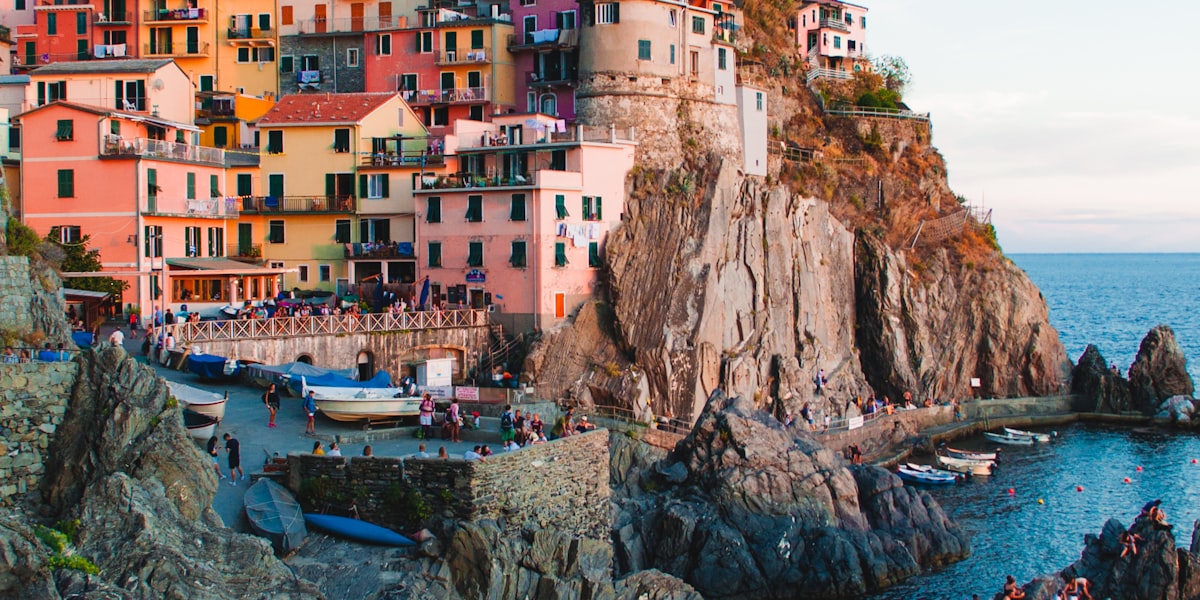
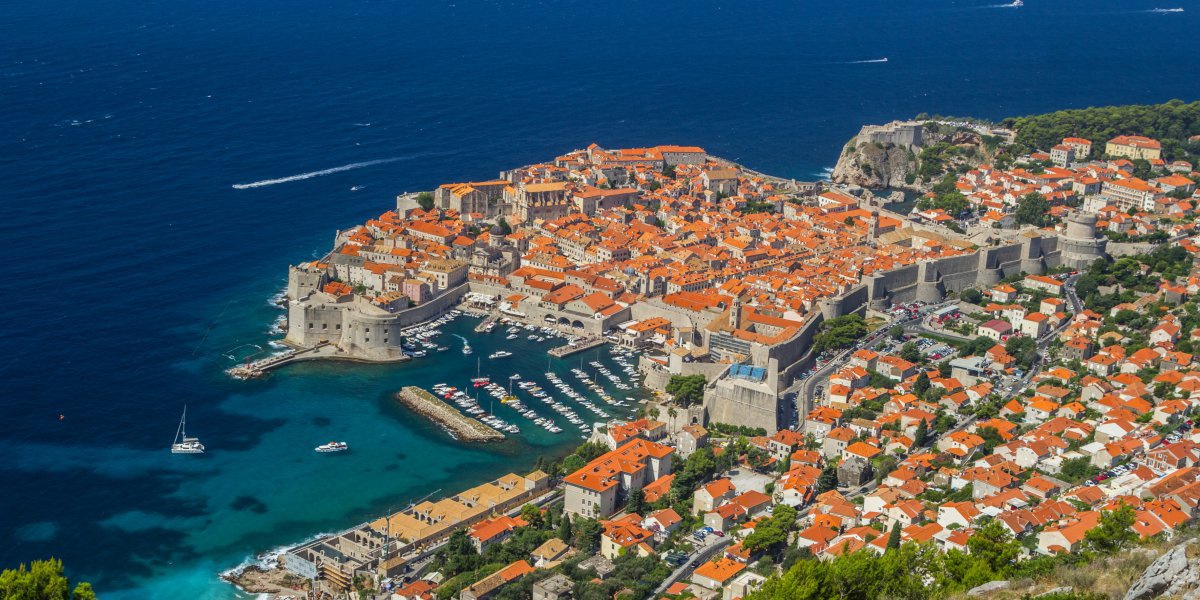
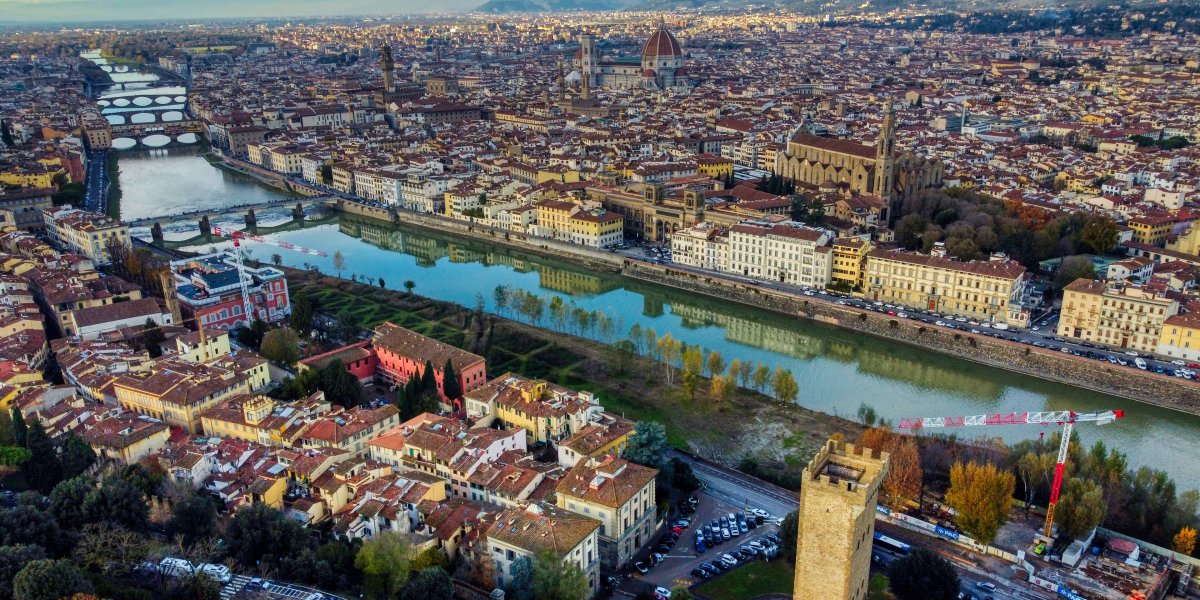
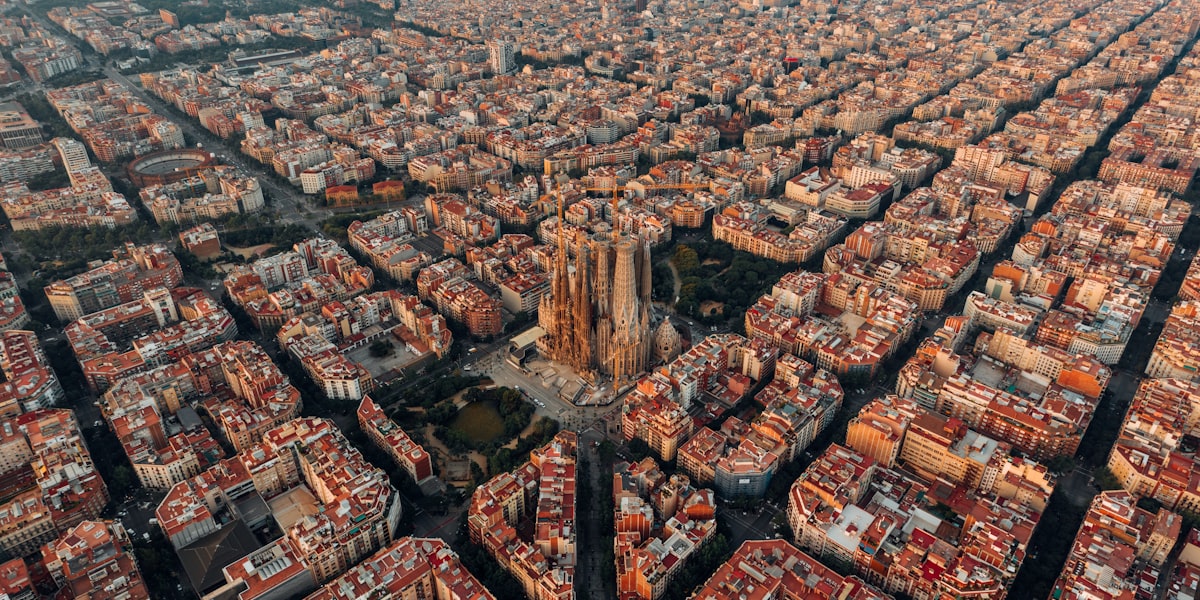
More in the same country
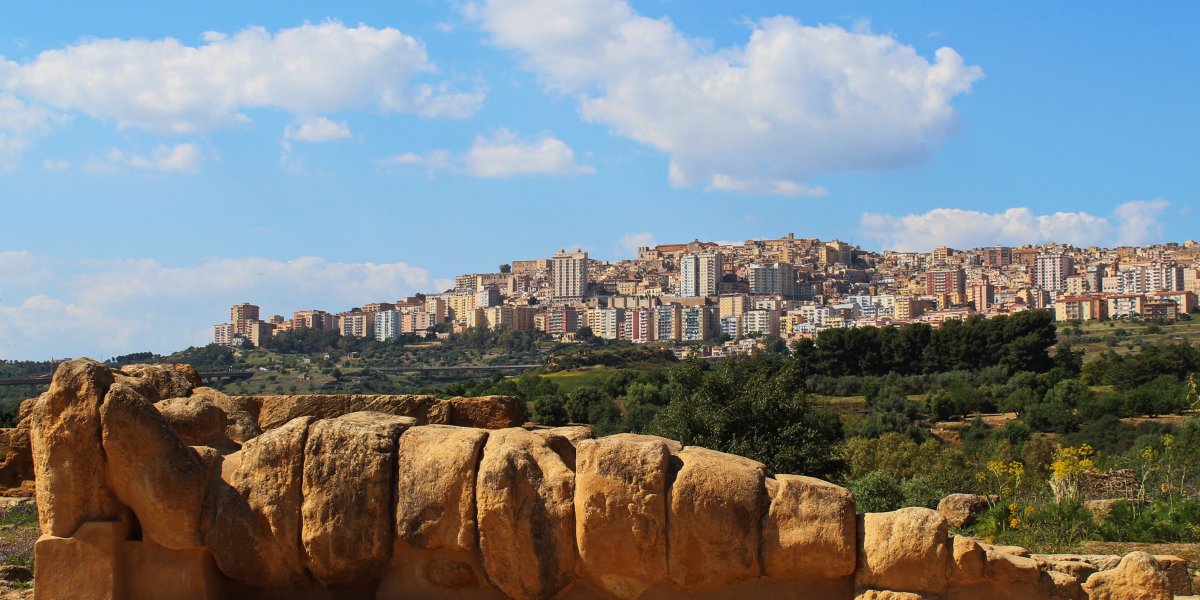
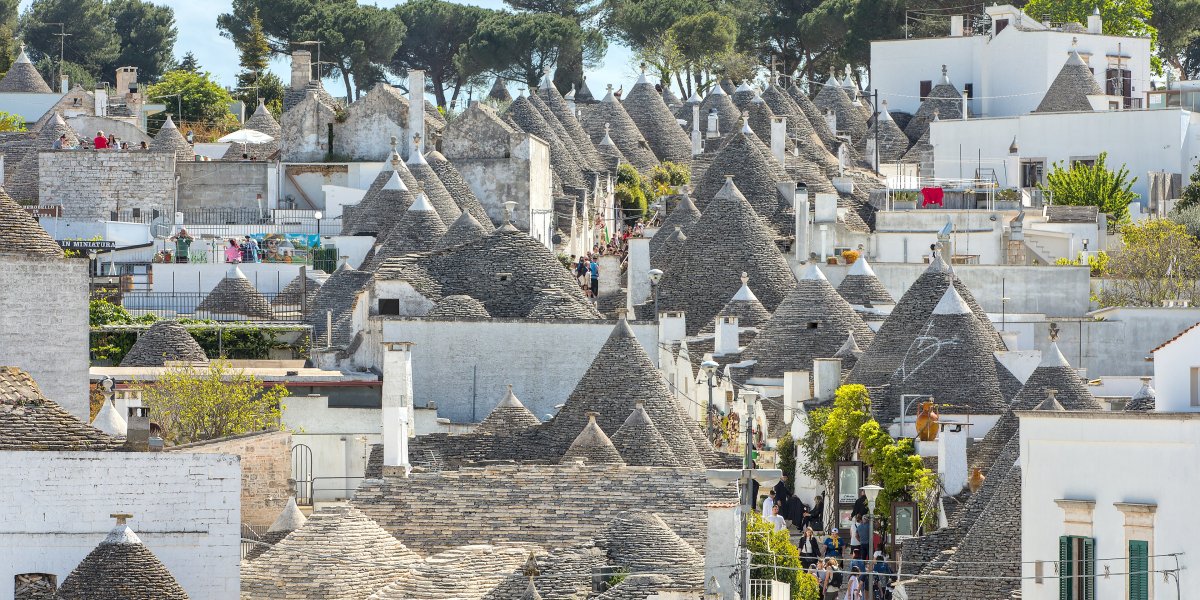
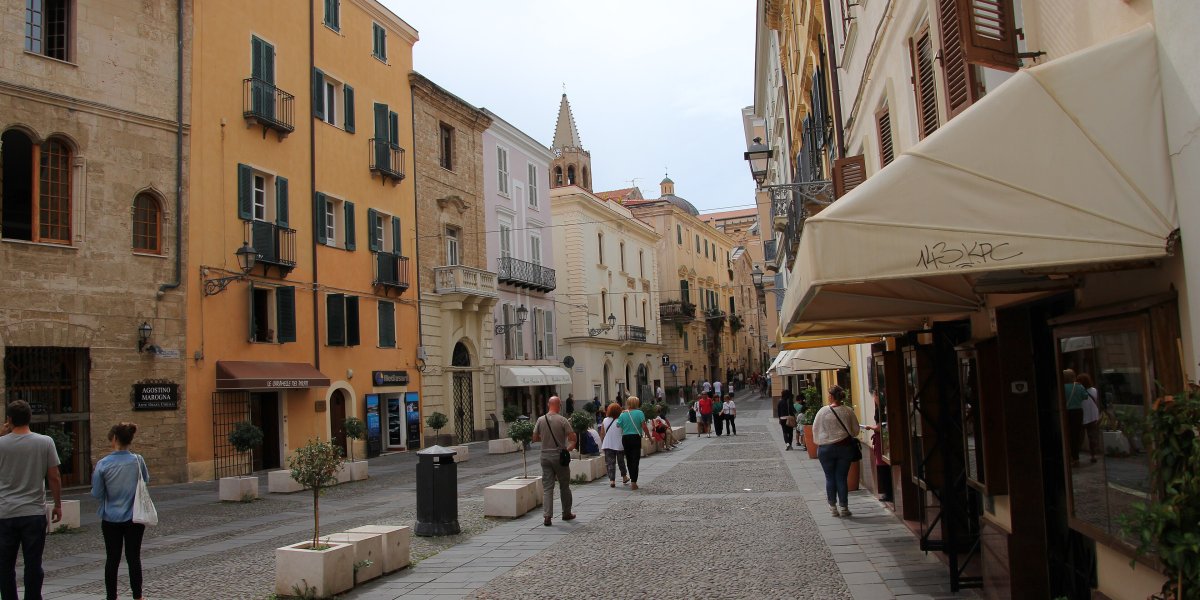
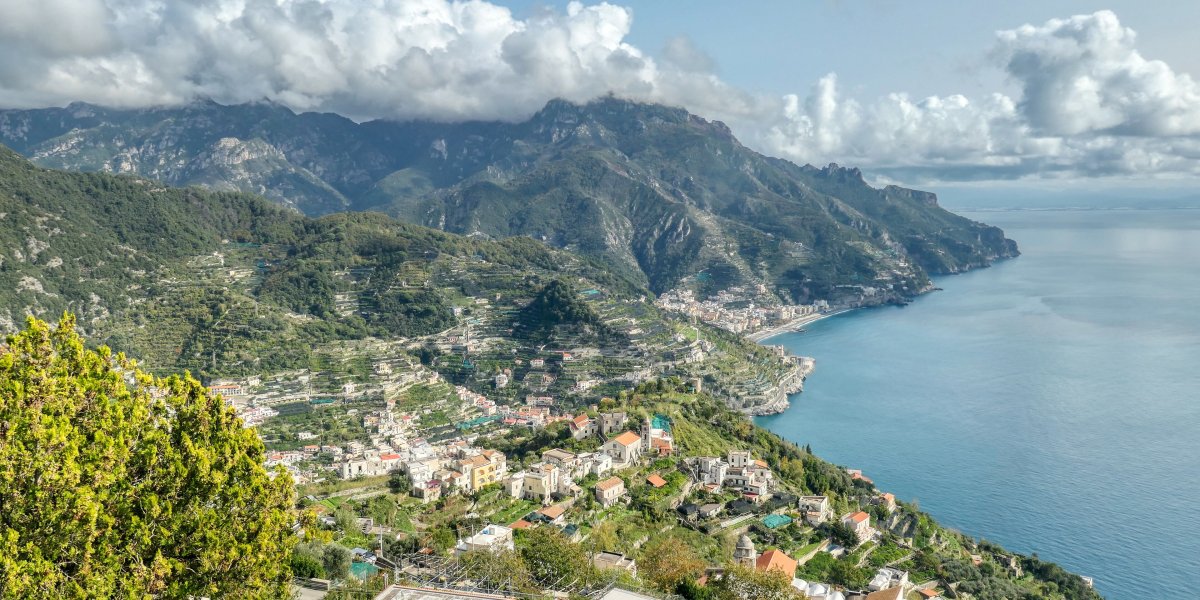
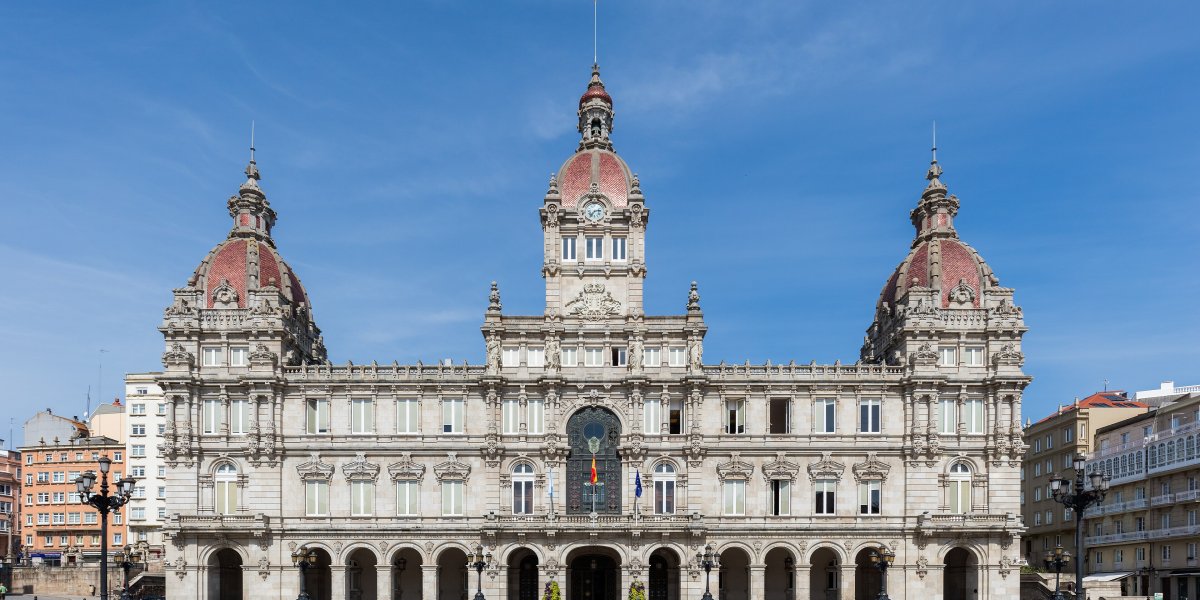
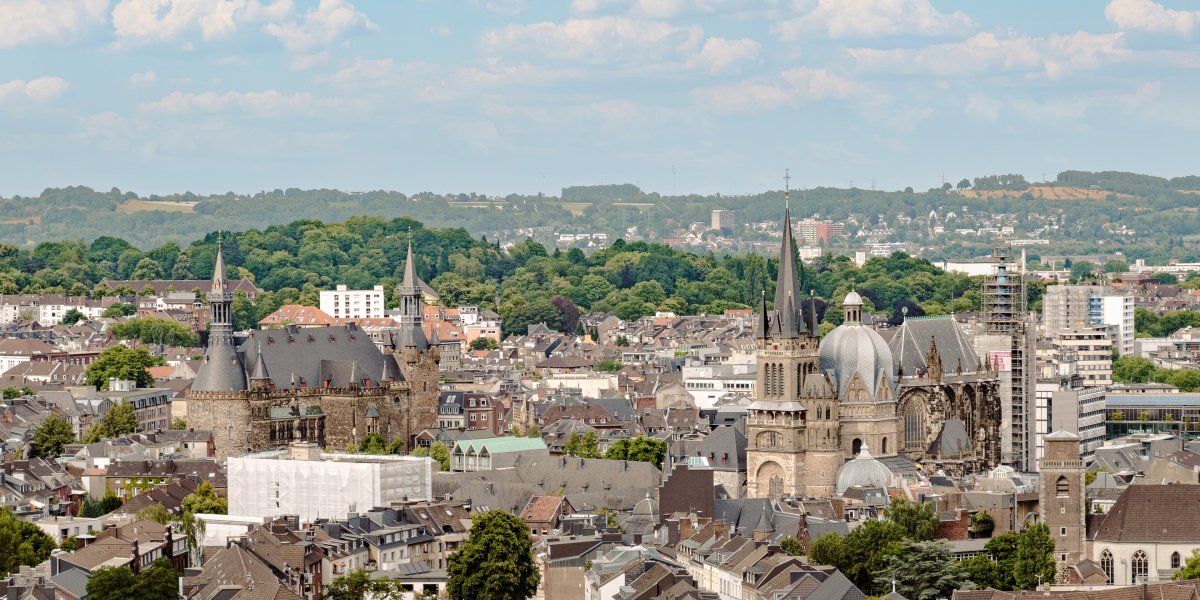
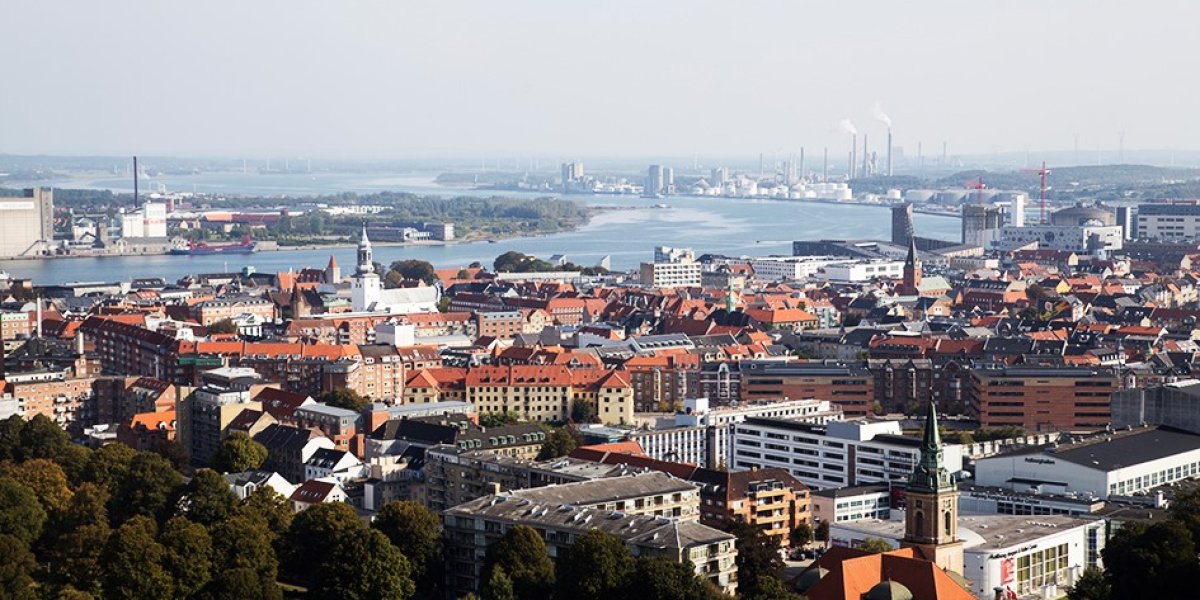
FAQ
Frequently asked questions
How many days do you need in Rome?
Most travelers enjoy Rome in 1 days, with enough time for headline sights and a slower meal or museum stop.
What's the best time to visit Rome?
The easiest season for most travelers is Apr-Jun, Sep-Oct, especially if you want good weather and manageable crowds.
What's the daily budget for Rome?
A practical starting point is about €55 per person per day before hotels, then adjust based on museums, dining, and transport.
What are the must-see attractions in Rome?
A good first shortlist for Rome includes Colosseum & Roman Forum Overlook, Trevi Fountain, Pantheon.