City Guide
Cádiz
Spain · Best time to visit: Apr-Jun, Sep-Oct.
Day-by-day plan
Choose your pace
Trip length
09:00
Landmark
Arrive fresh from the train station — a 12-minute walk down Avenida del Puerto with the port on your left. The early sun turns the cathedral's golden-yellow dome into something breathtaking, and Plaza de la Catedral still has that Andalusian hush before the tour groups arrive. This is the moment you understand why Cádiz is called 'la tacita de plata' — the little silver cup.
Tip: The money shot is from Calle Pelota looking up at 9 AM with the sun at your back — the façade glows honey. Skip the south-side plaza cafés: triple-priced coffee and the view from the church steps themselves is better and free.
Open in Google Maps →10:00
Landmark
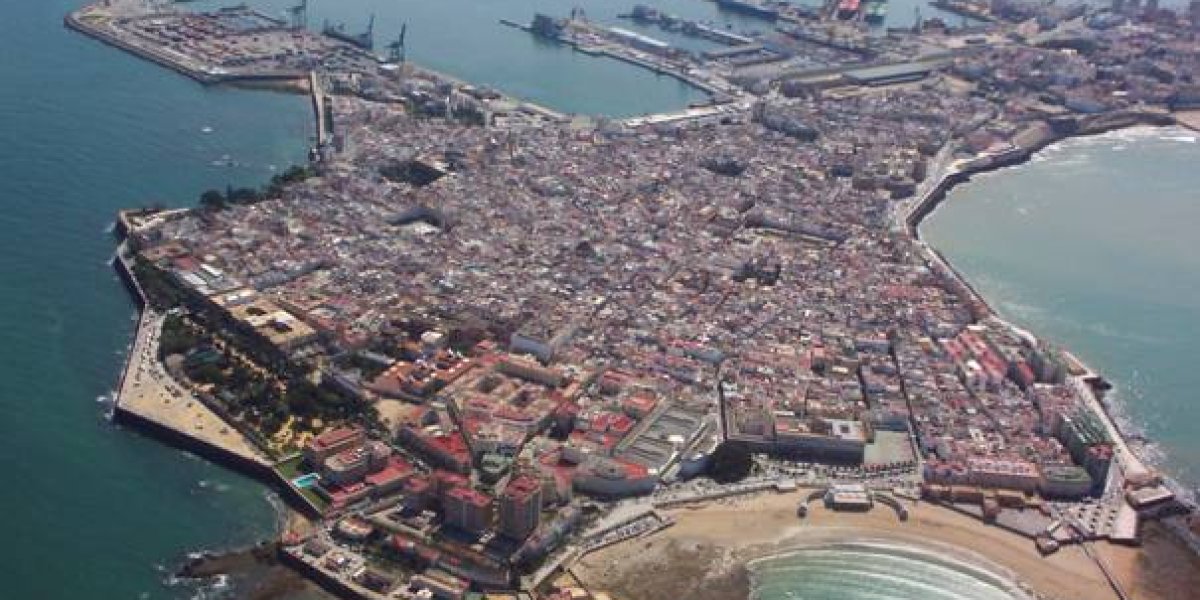
8-minute stroll northwest up Calle Compañía, passing centenarian confectioners with almond-sweet windows. Torre Tavira is the highest point of the old town at just 45 metres, and its 1700s camera obscura projects the living city onto a concave dish — an analog satellite feed three centuries before satellites. The rooftop gives you all of Cádiz in one frame: cathedral dome, watchtowers, and the Atlantic wrapping three sides.
Tip: Book the 10:30 camera obscura session online at torretavira.com — drop-ins wait 40+ minutes in peak season. The session is narrated in Spanish but entirely visual; skip the English tour (longer queue, identical images).
Open in Google Maps →12:00
Food
6-minute walk north down Calle San Francisco into Plaza de Topete, with its blue-tiled fountain and flower stalls. The 1838 market hall now houses a 'Rincón Gastronómico' food court — twenty-plus stalls plating whatever Cádiz pulled from the Atlantic at dawn. Grab a paper cone of mixed pescaito frito and a glass of manzanilla, then eat on the benches outside while the plaza buzzes around you.
Tip: Order the mixed fry cone at 'Las Flores' stall for €10 — adobo, boquerones, puntillitas — and eat standing in Plaza Topete. Avoid the sit-down restaurants fronting the market building: markup is triple and the fish is from the exact same morning batch.
Open in Google Maps →13:30
Park
10-minute walk west along Calle Sagasta through Plaza de Mina — the square where Manuel de Falla was born, shaded by Indian laurels. Parque Genovés is Cádiz's oldest park (1892), with topiary carved into chess pieces and a grotto waterfall, and the adjoining Alameda Apodaca promenade delivers your first face-to-face with the open Atlantic: indigo, wind-whipped, endless. Sit on a clifftop bench and let the sea breeze reset your legs for the second half of the day.
Tip: Climb the small staircase beside the waterfall grotto to a hidden clifftop bench facing the bay — it's where Cádiz abuelitas sit to read. Free, shaded, and the finest pause-breath moment in the city.
Open in Google Maps →15:30
Landmark
12-minute coastal walk down Paseo Fernando Quiñones, with Castillo de Santa Catalina rising sand-coloured on your right like a mirage. La Caleta is the most filmed beach in Cádiz — the opening of 'Die Another Day' used it as Havana — and a 750-metre stone causeway stretches into the Atlantic to the 17th-century Castillo de San Sebastián. Walk the full causeway out and back: the light turns gold, waves slap the stones either side, and this is the photograph you came to Cádiz to take.
Tip: Wear sneakers, not sandals — the causeway stones are uneven and sea spray soaks them. Check tidetimes.es before you commit: at high tide the final 50m is cordoned off, so aim to arrive within the two-hour window either side of low tide for the full walk.
Open in Google Maps →19:30
Food
8-minute walk back through Barrio de la Viña — the gritty fishermen's quarter that invented Carnaval — where you'll almost certainly catch someone rehearsing a chirigota from an open window. El Faro, opened 1964, is the shrine of pescaito frito and the benchmark every other Cádiz kitchen measures itself against. Order the tortillitas de camarones (€14, paper-thin shrimp lace) and urta a la roteña (€26, local white fish in tomato-pepper sauce) — both non-negotiable.
Tip: Walk in at 19:30 sharp — Spanish locals still aren't eating and you'll get a table without a reservation; after 21:00 the wait stretches to 45 minutes. If the dining room is full, slip into the tapas bar at the front (same kitchen, half the price). Final warning: avoid any restaurant facing Plaza de San Juan de Dios near the port — tourist-priced, microwaved, soulless. The real Cádiz eats here in La Viña.
Open in Google Maps →Jump to day
10:00
Religious
Begin at the Plaza de la Catedral, where the yellow-tiled dome rises straight off the Atlantic — the most photographed silhouette in southern Spain. Visit the cathedral interior right at opening, when light pours through the nave and the cruise groups have not yet arrived. Save the climb up the Torre de Poniente for the end, when you have warmed up.
Tip: The Torre de Poniente is a spiral ramp, not stairs — even kids and grandparents make it up easily. From the top look northwest: you see the entire walled peninsula floating between two seas, a view you cannot get from anywhere else in Cádiz.
Open in Google Maps →12:00
Landmark
Exit the cathedral on the north side and follow Calle Compañía through the chess-piece lanes — 6 minutes uphill to the city's tallest old watchtower. Midday is the only window when the camera obscura works at its best, with the sun directly overhead projecting a razor-sharp live image of Cádiz onto the dark room's white dish. The 45-meter rooftop terrace afterwards gives you the inland counterpoint to the cathedral's seaward view.
Tip: Camera obscura sessions in English run on the half hour and last 15 minutes — go straight to the dark room first, then circle back through the museum panels. On a windy day the projected sailboats in the bay seem to move in real time.
Open in Google Maps →13:30
Food
Walk two blocks south to Plaza de las Flores — you will smell the frying oil before you see the place. Order a cucurucho mixto (mixed fried-fish paper cone, €10) of whitebait, calamari and small shrimp, plus a plate of tortillitas de camarones (€4 each), and eat them standing at one of the marble bar tables. The square outside is the city's most photogenic, ringed by the old post office and the flower stalls that give it its name.
Tip: No reservations, and they stop frying at 15:30 sharp. Walk in before 14:00 or you'll wait. Pair with a tinto de verano (€2.50) — never sangria, which is for tourists. They wrap leftovers in the same wax paper to take to the beach.
Open in Google Maps →16:00
Landmark
Walk 8 minutes east through the El Pópulo neighborhood, the medieval kernel of the city, to find the entrance tucked behind a normal apartment block. This is Spain's oldest known Roman theater (1st century BC), buried under a thousand years of houses and only rediscovered in 1980 — you walk straight inside the original underground gallery. Afternoon visits are best because the cathedral above casts shade over the open cavea.
Tip: Free entry. The interpretation center plays a 10-minute loop video most people sit through — skip it and head to the rear viewing window upstairs, where you can see the cathedral's foundations resting directly on Roman stones.
Open in Google Maps →17:30
Neighborhood
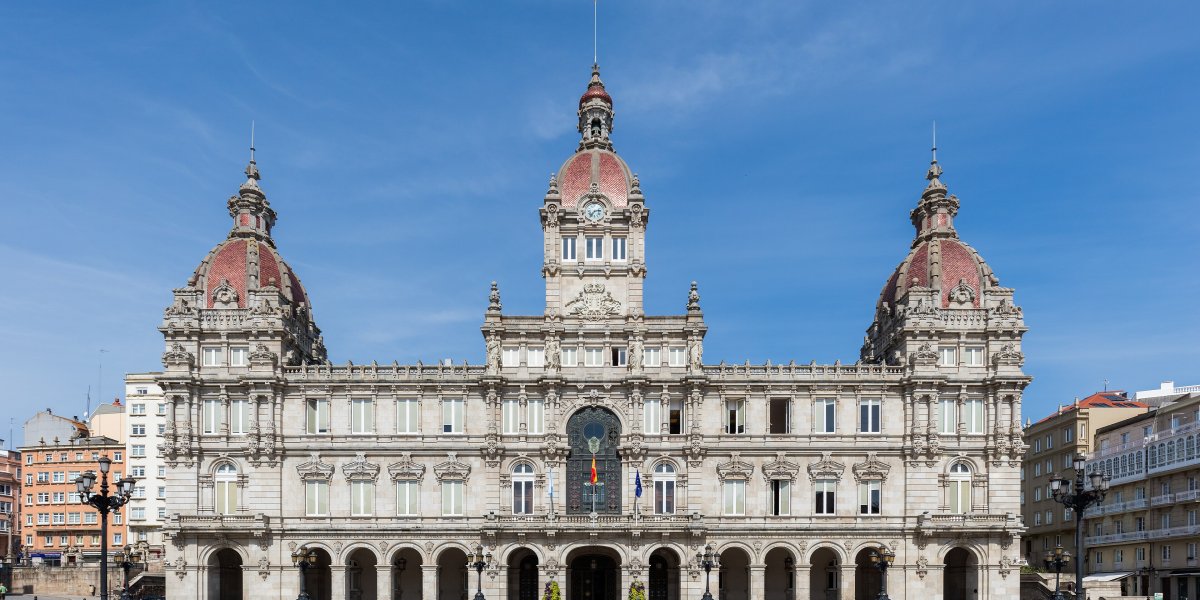
From the Roman theater, drift 5 minutes east to the harbor-facing Plaza de San Juan de Dios with its monumental city hall, then arc north along the sea wall to Alameda Apodaca. This is the locals' golden-hour ritual: the 18th-century promenade is shaded by two enormous ficus trees, with the bay opening up beyond the iron railings. End at the Baluarte de la Candelaria as the sun drops behind the bay.
Tip: The two giant ficus trees on the Alameda are over 300 years old — sit on the bench directly underneath them and shoot upward through the aerial roots; it is the one Cádiz photo Instagram has not yet ruined.
Open in Google Maps →20:30
Food
You are already on the Alameda — Balandro is the corner restaurant with arched windows facing the bay. A genuine Gaditano institution, run by the same family for decades, serving the catch of the day with a serious wine list. Order ortiguillas fritas (fried sea anemones, €14) — a Cádiz specialty almost impossible to find outside the province — and tartar de atún rojo (red tuna tartare from Almadraba, €18).
Tip: Reserve 24 hours ahead and ask for a window table — the bay sunset through the arched glass is part of the meal. Avoid the tourist restaurants on Plaza de San Juan de Dios with photo menus and waiters waving you in: they reheat frozen seafood at triple the price, and the harbor area is where overpriced 'paella' is sold by the kilo to cruise day-trippers.
Open in Google Maps →10:00
Landmark
Walk west to La Caleta beach and step onto the 600-meter stone causeway that runs straight out into the open Atlantic — there is no other walk like it in Spain. The 18th-century fort sits on the islet where, according to legend, the Phoenician temple of Kronos once stood. Morning is the only sane time: the tide is calmer, the light is behind you, and by midday the unshaded causeway becomes a furnace.
Tip: The fort itself is intermittently closed for restoration, but the causeway walk IS the experience — go to the very end for a 360° sea view that exists nowhere else on the Spanish mainland. If the gate at the entrance is locked, the causeway is closed for high tide; come back two hours later.
Open in Google Maps →11:30
Park
Walk 12 minutes east along La Caleta's promenade and up the slope into the park. Cádiz's green lung was planted in the 18th century with over a hundred exotic species — Canary dragon trees, Australian ficus, a 200-year-old Mexican cypress — all squeezed between two castle bastions facing the Atlantic. Late morning, the shadows under the dragon trees are still long and the breeze off the sea keeps the heat off.
Tip: Behind the central pond there is a small artificial grotto with a waterfall — almost everyone misses it because it sits behind the topiary maze. Walk through the green tunnel and you will hear the water before you see it.
Open in Google Maps →13:30
Food
Walk 8 minutes south into La Viña, the old fishermen's quarter where Cádiz's Carnaval was born. Casa Manteca is a 1953 tabanco lined with bullfighting posters and yellowed photos of Carnaval troupes — the most beloved tapas counter in the city. Order chicharrones de Cádiz (paper-thin pressed pork belly with lemon and pimentón, €4) and payoyo cheese with tomato jam (€6), all served on wax paper directly on the bar.
Tip: No reservations, no tables — only the bar counter and wine barrels on the cobblestones outside. Arrive at 13:30 sharp or wait 30+ minutes. Order verbally to whoever is closest; never ask for a menu, there isn't one. Cash works fastest.
Open in Google Maps →15:30
Museum
Walk 10 minutes east through the Mentidero square to Plaza de Mina. The siesta hours are the perfect time: outside it's hot, inside it's cool and almost empty. The ground floor houses the world's only matched pair of Phoenician anthropoid sarcophagi (5th century BC, male and female), recovered from Cádiz's own soil — a moment that genuinely stops you. Upstairs, Zurbarán's full series of monastic patriarchs hangs in a single quiet room.
Tip: Free for EU citizens, €1.50 otherwise. Most visitors crowd the Phoenician hall on the ground floor — climb to the second floor for the Zurbaráns and you will likely have the entire Baroque wing to yourself. Closed Mondays.
Open in Google Maps →18:30
Landmark
Walk 12 minutes west back across the old town to La Caleta — the star-shaped fortress sits at the beach's northern end. Built after Sir Francis Drake's 1596 sack of Cádiz, it now houses art studios, but the real prize is the rampart terrace facing due west over the Atlantic — the most cinematic sunset spot in the city (and yes, the Halle Berry Bond scene was filmed below). The ramparts catch the wind and the last light hits the cathedral dome behind you.
Tip: Free entry, but the gate closes 30 minutes before sunset — arrive 45 minutes before sundown to claim the western corner of the rampart. In April–June, watch your step on the upper walkways: nesting gulls are aggressive about the path.
Open in Google Maps →21:00
Food
Walk 4 minutes from La Caleta into the inner lanes of La Viña — the white-tiled facade has been there since 1964 and is the city's most legendary kitchen. Order tortillitas de camarones (paper-lace shrimp fritters, €4 each — the dish was invented in Cádiz and El Faro perfected it) and arroz negro con chocos (squid-ink rice with local cuttlefish, €22). The bar serves the same food as the dining room with a fraction of the formality.
Tip: The bar side is where Gaditanos eat — same tortillitas, no reservation needed; the dining room requires booking 2–3 days ahead. Avoid the souvenir shops along La Caleta selling 'fresh fish' meals: none of it is local, the actual catch is gone to places like El Faro by 11:00. Also keep your hand in your pocket near the cathedral — the rosemary-sprig women will grab you and demand €5 for an unwanted twig 'blessing.'
Open in Google Maps →
Trip builder
Plan this trip around Cádiz
Turn this guide into a bookable rail itinerary with FlipEarth.
Keep exploring
Related cities
More in the same country


FAQ
Frequently asked questions
How many days do you need in Cádiz?
Most travelers enjoy Cádiz in 1 days, with enough time for headline sights and a slower meal or museum stop.
What's the best time to visit Cádiz?
The easiest season for most travelers is Apr-Jun, Sep-Oct, especially if you want good weather and manageable crowds.
What's the daily budget for Cádiz?
A practical starting point is about €90 per person per day before hotels, then adjust based on museums, dining, and transport.
What are the must-see attractions in Cádiz?
A good first shortlist for Cádiz includes Cádiz Cathedral (Catedral de Cádiz), Torre Tavira, La Caleta & Castillo de San Sebastián Causeway.