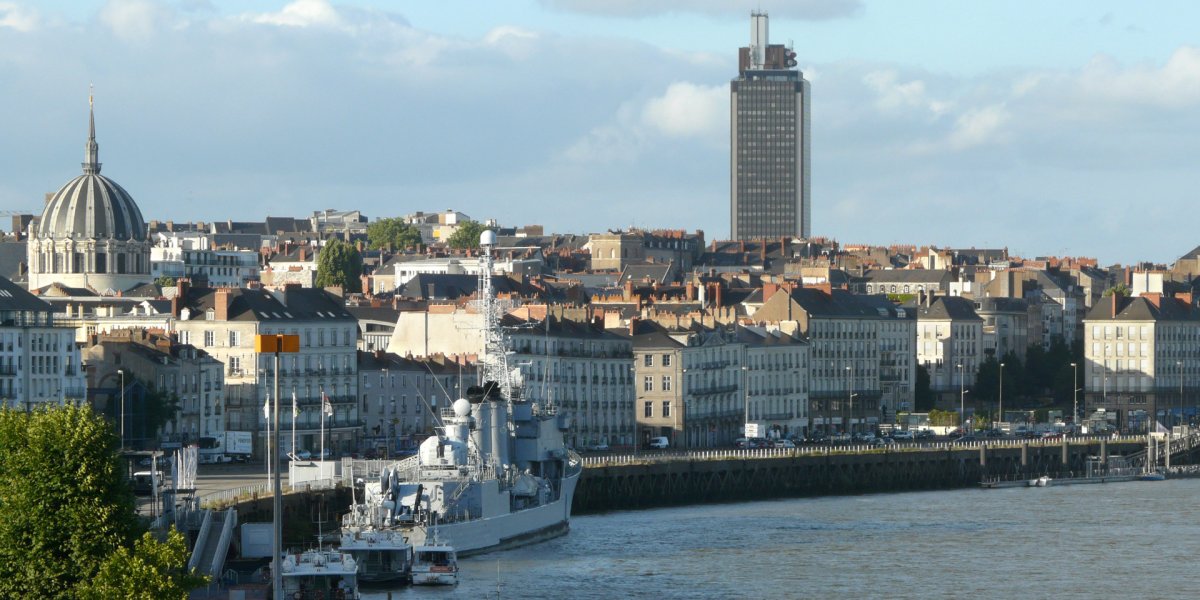
City Guide
Nantes
Frankreich · Best time to visit: May-Sep.
Day-by-day plan
Choose your pace
Reisedauer
09:00
Religious
From the tram stop at Place Saint-Pierre, the Gothic facade rises one block ahead — you'll arrive just as the doors swing open. The white tufa-stone nave inside is among the tallest in France, and at 9 AM the only sound is your own footsteps echoing back through the luminous space. Walk to the south transept and find the Renaissance tomb of François II — the four corner figures sculpted by Michel Colombe are the reason art historians come to Nantes.
Tip: Enter through the side portal on Place Saint-Pierre rather than the main western doors — the western entrance fills up first with guided groups. Look up at the painted choir vaults: they were hidden under 200 years of whitewash until the 1972 fire forced a full restoration.
Open in Google Maps →10:00
Landmark
Exit the cathedral's south portal, cut down Rue Mathelin-Rodier for 3 minutes — the moat appears suddenly and the white granite ramparts rise straight from the water. Skip the interior museum entirely; the free 500-meter rampart walk gives you the only 360° view in Nantes — cathedral spires to the north, Loire shipyards to the south. This was the last residence of Anne of Brittany, the duchess who married two kings of France and brought Brittany into the kingdom.
Tip: Ramparts and courtyards are free; only the Musée d'Histoire is ticketed and not worth your morning. Climb the Tour du Fer-à-Cheval first — the angle looking back toward the cathedral spires is the photo you'll send home, and it's empty before 11 AM.
Open in Google Maps →12:00
Food
From the château's western gate, follow Rue des États through the old town for 7 minutes to a narrow door on Rue de Guérande. This no-frills room has fed locals since 1980 and is where Nantais people actually eat galettes — buckwheat batter fermented overnight Brittany-style, cooked on a billig in front of you. Order the galette complète (ham, egg, cheese, €9.50) and finish with the crêpe beurre-sucre salé (€4.50), washed down with a bowl of dry Fouesnant cider (€4) — that's the law in this room.
Tip: Arrive at 12:00 sharp — by 12:30 every table is taken by office workers from Place Graslin and you'll wait 40 minutes outside. No reservations under 4 people. The galette saucisse-moutarde is the off-menu local favorite — ask for it.
Open in Google Maps →13:30
Landmark
Leaving Heb-Ken, turn left onto Rue Crébillon — Nantes' elegant 19th-century shopping street — and walk 4 minutes south to a discreet door on the right. Push it open and you're inside the Passage Pommeraye, the 1843 covered arcade with three floors of gas lamps, marble cherubs, and the sweeping staircase Jacques Demy filmed in Lola. Exit at the lower entrance onto Rue de la Fosse and loop west to Place Royale, where the fountain personifies Nantes as a queen sitting above the Loire and its tributaries.
Tip: The middle level of the Passage is the photogenic one — stand at the top of the central staircase and shoot straight down through the gas lamps. The shops are overpriced tourist boutiques; the building is the experience, not the merchandise. At Place Royale, the afternoon sun hits the statue from the east — 2 PM gives the cleanest light on the bronze.
Open in Google Maps →15:30
Entertainment
From Place Royale, walk south across the Pont Anne-de-Bretagne for 12 minutes — the Loire opens beneath your feet, and on the far bank a 12-meter wood-and-steel elephant emerges from the old shipyards. Board the colossal mechanical beast for a 30-minute ride through clouds of steam and trumpeting roars — children scream, adults grin like children. Skip the Galerie des Machines next door if time is tight; the elephant is the unmissable piece, the rest is bonus.
Tip: Book the elephant ride online the night before at lesmachines-nantes.fr (€11.50, sold by 30-min time slot) — cash queues run 90 minutes in summer. The elephant takes a 10-minute rest break every hour; arrive at the start of your slot to guarantee the full circuit. After the ride, walk the rooftop terrace of the Carrousel des Mondes Marins next door — it's free and gives the best photo of the elephant from above.
Open in Google Maps →19:30
Food
Leaving the île, walk back across the Pont Anne-de-Bretagne and follow Quai de la Fosse east as the river catches the last light — 18 minutes to Place Graslin. La Cigale, opened in 1895 and classified as a Monument Historique, is the most beautiful brasserie in western France: hand-painted ceramic ceilings, beveled mirrors, sculpted nymphs holding lamps over every booth. Order the plateau de fruits de mer (Loire-Atlantic oysters and langoustines, €38) or the sole meunière (€32) with a glass of Muscadet sur lie from just outside the city.
Tip: Reserve a window booth on the Place Graslin side at least 48 hours ahead via lacigale.com — even Mondays book out. PITFALL WARNING: the brasseries lining Place du Bouffay and Rue de la Juiverie look charming with their candlelit terraces, but most serve €19 'menu touristique' microwave fare to one-night visitors — no Nantais eats there. La Cigale costs more but is the genuine article; if it's full, walk one block to L'Atlantide 1874 for an equally serious meal.
Open in Google Maps →Zu Tag springen
10:00
Entertainment
Tram 1 to Chantiers Navals, then a 4-minute walk south along the old shipyard slipway — the 12-meter steel-and-tulipwood elephant rises behind the cranes before you reach the ticket office. Book the very first 10:00 ride: you trumpet through nearly empty riverside as the beast sprays cold Loire mist into the morning sun, with the 45 passengers leaning out over articulated ears. Inside La Galerie, the engineers openly weld the next creature of Verne's mechanical bestiary while you walk among the heron and the giant ant.
Tip: Book the 10:00 elephant slot online the night before — the on-site counter sells the full day out by 10:30 in summer. After the ride, climb the upper gangway of La Galerie: it is the one angle where you can photograph the elephant trumpeting head-on, and the steam jets are choreographed every 11 minutes.
Open in Google Maps →12:00
Entertainment
Cross the same hangar plaza — 90 seconds from the Galerie exit; you hear the bell-driven gears before you see the carousel. Three tiers of hand-cranked sea creatures (the abyss, the deep, the surface) all rideable, every limb articulated by the rider's own wheel. Choose the abyss tier: the giant squid arm responds in real time and almost no children pick it.
Tip: Ask the operator for the pieuvre geante (giant octopus) on the middle tier — its eight limbs are the most articulated and it faces the Loire window. Single ticket = one ride on one creature; locals do two laps quickly by re-queueing while it is still empty around noon.
Open in Google Maps →13:00
Food
Walk 8 minutes west along Quai des Antilles past the row of giant red Buren rings — the path is lined with summer art commissions from the Voyage a Nantes trail. Built each season under a wisteria pergola, this open-air canteen has a single chalkboard of regional produce on long communal tables facing the river. Locals come for the andouille de Guemene on grilled bread and a generous bowl of Loire-Atlantique mussels in cider.
Tip: Order at the green kiosk, then grab a deck table on the upper level facing the Loire — the elephant passes within 20 m every 30 minutes and you hear it before you see it. Arrive at 12:45 sharp; by 13:15 the queue is 20 minutes deep. Operates May to mid-September only — outside that window, eat instead at La Halle a Manger one block north.
Open in Google Maps →14:30
Landmark
Walk back east 10 minutes along Quai des Antilles and cross Pont Anne de Bretagne — at the midpoint, glance downstream to glimpse the orange Hangar a Bananes you will return to at golden hour. Nantes was France's largest slave-trading port, and this 2012 memorial by Krzysztof Wodiczko and Julian Bonder buries 2,000 expedition ship names underfoot in glass plaques along the quay. Descend the staircase into the underground gallery, where light filters through translated abolition declarations from 47 countries.
Tip: Enter from the western staircase first — the path is designed to be walked downstream, so the glass plaques run 1620 to 1848 in chronological order. The acoustics in the underground passage are deliberately muffled to force quiet; whisper, do not talk.
Open in Google Maps →16:00
Neighborhood
Cross Pont Anne de Bretagne back south and turn right along Quai des Antilles toward the long orange warehouse — 12 minutes, with the Loire on your right the entire way. Daniel Buren's 18 steel rings frame the river at perfect intervals; from 21:00 each lights up in a separate color. Inside the renovated banana warehouse, HAB Galerie shows the season's flagship Voyage a Nantes installation (free) before you step back out onto the terrace for a glass of Muscadet sur lie at La Civelle.
Tip: Walk rings 1 through 18 from east to west — the angle from inside ring 9 frames the Carrousel des Mondes Marins perfectly between the next two rings, and is the second-most-photographed Nantes image after the elephant. Colored lighting starts at 21:00 sharp in July and August, 22:00 in May and June.
Open in Google Maps →19:30
Food
Step into the elevator inside the orange Hangar a Bananes block at quai Ernest Renaud — the restaurant occupies the rooftop with a 180-degree Loire view facing west into the sunset. Chef Jean-Yves Gueho holds one Michelin star for the city's most river-rooted cooking: estuary sandre with beurre blanc nantais raised to art, and a six-course Menu Estuaire that walks you from the Loire to the Atlantic plate by plate. The cellar carries more than 60 Muscadet producers, ordered by upstream village.
Tip: Reserve a week ahead and specifically request the angle Loire — only two tables face the actual sunset over the river, and they are given to whoever asks first. Order the sandre au beurre blanc as your main: it is the dish the chef has been refining for 30 years. Avoid the row of cocktail bars on Quai des Antilles two blocks east — they overcharge for industrial wine and lure crowds off the elephant queue.
Open in Google Maps →09:30
Landmark
Five minutes east of Place du Bouffay along Rue des Etats — the white tuffeau ramparts flash bright as you turn the final corner. The ramparts and inner courtyard are free from dawn, so arrive at 09:30 and walk the 500-meter curtain wall before the museum opens at 10:00; the sharp-white Renaissance courtyard, where Anne of Brittany was born in 1477, is yours nearly alone for 25 minutes. The interior Musee d'Histoire de Nantes is the only place in France that frankly tells the slave-trade story inside a former ducal palace.
Tip: Enter via the free western drawbridge at opening — the courtyard light is softest before 10 and the moat is in full reflection. When the museum opens, start at Room 7 (the slave-trade gallery) and walk backwards through history: by the time you reach the medieval rooms, every tour group has moved on. Closed Mondays.
Open in Google Maps →11:30
Religious
Three minutes north through Place Saint-Pierre — the late-Gothic facade hits you all at once from the small square, 63 m of tuffeau uncluttered by trees. The single tallest Gothic nave in France (37.5 m), rebuilt over 457 years in stone so white it glows; the late-morning sun slides down the pillars onto the tomb of Francois II of Brittany, generally rated the masterpiece of French Renaissance sculpture. The 2020 fire scorched the organ — look up above the choir for the dark stain still visible against the pale ceiling.
Tip: Stand 5 m in front of Francois II's tomb and walk slowly to your left — the four allegorical statues at the corners (Justice, Strength, Prudence, Temperance) only reveal their full faces in sequence as you move sideways. Photography without flash is permitted. Skip the small dark crypt unless you are a medievalist.
Open in Google Maps →12:45
Food
From the cathedral, walk 12 minutes west down Rue de Strasbourg, cross Place Royale with its 1865 fountain (you will revisit it later), and continue to Place Graslin — the 1895 canary-yellow facade with ceramic cicadas is unmissable. La Cigale is a classified Monument Historique brasserie that has served Vendee oysters and seafood platters under hand-painted insect ceilings since the year it opened. Order the half-dozen Vendee oysters and the andouillette grillee moutarde — the kitchen has not altered either recipe since 1920.
Tip: Reserve online for the ground-floor Salle Belle Epoque — the first-floor seating was renovated and has lost its original mosaics. Ask the maitre d' for table 24 in the corner; the ceiling painting directly overhead depicts the brasserie's opening night. The 26 euro lunch formule (entree + plat + glass of Muscadet) is on a small chalkboard near the bar — locals order it by default.
Open in Google Maps →14:30
Shopping
Cross Place Graslin and walk 4 minutes north down Rue Crebillon — Nantes' elegant 1840s shopping street ends in a discreet door that opens onto three glass-roofed neoclassical floors. Built in 1843 by the lawyer Louis Pommeraye, who went bankrupt completing it, the passage drops 9 m in a single grand staircase lined with allegorical statues — the only shopping arcade in France classified as a historic monument. Jacques Demy filmed Lola here in 1961, and you can still find the velvet-curtained cinema room at the back of the upper floor.
Tip: Stand on the upper landing facing the central staircase at 15:00 — the glass skylight aligns with the afternoon sun and casts linear brass-railing shadows down all three levels. After photographing it, exit through the back door onto Rue de la Fosse, turn around and look up: the unmarked upper-floor facade is more impressive than the famous interior.
Open in Google Maps →16:00
Park
Walk east from Passage Pommeraye 20 minutes through Place du Commerce and along Cours Saint-Pierre — the cathedral spires guide you straight back across town. Seven hectares of 18th-century botanical garden with 800 magnolia trees (Nantes is the European magnolia capital, peak bloom March-April), a wrought-iron tropical greenhouse, and Claude Ponti's surreal bench sculptures hidden among the paths. Find the Ile de Paques (a giant melting moai-head bench) and the Banc a Etirer (a 15-meter bench that pulls apart) — both reward anyone who wanders off the main avenue.
Tip: Enter at the Place Sophie Trebuchet north gate — the slope down through the magnolia avenue is the postcard angle and ends right at the carnivorous-plant greenhouse. The 12 Ponti benches are concentrated in the southeast quarter; grab the printed map at the gatehouse, it is the only complete index. Closes 19:30 in summer.
Open in Google Maps →19:45
Food
Walk 10 minutes south from the Jardin's main gate down Rue Foure — a quiet residential street where Nantais actually live; the restaurant's name is etched on a small glass door easy to miss. Chef Nicolas Guiet's intimate 24-seat dining room (one Michelin star) serves a single weekly tasting menu that rotates with the Loire and Atlantic catch — the langoustine en deux services and the sarrasin glace dessert are the runaway favorites. The wine list leans heavily into small Muscadet producers from Vallet, 20 km upstream.
Tip: Book at least two weeks ahead — the room takes only 12 covers per service and Saturday slots vanish a month out. Request the comptoir counter facing the open kitchen; you will watch Guiet himself plate every course. Avoid the cluster of galette stands on Place du Bouffay after dark — most are owned by a single group and serve industrial frozen batter; the real version is the lunch you would have at La Cigale, not a tourist dinner near the castle.
Open in Google Maps →
Trip builder
Plan this trip around Nantes
Turn this guide into a bookable rail itinerary with FlipEarth.
Keep exploring
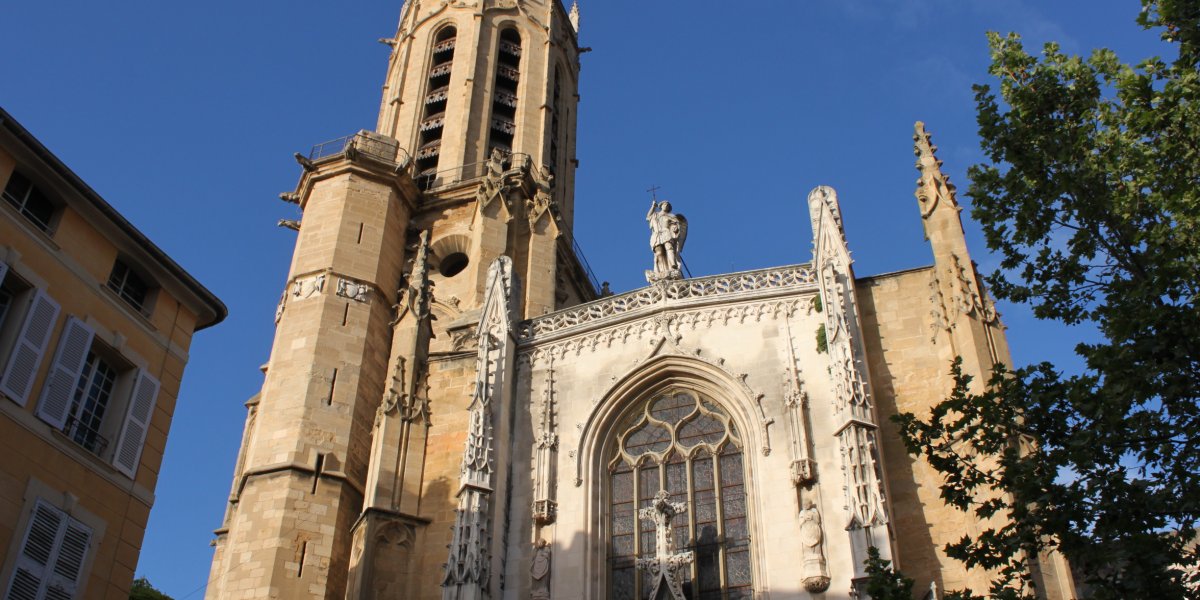
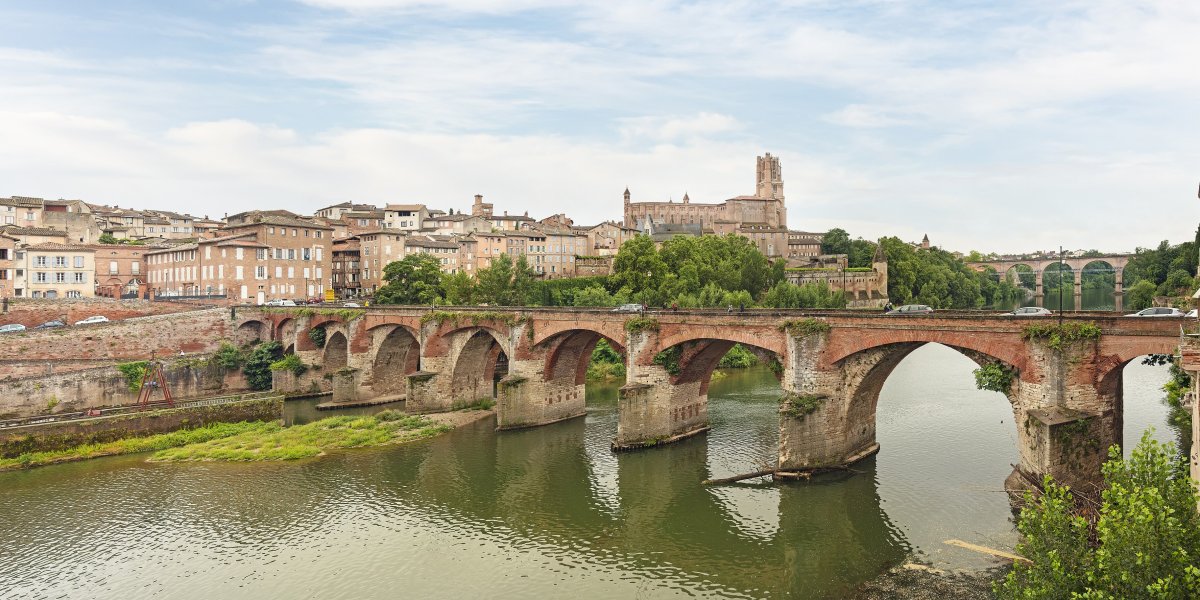
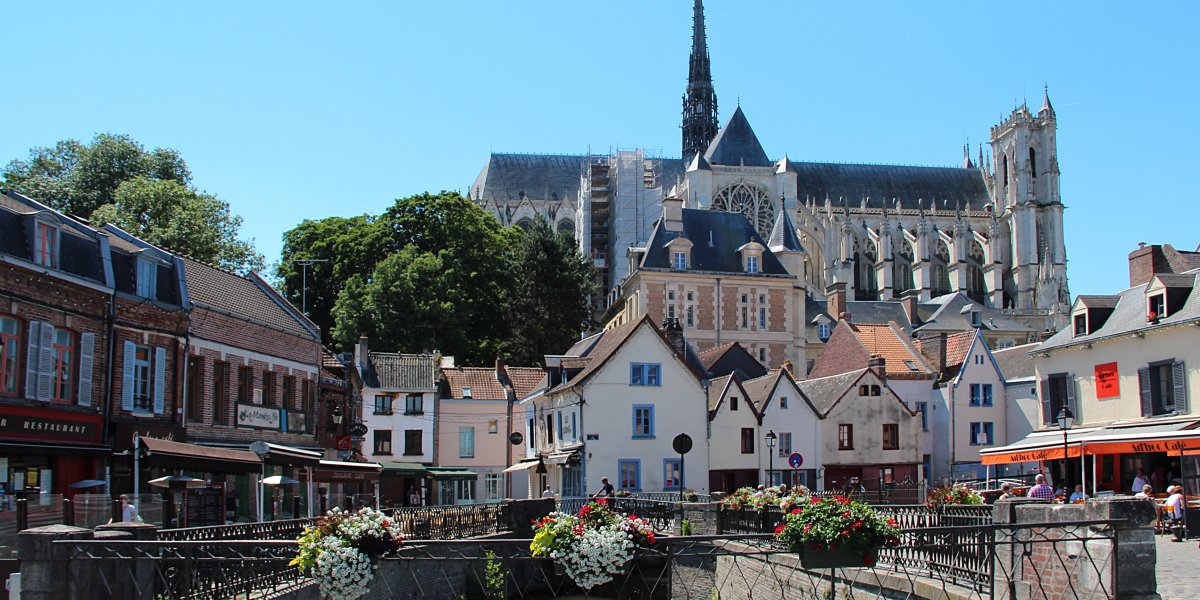
Related cities
More in the same country
FAQ
Frequently asked questions
How many days do you need in Nantes?
Most travelers enjoy Nantes in 1 days, with enough time for headline sights and a slower meal or museum stop.
What's the best time to visit Nantes?
The easiest season for most travelers is May-Sep, especially if you want good weather and manageable crowds.
What's the daily budget for Nantes?
A practical starting point is about €120 per person per day before hotels, then adjust based on museums, dining, and transport.
What are the must-see attractions in Nantes?
A good first shortlist for Nantes includes Château des Ducs de Bretagne (Ramparts Walk), Passage Pommeraye & Place Royale.