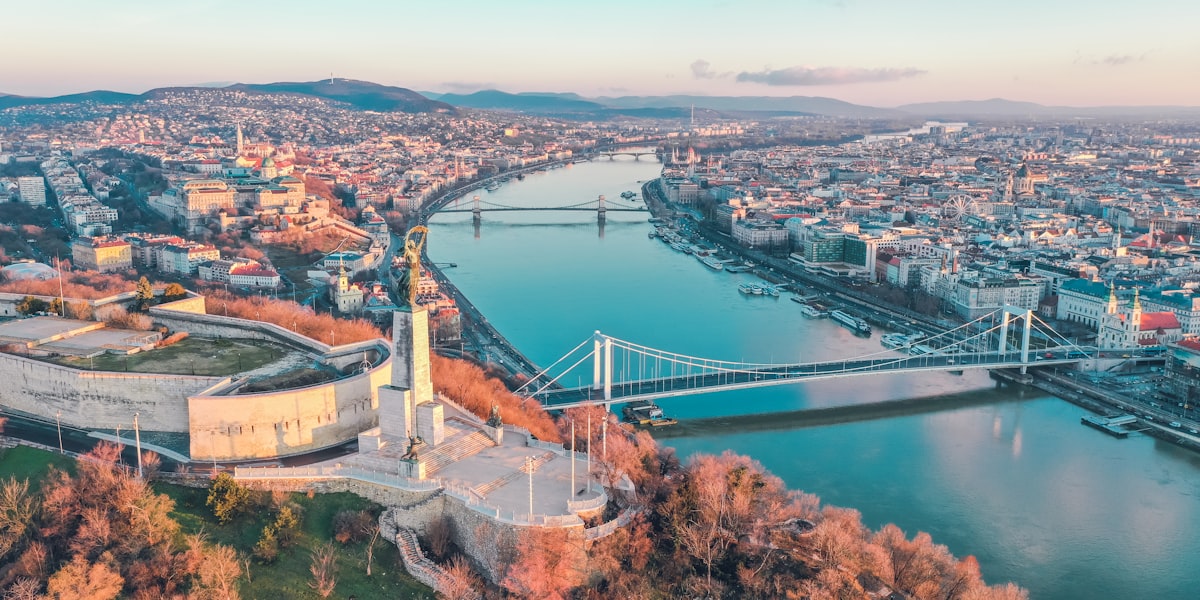
City Guide
Budapest
Hungary · Best time to visit: Apr-Jun, Sep-Oct.
Day-by-day plan
Choose your pace
Reisedauer
09:00
Landmark
Take Bus 16 from Deák Ferenc tér — it climbs Castle Hill and drops you at Szentháromság tér, a one-minute walk from the bastion's white stone arches. At nine the morning sun sets Parliament ablaze in gold across the Danube while the terraces are still nearly empty. Walk every level of the seven neo-Romanesque towers — each archway frames the river and Pest skyline differently — then circle behind Matthias Church to the quiet Tóth Árpád Promenade for an unobstructed panorama without a single selfie stick in your frame.
Tip: The lower terrace is free year-round and delivers nearly identical views to the paid upper level (2,400 HUF / ~€6 in peak season). The best single photo angle is from the free southwest corner where the Chain Bridge and Parliament align in one clean frame. Arrive before 09:30 — by ten the first tour bus wave rolls in and you lose every clean sightline.
Open in Google Maps →10:30
Landmark
Walk south from the bastion through the Castle District's cobblestone lanes — pass the pastel Baroque townhouses on Úri utca and pause at Matthias Church for a photo of its diamond-patterned Zsolnay tile roof (2 minutes, don't go in). In 10 minutes you reach the Habsburg-scale Buda Castle complex. Skip the interior galleries today — the real prize is the eastern balustrade: lean against the stone railing for a sweeping panorama of the Danube, every bridge, and the entire Pest skyline laid out below. Late-morning light now falls squarely on the Pest bank, making it glow.
Tip: Walk to the Lion Courtyard on the castle's northern side for the single most dramatic angle — the Chain Bridge stretches out directly below you, perfectly centered between the stone lions. From here you can also spot Gellért Hill and the Liberty Statue to the south, giving you a mental map of the city you'll use all day.
Open in Google Maps →12:00
Food
Descend from Castle Hill via the grand staircase to Clark Ádám Square, then walk across the Széchenyi Chain Bridge — Budapest's most photogenic crossing, with stone lions at each end and the Pest skyline growing with every step. On the Pest side, continue east through Deák Ferenc tér into the Jewish Quarter — the graffiti-covered courtyards and ruin-bar facades along Kazinczy utca are half the reason to come this way. Total walk: 25 minutes. Bors is a tiny counter-service spot beloved by locals for its wildly creative filled baguettes and thick soups — order at the window, eat standing at the ledge, and keep moving.
Tip: Order the bone marrow baguette with caramelized onion jam and rocket (~1,900 HUF / ~€5) — their signature and worth the detour alone — plus the daily soup (~1,200 HUF / ~€3) for a full lunch under €9. Cash only, no seating — eat at the window ledge or on a bench in the courtyard next door. The line moves fast; even at peak lunch you'll be eating within 10 minutes.
Open in Google Maps →13:00
Landmark
Walk northwest from Bors through the quiet residential streets behind Szabadság tér, then turn left onto the Danube embankment heading north — 20-minute walk total. Eight minutes before Parliament, you'll reach the Shoes on the Danube Bank: sixty pairs of cast-iron shoes marking where people were shot into the river during WWII. Pause here — it is one of the most quietly devastating memorials in Europe, and it will reframe everything you see for the rest of the day. Continue north and the Parliament reveals itself in full Gothic Revival theatre: 691 rooms, a 96-meter dome, and a facade so obsessively detailed you'll keep discovering new carved saints the longer you look. Early afternoon sun lights the western facade directly, turning the limestone ivory-white.
Tip: Stand on the promenade directly south of Parliament, roughly at the Kossuth Lajos tér M tram stop — this is where the full facade, the Danube, and the sky compose into one perfect wide shot. For the classic postcard angle from across the river, hop on Tram 2 one stop to Batthyány tér on the Buda side (3 minutes, covered by your transit pass), but only if you have 15 minutes to spare — the Pest-side view is already stunning.
Open in Google Maps →15:00
Religious
Walk south from Parliament along Alkotmány utca, cutting through Szabadság tér — a leafy square ringed by grand Art Nouveau facades worth a passing glance — then continue down Zrínyi utca, which dead-ends at the basilica's broad neoclassical facade. Twelve-minute walk total. The dome rises 96 meters — intentionally the same height as Parliament, a constitutional statement that church and state stand equal. The afternoon sun warms the western limestone facade to a deep honey gold that photographs beautifully. Circle the entire building to take in its massive footprint, then stand in the pedestrian square out front where the true scale hits you.
Tip: If your legs still have fight in them, pay 2,000 HUF (~€5) for the panoramic terrace elevator to the top of the dome — Budapest's best 360-degree rooftop view without a drink minimum. After the basilica, walk 10 minutes east through Király utca into the Jewish Quarter and duck into Szimpla Kert (Kazinczy u. 14) for a pre-dinner drink — the original ruin bar is surreal in golden hour, its crumbling courtyard strung with mismatched furniture and bathtubs repurposed as planters.
Open in Google Maps →19:00
Food
From Szimpla Kert, walk 5 minutes south on Király utca to Liszt Ferenc Square — a wide, tree-lined pedestrian boulevard humming with café terraces and buskers as the evening settles in. Menza anchors the square, its retro-socialist interior a playful homage to Hungary's Communist-era canteens reimagined with amber lighting and vintage posters. This is where Pest locals bring visiting friends for elevated Hungarian comfort food at prices that would buy you a side dish in Vienna.
Tip: Start with the crispy duck leg with braised red cabbage and potato croquettes (~5,200 HUF / ~€13) — the skin shatters on contact — or the slow-cooked beef pörkölt with house-made nokedli dumplings (~4,800 HUF / ~€12). Finish with túrógombóc, sweet cottage cheese dumplings rolled in buttered breadcrumbs (~1,900 HUF / ~€5). Budget €20–25 per person with a local Dreher draft. No reservation needed on weekdays; weekends book one day ahead online. Warning: the flashy 'Hungarian restaurants' lining Váci utca — Budapest's most famous pedestrian street 15 minutes south — charge triple for half the quality and seat tourists exclusively. If someone on the street hands you a menu flyer, keep walking.
Open in Google Maps →Zu Tag springen
09:00
Landmark
Start your Budapest story at the most magnificent parliament in Europe. The 09:00 English-language guided tour lets you inside before the midday crowds descend — you'll walk through the vaulted Grand Staircase, stand beneath the 96-metre dome, and see the Holy Crown of Hungary in near-silence. Morning light floods the stained glass from the east, turning the interior into a cathedral of gold.
Tip: Book tickets online at jfrgy.hu at least 3 days ahead — the 09:00 English slot sells out fast. Enter from the Visitor Centre on Kossuth tér's north side, not the main facade. Tours may be cancelled on parliamentary sitting days; check the calendar before your trip.
Open in Google Maps →11:00
Religious
Walk south along the Danube embankment from Parliament — after 5 minutes you'll pass the Shoes on the Danube Bank, a haunting iron memorial worth a quiet moment. Then turn inland on Zrínyi utca, where the Basilica's neoclassical dome rises ahead. By 11:00 the first tour-bus wave has passed but the dome terrace is still uncrowded — climb the 364 steps or take the lift for a 360-degree panorama that puts all of Budapest at your feet. Inside, find the golden reliquary holding the mummified right hand of St. Stephen, Hungary's founding king.
Tip: The church itself asks a small donation (€2); the dome climb costs €4. Take the panoramic lift if your legs are tired — the view is identical. For photos, the south-facing terrace gives you Parliament and the river in one frame.
Open in Google Maps →12:30
Food
Step out of the Basilica's south exit and walk one block to Sas utca — Café Kör is the kind of unpretentious neighbourhood bistro that Budapest does brilliantly. Locals pack this tiny dining room for honest Hungarian cooking at honest prices. Order the gulyásleves (beef goulash soup, €5) to start, then the chicken paprikash with hand-pinched nokedli dumplings (€11). The portions are enormous and the paprika is the real thing — smoky, warm, and nothing like the supermarket version.
Tip: No reservations for lunch — arrive right at 12:30. By 13:00 every table is taken and the queue spills onto the street. Cash is preferred though cards are accepted. Ask for the daily fish special if it's on the chalkboard; they source it fresh from Lake Balaton.
Open in Google Maps →14:00
Shopping
Walk south from Café Kör along Váci utca, Pest's main pedestrian boulevard — it's touristy but the architecture above the shopfronts is worth looking up at. After 15 minutes you'll see the neo-Gothic iron roof of the Central Market Hall ahead. The ground floor is where Budapest does its grocery shopping: mountains of paprika, strings of dried sausage, jars of acacia honey. Head upstairs to the mezzanine back corner for a fried lángos (deep-fried dough with sour cream and cheese, €3) — the undisputed king of Hungarian street food.
Tip: Closed on Sundays. The ground-floor paprika vendors near the main entrance charge triple — walk to the far end of the hall where locals shop and buy the same Szeged sweet paprika for €3 instead of €9. Tin boxes make the best souvenir; they're airtight and stack flat in your luggage.
Open in Google Maps →15:30
Religious
Walk north from the market along Múzeum körút for 10 minutes, then turn right on Dohány utca — the twin Moorish-Byzantine towers are unmistakable. This is the largest synagogue in Europe and the second-largest in the world. Afternoon light streams through the rose window, painting the interior in reds and blues. The guided tour takes you through the main sanctuary, the Heroes' Temple, and the Raoul Wallenberg Memorial Garden with its weeping willow tree of remembrance — each silver leaf engraved with a name. It is one of the most moving memorials in Europe.
Tip: Closed on Saturdays and Jewish holidays. Buy the combo ticket (€14) that includes the Jewish Museum next door — it adds only 20 minutes and the collection of ceremonial objects is extraordinary. Photography is allowed without flash. Men are given a paper kippah at entry.
Open in Google Maps →19:00
Food
Walk 5 minutes north through the Jewish Quarter's graffiti-covered courtyards — past Szimpla Kert (peek inside the famous ruin bar if the queue is short) — to Mazel Tov on Akácfa utca. This converted courtyard space is draped in fairy lights and greenery, with a soaring glass canopy that makes it feel like dining in a garden even in winter. Order the lamb kofta with tahini (€13) and the shakshuka for sharing (€9). Pair everything with a Furmint dry white from Tokaj — €4 a glass and the best-value wine pairing in Budapest.
Tip: Reserve online 2-3 days ahead and request a courtyard table. Without a booking, arrive at 18:30 — the 19:00 rush fills every seat. After dinner, Szimpla Kert is a 2-minute walk for drinks, but avoid eating there — overpriced, tourist-trap quality. Any restaurant on Kazinczy utca with a laminated photo menu is a hard pass.
Open in Google Maps →09:00
Landmark
Take bus 16 from Deák Ferenc tér to Szentháromság tér on Castle Hill — a 10-minute ride that saves you the steep climb first thing in the morning. At 09:00 the white neo-Romanesque turrets are bathed in warm eastern light and you'll share the terraces with a handful of early risers instead of the midday selfie crowds. The view from the upper terrace is the defining panorama of Budapest: Parliament, Chain Bridge, and the Danube in one sweeping frame. Walk along all seven turrets — each represents one of the Magyar tribes that founded Hungary.
Tip: The upper terrace charges €3 from March to October between 09:00-19:00, but the lower terrace is always free and the view is nearly identical — most visitors don't realise this. For the classic Parliament-framed-by-turrets photo, stand at the south end of the upper terrace and shoot through the pointed arches.
Open in Google Maps →10:00
Religious
Step through the archway at the south end of Fisherman's Bastion — Matthias Church is 30 seconds away, its diamond-patterned Zsolnay ceramic roof tiles glinting in the mid-morning sun. Inside, every surface is covered in painted geometric patterns that feel more Ottoman than Gothic — a visual record of Budapest's centuries under Turkish rule. The church has crowned Hungarian kings since the 13th century, and the acoustics are so extraordinary that organ concerts are held here regularly. Climb the narrow spiral staircase to the gallery for a view down into the painted nave.
Tip: Check the church website for service times — it closes to tourists during Mass (usually Sunday mornings and some weekday evenings). The Zsolnay roof tiles are best photographed from the south side of Szentháromság tér around 10:00-11:00 when direct sun hits the coloured ceramic.
Open in Google Maps →11:15
Landmark
Walk south along the Castle District's cobblestone spine — take Úri utca, lined with pastel-coloured medieval houses and almost no tourists compared to the main road. After 10 minutes you'll reach the vast Baroque bulk of Buda Castle. Walk through the Habsburg-era courtyards to the eastern terrace for a face-on view of Pest that rivals the Fisherman's Bastion panorama but with almost no one around. The Turul bird statue at the northern gate and the Matthias Fountain on the western facade are the two sculptures worth lingering at.
Tip: The castle grounds and terraces are free and open 24 hours — it's the views you're here for. If you want to enter the Hungarian National Gallery inside, tickets are €8 and the 19th-century painting hall (Munkácsy, Szinyei Merse) is the highlight. Take the terrace near the funicular upper station for one last panoramic shot before heading down.
Open in Google Maps →13:00
Food
Walk back north through the Castle District for 8 minutes to Országház utca, a quieter street behind Matthias Church. Baltazár is a neighbourhood grill that happens to be on Castle Hill — the kitchen is serious about sourcing, and you can see the open charcoal grill from your table. The Baltazár burger with mangalica pork and smoked cheese (€12) is legendary, or go for the duck leg confit with braised red cabbage (€16). Ask for a glass of Villányi Franc (€5), a Hungarian red that could hold its own against any Bordeaux.
Tip: Lunch service is relaxed — walk in at 13:00 and you'll get a table immediately. If the weather is good, grab the small terrace out front; you'll look directly at Fisherman's Bastion without a single selfie stick in the way.
Open in Google Maps →14:30
Entertainment
Take bus 16 back down from Castle Hill to Deák tér, then hop on the M1 metro — continental Europe's oldest underground line — four stops to Széchenyi fürdő. Walk through the grand neo-Baroque entrance of the largest thermal bath complex in Europe. The afternoon is the sweet spot: morning lap-swimmers have left, evening crowds haven't arrived, and the outdoor pools steam dramatically in the open air. Soak in the 38°C main outdoor pool — the chess-playing pensioners in the corner have been coming every day for decades. Work your way through the 18 pools from cool plunge to the hottest thermal chamber. This is not a spa day; this is how Budapest has lived for 500 years.
Tip: Buy tickets online at szechenyibath.hu — the locker ticket (€22) is perfectly fine; the private cabin (€28) adds a changing room you won't use after the first 5 minutes. Bring your own towel and flip-flops to save on rentals. Avoid Saturdays when sparties (pool parties) take over the outdoor pools after dark.
Open in Google Maps →19:00
Food
Walk from the baths back to the M1 metro and ride three stops to Oktogon, then stroll one block south to Liszt Ferenc tér — a leafy square lined with terraces that comes alive at dusk. Menza is a love letter to 1970s Hungarian canteen culture reimagined with proper cooking: retro furniture, enamel plates, and patterned wallpaper. Order the Wiener schnitzel pounded impossibly thin with cucumber salad (€12) or the roast duck leg with steamed red cabbage and plum sauce (€15). Finish with a túrógombóc — sweet curd dumplings rolled in buttered breadcrumbs (€5) that you'll dream about on the flight home.
Tip: Reserve a terrace table for 19:00 — the square faces west and catches the last golden light. The Unicum Spritz (€6) uses Hungary's famously bitter herbal liqueur and actually makes it drinkable. After dinner, walk 10 minutes down Andrássy Avenue toward the Danube for a night view of the illuminated Parliament — the last image of Budapest you want to carry home. Skip the Váci utca souvenir shops; everything there costs triple what you paid at the Central Market Hall.
Open in Google Maps →Zu Tag springen
09:00
Landmark
Book the first 10:00 English-language guided tour online at jfryllatogato.hu and arrive at 09:00 for security screening at the Kossuth Lajos tér entrance. The neo-Gothic interior holds 40 kilograms of gold leaf; the Crown Jewels hall beneath the 96-meter dome — its height symbolizing 896 AD, the founding year of Hungary — is the emotional peak. Morning sun floods through the eastern stained glass, lighting the gilded chambers at angles that afternoon tours never see.
Tip: Buy tickets at least 2 days ahead — the 10:00 English tour sells out first. EU citizens under 24 enter free with ID. Save the exterior riverside photo for Day 2: the facade is best captured from the Batthyány tér side across the Danube in Buda, lit by morning sun.
Open in Google Maps →11:30
Religious
Exit Parliament south along the Danube embankment — in 12 minutes you will pass the Shoes on the Danube Bank, sixty pairs of iron shoes marking where Arrow Cross militiamen shot victims into the river in 1944; pause here. Turn east on Zrínyi utca where the Basilica dome rises perfectly framed at the end of the street. Take the elevator to the dome terrace for the best 360° panorama on the Pest side — before noon the platform is uncrowded and the light strikes Buda Castle across the river at its warmest.
Tip: The church interior is free to enter; only the dome terrace costs about €6. The dome panorama beats every paid observation deck in the city for half the price and a tenth of the queue. Avoid the ground-level treasury exhibit unless you have a strong interest in ecclesiastical relics — it is small and not worth the separate ticket.
Open in Google Maps →13:00
Food
Walk 3 minutes east from the Basilica on Sas utca. Café Kör is the no-frills lunchtime canteen of Budapest's downtown office workers — small, loud, always full, and exactly the kind of place you would never find without a local. The daily beef stew (marha pörkölt, ~€8) with nokedli dumplings is rich and smoky with Hungarian paprika; the crispy duck leg with braised red cabbage (~€11) is the other sure bet. Arrive by 12:45 to beat the 13:00 rush. Budget €12–18.
Tip: Cash only — no card machine. Portions are generous; skip the appetizer. If the daily special is pike-perch (süllő), order it without hesitation — it is Hungary's best freshwater fish and appears on the board only when the catch is fresh.
Open in Google Maps →14:30
Shopping
Walk south from Café Kör along the pedestrianized Váci utca for 15 minutes — lively but largely skippable for shopping. At the southern end, the neo-Gothic iron-and-glass Central Market Hall appears on your left, looking like a cathedral devoted to food. The ground floor is the real show: mountains of smoked paprika, chains of dried sausage, jars of goose liver. Head upstairs only briefly for a lángos (fried dough with sour cream and cheese, ~€3) — the rest of the upper level is tourist-oriented.
Tip: Closed Sundays; Monday hours are short (6:00–17:00). The best paprika comes from Szeged or Kalocsa — look for tin packaging with a PDO label, not the decorative fabric bags sold at eye level (those are stale tourist bait at triple the price). The ground-floor vendors near the back sell the same products for 30% less than those near the entrance.
Open in Google Maps →19:00
Food
Walk 20 minutes north through Pest's inner streets to Liszt Ferenc tér — a leafy pedestrian square lined with café terraces that becomes Budapest's outdoor living room after dark. Menza sits at the north end with a retro-socialist interior paying loving tribute to 1970s Hungary. The chicken paprikash with homemade csipetke pasta (€10) is the Hungarian grandmother's recipe done perfectly; the Wiener schnitzel (€12) is pounded thin and fried golden. Budget €15–22 with a glass of Hungarian wine.
Tip: Reserve a terrace table if the weather is warm. After dinner, walk one block east to Kazinczy utca for a preview of the ruin bars — Szimpla Kert is a 5-minute walk. Avoid the restaurants directly on Váci utca — they target tourists with multilingual photo menus, aggressive sidewalk touts, and prices double what you'd pay one block away for better food.
Open in Google Maps →09:00
Landmark
Take bus 16 from Deák Ferenc tér directly up to the Castle District, or walk across Chain Bridge and ride the funicular. Arrive at Fisherman's Bastion by 09:00 when the upper terraces open and tour groups have not yet arrived. The seven neo-Romanesque towers frame Budapest's most iconic panorama — Parliament directly across the river, lit golden by morning sun rising behind you. Then step into Matthias Church through the side arch: the interior is covered floor-to-ceiling in Zsolnay ceramic tiles and jewel-toned geometric patterns unlike any church you have seen.
Tip: The upper terrace charges about €6 during the day but is free before 09:00 and after 19:00 — for a sunrise photo, arrive at dawn and pay nothing. Matthias Church is about €6 separately. The lower terrace is always free and gives nearly the same view, just three meters lower. Photograph Parliament with a telephoto lens from the central arch for the classic postcard shot.
Open in Google Maps →11:30
Museum
Walk south from Matthias Church through the Castle District's quiet cobblestone streets for 10 minutes — pastel baroque houses, the medieval Jewish prayer house, and sudden glimpses of the Danube between buildings. The massive Habsburg-era palace now houses the Hungarian National Gallery, where the real treasures are upstairs: Munkácsy's dramatic biblical canvases and Csontváry's hallucinatory landscapes rival anything in Western European museums but attract a fraction of the visitors. The castle courtyard itself offers sweeping views south toward Gellért Hill.
Tip: Start on the top floor and work downward — the best paintings are upstairs and your energy is highest first. Closed Mondays. The castle exterior and courtyards are free; only the gallery requires a ticket. Skip the Castle Museum in Wing E unless you have a specific interest in medieval archaeology — it is dry and poorly labeled.
Open in Google Maps →13:30
Food
Walk back north through the Castle District for 8 minutes to Országház utca. Baltazár is a boutique hotel restaurant that Castle District locals actually frequent — a rare find in an area overrun with tourist traps. The dry-aged beef burger with truffle mayo and hand-cut fries (€12) is the best burger in Budapest. For something more Hungarian, the mangalica pork collar steak (€16) — from Hungary's indigenous curly-haired pig — is tender, smoky, and nothing like ordinary pork. Budget €14–20.
Tip: No reservation needed for lunch — the terrace fills up only at dinner. Ask for a table on the small terrace overlooking the cobblestone street. The Hungarian craft beer selection is excellent; try a Fóti or Mad Scientist IPA on draft.
Open in Google Maps →15:00
Landmark
Walk south from the Castle District through the tranquil Tabán park, descending under the castle walls — a 15-minute stroll through one of the quietest green spaces in the city center. At the base of Gellért Hill, take the eastern path (gentler gradient than the south side) for a 20-minute forested climb to the Citadella, where the Liberation Statue stands 235 meters above the Danube. The late-afternoon panorama from the summit is arguably Budapest's finest: the river, the bridges, Parliament, the Castle you just left — all laid out in softening golden-hour light.
Tip: The viewpoint and Liberty Statue are always free and accessible. Wear comfortable shoes — the path is uneven stone. Descend via the south side toward Liberty Bridge for a different angle, then cross the bridge on foot as the city lights come on — this 10-minute bridge crossing at dusk is one of Budapest's most underrated experiences.
Open in Google Maps →19:30
Food
Cross Liberty Bridge into Pest — the bridge at twilight, with illuminated Gellért Hill behind you, is stunning. Walk north along the embankment 10 minutes to Sas utca. Borkonyha holds one Michelin star and remains Budapest's best showcase for modern Hungarian cuisine at prices unthinkable in Paris. The duck liver with caramelized apple and Tokaji wine jelly (€14) is extraordinary; follow with the mangalica pork cheek braised in red wine (€22) or pike-perch with beetroot and horseradish (€20). Pair with an Egri Bikavér. Budget €35–50 with wine.
Tip: Reserve at least 3 days ahead — tables fill fast Thursday through Saturday. Request a ground-floor seat. Avoid the cluster of terrace restaurants along the Pest-side Danube promenade between Chain Bridge and Elizabeth Bridge — they charge tourist prices for mediocre food, and the aggressive touts outside are a reliable sign of what awaits inside.
Open in Google Maps →09:00
Entertainment
Take the M1 metro — continental Europe's oldest underground railway, built in 1896 — from Deák Ferenc tér to Széchenyi fürdő station; you surface directly at the entrance. At 09:00 the outdoor pool is at its most magical: steam curls off the turquoise water in the morning air, elderly regulars play chess on floating boards, and sunlight slants across the neo-Baroque facade. Rent a cabin (€2 more than a locker, worth it for privacy). Spend most of your time in the large outdoor thermal pool at 38°C — the indoor pools are atmospheric but secondary.
Tip: Bring your own towel and flip-flops. Weekday mornings are quietest; by 11:00 on weekends it becomes a party. The thermal water is mineral-rich — don't wear your favorite swimsuit, as it may discolor over time. Skip the additional spa services; they are overpriced and the real experience is the pools and the people.
Open in Google Maps →12:30
Food
Exit the baths and walk 3 minutes south through City Park to the most storied restaurant in Hungary, standing at this spot since 1894. The Gundel palacsinta — a chocolate-walnut crêpe flambéed tableside in rum sauce (~€8) — was invented here and remains the signature. For the main, order the pike-perch fillet with dill sauce (~€22) or the weekday set menu (two courses, ~€18) which offers outstanding value. The dining room is old-world elegant with white tablecloths and garden views.
Tip: The weekday set menu is half the price of the à la carte dinner for nearly the same quality — order it without hesitation. Reserve a garden table in warm weather. On your way out, walk through Heroes' Square for a quick photo of the Millennium Monument, and glance at the fairy-tale turrets of Vajdahunyad Castle across the pond — a 10-minute detour before heading south.
Open in Google Maps →14:30
Religious
Walk south from City Park through Heroes' Square, then 20 minutes down Andrássy Avenue — a UNESCO World Heritage boulevard lined with neo-Renaissance palaces — or take the M1 metro three stops to Astoria and walk 5 minutes north. The Great Synagogue is the largest in Europe, its Moorish Revival facade unmistakable in red and yellow brick. Inside, the triple-naved sanctuary seats 3,000 under gilded ornamentation. In the rear garden, the Emanuel Tree — a weeping willow in steel with each leaf inscribed with a victim's name — is one of Budapest's most quietly devastating memorials.
Tip: Closed Saturdays and Jewish holidays. The ticket includes the synagogue, the Jewish Museum, and the memorial garden — all worth seeing. Guided tours depart every 30 minutes; the 15:00 English tour is less crowded than the morning ones. Photography is allowed inside without flash.
Open in Google Maps →16:30
Entertainment
Walk 5 minutes north through the Jewish Quarter's narrow streets to Kazinczy utca 14. Szimpla Kert is the original ruin bar — the derelict building that launched Budapest's most famous cultural movement in 2002. In the late afternoon it is mellow enough to explore: a labyrinth of rooms filled with mismatched furniture, bathtubs repurposed as seating, walls layered in street art, and a roofless courtyard where vines grow through crumbling plaster. Order a fröccs (wine spritzer, ~€2) and wander the floors. On Sundays the courtyard hosts a farmers' market.
Tip: Visit before 18:00 to experience Szimpla as a daytime gallery-café rather than a packed nightclub. Drinks are cheap (beer ~€2, cocktails ~€5). If someone on the street offers you a 'pub crawl' ticket, decline — every ruin bar is free to enter. Wander Kazinczy utca and Akácfa utca between now and dinner; these two blocks are the beating heart of the Jewish Quarter.
Open in Google Maps →19:00
Food
Walk 3 minutes east on Akácfa utca to number 47. Mazel Tov occupies a converted courtyard strung with lights and draped in greenery — it feels like dining in a secret garden. The hummus with smoked eggplant (€6) is the best in the city, the lamb shawarma plate with tahini and fresh pita (€14) is the signature, and the shakshuka (€10) is perfect if you want something lighter after a day of thermal pools and wandering. The atmosphere shifts from relaxed dinner to lively bar around 21:00. Budget €15–22.
Tip: No reservations for groups under 6 — arrive at 18:45 for a courtyard table before the 19:30 wave. If the wait is long, Kőleves Vendéglő (Kazinczy u. 37, one block north) is a reliable backup with hearty Hungarian-Jewish comfort food. Avoid exchanging money at the 'Currency Exchange' shops on Váci utca or near Deák tér — their rates are Budapest's worst. Use ATMs from major banks (OTP, Erste) and always choose to be charged in forints, never your home currency.
Open in Google Maps →Zu Tag springen
09:00
Landmark
Take Bus 16 from Deák Ferenc tér to Szentháromság tér — it climbs Castle Hill and drops you one minute from the bastion's white stone arches. At nine in the morning the sun rises behind you and sets the Parliament Building ablaze in gold across the Danube, while the neo-Romanesque terraces are still nearly empty. Walk the full length of the seven turrets slowly — each archway reframes the river and the Pest skyline differently, and the silence at this hour makes the panorama feel like it belongs to you alone.
Tip: The lower terrace is free year-round and delivers nearly identical views to the paid upper turrets (2,400 HUF / ~€6 in peak season). The single best photo angle is from the free southwest corner where the Chain Bridge and Parliament align in one clean frame. By 10:30 the first tour-bus wave rolls in and every clean sightline vanishes — start here, not at the church.
Open in Google Maps →10:15
Religious
Step thirty meters south from the Bastion into a church whose diamond-patterned Zsolnay tile roof you have already been admiring from above. The interior is a revelation: every wall and column is painted in geometric folk motifs that feel more Ottoman than Gothic, a legacy of the 150 years it served as a mosque. Mid-morning light through the rose window illuminates the nave at its most vivid, and the gallery level lets you study the ceiling frescoes from arm's length.
Tip: Buy the combined ticket (3,200 HUF / ~€8) at the entrance — it includes gallery-level access that most visitors skip. Monday and Tuesday mornings are quietest. The Zsolnay tile roof is best photographed from the terrace of Fisherman's Bastion you just left, so make sure you already took that shot. Inside, look for the Loreto Chapel with its Black Madonna — one of the church's oldest surviving pieces.
Open in Google Maps →12:00
Food
Walk one minute north from Matthias Church along Országház utca to this gastropub hiding in plain sight in the Castle District. Baltazár doubles as a boutique hotel, so the kitchen runs with clockwork consistency that tourist-trap restaurants on this hill cannot match. The wagyu burger with truffle mayo (4,800 HUF / ~€12) is the best burger on Castle Hill — no contest — and the duck-leg confit with braised red cabbage (5,600 HUF / ~€14) is pure Hungarian soul food. Budget €12–18.
Tip: Arrive right at noon to claim a terrace table without waiting — by 12:30 hotel guests and in-the-know locals fill the small outdoor space. The daily lunch special (around €10) rotates and is always a safe bet. Whatever you do, skip the tourist restaurants lining Tárnok utca two blocks east — they charge triple for frozen-and-reheated goulash that no Hungarian would touch.
Open in Google Maps →14:00
Museum
Walk ten minutes south along the castle walls past the Sándor Palace — the President's residence, where you may catch the ceremonial guard change on the hour — and descend the steps to the Royal Palace's Lion Gate entrance. The National Gallery spans eight centuries of Hungarian art across four wings; head straight to the second floor for Munkácsy's enormous dramatic canvases and Csontváry's hallucinatory Mediterranean landscapes, two painters who are genuinely world-class and criminally unknown outside Hungary. Afternoon sun streaming through the Danube-facing windows bathes the painting halls in warm light that makes the gold frames glow.
Tip: Closed on Mondays. Enter through Building D at the Lion Gate — it is far less crowded than the main entrance on the opposite side. Don't miss the rooftop terrace on the top floor: it offers a free panoramic view of the Danube, Gellért Hill, and the bridges that most visitors walk right past. The permanent collection is free; only temporary exhibitions charge admission (~3,200 HUF / ~€8).
Open in Google Maps →19:30
Food
Walk fifteen minutes downhill from the castle through the Vienna Gate and the quiet cobblestone streets of Víziváros — the residential quarter below Castle Hill that tourists rarely enter. Csalogány utca is a hushed side street where this understated 30-seat bistro has been a pilgrimage for Budapest food lovers for over two decades. The seasonal tasting menu (€32) changes weekly and sources from Hungarian small farms, but à la carte the mangalica pork belly with celeriac purée (6,800 HUF / ~€17) and the pike-perch with dill foam (7,200 HUF / ~€18) define what modern Hungarian cooking can be. The wine list is deep and exclusively Hungarian — let the waiter choose. Budget €25–35.
Tip: Reserve at least two days ahead — there are only 30 seats and no walk-in culture. Ask for a window table. The biggest trap in this neighbourhood is the row of mediocre restaurants along Fő utca near Batthyány tér, where tourist menus are printed in six languages and the goulash comes from a packet. Walk two blocks west to Csalogány utca instead — you have just entered a different universe of food.
Open in Google Maps →09:00
Landmark
Cross the Széchenyi Chain Bridge from the Buda side — the morning walk across the Danube is itself worth the trip, with Buda Castle receding behind you and Parliament's Gothic Revival spires growing larger with every step. Book the first 10:00 English-language guided tour and arrive at 09:00 for the security screening at the Kossuth Lajos tér entrance. The interior is staggering: 40 kilograms of gold leaf cover the vaulted ceilings, the hexadecagonal central hall shelters the Crown Jewels under a 96-metre dome whose height deliberately matches St. Stephen's Basilica — a constitutional statement that church and state stand equal. Morning sun floods through the eastern stained glass at angles that afternoon tours never see.
Tip: Buy tickets online at least 3 days ahead — the 10:00 English tour sells out first. EU citizens under 24 enter free with ID; non-EU adult tickets are about 6,400 HUF (~€16). After the tour, walk five minutes south along the embankment to the Shoes on the Danube Bank — sixty pairs of iron shoes marking where Arrow Cross militiamen shot hundreds into the river in 1944–45. It is Budapest's most quietly devastating sight and should not be rushed.
Open in Google Maps →11:30
Religious
From the Shoes memorial, walk twelve minutes south through elegant Szabadság tér — pause to notice the Art Nouveau buildings ringing the square and the controversial Soviet liberation monument — then continue down Zrínyi utca, which dead-ends with the Basilica's neoclassical dome rising perfectly framed at the end of the street. The interior is more restrained than Matthias Church but no less impressive: the apse mosaic gleams in late-morning light. Take the elevator (or climb 364 steps) to the dome terrace for the best 360-degree rooftop view in Pest — less crowded and more intimate than any observation deck.
Tip: The church interior is free; the dome terrace (2,000 HUF / ~€5) and treasury (800 HUF / ~€2) are separate tickets. The dome closes in high wind and rain — check the weather before climbing. If you want to see the mummified right hand of St. Stephen, Hungary's most revered relic, it is in the chapel to the left of the altar; they illuminate it for a small coin donation.
Open in Google Maps →13:00
Food
Exit the Basilica's main entrance and walk three minutes east down Sas utca to this no-frills Hungarian bistro that has been feeding downtown workers since the early 1990s. The menu is handwritten daily on a chalkboard, the tables are tight, and the noise level is lively — this is exactly the kind of place you would never find without a local pointing the way. The gulyásleves — real goulash soup, brick-red and paprika-heavy, not the tourist version — is 1,600 HUF (~€4) and could be lunch on its own. Follow it with the chicken paprikás with hand-pinched nokedli dumplings (3,600 HUF / ~€9), a textbook rendition. Budget €10–15.
Tip: Cash preferred, no reservations taken. Arrive right at 13:00 — by 13:15 every table is full and you will wait. Portions are enormous; one soup and one main is plenty. If the daily special is pike-perch (süllő), order it without hesitation — Hungary's best freshwater fish, and it only appears when the catch is fresh.
Open in Google Maps →14:30
Religious
Walk twelve minutes east from Café Kör along Dob utca into the heart of the old Jewish Quarter — the street art on crumbling courtyards and the ruin-bar facades you pass are worth slowing down for. The Dohány Street Synagogue is the largest in Europe and second-largest in the world, a Moorish Revival monument whose twin onion-domed towers are visible blocks before you arrive. The three-nave interior seats 3,000 and feels more like a cathedral than a synagogue. In the rear courtyard, the Tree of Life memorial — a weeping willow sculpted in steel, each leaf inscribed with a victim's name — is one of the most moving monuments in Budapest.
Tip: Closed on Saturdays and Jewish holidays — plan accordingly. The ticket (6,000 HUF / ~€15) includes a guided tour and access to the Jewish Museum next door; don't skip the museum, it adds only 30 minutes and is excellent. Afternoons are quieter than mornings. Men receive a kippah at the entrance. The Holocaust memorial garden behind the synagogue is included in the ticket and should not be rushed.
Open in Google Maps →19:30
Food
Walk fifteen minutes west from the Synagogue through the Jewish Quarter along Király utca — in the evening, the ruin-bar courtyards you pass begin to glow and hum with Budapest's famous nightlife, a spectacle worth absorbing even if you do not stop. Borkonyha, tucked on quiet Sas utca near the Basilica, holds a Michelin star but feels like the smartest dinner party you have ever attended. The wine list — over 200 labels, all Hungarian — is the beating heart of this place; let the sommelier guide you through a Villány red or a volcanic Furmint you have never heard of. The foie gras with Tokaji reduction (5,600 HUF / ~€14) is transcendent, and the veal cheeks braised with root vegetables (8,800 HUF / ~€22) define modern Hungarian cooking at its peak. Budget €30–45.
Tip: Reserve at least a week ahead — this is Budapest's hardest dinner reservation. Request the ground-floor room for atmosphere; the upstairs overflow room is less charming. The tourist trap to avoid tonight: the overpriced 'Hungarian dinner and folklore show' restaurants along Váci utca, where you will pay three times more for food that no self-respecting cook in this city would serve. Borkonyha is one block away and a different galaxy.
Open in Google Maps →09:00
Entertainment
Take the M1 metro — continental Europe's oldest underground line, itself a UNESCO site — from Vörösmarty tér to Széchenyi fürdő station; you exit directly into City Park. The neo-Baroque bath complex, mustard-yellow and palatial, is Budapest's most iconic. Arrive at opening: the grand outdoor pool is nearly empty, steam rises off the 38°C thermal water in the cool morning air, and the scene photographs itself. Start in the hottest indoor thermal pool to loosen up, then alternate between the three outdoor pools at your own pace — the chess-playing old men in the water are not a cliché, they are here every morning and they are dead serious.
Tip: Buy tickets online to skip the queue — the morning slot fills fast on weekends. Rent a private cabin (2,000 HUF / ~€5 extra) rather than a locker; the comfort is worth every forint. Bring your own towel and flip-flops. The outdoor pools face west, so the sun hits the water perfectly for photos by mid-morning. Avoid Saturdays entirely — locals come in force and the pools are shoulder-to-shoulder by 11:00.
Open in Google Maps →12:30
Food
Exit through the main gate and walk five minutes south through City Park — the path takes you past Vajdahunyad Castle's fairy-tale turrets reflected in the boating lake, a scene so theatrical it looks staged. Bagolyvár sits just off the park in a warm, wood-panelled dining room that has been the neighbourhood's lunch canteen for decades. The töltött káposzta — stuffed cabbage rolls with sour cream, a dish so Hungarian it practically has a passport — is 3,200 HUF (~€8) and comes in farmhand-sized portions. The chicken paprikás with nokedli (3,600 HUF / ~€9) is the benchmark version you will measure all others against. Budget €8–14.
Tip: This is the casual sibling of the famous Gundel restaurant next door — same kitchen quality, a third of the price. Locals know this; tourists walk past to Gundel and pay €40 for the same ingredients with a tablecloth surcharge. No reservation needed for weekday lunch. Try the túrós csusza (cottage cheese pasta with crispy bacon, ~€6) if it is on the specials board.
Open in Google Maps →14:00
Museum
Walk ten minutes west through City Park toward the lake, past joggers and families on the gravel paths. You will see the building before you understand it: a floating perforated-gold roof resting on glass walls that dissolve the boundary between park and interior, designed by Sou Fujimoto and opened in 2022. Inside, the permanent exhibition uses spatial sound domes to immerse you in everything from Bartók's string quartets to Hungarian folk recordings to electronic music — you do not look at exhibits here, you stand inside the sound. The architecture is half the experience; take your time on the ground floor watching light patterns shift through the organic ceiling perforations.
Tip: The sound domes on the upper floor are the highlight — budget at least 20 minutes there with eyes closed. Tuesdays and Wednesdays are quietest. The rooftop terrace is free to access even without a museum ticket, but from inside, the experience of emerging onto it is seamless. Photography is allowed everywhere; the ground-floor looking-up shot through the perforated canopy is the one you will want.
Open in Google Maps →16:30
Landmark
Walk ten minutes north back through the park to the grand semicircular colonnade of Heroes' Square. This timing is deliberate: in the late afternoon the sun drops behind you and the Millennium Monument's Archangel Gabriel catches the golden light at the perfect angle, while the morning tour buses have long departed and the vast open space feels properly monumental. The seven mounted chieftains on their bronze horses, the allegorical figures of War and Peace and Knowledge — take your time reading the history carved into the plinths. Stand at the centre of the colonnade and look back down Andrássy Avenue: the perspective stretches in a perfect vanishing point for nearly three kilometres.
Tip: The best single photo is taken from the dead centre of the square looking toward the Millennium Monument with the colonnade wings sweeping out on either side — late afternoon light makes this shot. The Museum of Fine Arts (left) and Műcsarnok Hall of Art (right) flank the square and are worth noting for a return trip, but today save your energy for the walk back into the city.
Open in Google Maps →19:30
Food
Walk twenty minutes down Andrássy Avenue — Budapest's answer to the Champs-Élysées — as the neo-Renaissance mansions catch the last evening light. Pass the ornate State Opera House (note the facade for a future evening), then turn left at the Liszt Academy of Music onto Liszt Ferenc tér, a pedestrian square lined with café terraces humming with the early-evening crowd. Menza anchors the south side; the name means 'canteen' and the retro-socialist décor is deliberate — amber lighting, vintage posters, Formica tables — reimagining Hungary's Communist-era cafeterias with actual good food. The Wiener schnitzel (4,000 HUF / ~€10) is pounded thin and fried to a golden shatter. The Hortobágyi palacsinta — savoury pancake stuffed with braised veal (2,800 HUF / ~€7) — is the dish that converts skeptics into Hungarian food obsessives. Budget €12–20.
Tip: Sit outside on the square if weather allows — Liszt Ferenc tér is one of Budapest's most atmospheric evening spots and the people-watching is first-rate. Ask for the daily specials board; the túrós csusza sometimes appears. The cocktail bars sharing this square charge €12 for drinks that cost €4 everywhere else — they survive on tourist overflow from the terrace seats. If you want a nightcap, walk five minutes northeast to Szimpla Kert on Kazinczy utca, the original ruin bar, which is worth seeing once even if you never go back.
Open in Google Maps →09:30
Park
Take Tram 4 or 6 to Margaret Bridge and walk onto the island from the southern tip — the moment you step off the road, the city disappears. This 2.5-kilometre sliver of green in the middle of the Danube is where Budapest comes to breathe. Walk north along the shaded central path past the medieval Dominican convent ruins, through the Rose Garden — in spring and early summer the scent is overwhelming — and find the Japanese Garden: a hidden pool of calm with a small waterfall and red wooden bridge that most tourists never reach. The musical fountain near the southern tip plays classical pieces on the hour, its jets choreographed to the music.
Tip: The island is car-free — if your legs are tired from three days of walking, rent a four-person pedal cart near the southern entrance (~€8/hour) and cover the island at a lazy pace. The musical fountain runs hourly from 10:00; time your return walk south to catch one performance. Mornings belong to runners and dog-walkers; by afternoon, picnicking families claim every bench. Come now for the quietest version of the island.
Open in Google Maps →11:30
Neighborhood
Cross back over Margaret Bridge to the Pest side and turn right into Újlipótváros — District XIII, the neighbourhood that never appears in guidebooks and never will. Walk south down Pozsonyi út, a tree-lined boulevard where every ground floor is a local bakery, wine bar, or secondhand bookshop. The architecture is gorgeous — Bauhaus and Art Deco facades, untouched and unrestored, with ironwork balconies that belong in a Wes Anderson film. This is where Budapest's young professionals live: you will see more strollers than selfie sticks, more newspapers than phones. Stop into any bakery for a fresh pogácsa — a warm, crumbly savoury scone for a few hundred forints — pulled from the oven all morning.
Tip: Pozsonyi út comes alive between 10:00 and 13:00 on weekdays when the cafés fill with freelancers and new parents. Look up at the facades as you walk — several buildings still carry unmarked bullet holes from the 1956 Revolution, history hiding in plain sight. This is real Budapest, not a performance of it. If a particular café terrace looks inviting, sit down; there is no wrong choice on this street.
Open in Google Maps →12:30
Food
Halfway down Pozsonyi út, duck into Dunapark — a high-ceilinged corner café with marble tabletops and broadsheet newspapers on wooden holders that channels Vienna in the 1920s without trying. This is one of Budapest's last authentic coffeehouse experiences, the kind of place where lingering is not tolerated but expected. The daily Hungarian lunch special — typically a soup and main for under 3,200 HUF (~€8) — rotates with the season. The eggs Benedict (3,600 HUF / ~€9) is a reliable choice if you are in a brunch mood, and the rétes — Hungarian strudel with seasonal fruit filling (1,600 HUF / ~€4) — is baked in-house. Budget €8–14.
Tip: Ask for the corner window table — the light is beautiful and you can watch the neighbourhood pass. No one will rush you here; order a second coffee and read. Card accepted, though cash earns you a nod of local approval. This is a lingering café, not a quick stop — budget the full 90 minutes and sink into it.
Open in Google Maps →15:00
Shopping
Walk ten minutes south along Szent István körút to the Lehel téri Piac — a bizarre whale-shaped building that Budapest residents either love or openly mock. Inside, it is everything the Great Market Hall is without the tourist markup: local vendors selling paprika by the scoop, fresh lángos for 600 HUF (~€1.50), pickled vegetables in every colour, and Hungarian sausages hanging from ceiling hooks. This is where the neighbourhood actually shops, and the prices prove it. Stock up on Hungarian sweet and hot paprika here — the best edible souvenir — at a quarter of the price the tourist shops on Váci utca charge.
Tip: The lángos stall on the ground floor is the one to queue for — hot, crispy, topped with tejföl (sour cream) and grated cheese for about 800 HUF (~€2). Do not let anyone convince you the lángos on Váci utca is worth eating; it is pre-made and reheated. If you want to bring home sausage or salami, ask the vendors — most will vacuum-seal it for travel at no extra charge.
Open in Google Maps →19:00
Food
Walk twenty minutes south through the Lipótváros neighbourhood — the leafy residential streets between Lehel and Parliament are some of the prettiest in the city — or take the short tram ride to Hold utca. Stand25 occupies a corner of the beautifully renovated Hold utca Market Hall, where by evening the food stalls have closed and the bistro's warm light fills the vaulted space. This is modern Hungarian cooking at its most confident: the mangalica pork chop with roasted beetroot (6,400 HUF / ~€16) comes from free-range heritage pigs raised on the Great Plain, and the duck-liver paté with Tokaji jelly (4,000 HUF / ~€10) is the dish you will describe to friends when you get home. Ask for a glass of Furmint — the Hungarian white grape the world is about to discover. Budget €20–35.
Tip: Reserve for 19:00 — the restaurant is small and fills fast. Arrive fifteen minutes early to explore the Hold utca Market Hall itself; the artisan cheese and charcuterie vendors sometimes stay open late and make for excellent last-minute gifts. This is your final Budapest meal — do not rush it. The biggest farewell-night trap: the Danube dinner cruises that promise 'authentic Hungarian dining with live music' for €60. You will eat better right here for a third of the price, with better wine and no engine vibration under your chair.
Open in Google Maps →Zu Tag springen
09:00
Landmark
Start your Budapest story at the most extravagant parliament on earth. Take the M2 metro to Kossuth Lajos tér — as you exit, the neo-Gothic façade erupts across your field of vision, 268 meters of white stone lace along the Danube. The English-language guided tour takes you through the Grand Staircase, the hexagonal Dome Hall (where the Hungarian Crown Jewels are displayed under permanent guard), and the Old Upper House Chamber with its hand-rolled cigars-and-velvet atmosphere.
Tip: Book the 09:00 English tour online at jfrter.hu at least 2 days ahead — it sells out. The morning slot is critical: sunlight floods through the east-facing stained-glass windows on the Grand Staircase, painting the red carpet in color. By the 11:00 tour, the light has shifted and the effect is gone. Arrive 20 minutes early for airport-style security screening.
Open in Google Maps →10:45
Landmark
Exit Parliament and walk south along the Danube embankment — the river opens wide to your left, the Buda hills rise ahead, and you'll pass under the shade of old plane trees. In five minutes you reach sixty pairs of iron shoes cast into the stone riverbank, marking the spot where Arrow Cross militiamen forced Jewish Hungarians to remove their shoes before shooting them into the Danube in 1944-45. The memorial is silent, low to the ground, and devastating in its simplicity.
Tip: The morning sun illuminates the Buda Castle hillside behind the shoes, creating a stark contrast between beauty and memory. Stand at the southern end facing north for the most powerful composition — the Parliament looms in the background. Visitors often leave flowers and small candles inside the shoes; this is welcomed.
Open in Google Maps →12:00
Food
Walk inland from the river through Széchenyi István tér, past the art nouveau Gresham Palace (now a Four Seasons — duck inside to see the stained-glass peacock atrium for free), and continue 8 minutes to Hold utca. Stand25 occupies a corner of the beautifully renovated Hold Street Market Hall. Chef Szabina Szulló earned a Michelin star here with sharply executed modern Hungarian cooking at prices that would be unthinkable in Paris or London.
Tip: Must-order: duck liver with Tokaji jelly and brioche (€14) and beef cheek with bone marrow gremolata (€18). Budget €25-35 per person with a glass of Hungarian wine. No reservation system at lunch — arrive at noon sharp, as the small dining room fills by 12:30 with Parliament-district workers. After eating, browse the market hall's artisan food stalls for Mangalica salami and small-batch pálinka.
Open in Google Maps →13:30
Religious
Exit the market hall and walk east for 3 minutes — the Basilica's 96-meter dome appears above the roofline immediately. Hungary's largest church holds the mummified right hand of St. Stephen (the founding king) in a gilded reliquary. The interior is restrained grandeur — marble, mosaics, and a dome painted with God the Father gazing straight down at you. The real prize is the panoramic observation deck: a 360-degree view from the dome that is the single best vantage point in Pest.
Tip: Skip the often-snaking ground-floor queue by entering through the right-side door directly to the dome elevator (separate €3 ticket, rarely a wait). At 13:30-14:00 the light on the dome terrace is ideal for photography: the Parliament glows to the northwest and Castle Hill catches full sun to the west. The church nave is free to enter; the treasury (€3) is skippable unless you have a specific interest in ecclesiastical gold.
Open in Google Maps →19:00
Food
A 5-minute walk from the Basilica down Sas utca brings you to Budapest's most celebrated Michelin-starred restaurant — and one of the most affordable starred tables in Europe. The kitchen treats Hungarian ingredients with French precision: every dish is built around a single seasonal star (mangalica pork, pike-perch from Lake Balaton, foie gras from the Great Plain) and paired with wines from Hungary's quietly extraordinary regions.
Tip: Reserve 3-4 days ahead for a 19:00 table and request the main dining room — the back room is cramped. Must-order: mangalica pork with seasonal vegetables (€22) and a glass of Villány red chosen by the sommelier (€6-9). Budget €40-55 per person with wine. After dinner, walk 2 minutes west to the Chain Bridge: the illuminated Parliament reflected in the Danube at night is the postcard image of Budapest. Avoid eating at any of the brightly-lit restaurants flanking the Chain Bridge approach — they charge triple for half the quality.
Open in Google Maps →08:30
Landmark
Cross the Danube early. Take bus 16 from Deák Ferenc tér to Szentháromság tér (12 minutes), or for a more dramatic arrival, walk across the Chain Bridge and ride the Budavári Sikló funicular up the cliff face. The neo-Romanesque bastion — seven white stone turrets representing the seven Magyar tribes — unfurls the single most famous panorama in Central Europe: the entire Pest skyline, the Danube curving silver below, Parliament rising like a Gothic cathedral from the riverbank.
Tip: The upper terrace charges €6 admission after 09:00 (March-October), but before 09:00 it is completely free and nearly empty. Arrive at 08:30 and you will have the turrets to yourself for unobstructed photos. Best angle: shoot from the southernmost turret looking northeast — Parliament fills the frame with the river in the foreground. By 10:00 this spot is shoulder-to-shoulder with tour groups.
Open in Google Maps →09:30
Religious
Step through the archway directly behind Fisherman's Bastion — the church is one minute away across Szentháromság tér. Nothing prepares you for the interior: where you expect the muted stone of a Gothic church, you find instead an explosion of painted geometric folk motifs covering every surface — walls, columns, and ceiling — in deep reds, greens, and golds. The diamond-patterned Zsolnay porcelain roof tiles are visible outside; inside, the effect is like stepping into a kaleidoscope designed in the 13th century and redecorated by Hungarian folk artists.
Tip: The painted walls were inspired by medieval Hungarian textile patterns, not standard Catholic iconography — this is unique in Europe. Don't miss the crypt gallery downstairs (included in the ticket), which displays stone carvings from the original medieval church. The Zsolnay roof tiles were manufactured in Pécs using the same techniques since the 1880s. Photography is permitted; the best shot is from the rear nave looking toward the altar with the painted columns framing the view.
Open in Google Maps →10:45
Museum
Walk south along the Castle District's cobblestone spine — past pastel Baroque townhouses, a medieval Jewish prayer house, and hidden courtyards — for 8 minutes until the massive Royal Palace compound opens before you. Wings B-C-D house the Hungarian National Gallery, a chronological journey through Hungarian art from Gothic altarpieces to 19th-century Romantic canvases. The building itself has witnessed coronations, sieges, and a near-complete destruction in 1945; the reconstructed Dome Hall is now a free-access panoramic viewpoint.
Tip: Head directly to the first floor for Mihály Munkácsy's monumental paintings — 'Woman Carrying Brushwood' and 'The Condemned Cell' will stop you in your tracks. The Romantic landscape hall is world-class but rarely crowded. After the galleries, walk through to the Dome Hall for a free 180-degree Danube view. Skip the ground-floor temporary exhibitions unless the subject specifically interests you — they are often mediocre compared to the permanent collection.
Open in Google Maps →13:30
Food
Walk back north through the Castle District's quiet residential streets — 10 minutes of cobblestones and window boxes — to the small square beside Fisherman's Bastion. Baltazár occupies a boutique hotel with a vine-shaded courtyard that feels nothing like the tourist strip below. This is where Castle Hill's own residents eat: embassy staff, local historians, the occasional off-duty violinist from Matthias Church.
Tip: Must-order: the Baltazár burger with foie gras (€16) — widely considered Budapest's best — or the daily grill plate with chimichurri (€19). Budget €20-30 per person. Sit on the courtyard terrace. This is one of the very few Castle District restaurants that is not a tourist trap; the proof is the locals eating here at 13:00 on a Tuesday.
Open in Google Maps →15:30
Landmark
From Castle Hill, take the southern path downhill through Tabán park — a green, quiet descent through what was once the Ottoman garden district — for 15 minutes. Then climb the stone steps up Gellért Hill's eastern face (20 minutes, moderately steep, handrails available). At the summit, the Liberty Statue raises her palm frond above the city, and the full 360-degree panorama unfolds: Parliament to the north, the Danube's great bend, the Buda hills forested to the west, and the flat expanse of Pest stretching to the horizon.
Tip: The Citadella fortress at the top has been under long-term renovation — skip the building itself and instead use the free viewpoint terrace just below it, which offers the identical panorama. Late afternoon is the ideal time: the sun moves behind you, illuminating the Pest skyline in warm golden light. The best sunset photo position is the east-facing terrace looking directly at Parliament. Bring water — there are no vendors at the top.
Open in Google Maps →19:00
Food
Descend Gellért Hill toward the river, cross Liberty Bridge — one of Budapest's most beautiful crossings, with green iron arches that glow at dusk — and walk 15 minutes northeast through the inner Pest streets to Liszt Ferenc tér. Menza occupies a retro-styled dining room on this tree-lined pedestrian square, serving reinvented Hungarian comfort food: the dishes your Budapest grandmother would make if she had a sous-vide machine.
Tip: Must-order: crispy duck leg with braised red cabbage (€14) or chicken paprikás with hand-pinched nokedli dumplings (€12). Budget €18-28 per person. The outdoor terrace on Liszt Ferenc tér is one of Budapest's finest people-watching perches. After dinner, you'll notice the ruin bar zone beginning one block east — resist the urge to dive in tonight; save it for Day 3 when you can explore properly. Avoid the restaurants at the southern end of the square: they are tourist-oriented with inflated prices and smaller portions.
Open in Google Maps →09:00
Religious
Take the M2 metro to Astoria and walk 3 minutes north on Károly körút — the twin Moorish-Byzantine towers announce the largest synagogue in Europe and the second-largest in the world. The interior is staggering: three naves, a rose window, gilded chandeliers, and an organ that Liszt and Saint-Saëns both played. The complex includes the Heroes' Temple, the Raoul Wallenberg Holocaust Memorial Park, and the Tree of Life — a weeping willow sculpture in steel, each leaf engraved with a victim's name.
Tip: The guided tour (included in admission, departs every 30 minutes) is excellent and covers the synagogue, memorial garden, and Hungarian Jewish Museum — do not skip it. Take the 09:00 or 09:30 tour: it has half the crowd of the 11:00 slot. Photography is allowed inside; the best shot is from the rear women's gallery (upper balcony), capturing the full golden nave. The gift shop has genuinely interesting books on Hungarian Jewish history.
Open in Google Maps →11:00
Neighborhood
Exit the synagogue complex, cross Wesselényi utca, and enter Kazinczy utca — you are now in the beating heart of Budapest's most layered neighborhood. The blocks between Kazinczy, Dob, and Klauzál streets are an open-air museum of murals, crumbling Art Nouveau facades, and hidden courtyards. Every courtyard tells a different chapter: pre-war Jewish life, wartime ghetto walls, decades of communist neglect, and the post-2000s creative eruption that turned abandoned buildings into ruin bars and galleries.
Tip: Duck into the courtyard at Kazinczy utca 41 for a towering mural by street art collective Neopaint Works. Walk through to the courtyard at Dob utca 16 for a Budapest 100 heritage plaque explaining the building's pre-war story. Most courtyards are unlocked during the day — push the heavy wooden street doors and walk in respectfully. The grittiness is authentic, not staged; look up at the bullet holes and faded Hebrew lettering above some doorways.
Open in Google Maps →12:30
Food
Walk 3 minutes north from the courtyard zone to Klauzál tér, a quiet neighborhood square with a small park. Kádár Étkezde has operated here since 1957, completely unchanged: paper menus taped to the wall, shared tables, no website, no pretense. This is where District VII's old Jewish-Hungarian community eats — a living artifact of Budapest before tourism discovered it.
Tip: Must-order: beef stew with hand-pinched nokedli (€6) or stuffed cabbage with sour cream (€5). If it is Saturday and sólet (Hungarian cholent) is on the board, do not hesitate. Budget €6-10 per person — not a typo. Open Tuesday-Saturday, lunch only (roughly 11:30-15:30), closed Sunday and Monday. Cash only, forints only, no reservations. Arrive by 12:15 to claim a table. The atmosphere is the experience: regulars with newspapers, clinking institutional plates, a room that has not been redecorated since the Cold War.
Open in Google Maps →14:30
Entertainment
Walk 2 minutes south down Dob utca to a cellar entrance at number 20. Descend into an arched brick vault lit by candles and lined with bottles — Doblo is Budapest's best introduction to Hungarian wine, a world most international travelers know nothing about. The guided tasting walks you through five or six wines from regions you've never heard of: volcanic Somló, sunny Villány, noble Tokaj, the wild reds of Eger.
Tip: Book the Discovery Tasting (€18, approximately 6 wines with cheese and charcuterie). Ask the sommelier to include a Juhfark from Somló — a volcanic white grape grown on a single extinct volcano, one of the rarest wine experiences in Europe — and an Egri Bikavér (Bull's Blood) from a small producer, not the mass-market version. The cellar stays cool in summer and warm in winter; it is atmospheric in any season.
Open in Google Maps →19:30
Food
Walk 5 minutes north through the ruin bar streets — you'll pass Szimpla Kert's graffiti-covered entrance and several bar courtyards now glowing with string lights as evening sets in. Mazel Tov occupies a sprawling ruined courtyard draped with greenery, fairy lights, and a retractable glass roof. The kitchen fuses Middle Eastern flavors with Hungarian ingredients, and the energy in the room on a warm evening is electric.
Tip: Reserve at least 2-3 days ahead — this is one of Budapest's hardest dinner reservations. Must-order: the hummus trio to start (€8), then lamb shoulder with roasted vegetables (€16) or the eggplant schnitzel (€12). Budget €20-30 per person. Request a seat in the inner courtyard. After dinner, Szimpla Kert is 2 minutes away for ruin bar drinks — but beware: cocktails in the ruin bar zone now cost €8-12 (double what locals pay at normal bars), and pickpockets work the crowded rooms after midnight. Stick to beer or fröccs (wine spritzer, €3-4) and keep valuables in front pockets.
Open in Google Maps →09:00
Entertainment
Take the M1 metro from Deák Ferenc tér to Széchenyi fürdő — the final stop on continental Europe's oldest underground railway, built in 1896. The tiny yellow carriages are a time capsule. Exit into City Park and the neo-Baroque yellow palace of Széchenyi appears immediately. Eighteen pools fed by two thermal springs at 74°C and 77°C, the outdoor pools steaming in the open air beneath ornate colonnades — this is the thing you can only do here.
Tip: Arrive right at 09:00 opening. Walk past the indoor pools and go directly to the outdoor thermal pool on the right side (water temperature 38°C) — by 11:00 it becomes standing-room-only. Pay the small premium for a private cabin (€10 extra) instead of a locker: you get a proper changing room and a place to lock everything securely. Bring a waterproof phone case. Skip the saunas on your first visit — the outdoor pools with steam rising around the Baroque architecture are the irreplaceable experience.
Open in Google Maps →12:30
Food
Exit the baths through the main gate and cross the park road — Gundel is directly opposite, a 3-minute walk through the chestnut trees. Hungary's most historic restaurant has occupied this grand villa at the edge of City Park since 1894. Heads of state, composers, and literary legends have eaten here; the dining room has the feel of a private club that reluctantly opened its doors. The weekday lunch menu offers the Gundel experience without the full evening price.
Tip: Must-order: the Gundel palacsinta (pancake with walnut-rum filling and dark chocolate sauce, €10) — a dish invented at this restaurant and named after the family. For mains, the catfish paprikás (€18) or duck breast with cherry sauce (€20). The two-course weekday lunch menu (€20) is the best value. Sit on the garden terrace if weather allows. Smart casual dress — no shorts or flip-flops. The history you walk into is worth the premium over a casual lunch.
Open in Google Maps →14:30
Landmark
Walk 5 minutes west through City Park from Gundel toward the grand colonnade. Heroes' Square is Hungary's most symbolic public space: the Millennium Monument, a 36-meter column topped by the Archangel Gabriel, flanked by semicircular colonnades displaying statues of kings and national heroes. Behind it, across a moat, Vajdahunyad Castle is a fantastical architectural sampler — Romanesque, Gothic, Renaissance, and Baroque wings fused into a single dreamlike complex, originally built as a temporary exhibition pavilion in 1896 and kept because Budapest fell in love with it.
Tip: Walk through the castle's inner courtyard to find the Anonymous statue — a hooded bronze monk-scribe from the 12th century holding a pen. Touching the pen is said to grant writing talent; the pen is polished gold from a century of hopeful hands. The Romanesque corridor and Gothic wing are the most photogenic sections. The Museum of Agriculture inside is skippable. Best photo of Heroes' Square: stand at the center of the colonnade looking back toward Andrássy Avenue for a symmetrical shot with the column centered.
Open in Google Maps →16:00
Neighborhood
From Heroes' Square, walk southwest down the grand boulevard — a UNESCO World Heritage avenue lined with neo-Renaissance mansions, embassy palaces, and century-old plane trees. This is Budapest's answer to the Champs-Élysées, except quieter, more elegant, and with the Hungarian State Opera House as its centerpiece. The walk from Heroes' Square to Oktogon covers the most beautiful stretch and takes you naturally toward the city center.
Tip: Walk on the left (even-numbered) side for the finest facades. Halfway down, stop at the Hungarian State Opera House — the foyer is free to enter when the box office is open, and the interior rivals Vienna's Staatsoper at a fraction of the fuss. At the intersection with Liszt Ferenc tér, detour one block left for a last look at the square in the afternoon light. The M1 metro runs directly under Andrássy — the ornate tiled stations (especially Opera and Vörösmarty utca) are worth a quick descent.
Open in Google Maps →17:30
Entertainment
Continue down Andrássy to Oktogon, then walk 5 minutes south through Király utca to the Chefparade kitchen studio. Over three hours, you will make a full Hungarian dinner with your own hands: gulyás (the real version — a soup, not a stew, built on three types of paprika), chicken paprikás with hand-pinched nokedli dumplings, and Gundel-style walnut pancakes. The class includes market ingredient stories, wine pairing, and eating everything you cooked.
Tip: Book the Classic Hungarian evening class online in advance. The chef explains why Hungarian paprika has eight official grades, why real gulyás contains no flour, and why the nokedli must be pinched by hand (not piped). You will leave with recipes and, more importantly, the muscle memory. This is the kind of hands-on experience that separates deep travel from sightseeing. The class includes dinner and wine, so no separate dinner is needed. Avoid the tourist cooking classes near Váci utca — they charge more and teach less.
Open in Google Maps →09:00
Shopping
Take tram 47 or 49 from Deák Ferenc tér to Fővám tér — a 5-minute ride along the inner boulevard — or walk 15 minutes south along Váci utca. Budapest's grandest food hall occupies a soaring 1897 iron-and-glass cathedral designed by the same architect as the Eiffel Tower's interior. The ground floor is a labyrinth of paprika pyramids, cured salami forests, foie gras counters, and pickled everything. This is where Budapest feeds itself and where you stock your suitcase.
Tip: Ground floor only — the upstairs food stalls are tourist-priced and mediocre. For paprika, walk to the stalls at the back of the hall (not the entrance displays — identical product, 30% cheaper). The best souvenir: a tin of édesnemes (noble sweet) paprika from a named producer like Kalocsai, and a vacuum-packed Szegedi Pick salami that will survive the flight home. Open weekdays 06:00-18:00, Saturday 06:00-15:00, closed Sunday. The Saturday morning crowd is the most atmospheric.
Open in Google Maps →11:00
Neighborhood
Exit the market hall, turn right, and walk north along the Pest-side Danube embankment. The morning light on the river is silver and soft. You'll pass the Corvinus University building, the ornate green ironwork of Liberty Bridge (detour onto the bridge for a photo looking north — the Castle District stacked on the hill above), then the sleek glass Bálna cultural center, the grand hotels, and finally the Chain Bridge with Buda Castle framed perfectly behind it. This 3-kilometer ribbon is Budapest distilled into a single walk.
Tip: Pause at the Bálna (Whale) building near Fővám tér for a rooftop coffee with a Gellért Hill view. The best photograph of the Chain Bridge with Castle Hill behind it is taken from the Pest embankment at the tram stop roughly opposite Clark Ádám tér (Buda side) — stand at the railing and use a wide angle. This walk is also your private reckoning with the city: notice what you see now that you missed on Day 1.
Open in Google Maps →12:30
Food
From the Chain Bridge promenade, walk 5 minutes inland to Sas utca. Café Kör is a no-frills, white-tablecloth bistro that has fed journalists, diplomats, and in-the-know visitors since the 1990s. The menu changes daily based on market arrivals: a handwritten specials board in the window is the real menu, and the kitchen has the kind of quiet confidence that comes from 25 years of not needing to try too hard.
Tip: Must-order: the daily soup (always excellent, €4) and goose leg with braised red cabbage when in season (€14), or the rakott krumpli — a layered potato-egg-sausage casserole that is pure Hungarian comfort (€9). Budget €15-22 per person. No reservations — arrive at 12:15 to claim a table. Cash preferred. This is what Budapest dining was before Instagram, and it is better for it.
Open in Google Maps →14:00
Food
Take the M2 metro from Deák Ferenc tér two stops to Blaha Lujza tér, then walk 3 minutes south on Erzsébet körút. The New York Café occupies the ground floor of the Boscolo hotel in a room so extravagantly decorated — gold leaf, frescoes, Venetian chandeliers, Carrara marble columns — that it borders on hallucination. Since 1894, it has served as Budapest's literary living room, where writers, poets, and composers came to argue, create, and drink too much coffee.
Tip: Come at 14:00-15:00 — the morning brunch crowd and bus tour groups have cleared out. Sit on the upper gallery (mezzanine) for the best view down into the gilded hall. Must-order: an espresso (€5) and the New York cake — hazelnut sponge layered with chocolate mousse (€9). The food is merely adequate; you are paying for the room, and the room is worth it. Stick to coffee and cake — do not order a full meal. Some clichés earned their reputation; this is one.
Open in Google Maps →19:00
Food
Take the M2 metro one stop from Blaha Lujza tér to Keleti pályaudvar and walk 3 minutes behind the grand train station to Mosonyi utca. Rosenstein is a family-run institution since 1996, quietly serving Jewish-Hungarian cuisine in a dining room lined with cookbooks, family photos, and an atmosphere of deep, unhurried warmth. Chef Róbert Rosenstein is a culinary historian who reconstructs vanished recipes from pre-war Budapest — dishes that disappeared when their makers did.
Tip: Reserve for 19:00 and request the main dining room. Must-order: the signature goose drumstick with braised cabbage (€16) and, for dessert, flódni — a layered Jewish pastry with walnut, apple, and poppy seed that tells the entire story of this neighborhood in four layers (€6). Budget €25-35 per person. Tell the waiter it is your last evening; they will recommend something off-menu. This is not a pretty restaurant — it is a profound one. After dinner, walk 10 minutes west to the Danube for a final look at the illuminated Parliament from the Pest embankment. Avoid the taxi drivers outside Keleti station who quote flat rates — use the Bolt app or official metered taxis only.
Open in Google Maps →
Trip builder
Plan this trip around Budapest
Turn this guide into a bookable rail itinerary with FlipEarth.
Keep exploring
Related cities
Nearby cities
More in the same country
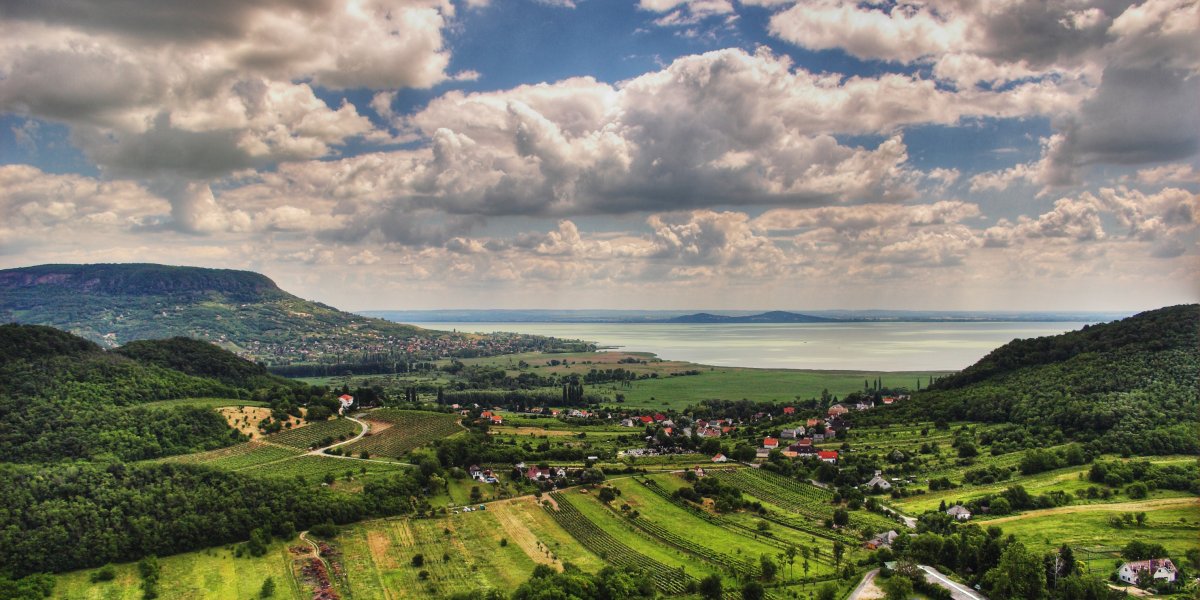
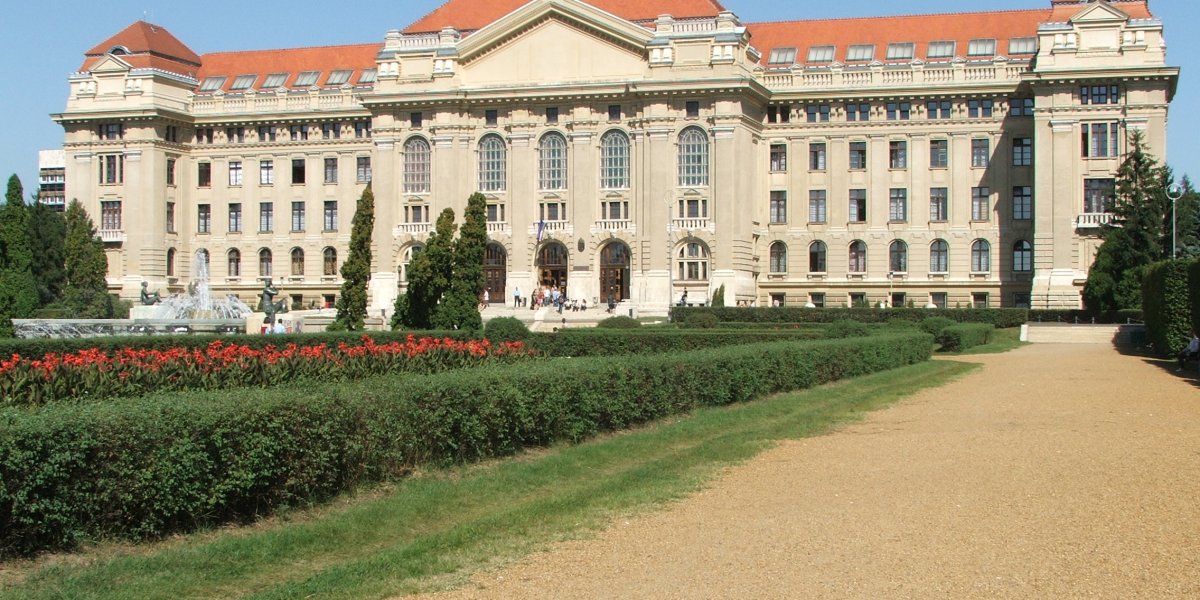
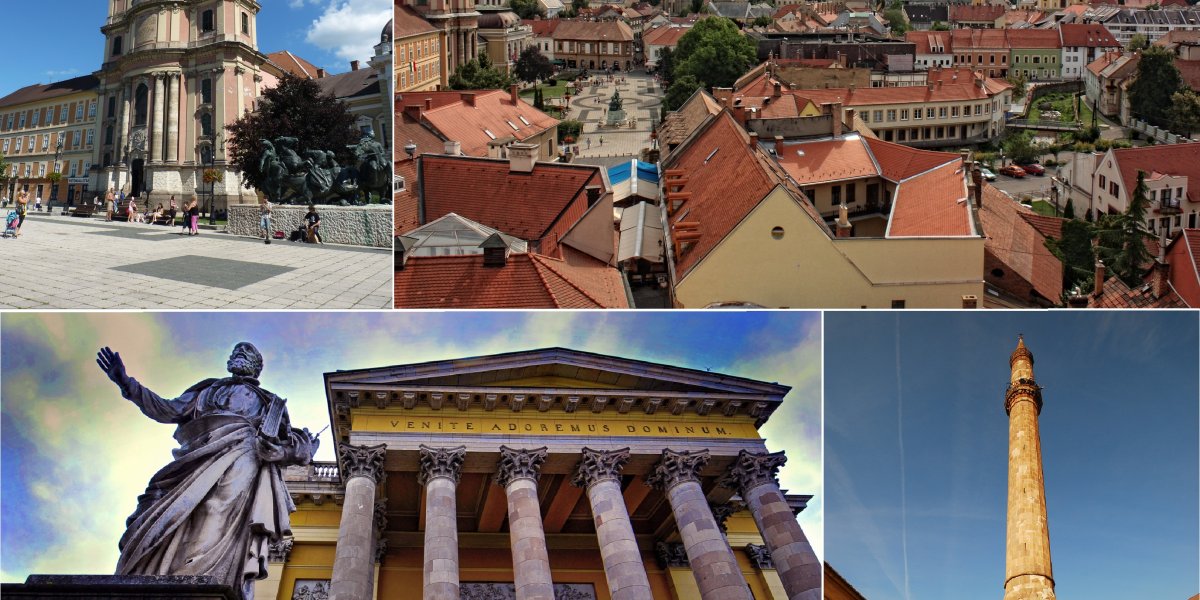
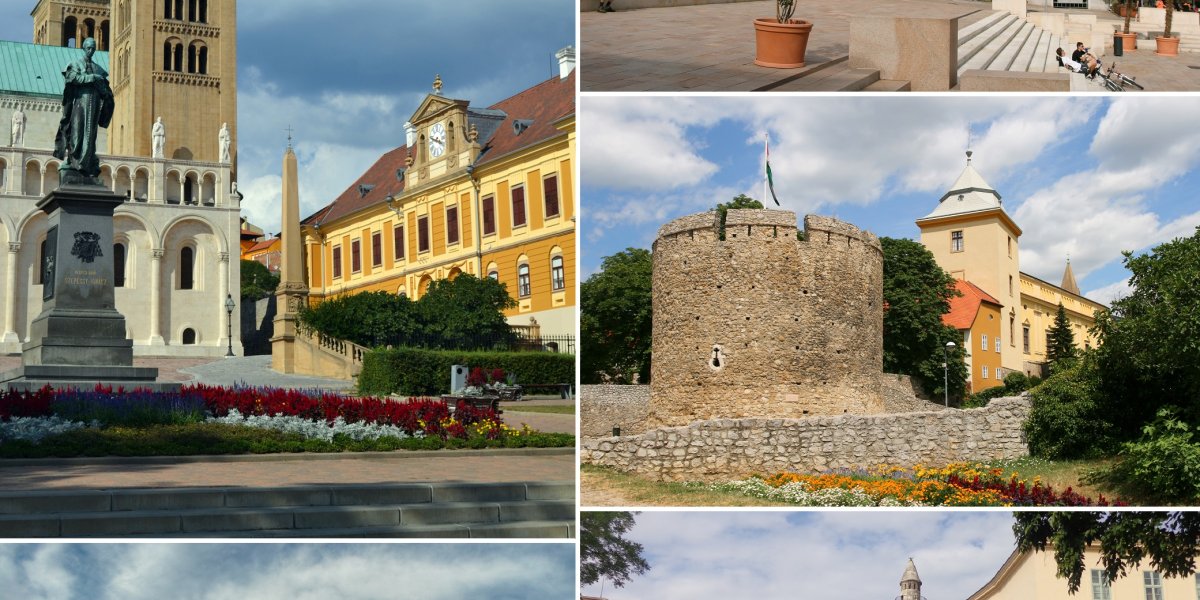
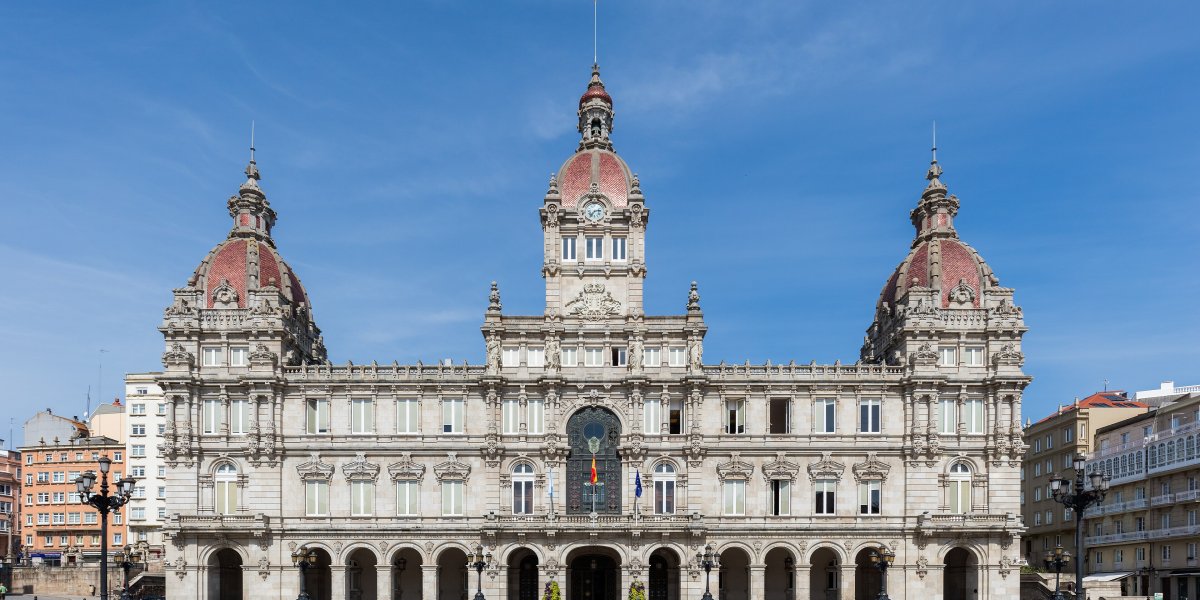
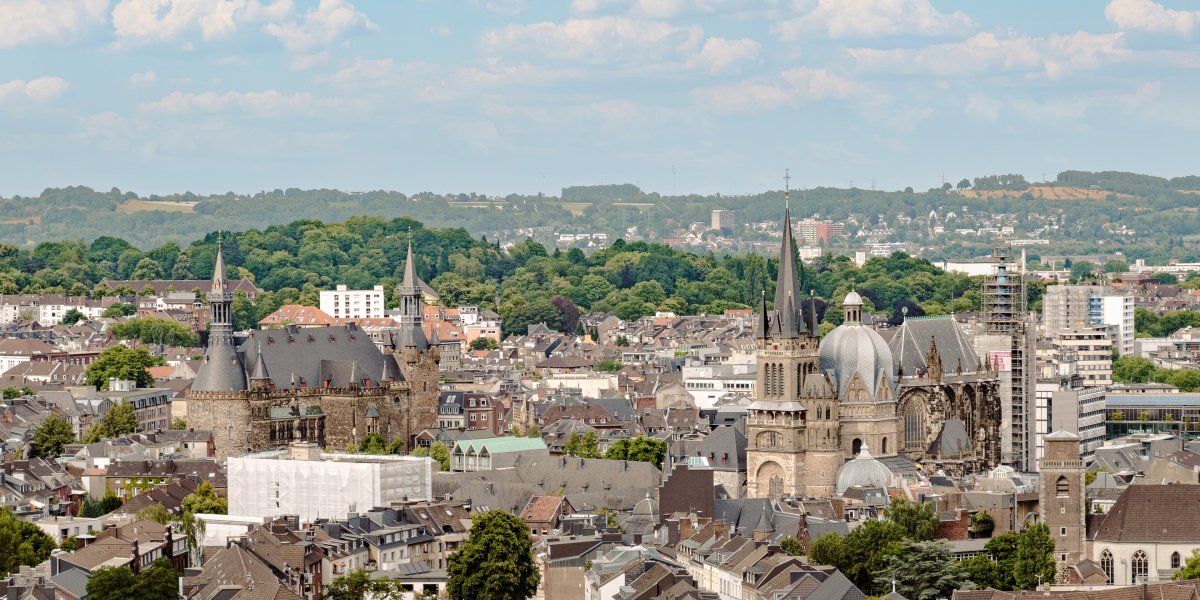
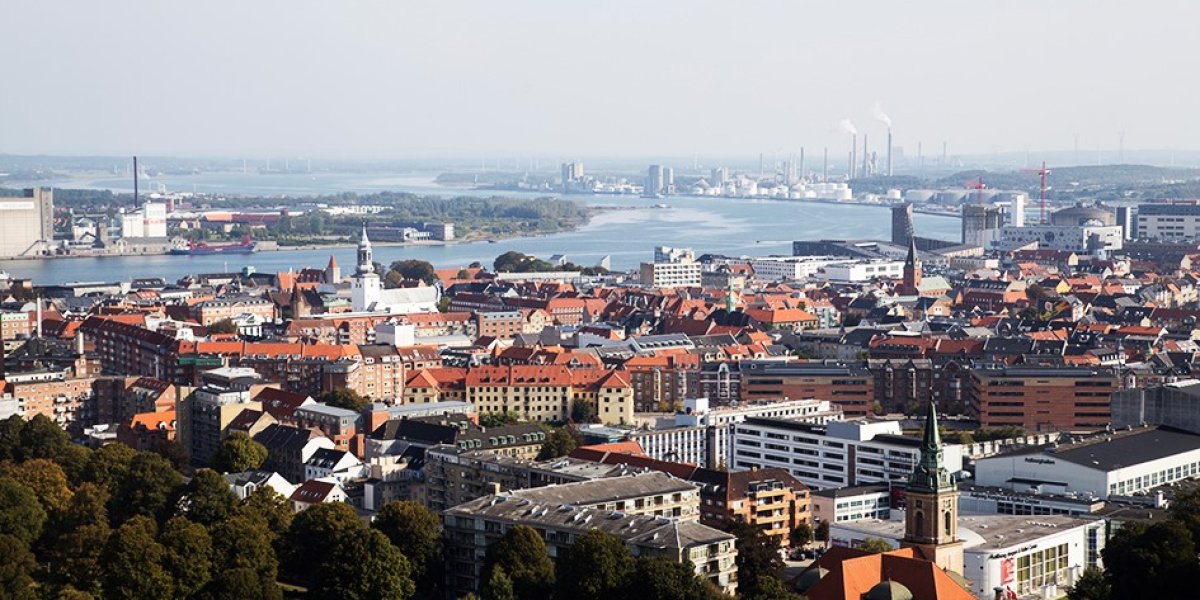
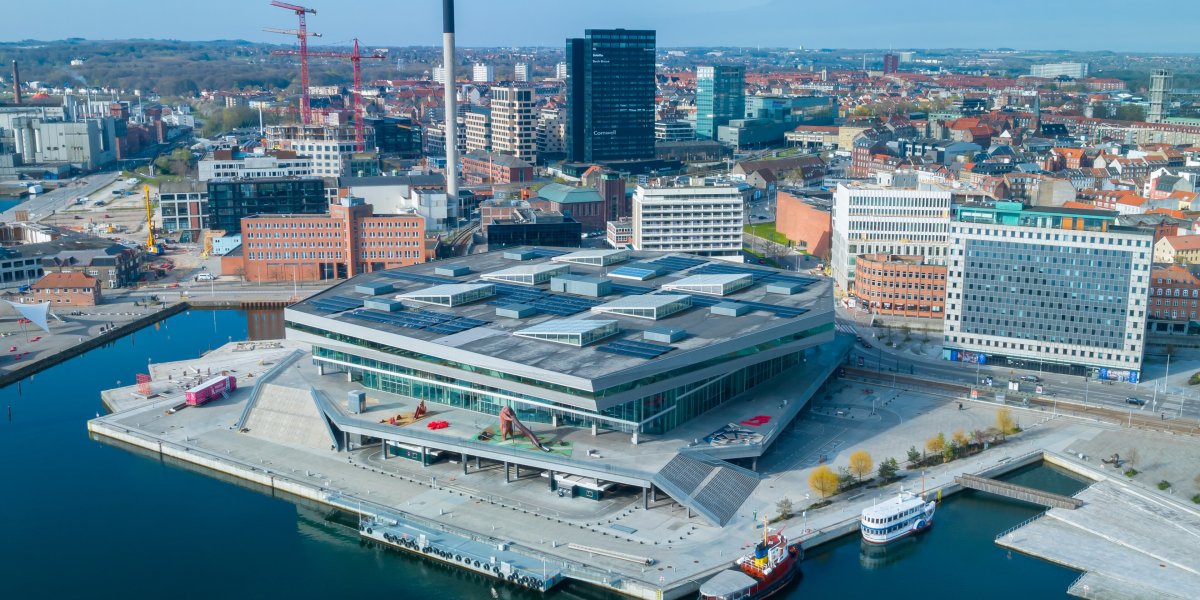
FAQ
Frequently asked questions
How many days do you need in Budapest?
Most travelers enjoy Budapest in 2 days, with enough time for headline sights and a slower meal or museum stop.
What's the best time to visit Budapest?
The easiest season for most travelers is Apr-Jun, Sep-Oct, especially if you want good weather and manageable crowds.
What's the daily budget for Budapest?
A practical starting point is about €80 per person per day before hotels, then adjust based on museums, dining, and transport.
What are the must-see attractions in Budapest?
A good first shortlist for Budapest includes Hungarian Parliament Building.